
Understanding Margin Level in Forex Trading
📊 Learn how margin level in forex trading affects your risk and leverage. Get practical tips to avoid margin calls and protect your account balance in Kenya.
Edited By
Henry Walker
Margin level plays a fundamental role in forex trading, especially for Kenyan traders who often use leverage to multiply their buying power. Simply put, margin level is a percentage that shows the ratio between your equity (the total balance of your account including open position profits or losses) and the margin used (funds locked to keep your trades open).
This ratio is crucial because it tells you how much buffer you have before your broker starts closing your trades automatically, a process called liquidation. A higher margin level means you have more room to absorb losses, while a low margin level signals danger — you risk losing your position if the market goes against you.
How is margin level calculated? The formula is straightforward:
plaintext Margin Level = (Equity / Used Margin) × 100
For example, if your account equity is KSh 50,000 and you are using KSh 10,000 as margin, your margin level is (50,000 ÷ 10,000) × 100 = 500%. Most brokers set a margin call around 100%, where they warn you that your positions might close soon.

> A margin level below 100% usually triggers a margin call or stop out, meaning your broker may close some or all positions to prevent further losses.

**Why does margin level matter?** It helps traders manage risk by keeping track of available funds to sustain open trades. Without monitoring margin level, you may unknowingly expose yourself to forced liquidation. This is especially true in volatile markets or when trading with high leverage — common in the Kenyan forex scene.

Here are practical ways to manage your margin level:

- **Keep leverage moderate:** Over-leveraging can quickly erode your equity if the market moves slightly against you.
- **Monitor open positions:** Regularly check unrealised profits and losses to understand your current equity.
- **Maintain a margin buffer:** Avoid using all available margin; leave some equity to handle market swings.
- **Use stop losses:** Automatic exits help protect your funds before margin level falls dangerously low.

Understanding and managing margin level is an essential skill for trading safely and confidently. It helps you avoid surprises and keeps your forex activities sustainable in the long run.

## What Margin Level Means in Forex Trading

Margin level is a key indicator for any forex trader. It measures the health of your trading account by showing the ratio between your equity — that’s the total value of your account including open trades — and the margin you have already committed to your positions. Understanding this helps you avoid liquidation when the market moves against you.

### Defining Margin and Margin Level

Margin is the amount of money a broker sets aside from your account to open or maintain a position. Think of it as a security deposit to cover potential losses. Margin level, on the other hand, is expressed as a percentage and calculated by dividing your equity by the used margin, then multiplying by 100. For example, if your equity is KSh 10,000 and your used margin is KSh 2,000, your margin level is (10,000 / 2,000) * 100 = 500%.

The difference is that margin is an absolute amount tied to your trades, while margin level gives you a clear picture of how safe your account is at any given time. A high margin level means you have enough funds to keep your positions open; a low margin level signals risk.

#### How [Margin Level](/articles/understanding-margin-level-forex-trading/) Reflects Account Health

Your margin level effectively shows how much buffer you have before your broker starts closing your positions. If the market swings unfavourably, your equity will drop, pushing the margin level down. Traders with a margin level above 100% generally have enough cushion, while falling below 100% means their account is at risk of a margin call.

For instance, say you have KSh 5,000 equity and KSh 5,000 used margin; your margin level would be 100%. At this point, any further losses could push your account into liquidation territory. Monitoring this helps you manage risks better by knowing when to add funds, close some positions, or reduce trade sizes.

### How Margin Level Impacts Trading Positions

Margin level ties closely to [free margin](/articles/free-margin-in-forex-trading-kenya/) — the equity available to open new trades — and used margin, which is locked in existing trades. If your margin level is high, you have more free margin, meaning you can comfortably open more positions or hold your current trades without stress.

For example, if your account equity is KSh 15,000 and used margin is KSh 3,000, free margin is KSh 12,000, and margin level is 500%. That’s plenty of room to manoeuvre.

However, a low margin level restricts your ability to open new positions and may trigger a margin call if it reaches your broker’s threshold.

#### Consequences of Low Margin Level

When your margin level dips too low, typically nearing 100% or the broker’s stop-out level, you face severe consequences. Brokers may start closing losing trades automatically to protect their lending risk, a process called liquidation.

Without acting quickly, you risk losing your entire deposited capital. A common scenario is a sudden market drop affecting high-leveraged positions, where traders with low margin levels lose access to free margin and face forced closure. This highlights why constant monitoring and adjusting your margin level is essential for sustained trading success.

> Proper understanding and management of your margin level can keep your trading account healthy and prevent unexpected liquidation even amidst volatile forex market swings.


## How to Calculate Margin Level in Forex

Calculating margin level is vital for any trader aiming to safeguard their account and manage risk effectively. Understanding how margin level is computed helps you know when your account is close to a margin call or stop out, which could force brokers to close positions. This section outlines the key factors involved in margin level calculation and how to apply them practically.

### The Formula for Margin Level

Margin level is the ratio of your account equity to the used margin, expressed as a percentage. Here, **equity** is your account balance plus or minus any profit or loss from open positions. **Used margin** refers to the amount of funds currently tied up to maintain open trades.

The formula looks like this:

plaintext
Margin Level (%) = (Equity / Used Margin) × 100
Knowing these two components ensures you’re always aware of your buying power and how much cushion you have before the broker steps in.
Suppose you have an account balance of KSh 50,000 and your open positions have unrealised profits worth KSh 5,000. Your equity is therefore KSh 55,000. If the margin required for these positions is KSh 10,000, then your margin level is:
(55,000 / 10,000) × 100 = 550%A margin level of 550% shows a healthy cushion between your equity and used margin.
On the other hand, if the market moves against your positions and your equity drops to KSh 8,000 while the margin stays at KS0,000, the margin level becomes:
(8,000 / 10,000) × 100 = 80%This low margin level signals risk, indicating you might be close to a margin call.
Interpreting margin level percentages correctly is essential for sound risk management. A high margin level (e.g., above 200%) means your account still has ample equity relative to your positions, allowing comfort to trade or even open new ones. But once the margin level dips below critical thresholds, caution is due.
Brokers set margin call and stop out levels to protect both you and themselves. A margin call is typically triggered when margin level falls near 100%, warning you to add funds or close positions. If the margin level hits the stop out level (often below 50%), brokers close losing trades automatically to prevent your account from going negative.
Keep a close eye on margin level percentages using your trading platform’s tools. It’s better to act early by reducing trade size or adding funds than to get caught unaware by margin calls or stop outs.
In Kenya’s forex market, where volatility can be sudden, consistently monitoring margin level helps you trade safely and avoid liquidation risks. Knowing how to calculate and interpret your margin level empowers you to make timely decisions and maintain control over your trading account.
Managing margin level is fundamental for controlling risk in forex trading. Margin level acts as a shield, signalling how much equity a trader has relative to the margin used. If this level dips too low, it warns that your trading account could quickly face liquidation or forced closure of positions. For example, if you start a trade with KSh 50,000 equity and your margin used is KSh 10,000, your margin level is 500%. But should your equity fall near the margin used, the margin level tightens, increasing the risk of a margin call. Understanding these shifts helps traders avoid sudden losses.
Margin calls happen when the margin level falls below the broker's minimum threshold, often set around 100%. This means your equity is no longer enough to maintain your open trades, and the broker may demand additional funds or close positions to prevent further losses. Practically, a margin call can freeze your account and stop you from opening new trades, putting your current positions at risk. For someone trading volatile pairs like USD/KES, daily swings might quickly erode equity causing surprise margin calls.
To avoid margin calls, regular monitoring of margin level is vital. Using trading platforms' built-in alerts helps you track changes in real time. It's wise to keep a buffer in your account rather than pushing margin to the limit. Also, closing losing trades early can protect your equity. Setting stop-loss orders helps limit downside and maintain a healthier margin level. Ultimately, staying alert and active on your trades prevents margin calls from catching you off guard.
Leverage magnifies both profits and losses. While high leverage enables larger trade sizes on smaller capital, it directly lowers your margin level because more funds are tied up as margin. For instance, with 100:1 leverage, a KSh 50,000 deposit lets you control a trade worth KSh 5 million, but only a small equity slip can dangerously lower your margin level. This can lead to fast margin calls and underscores how leverage must be managed carefully.
Choosing suitable leverage depends on one’s risk appetite and trading strategy. Conservative traders often pick 10:1 or 20:1 leverage to keep margin levels safer with thicker equity cushions. In contrast, aggressive traders may use higher leverage but must maintain vigilant margin monitoring. For Kenyan traders who often face unpredictable market moves or Kenyan shilling volatility, lower leverage reduces pressure and provides more room to adjust positions calmly. Selecting the right leverage will protect your capital and help maintain steady trading performance.
Keeping a close eye on margin level and balancing leverage carefully are the pillars that hold up solid risk management in forex trading.
Understanding how to manage margin level is vital for keeping your forex trading account safe from liquidation. By following practical steps, you can maintain a healthy margin level, protect your capital, and trade more confidently.
Most trading platforms offer tools to monitor your margin level in real time. These include margin level bars, numeric indicators, and dashboard alerts. For instance, if you use MetaTrader 4 or MT5, you can see your equity, used margin, and free margin update live as market prices change. This helps you spot any drop in margin level early before it becomes critical.
Platforms also send alerts when your margin level approaches dangerous thresholds, such as margin call or stop out points. These warnings help avoid sudden forced liquidation by signalling when to reduce your exposure or add funds. Paying attention to these alerts is essential, especially if you trade volatile currency pairs where prices can shift quickly.
When your margin level starts dropping, reducing exposure is a smart move. This means closing losing positions or scaling down new trades to reduce the amount of margin used. For example, if your margin level is below 100%, it indicates your available free margin is low, and the risk of a margin call is higher. Cutting down trade size helps increase free margin and keeps your account afloat.
Using stop-loss orders is another effective tool to control risk. Setting a stop-loss limits potential losses on each trade, preventing your margin level from falling too low. For example, if you enter a trade on EUR/USD, placing a stop-loss 50 pips away can cap your loss and protect your equity. This automatic risk control makes it easier to manage margin levels without constantly monitoring the market.
Brokers vary in the margin call and stop out levels they set for client accounts. Some may trigger a margin call at 100% margin level, while others set it lower, say 50% or 30%. Knowing your broker’s specific thresholds matters because it influences when you receive alerts and when positions are forcibly closed.
Reading the terms and conditions carefully also helps avoid surprises. Brokers often detail their margin requirements, leverage limits, and how margin calls are handled. For example, some brokers might allow you to deposit more funds or close some losing trades to restore margin. Understanding these rules means you won’t be caught off guard by automatic liquidation or unexpected restrictions.
Keeping track of margin levels, adjusting your trade sizes carefully, and knowing your broker’s rules are not just good tips – they are essential steps to trade forex safely and without unpleasant shocks.
By applying these practical measures, you can control your trading risks better and make margin level work in your favour, rather than against you.
Understanding the common challenges traders face with margin level is vital for maintaining a healthy trading account. Margin level errors often lead to costly mistakes that could wipe out one’s trading capital. By recognising these pitfalls, traders can better safeguard their funds and trade with confidence.
Risks of taking on excessive leverage
One frequent mistake is overleveraging — that is, using more leverage than the account can comfortably support. When a trader opts for high leverage, such as 1:500 instead of a more modest 1:50, the margin required for each trade drops significantly. While this might look like an opportunity to open bigger positions with limited capital, it also amplifies risk. Even small market swings can drain the equity quickly, posing a danger to the account’s stability.
For example, a trader with KSh 50,000 using leverage of 1:500 can theoretically control KSh 25 million in positions. While profitable moves can balloon gains, the smallest adverse price changes will thin the free margin fast and potentially trigger forced liquidation.
How overleveraging leads to margin call
High leverage narrows the margin level buffer, making margin calls more likely. If the account equity falls near the required margin level, the broker issues a margin call demanding for additional funds or the closing of positions. Overleveraged accounts tend to reach this point more quickly than cautious traders.
Suppose a trader with very high leverage faces a sudden market drop; their equity may plunge below the maintenance margin needed to keep positions open. Brokers then either close trades automatically or require immediate top-ups. Without fast response, accounts can go into negative balance, especially in volatile markets.
Why traders overlook margin warnings
Some traders ignore margin level indicators because of overconfidence or poor risk discipline. They might feel market conditions will improve soon or believe their strategy is bulletproof. This psychological mistake leads them to disregard platform alerts signalling low margin levels.
Others may lack familiarity with the trading software or trade on multiple platforms without vigilant monitoring, missing the crucial signs. This neglect allows margin levels to drop dangerously low without corrective action.
Consequences of delayed action
Ignoring margin level warnings results in forced position closures and lost opportunities to manage trades smoothly. When a margin call arrives unexpectedly, traders often have limited time to add funds or adjust positions. Delayed action usually means selling off assets at unfavourable prices, locking in losses.
Moreover, suddenly closing positions undermines trading plans and can wipe out months of gains. Practical discipline in watching and acting on margin level alerts helps traders avoid these pitfalls, preserving capital and allowing for strategic adjustments instead of frantic damage control.
Maintaining sound leverage choices and attentive monitoring of margin levels are key steps to avoid costly mistakes and ensure long-term success in forex trading.
📊 Learn how margin level in forex trading affects your risk and leverage. Get practical tips to avoid margin calls and protect your account balance in Kenya.
📊 Master using a PIP calculator to measure profits or losses accurately in forex trading. Improve your risk management and make informed decisions with ease!
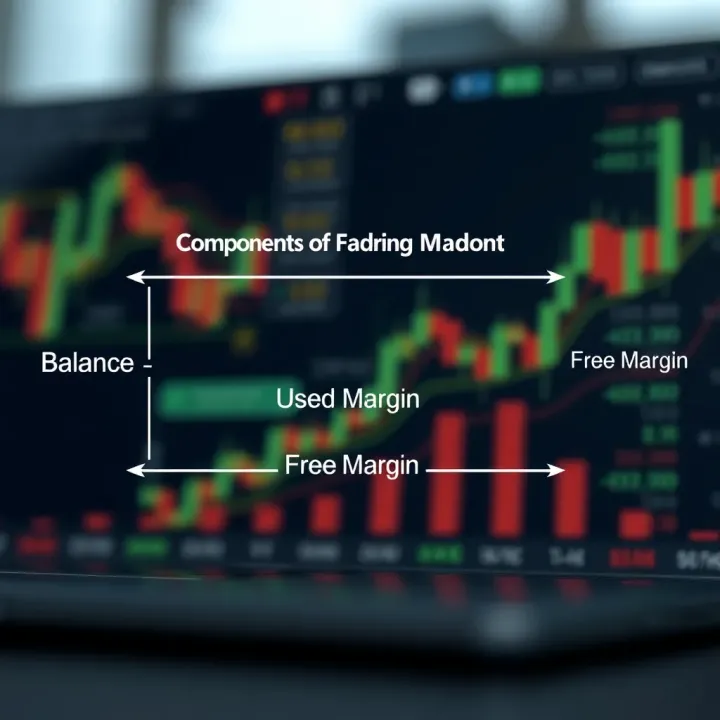
📊 Learn how to calculate and manage your free margin in forex trading to avoid risks and improve your decisions. Essential guide for Kenyan traders managing KSh funds!
Learn how spread affects your forex trading costs and profits in Kenya 🇰🇪. Understand different spread types and get tips to manage them effectively.
Based on 11 reviews