
Understanding Deriv Trading for Kenyan Traders
Explore Deriv trading in Kenya 📈! Learn platform features, trade types, risk strategies & expert tips to trade smartly and safely. Start with confidence! 💼
Edited By
Benjamin Shaw
Margin level is an essential number every forex trader should watch closely. It shows the health of your trading account by comparing the equity you have to the margin you are using for open positions. Simply put, margin level tells you how much of your own money is backing the trades you've placed, helping you avoid sudden liquidation.
Margin level is usually expressed as a percentage and calculated using the formula:
Margin Level (%) = (Equity / Used Margin) × 100
Here, equity means your account balance plus or minus any profits or losses from open trades, while used margin is the amount of money reserved to keep those trades running. For example, if you have KSh 100,000 in your account and KSh 20,000 is tied up as margin for your trades, but your current profits have added KSh 5,000, your equity becomes KSh 105,000. Your margin level would then be (105,000 / 20,000) × 100 = 525%.
A healthy margin level reduces the risk of receiving a margin call — which happens when your margin level falls below the broker’s required threshold, often around 100%. When this happens, the broker may ask you to top up your account or close positions to avoid losses exceeding your deposit.
Understanding the role of margin level is especially important when using leverage, which can multiply both your profits and losses. In Kenya, many traders rely on leverage from 1:10 up to 1:500, meaning your margin requirements and margin level will fluctuate rapidly with market movements. Maintaining a comfortable margin level helps you trade without being forced out unexpectedly.
Margin level safeguards your account by showing how much free margin you have left.
Always monitor your margin level to avoid margin calls and forced liquidations.
Use leverage sensibly, as higher leverage increases margin requirements and risk.
Kenyan traders should factor in currency volatility and broker limits when planning trades.
Paying close attention to margin level allows traders to manage risk proactively, keeping trading more stable and less stressful under Kenya’s dynamic forex conditions.
Margin level is a key indicator in forex trading that shows the health of your trading account. It tells you how much of your available funds are being used to keep your trades open and how much you have left as a buffer. For a trader in Kenya or elsewhere, understanding margin level helps avoid surprise account liquidations and manage risk effectively.
Margin level is the ratio of your equity to the used margin, usually expressed as a percentage. Equity is your account balance plus or minus any profits or losses from open trades. Used margin is the amount locked by your broker to maintain your current positions. In simple terms, margin level shows how comfortably your account can absorb price fluctuations.
For instance, if your equity is KSh 120,000 and your used margin is KSh 60,000, your margin level will be 200% (120,000 ÷ 60,000 × 100). This means you have twice as much equity as the margin you’ve used. The higher the margin level, the safer your account generally is from margin calls.
Your margin level acts like a health meter for your forex account. When margin level falls, it signals less room for your trades to move against you before risking a margin call or stop out. Kenyan traders who follow this indicator closely can adjust positions or add funds to avoid forced closures.
Say you start with KSh 100,000 equity and open trades using KSh 50,000 margin. If markets move against you and your equity drops to KSh 40,000 while keeping the same margin, your margin level becomes 80% (40,000 ÷ 50,000 × 100). Many brokers set margin call levels at around 100% or 50%, so when your margin level dips below these thresholds, you get alerts, or the system may start closing positions to protect remaining equity.
Keeping a healthy margin level is essential to trade comfortably and avoid sudden account liquidation, especially in volatile markets like forex.
Monitoring margin level regularly enables you to balance leverage with risk. It also guides decisions like whether to scale down positions, hedge, or inject more funds. For Kenyan traders, using margin level wisely helps protect savings and trading capital from risky swings, especially when using mobile platforms like M-Pesa to top up trading accounts.
In summary, margin level is more than a number; it’s a safety gauge. Knowing what it means and how it reflects your account health can save you from losses and help you trade with confidence across forex markets.
Calculating margin level is a key skill for any forex trader looking to manage risk effectively. You cannot control what you don’t measure, and knowing how to calculate margin level helps you keep a real-time pulse on your trading account’s health. It shows you how close you are to a margin call or forced liquidation, so you can take timely action.
Margin level depends on three main parts: equity, used margin, and free margin. Equity is your account’s current value, including your starting balance plus or minus any open trade profits or losses. For example, if you started with KSh 100,000 and your open positions have lost KSh 10,000 so far, your equity is KSh 90,000.
Used margin is the amount of your funds currently locked to maintain open positions. So, if your broker requires KSh 20,000 as margin for your trades, that sum is no longer available to open new positions or absorb losses.
Free margin is the remaining equity available after deducting the used margin. It’s what you can use to open new trades or cushion against losses. In the earlier example, with KSh 90,000 equity and KSh 20,000 used margin, your free margin would be KSh 70,000.
To grasp this better, here’s a simple calculation of margin level:
Determine your equity: Suppose you start with KSh 150,000 in your trading account, and your current open trades have gained KSh 30,000. Your equity is KSh 180,000.
Identify used margin: Your broker requires KSh 50,000 margin to support the open trades.
Calculate margin level by dividing equity by used margin and multiplying by 100:
Margin Level = (Equity / Used Margin) × 100 Margin Level = (180,000 / 50,000) × 100 = 360%
A margin level of 360% means your account is relatively safe. Kenyan brokers usually set margin calls around 100% or 50%, so this cushion means you have significant room before a forced close occurs.

> Keeping track of your margin level helps you avoid nasty surprises. When it falls too close to the broker’s margin call level, you should consider closing some trades or adding funds.

In practical trading, monitoring these components reduces your chances of being caught off guard due to over-leveraging or market swings. Always check your margin level on your trading platform and make it part of your daily routine.

Understanding how equity, used margin, and free margin work together in the margin level equation forms the backbone of responsible trading in Kenya's forex markets.

## Margin Level and Leverage: Understanding the Connection

Margin level and leverage are two sides of the same coin in forex trading. While margin level shows how much of your account equity is available compared to the margin used, leverage lets you control a larger position with a smaller amount of your own money. Grasping their relationship helps you avoid overexposing your account and manage your trading risks wisely.

### What Leverage Is and Its Role in Forex

Leverage is essentially borrowed capital that lets you trade positions bigger than your current account balance. Say you have KS0,000 in your account and your broker offers 1:100 leverage. This means you can open positions worth up to KS,000,000. While this might sound like a great way to boost profits, it also magnifies your losses since you’re responsible for the full position size.

In Kenya, many traders are attracted to leverage because local incomes are lower compared to international markets, and it’s a way to stretch small capital. But it’s important to remember leverage is a double-edged sword. It requires strict discipline and good risk management to avoid wiping out your account.

### How Leverage Affects Margin Requirements and Margin Level

Leverage directly impacts the margin required to open a trade. Higher leverage means a lower margin requirement per trade. For example, with 1:100 leverage, buying one standard lot of EUR/USD—which typically requires KS00,000 with no leverage—might only need KS,000 as margin. This lower upfront margin means more trades or bigger trades are possible, but your margin level will quickly drop if the market moves against you.

If your account equity falls and your margin level slips below a broker’s set threshold (like 100%), you face a margin call or even a stop out, where the broker may close your positions to protect the account. That is why understanding how leverage influences your margin level is key to sustaining your forex account in Kenyan shilling.

> **Keep a close eye on both your margin level and leverage settings.** Even though leverage can improve your buying power, it also raises the stakes on your existing margin cushion.

To manage leverage effectively:

- Use leverage levels that match your trading experience and risk tolerance.
- Always calculate how much margin a trade will use before entering.
- Monitor your margin level in real-time, especially in volatile market hours.

In summary, the interplay between margin level and leverage defines your capacity to trade safely and profitably. Overleveraging may tempt you with quick gains, but it often leads to margin calls and account liquidation. By understanding this connection, you safeguard your capital and improve your chances for steady forex trading success.

## What Happens When Margin Level Drops: Margin Calls and Stop Outs

Understanding what happens when your margin level drops is vital to managing risks in forex trading. A falling margin level signals trouble — your account is using more of its equity to maintain open trades, which leads to two critical events: **margin calls** and **stop outs**. These protect both you and your broker from incurring greater losses.

### Explanation of Margin Call and Its Impact

A margin call happens when your margin level falls below a broker's specified threshold, often around 100%. At this point, the broker alerts you that your equity has dipped too close to the required margin for your open positions. This is basically a warning that your account balance may not cover ongoing trades if the market moves against you further.

For example, if you start with KS00,000 and use KS0,000 as used margin but your unrealised losses shrink equity to KSh9,000, your margin level drops below 100%. The broker then issues a margin call, giving you a chance to deposit more funds or close positions to reduce risk. Ignoring a margin call can accelerate account liquidation.

The impact of a margin call can be serious: it may force you to inject fresh capital quickly or sell off positions at a less favourable price. This adds stress and reduces trading flexibility, especially in volatile markets common in forex.

> Margin calls are your broker’s way of saying: "Watch out! Your account is running low on safety net."

### Stop Out Level and Forced Position Closures

If your margin level declines even further to the stop out level — usually around 50% or lower — the broker will start closing your losing positions automatically. This stops you from falling into a negative balance beyond your deposited funds.

Imagine you have multiple open trades and your margin level lifts just above the stop out threshold due to accruing losses; the broker steps in to close the most losing trades first. This reduces your used margin and attempts to restore margin level to safer values. For Kenyan traders, this means your open trades can be closed without prior consent, often forcing a loss that could have been managed better.

Forced closures at stop out help prevent further debt but also mean missing potential market recoveries. It's a harsh reminder of the importance of maintaining healthy margin levels and avoiding over-leveraging.

To manage this:

- Keep an eye on your **equity** and **used margin** regularly
- Avoid risking large portions of your capital on single trades
- Use stop losses to limit downside helps in maintaining margin level

By understanding margin calls and stop outs, you gain better control over your trades and protect your account balance from unexpected liquidation. These mechanisms keep trading safer but also demand constant attention from you as a trader to sustain a healthy margin level.

## Tips for Managing Margin Level Effectively

Managing your margin level effectively is key to keeping your forex trading account safe from margin calls and forced liquidations. It helps you stay in control of your trades and avoid losing more than you can afford. Kenyan traders, in particular, need to watch this closely because market swings can be sudden, and brokers here usually have specific margin requirements that must be respected.

### Strategies to Maintain Healthy Margin Levels

#### Monitoring Equity and Margin Regularly

Keep a close eye on your account equity, which is your actual balance plus or minus any unrealised profit or loss. This determines whether you have enough funds to support your open trades. For example, if your equity falls below the used margin, your margin level decreases, putting you at risk of a margin call. Checking your margin level daily or even multiple times a day during active trading helps prevent surprises and allows you to act early.

Besides equity, monitor your free margin—the amount available for new trades or to cover existing losses. If free margin dips too low, consider reducing your positions or adding funds to your account to restore balance. In the Kenyan market, where traders often rely on borrowed funds or limited capital, staying on top of these numbers is crucial for survival in forex.

#### Avoiding Over-Leveraging

Leverage boosts your buying power, but too much of it can quickly drain your margin if markets move against you. It’s tempting to use high leverage available in forex (sometimes 1:100 or more) hoping to maximise profits, but the risks grow in equal measure. Kenyan traders should assess carefully whether their funds and experience justify high leverage.

For instance, a trader using 1:100 leverage on a KSh 50,000 account can control KSh 5 million worth of currency. A small 1% adverse price move can wipe out a large chunk of equity, affecting the margin level badly. Sticking to moderate leverage ratios, like 1:10 or 1:20, can provide a safer margin level buffer while still allowing for meaningful trades.

### Using Risk Management Tools and Best Practices

#### Setting Stop Losses

A stop loss is a preset order to close a position at a certain price, limiting potential losses. By setting stop losses on every trade, you ensure your margin level doesn’t plunge unexpectedly due to big market swings. For example, if you buy USD/KES at 110.00, a stop loss at 109.00 limits your loss and protects your margin.

Stop losses are vital for Kenyan traders given the sometimes volatile forex pairs affected by local economic news or global events. This tool helps preserve your capital and maintain a healthy margin level so you can survive downturns and stay ready for new opportunities.

#### Diversifying Trades

Don’t put all your eggs in one basket. Spreading your trades across different currency pairs or asset classes can reduce the risk that a single bad move wipes out your margin. For example, instead of placing all your funds on USD/KES, include other pairs like EUR/USD or GBP/USD to balance out your exposure.

Diversification helps maintain your margin level by smoothing out losses in one area with gains or smaller losses in another. While it doesn’t guarantee profits, it’s a smart approach that Kenyan traders often overlook in the hustle to chase fast gains. A balanced portfolio keeps your margin safer over the long haul.

> Regularly managing margin level with these strategies strengthens your ability to trade confidently and avoid forced liquidations that can set back your trading plans.

In sum, vigilance over your equity and margin, sensible leverage use, disciplined stop losses, and diversification form the backbone of effective margin management in forex trading.Explore Deriv trading in Kenya 📈! Learn platform features, trade types, risk strategies & expert tips to trade smartly and safely. Start with confidence! 💼
Explore Deriv Forex in Kenya 🇰🇪! Get insights on trading features, strategies, tools, risks, and regulations to trade confidently and smartly.
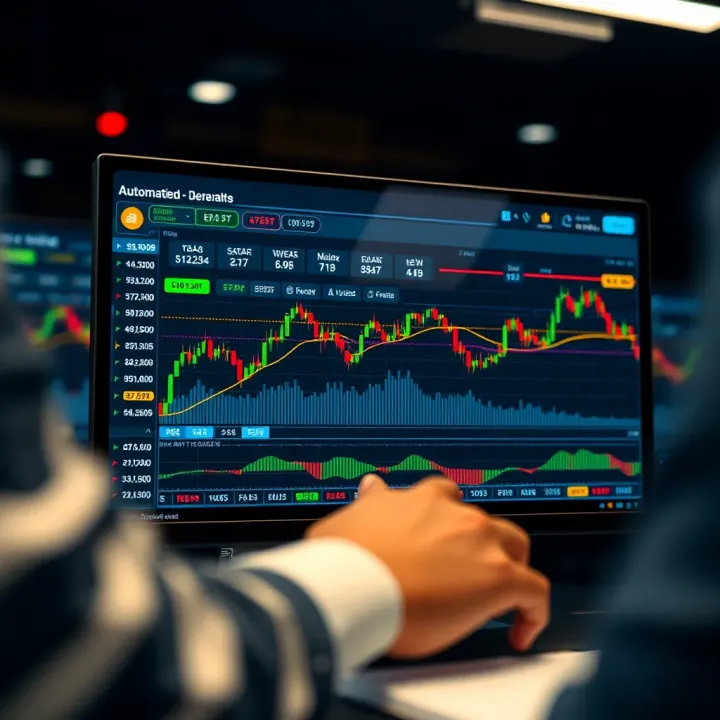
Discover how Deriv bots automate trading with set strategies on platforms like Deriv, their benefits, risks, and tips for smart use 📈🤖💡
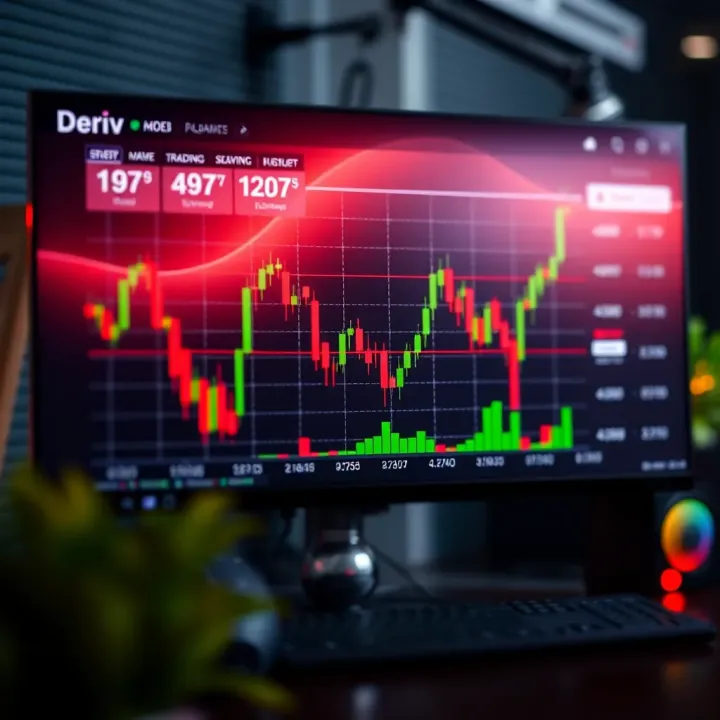
Explore how Deriv bot trading works 🤖 on the Deriv platform with tips on setup, risk management, and legal insights for traders in Kenya and beyond 📈.
Based on 5 reviews