
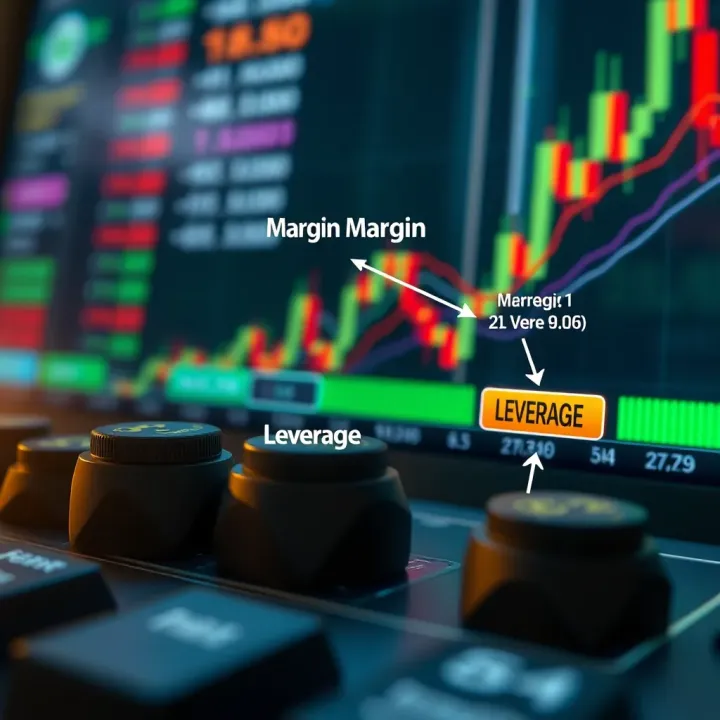
Margin in Forex Trading: A Guide for Kenyan Traders
📊 Learn how margin in forex trading helps Kenyan traders control bigger positions with less capital. Understand its risks and smart management tips to trade safely with confidence.
Edited By
Henry Caldwell
Forex trading online has grown steadily among Kenyan traders looking to diversify income beyond traditional savings or business ventures. Trading in the foreign exchange market involves buying and selling currency pairs like USD/KES or EUR/USD, aiming to profit from fluctuations in exchange rates. With the accessibility of trading platforms and mobile internet, many Kenyans now join these global markets from Nairobi, Mombasa, Eldoret, and beyond.
Understanding forex basics is vital before risking your hard-earned KSh. Unlike stock markets that deal with company shares, forex trading focuses on currencies, which are influenced by geopolitical events, economic data, and central bank decisions, including those by the Central Bank of Kenya (CBK). As forex operates 24 hours a day during weekdays, it offers flexibility but also demands vigilance.
For Kenyan traders, picking the right broker is more than just commission rates. Look for brokers regulated by international authorities or local licences when available. This helps ensure safety of funds and fair trading conditions. Some brokers accept payments or withdrawals through popular Kenyan channels like M-Pesa or bank transfers, easing the process.
The tools and strategies you choose can shape your experience drastically. Popular methods include technical analysis using charts and indicators, and fundamental analysis focusing on news and events. Starting with small, manageable trades helps control risks as you learn. Remember, forex can be volatile; no strategy is foolproof.
A cautious approach to risk management protects your capital — never risk more than a small percentage of your trading balance in a single trade.
Kenyan regulatory landscape remains a work in progress for forex, so always check updates from CMA (Capital Markets Authority) or CBK that may affect trading operations. Meanwhile, avoid brokers promising unrealistic profits, and steer clear of unlicensed platforms.
Trading forex online in Kenya offers a chance to access the global economy, but success boils down to knowledge, discipline, and the right resources. This guide will walk you through how to get started, choose the right tools, manage risks, and navigate regulatory aspects for a smoother trading journey.
Grasping the basics of forex trading is essential before putting your money on the line. It helps you see how the foreign exchange market works, why currency values shift, and the mechanics behind trading online. This understanding offers practical benefits, such as better decision-making and improved risk management, which Kenyan traders need to navigate volatile markets confidently.
The foreign exchange market, or forex, is where currencies are bought and sold. It's the largest financial market worldwide, with daily trades exceeding $6 trillion. Unlike the stock market, forex operates 24 hours a day on weekdays, allowing traders in Nairobi to act whenever market conditions suit them best. For instance, when the US dollar strengthens against the Kenyan shilling, importers in Kenya may find goods more expensive, signalling opportunities for traders betting on currency fluctuations.
Currency trading involves pairs, such as USD/KES or EUR/USD, where one currency is exchanged against another. The first currency is the base, and the second is the quote. The price tells how much of the quote currency it takes to buy one unit of the base currency. Understanding these pairs matters because a Kenyan trader speculating on USD/KES hopes the shilling weakens or strengthens against the dollar. This knowledge guides entry and exit points in trades.
Traders profit by predicting price changes in currency pairs. For example, if you buy USD/KES when one dollar is 110 shillings and later sell it at 112, you earn the difference. It works both ways—selling high then buying low (short-selling) is also common. Kenyan traders often watch global news or economic releases, like US non-farm payroll data, which can push currency values up or down quickly.
Forex trading mainly happens in the spot market, where currencies exchange instantly at current prices. There are also forwards and futures contracts, which agree to exchange currencies at a set price on a future date. For example, a Kenyan firm expecting to pay dollars in three months might use a forward contract to lock in today’s rates, avoiding surprises if the shilling weakens.
Online trading platforms act as the bridge between traders and the forex market. Platforms like MetaTrader 4 or local brokers’ apps offer real-time prices, charts, and order execution. For Kenyans, ease of depositing through M-Pesa and efficient withdrawals are big pluses. These platforms also provide tools for analysis and risk management, which are vital for success.
Liquidity and volatility influence how easy and profitable trading can be. The forex market is very liquid since huge amounts of currencies change hands every second. High liquidity means tighter spreads and smoother trades. Volatility refers to how much prices move; higher volatility offers chances for profit but also greater risk. For instance, major pairs like USD/EUR usually have good liquidity and moderate volatility, while exotic pairs like USD/KES might be less liquid, causing wider spreads and slippages.
Successful forex trading in Kenya depends on understanding these markets' mechanics, recognising practical challenges such as currency pair dynamics, and using reliable platforms that suit local needs.
Choosing the right forex broker is foundational for anyone venturing into online forex trading in Kenya. A good broker ensures a reliable trading environment, fair pricing, and protection of your funds. It also affects your overall trading experience, from accessing markets smoothly to getting timely support.
Regulation stands out as a crucial factor when selecting a broker. In Kenya, the Capital Markets Authority (CMA) oversees brokers, ensuring they abide by laws protecting traders. Working with a CMA-licensed broker means your funds have a layer of security, and the broker is accountable to local authorities. For example, brokers like EGM Securities are CMA-regulated and provide Kenyan traders with peace of mind. Conversely, brokers operating without proper licences may pose risks such as fund mismanagement or lack of dispute resolution.
Every trade comes with associated costs. Brokers typically charge through spreads—the difference between the buying and selling price—or direct commissions per trade. In Kenya, where profit margins can be tight, understanding these costs helps you avoid unnecessary expenses. For instance, a broker charging high spreads on popular pairs like USD/KES can eat into your gains. Some brokers offer zero-commission accounts but compensate with wider spreads. Evaluating these costs before signing up can save you significant money and improve your trading returns.
A broker’s trading platform is your daily workspace. It should be user-friendly, stable, and equipped with essential tools such as charting, indicators, and fast order execution. Platforms like MetaTrader 4 and MetaTrader 5 are popular globally and supported by many brokers in Kenya, offering both desktop and mobile access. If the platform is slow or complicated, you risk missing trade opportunities or making costly mistakes. Test demo accounts to check the platform's ease of use before committing.
Some international brokers maintain local offices or representatives in Kenya. This local presence means quicker communication and understanding of Kenyan traders' needs, including familiarity with local regulations and payment methods. Examples include XM and HotForex, which offer Swahili support and localised client service. Working with brokers with local support can make problem-solving faster and smoother.
Convenient funding is vital. Many Kenyan traders prefer brokers allowing deposits and withdrawals via M-Pesa—the mobile money service dominating the market. This local payment method is faster, safer, and avoids international transfer fees. Brokers like Exness and FXPesa accept M-Pesa, easing the cashflow for traders. If a broker lacks local payment options, you might encounter delays or extra costs, reducing your trading efficiency.
Reliable customer support is a must, especially for new traders. Brokers that provide quick responses through phone, email, or live chat can help resolve issues before they escalate. Besides support, educational materials like webinars, tutorials, and market analysis boost your trading skills. For example, Pepperstone offers comprehensive learning resources tailored for African markets, including webinars suited for Kenyan time zones. Prioritising brokers that invest in client education helps you stay informed and confident.
Selecting a forex broker combines understanding local market realities with assessing global trading standards. Taking the time to research ensures safer and more profitable trading.
Online forex trading demands more than just guesswork; it requires the right tools and strategies to navigate the market confidently. For Kenyan traders, understanding how to read charts, follow economic news, and apply trading strategies can mean the difference between gains and losses. This section breaks down the essentials so you’re better equipped to make informed decisions.
Reading charts and indicators is the foundation of technical analysis. Charts show currency price movements over different timeframes—minutes, hours, days, or weeks. For example, a Kenyan trader watching the USD/KES pair might use candlestick charts to identify patterns like 'double tops' or 'head and shoulders' that hint at future price changes. Indicators such as the Relative Strength Index (RSI) or Moving Averages help clarify whether a currency is trending up, down, or sideways. These clues guide traders on when to enter or exit the market rather than relying on gut feelings.
Using economic calendars to track events keeps traders updated on scheduled announcements that influence currencies. Things like Central Bank of Kenya (CBK) interest rate decisions, US Non-Farm Payroll reports, or inflation numbers in the Eurozone can cause rapid price swings. By consulting an economic calendar before trading the USD/KES or other pairs, you can avoid surprises that might wipe out your gains. For instance, if CBK signals a change in policy, Kenyan shilling pairs may suddenly jump or drop, affecting open trades.
How news impacts currency prices goes hand in hand with timing trades. Unexpected political events, trade agreements, or even global crises can drive currencies sharply up or down. A good example is the Kenyan general elections; forex pairs involving the shilling often become more volatile as uncertainty rises. Understanding this helps traders decide to pause or hedge their trades during sensitive periods to protect their capital.
Trend following and breakout trading are widely adopted because they rely on market momentum. Trend following means buying when prices show a clear upward move and selling or shorting during downtrends. Breakout trading targets price moves beyond established support or resistance levels. For example, if USD/KES breaks above a recent high, traders expect the rally to continue and might enter a buy trade. These strategies suit traders willing to hold positions for several hours or days.
Scalping and day trading approaches cater to those who prefer quick in-and-out trades on short timeframes. Scalpers make many trades each day, aiming for small but frequent profits. Day traders close all positions by market close to avoid overnight risks. Kenyan traders in Nairobi, for instance, may use these methods during overlapping market hours when liquidity is highest. However, scalping demands focus and fast decision-making, often supported by technical tools.
Setting realistic profit targets and stop losses ensures disciplined trading and capital protection. A trade should have clear levels where profits are taken and losses cut. For example, a trader might set a stop loss 50 pips below entry and a profit target 100 pips above. This way, even if the market doesn't move in favour, losses are limited. Over time, sticking to these limits keeps losses manageable and preserves funds for future trades.
Mastering these tools and strategies improves your ability to manage risk and seize opportunities in the fast-moving forex market. Kenyan traders who combine both technical and fundamental insights tend to make better trading decisions and improve their chances of success.
Managing risks is one of the most important skills any forex trader in Kenya must master. Without it, even the most promising trades can lead to losses that wipe out your capital. Effectively protecting your funds means you stay in the game longer, avoiding crashes caused by unplanned shocks or reckless decisions.
Position sizing determines how much money you commit to a single trade. If you place too much of your capital on one trade, a small market move against you could cause a big loss. For instance, if you put KSh 100,000 on a single trade with high leverage and the market shifts just 1%, you might lose thousands of shillings immediately. On the other hand, sizing positions appropriately—such as risking only 1-2% of your total capital per trade—helps contain losses and keep you trading another day.
A stop-loss is a pre-set order to exit a trade automatically if the price moves against you by a certain amount. This prevents emotional decisions under pressure and limits losses. For example, if you buy EUR/USD at 1.1000, setting a stop-loss at 1.0950 means the trade closes once it hits that level, capping your loss. Many Kenyan traders overlook stop-losses, only to lose more than they bargained for. Using them wisely helps you define your risk before entering a trade.
Leverage magnifies profits but also losses. Kenyan traders sometimes get tempted to use very high leverage offered by brokers, thinking they can double or triple their earnings fast. However, over-leverage can wipe out your account with small market swings. Moreover, emotional trading—whether driven by greed from recent wins or frustration after losses—leads to irrational choices. Sticking to sensible leverage levels and a clear plan protects your capital from these common pitfalls.
Demo accounts allow you to trade with virtual funds, making mistakes without losing real money. This is valuable for Kenyan traders new to forex or trying new strategies. For example, practicing how to set stop-losses or position sizes in a demo environment helps you learn without risking KSh 5,000 or KSh 10,000 from real savings.
Markets change, so your approach should too. Successful traders in Nairobi and beyond keep track of their performance and tweak strategies based on what works or doesn’t. If a strategy loses consistently during rainy season when market volatility shifts, for example, it’s wise to adapt rather than stubbornly sticking to it.
Writing down every trade’s details strengthens discipline and offers valuable lessons. Note down your entry, exit, reasons for the trade, and emotional state. This helps uncover patterns—like entering trades after a long day and making poor decisions. A well-kept journal guides you to refine your risk management and avoid repeating costly errors.
Protecting your capital isn’t about avoiding risks but managing them wisely. With solid position sizing, stop-loss use, and self-control, you protect yourself from losing it all while gaining the chance to grow your funds steadily.
Trading forex online in Kenya means not only understanding the markets but also navigating the regulatory environment and practical challenges that come with it. For traders to stay safe and optimise their chances of success, they must be aware of local rules, available payment options, and common pitfalls.
The Capital Markets Authority (CMA) is the main regulator overseeing forex trading in Kenya. It ensures brokers and financial service providers operate fairly and transparently. The authority’s mandate includes licensing brokers who meet strict capital, operational, and ethical standards. Kenyan traders benefit because CMA-regulated brokers are less likely to engage in unfair or fraudulent practices.
For example, if you pick a broker licensed by CMA, you have a point of contact to escalate disputes or complaints, unlike offshore brokers that might ignore Kenyan regulations. The CMA also provides investor education, which helps traders understand risks involved.
Online forex trading is legal in Kenya, but it must be done through brokers licensed by the CMA. Some offshore forex brokers operate in the country without regulation; while tempting due to lower costs or bonuses, they carry significant risk. Kenyan law does not criminalise forex trading itself but places responsibility on traders to transact only with authorised brokers.
Trading through unregulated brokers risks losing capital without recourse. So, always verify the broker’s CMA status before funding your account.
Profits from forex trading count as taxable income in Kenya. The Kenya Revenue Authority (KRA) requires traders to declare earnings from forex along with other business income on their annual returns. This means you should keep clear records of all trades, deposits, withdrawals, and gains or losses.
Failing to report trading income might attract penalties or tax audits. That said, forex losses can be used to offset profits in the same tax year, reducing taxable income. Speak to a tax advisor familiar with CMA and KRA guidelines to stay compliant.
M-Pesa has revolutionised payments in Kenya, and most brokers now support deposit and withdrawal via M-Pesa. This makes funding your forex account straightforward and quick, avoiding expensive bank charges or international transfers.
Besides M-Pesa, mobile banking platforms like KCB M-Pesa or Co-op Bank’s Lipa Na M-Pesa enable seamless transfers. Always confirm with your broker which payment methods they accept locally to avoid delays.
Reliable internet and stable power supply are critical when trading forex. In Kenya, intermittent power cuts or unstable internet can lead to missed trade opportunities or losses. To tackle this, consider having a backup power source like a generator or uninterruptible power supply (UPS).
Moreover, mobile data services can serve as a secondary connection if fibre optic internet drops out. Some traders use mobile phones with hotspot functions to stay connected during outages.
Kenya has seen a rise in forex fraudsters promising guaranteed returns or insider tips. These schemes often mimic real brokers but end up stealing deposits. Always beware of promises that sound too good to be true or unsolicited investment offers on social media.
Stick to brokers regulated by the CMA or internationally respected authorities such as FCA (UK) or ASIC (Australia). Also, verify reviews from trusted sources and keep your personal data secure. If you suspect a scam, report it to the CMA immediately.
Being prudent about regulations and practical hurdles lets Kenyan traders protect their capital and trade more confidently. Understanding local rules, utilising convenient payment methods, and staying alert to risks are necessary steps for long-term success.
📊 Learn how margin in forex trading helps Kenyan traders control bigger positions with less capital. Understand its risks and smart management tips to trade safely with confidence.
📘 Discover how Forex trading PDFs can boost your skills with practical steps, key concepts, and trusted sources, tailored for Kenyan traders eager to succeed.

📈 Explore free trading bots ideal for Kenyan traders. Learn how they work, their benefits, risks, and tips for choosing bots that suit local markets and M-Pesa payments.
📈 Learn how forex trading works and what Kenyan investors should know before starting. Get practical tips, risk advice, and strategies to trade currencies confidently.
Based on 11 reviews