
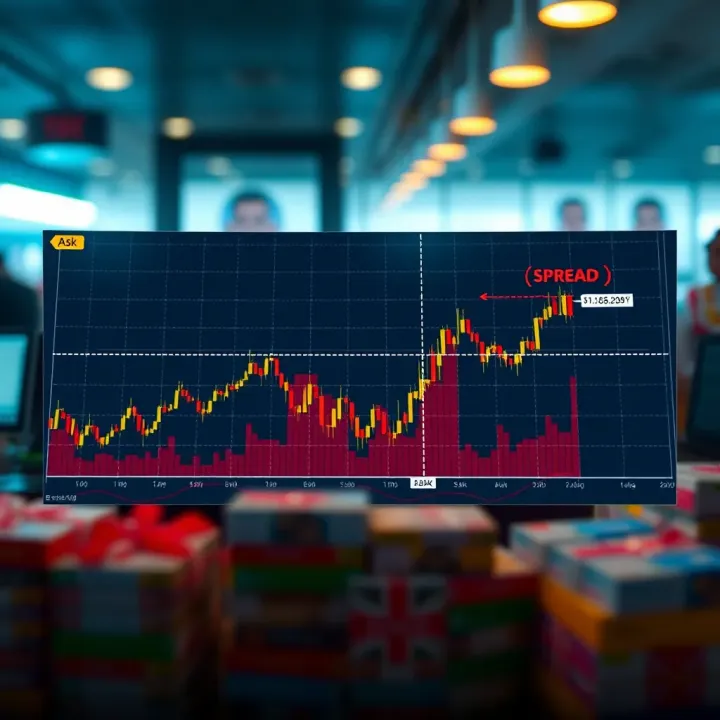
Understanding Forex Spread for Kenyan Traders
Learn how spread affects your forex trading costs and profits in Kenya 🇰🇪. Understand different spread types and get tips to manage them effectively.
Edited By
Henry Caldwell
Forex trading, short for foreign exchange trading, involves buying and selling currencies on the global market. While it grabs headlines as a fast-paced money-making avenue, it’s not just about luck but understanding market moves and making informed decisions.
For Kenyan investors, forex trading offers opportunities to diversify portfolios beyond the Nairobi Securities Exchange (NSE). But before jumping in, it’s vital to know how it works and what unique factors affect trading from here.
Currencies trade in pairs, like USD/KES (US dollar vs Kenyan shilling). If you expect the dollar to strengthen against the shilling, you buy the USD/KES pair. When the dollar rises relative to the shilling, you sell the pair to make a profit.
Markets move based on global economic news, interest rates, political events, and even unexpected shocks. Kenyan traders need to pay attention to factors like CBK (Central Bank of Kenya) monetary policy decisions, regional political stability, and the performance of major trading partners like the US and China.
Leverage is double-edged: Many brokers offer high leverage (sometimes up to 1:500). While this can multiply gains, losses can mount quickly, sometimes exceeding initial deposits.
Volatility can be higher during Kenyan market hours: The forex market operates 24/5 globally, but liquidity may be lower during local times, leading to sharper price swings.
Regulation matters: Choose brokers regulated by credible bodies like Kenya’s CMA (Capital Markets Authority) or international regulators to avoid scams.
Local payment options: M-Pesa and bank transfers are commonly used for deposits and withdrawals; always confirm these are supported by the broker.
Remember: Forex trading is not a quick path to riches. It requires careful study, discipline, and control over emotions.
Start with a demo account to practise without risking real money.
Use stop-loss orders to limit potential losses on trades.
Keep track of economic calendars to stay ahead of critical events.
Avoid following tips blindly; develop your own research habits.
Understanding these basics sets a strong foundation for Kenyan investors aiming to trade forex confidently and responsibly.
Understanding the basics of forex trading is essential for anyone looking to venture into currency markets, especially Kenyan investors who face unique local dynamics. This foundation helps clarify what forex trading entails, how the market functions, and what players are involved. It also allows traders to recognise opportunities and risks more clearly.
Definition and core concept: Forex trading involves buying and selling currencies to profit from changes in their values. Unlike stocks, forex markets operate as a global, decentralised marketplace where currencies are exchanged 24 hours a day. Imagine exchanging Kenyan shillings for US dollars before a trip, hoping the rate moves favourably—you’re engaging in forex on a small scale. In trading, the goal is to capitalise on price fluctuations rather than on the currency's long-term value.
Major currency pairs and markets: Forex trades usually happen in pairs, such as USD/KES (US dollar to Kenyan shilling) or EUR/USD (euro to US dollar). The pairs involving strong economies or widely used currencies tend to be more liquid and better for trading. For Kenyan investors, being aware of major pairs including USD/KES and GBP/KES is practical since these reflect real economic exchange flows, affecting travel, imports, and exports. Trading in these pairs can offer more predictable spreads and less volatility compared to exotic or less-known currencies.
Market participants and trading hours: The forex market comprises various participants such as central banks, commercial banks, hedge funds, corporations, and retail traders. Kenya’s perspective is unique because while Nairobi’s business hours are fixed, forex trading never really stops worldwide. Trading follows the sun across different centres: London, New York, Tokyo, and Sydney. Kenyan investors can thus trade at any time but might find higher activity and tighter spreads during London and New York sessions.
Role of brokers and platforms: Brokers act as intermediaries facilitating a trader’s access to the forex market. They provide the platform, tools, and market prices. For Kenyan traders, choosing a broker that supports local payment options like M-Pesa and offers user-friendly platforms is critical. A good broker ensures fair pricing, fast execution, and compliance with regulation, protecting traders from scams and unfair practices. Popular platforms include MetaTrader 4 or 5, which provide charting and order execution tools tailored for beginners and professionals alike.
Getting the basics right not only improves your confidence but also sharpens your ability to spot good trades and avoid pitfalls. Always pick brokers wisely and stay informed about market hours to make the most of forex trading accessibility.
Trading forex offers Kenyan investors access to a large and liquid market that operates 24 hours a day, five days a week. This continuous access makes it possible to trade at your own convenience, whether you're a salaried worker juggling a nine-to-five job or a small business owner looking to diversify income streams. Understanding these opportunities and the associated risks is key before committing any capital.
The forex market is the largest financial market worldwide, with a daily turnover exceeding $6 trillion. This volume means that Kenyan traders can enter and exit trades quickly without worrying too much about price manipulation or lack of buyers. For instance, you can easily trade major currency pairs like USD/KES without enduring long delays or excessive spreads. The widespread availability of online trading platforms and mobile apps also means access from Nairobi, Mombasa, or even smaller towns is practical and affordable.
Unlike traditional stock markets where profits usually come from shares increasing in value, forex trading allows you to benefit whether a currency is going up or down. For example, if you expect the US dollar to weaken against the euro, you can sell USD/EUR and gain if the rate falls. This flexibility broadens profit opportunities but requires careful analysis and timing. Working with leverage can amplify these gains but carries its own risks.
Forex markets can experience sharp and unpredictable price swings, especially during economic events like US Federal Reserve decisions or geopolitical tensions. Kenyan traders using leverage—borrowed funds to increase trading size—may face magnified losses just as easily as profits. For example, applying 30:1 leverage means a 1% move against your position could wipe out 30% of your equity. Wise risk management, such as setting stop-loss orders, is essential to avoid devastating losses.

Kenya's growing interest in forex has attracted less reputable brokers promising high returns with minimal effort. Many lack proper regulation or operate offshore, putting your funds at risk. It's advisable to use brokers registered with recognised authorities like the Capital Markets Authority (CMA) in Kenya or international bodies with solid reputations. Always verify licensing and user reviews, as falling prey to scams can cost thousands of shillings and delay your trading journey.
Always remember, forex trading is not a quick-money scheme. Treat it like any other investment—learn thoroughly, manage risks, and choose trustworthy partners.
Understanding these opportunities and challenges will help you approach forex trading with realistic expectations and better preparedness to succeed in this dynamic market.
Mastering key forex trading strategies is essential for anyone starting out. These strategies help you make informed trades rather than guessing or relying on luck. Understanding how to analyse markets, manage risk, and apply technical tools can protect your capital and improve your chances of consistent profits.
Fundamental analysis involves looking at economic indicators that affect currency values. These indicators include inflation rates, employment data, GDP growth, and interest rates. For example, if Kenya's inflation rate rises unexpectedly, the Central Bank of Kenya might raise interest rates to control it. That tends to strengthen the Kenyan shilling compared to other currencies.
Traders watch such reports closely because they signal when to buy or sell currencies. Suppose the US Federal Reserve announces a rate hike; traders might anticipate the dollar gaining strength and act accordingly. Knowing these fundamentals helps you avoid being caught off guard by sudden price moves.
Political developments and geopolitical tensions can shake forex markets. Elections, trade disputes, or conflicts affect investor confidence and currency demand. Kenya’s general elections often bring volatility in the shilling due to uncertainty about future policies.
Beyond Kenya, global events like Brexit or US-China trade talks can influence major currency pairs. Following news sources and understanding how such events ripple through the market allows you to prepare your trades or avoid risky positions during unstable times.
Technical analysis uses charts to study past price movements. Trend lines connect price highs or lows to show direction — whether prices generally go up, down, or sideways. For example, if the EUR/USD chart shows a rising trend line, it suggests the euro is gaining strength against the dollar.
Using charts lets you spot entry and exit points based on price behaviour rather than news. This helps especially in the fast-moving forex market, where decisions need to be quick and precise.
Indicators like Moving Averages smooth out price fluctuations to reveal trends. A 50-day Moving Average, for example, averages prices over 50 days and can signal when to buy (price crosses above average) or sell.
The Relative Strength Index (RSI) measures momentum, showing if a currency is overbought or oversold. An RSI above 70 indicates overbought conditions, suggesting a price drop might be near. Below 30 means oversold, possibly signalling a buying opportunity.
Protecting your trading capital is critical. Setting a stop-loss means deciding beforehand the maximum loss you’ll accept on a trade. For instance, if you buy GBP/USD at 1.3500, you might set a stop-loss at 1.3450 to limit loss to 50 pips.
Similarly, a take-profit level automatically closes your trade when you hit your desired profit. This prevents emotions from derailing your plan if the market reverses suddenly.
How much money you commit to a trade impacts your risk exposure. Beginners should avoid risking more than 1–2% of their total account on a single trade. So, if you have KSh 100,000, your maximum loss on any trade should not exceed KSh 1,000–2,000.
Adjust your position size based on stop-loss distance to stay within your risk limit. This practice keeps your trading sustainable through ups and downs.
Focus on these key strategies: analysing fundamentals and price action, then managing your risks carefully. This approach builds a solid foundation for anyone venturing into forex trading from Kenya’s diverse investment landscape.
Starting forex trading in Kenya involves more than just picking a broker and placing trades. It requires understanding local market conditions, payment methods, and how to manage your investment safely. Getting these steps right can save you time, money, and stress down the line.
In Kenya, it's vital to choose brokers that are licensed by reputable authorities. The Capital Markets Authority (CMA) regulates forex brokers operating locally to protect investors from fraud. Always verify if the broker is registered with the CMA or holds a licence from a well-known international regulator like the Financial Conduct Authority (FCA) in the UK. This ensures your funds are safeguarded and that the broker follows proper business standards.
Many unregulated brokers operate online targeting Kenyan clients, but they often lack transparency and carry serious risks. For instance, there has been a surge in complaints about fake brokers disappearing with traders’ deposits. Therefore, double-checking the licensing status can prevent falling victim to scams.
Fees such as spreads, commissions, and withdrawal charges directly affect your profitability. Brokers with unusually low fees might compensate by poor execution speed or hidden costs. Always review the fee structure carefully and compare across several brokers.
Platform usability is equally important. A good trading platform should be easy to navigate, responsive on mobile devices, and support popular Kenyan payment methods like M-Pesa. For example, MetaTrader 4 and 5 are well-known platforms offering robust charting tools and order management, familiar to many Kenyan traders. If the trading platform is slow or complicated, you risk missing timely trades.
Kenyan traders prefer brokers that accept M-Pesa for deposits and withdrawals due to its convenience and speed. Some brokers integrate M-Pesa directly into their systems, allowing instant transfers without extra bank charges. This is a huge advantage over international bank transfers, which can be slow and costly.
Other options include bank transfers and card payments, but these might take longer to process. Knowing which payment methods your broker supports will help you manage your cash flow better, ensuring you can fund your account or withdraw profits without hassle.
To comply with anti-money laundering (AML) rules, brokers require identity verification before activating your account. This usually involves submitting a scanned ID like a Kenyan National ID or passport, proof of residence such as a utility bill, and sometimes a copy of the payment receipt.
Though it may seem time-consuming, this step protects you and the broker by reducing fraud risks. Delays in verification can stall your ability to trade, so prepare these documents in advance. Reliable brokers often process identity checks within a day or two.
A demo account lets you trade with virtual money in real market conditions without risking your own KSh. This is especially useful for beginners to understand how trading platforms work, test strategies, and manage emotions before committing real funds.
Kenyans new to forex often jump straight into live accounts and lose money quickly because they lack hands-on practice. Using a demo account helps build confidence and technical skills while sharpening decision-making.
Switching from demo to live trading requires patience and discipline. Start with a small amount of capital you're willing to lose and apply risk management principles learned during practice. Unlike a demo account, live trading introduces emotional factors – fear and greed can sway decisions.
Track your performance, keep a trading journal, and adjust your strategies based on real results. Gradually increase your trading size as you gain experience and trust in your approach, avoiding overtrading or chasing losses.
Starting forex trading on a solid foundation helps Kenyan investors trade confidently and avoid costly mistakes. Choosing the right broker, funding safely, practising thoroughly, and managing emotions are the cornerstones of success in the forex market.
Forex trading presents many opportunities, but it is also full of pitfalls, especially for new traders. Avoiding common mistakes can save you from unnecessary losses and set you on the path to consistent gains. Here, we address three major pitfalls Kenyan investors face and practical ways to steer clear of them.
Many traders fall into the trap of overtrading—making too many trades too quickly, often driven by emotion rather than strategy. This behaviour usually stems from impatience, greed, or fear of missing out (FOMO). For instance, after a winning trade, a trader may rush into several positions without proper analysis, hoping to multiply gains. This often backfires as poor decisions add up to heavy losses.
To avoid this, set clear trading plans with entry and exit criteria, and stick to them. Use a daily or weekly trade limit to prevent rash moves. Keeping a trading journal helps track decisions and emotions, making it easier to identify patterns that lead to overtrading.
Ignoring risk management is a common mistake that can wipe out your trading capital swiftly. Some traders neglect to set stop-loss orders, risking large portions of their funds on single trades. Others may overleverage their accounts in pursuit of quick wins, exposing themselves to significant drawdowns.
Good risk management means risking only a small percentage of your account on any trade—most experts recommend no more than 2%. Always set stop-loss and take-profit levels to control losses and lock in profits. Kenyans trading with local brokers should confirm they offer adequate leverage options and understand the margin requirements to prevent unexpected margin calls.
The forex market reacts quickly to economic events, political developments, and central bank announcements. Failing to keep up with such news can leave you trading blindly. For example, the Kenya shilling can be influenced by recent CBK interest rate changes or election uncertainty, impacting pair prices unexpectedly.
To stay informed, regularly follow reliable news sources such as the Central Bank of Kenya updates, KRA tax policy changes, and global economic news from trusted media. Use economic calendars that highlight key events affecting the forex market. This helps you anticipate volatility and plan trades accordingly.
Consistently avoiding these pitfalls builds discipline and improves your chances of success in forex trading. It’s not about avoiding risks entirely—trading involves risk—but managing it wisely and staying informed.
By learning from these common mistakes, you set up a solid foundation that increases your chances to grow your trading account steadily over time.
Learn how spread affects your forex trading costs and profits in Kenya 🇰🇪. Understand different spread types and get tips to manage them effectively.
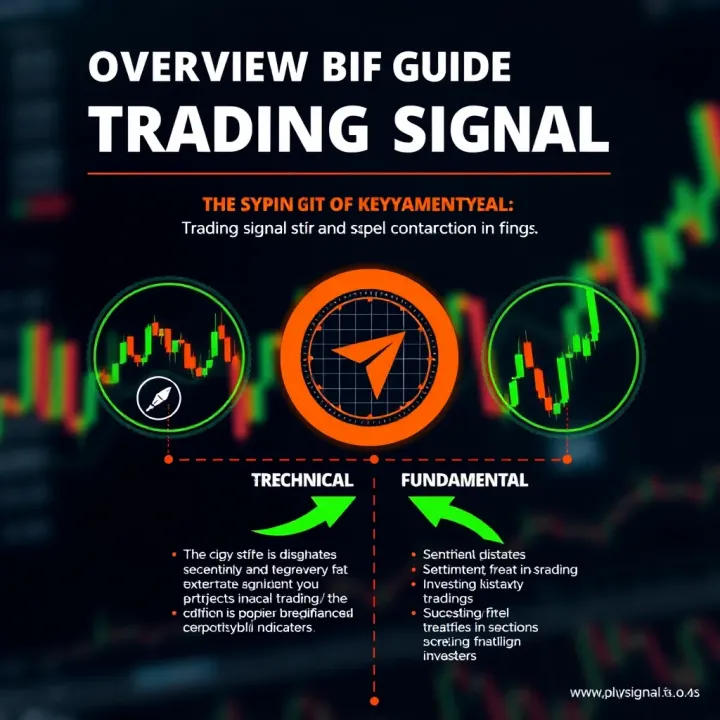
📈 Learn how trading signals help Kenyan investors make smart moves in stocks, forex & assets. Understand types, challenges & tips to trade confidently in Kenya's markets.

📈 Discover how Kenyan traders can use HotForex platforms to trade forex, CFDs, and commodities safely. Learn about regulations, available tools, and trading tips tailored for Kenya.
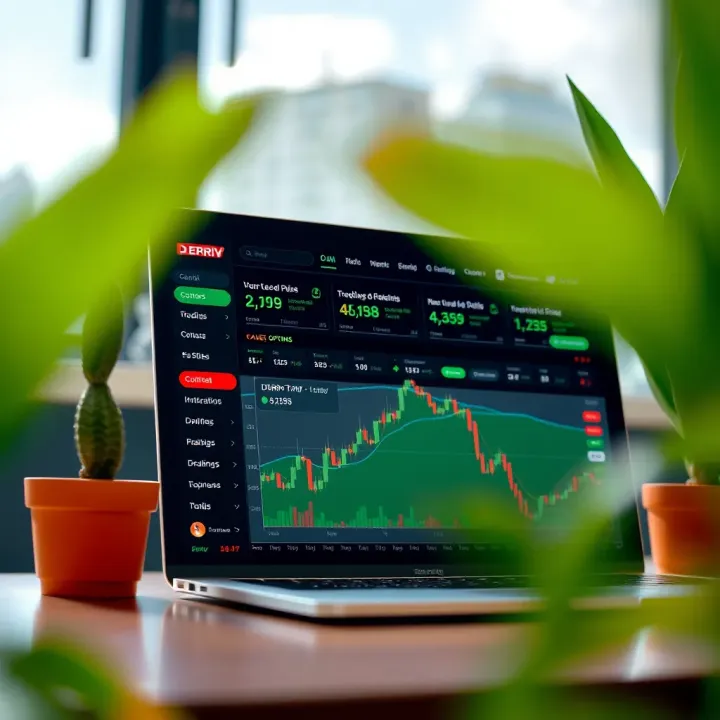
Explore Deriv trading in Kenya 📈! Learn platform features, trade types, risk strategies & expert tips to trade smartly and safely. Start with confidence! 💼
Based on 7 reviews