
Understanding Deriv Forex for Kenyan Traders
Explore Deriv Forex in Kenya 🇰🇪! Get insights on trading features, strategies, tools, risks, and regulations to trade confidently and smartly.
Edited By
George Lawson
When you start trading forex, one of the first things you'll notice is the spread. This is the difference between the buying price (bid) and the selling price (ask) of a currency pair. Simply put, the spread is the cost you pay to open a trade, even before you make any profit or loss.
For Kenyan traders, understanding the spread is more than just technical knowledge; it directly affects how much you spend and stand to gain. For example, when trading the USD/KES pair, if the bid price is 110.50 and the ask price is 110.55, the spread is 0.05. This means you need the price to move in your favour by at least 0.05 before you break even.
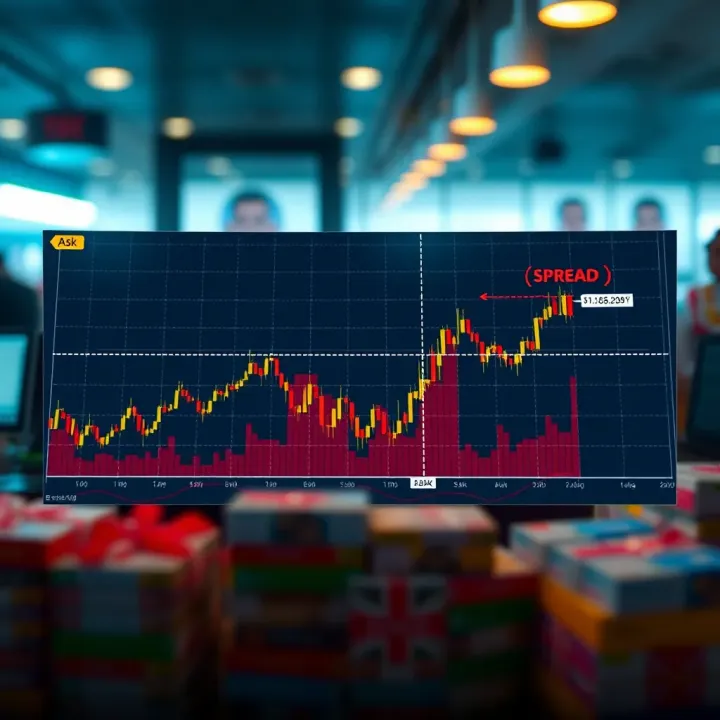
The spread acts like an invisible fee, meaning tighter spreads can save you money, especially if you trade frequently or use short-term strategies.
Several factors influence the size of the spread:
Liquidity: Pairs like EUR/USD or USD/KES have tighter spreads because many traders buy and sell them.
Market volatility: During events such as the release of Kenya’s inflation figures or major global news, spreads tend to widen temporarily.
Broker type: Some brokers offer fixed spreads, while others provide variable spreads that shift with market conditions.
There are mainly two types of spreads:
Fixed Spread – Remains the same regardless of market activity; common with certain brokers but can be less flexible.
Variable Spread – Changes based on market liquidity and volatility; usually narrower during active market hours.
For Kenyan traders, especially those using platforms like Safaricom’s M-Pesa for funding, managing spreads means paying attention to trading hours and selecting brokers regulated by the Capital Markets Authority (CMA) for transparency.
In the sections that follow, we will explore how to manage spread-related costs effectively, including picking the right currency pairs and broker, plus tips for timing trades to keep your expenses low. This knowledge will sharpen your trading decisions and help protect your capital in the bustling forex market here in Kenya.
Understanding the spread is fundamental for anyone involved in forex trading. In essence, the spread represents the difference between the price at which you can buy a currency and the price at which you can sell it at any given time. This difference isn’t just a number—it directly impacts your trading costs and profitability.
For a Kenyan trader, being aware of spread means you can better estimate the cost of entering and exiting trades, helping you to plan your strategies more realistically. For example, when trading the USD/KES pair, the spread might be wider compared to more liquid pairs like EUR/USD. Recognising how it works can help you avoid unnecessary losses and improve your timing in the market.
Every forex currency pair comes with two prices: the bid and the ask. The bid price is what buyers are willing to pay, while the ask price is what sellers want. The spread is basically the gap between these two prices. Think of it like buying and selling a car—there’s usually a difference between what you'd pay and what a dealer is willing to sell it for.
In practical terms, if the USD/KES pair has a bid of 108.50 and an ask of 108.55, the spread is 0.05. This gap means you buy at 108.55 but can only sell immediately at 108.50, making a small loss until the price moves in your favour.
The spread is effectively the cost traders pay brokers for executing trades. Unlike a direct commission, it’s embedded in the price, which means every time you open or close a position, the spread adds to your cost. For instance, if you enter a trade with a spread of 0.05 and the market doesn’t move, you start with a small loss equal to that spread.
Because this cost is always there, traders—especially those dealing in smaller margins or short-term trades—must factor the spread into their calculations. Managing spread well can mean the difference between breaking even and being in loss, especially in volatile markets where spreads tend to widen.
When you open a trade, you pay the ask price; when you close, you receive the bid price. This means you start your trade slightly underwater by the amount of the spread. For Kenyan traders, this is tangible. If you buy 1 lot of USD/KES at an ask price of 108.55, but the bid price is 108.50, you’d immediately lose KS for each unit traded before the price moves in your favour.
Similarly, the spread affects your exit price. If the spread widens during your trade, you may get a worse price when closing, reducing your profit or increasing your loss. This is often seen during times of economic news releases or market turbulence.
While brokers often highlight zero commission accounts, the spread itself acts as an indirect fee. Consider it the silent charge that comes with every trade. Kenyan traders using brokers with wider spreads will face higher entry-exit costs compared to those with thinner spreads.
This fee is not fixed; it can expand or contract depending on market liquidity and volatility. Traders who don’t understand this might misjudge their true trading costs and overtrade, thinking they are spending less than they actually are. Therefore, a keen eye on spreads helps in better money management and trade planning.
Knowing your spread and how it shifts throughout the day and across currency pairs can help you time your trades better and protect your capital from unexpected costs.
Understanding what affects the forex spread helps traders manage trading costs better. These factors determine how wide or narrow the difference is between the bid and ask prices, impacting the overall profitability of trades.
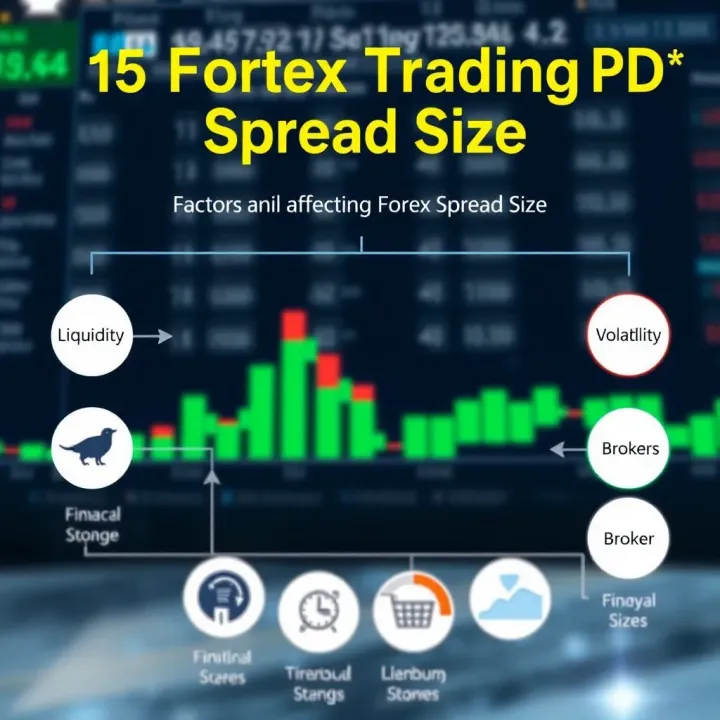
Spreads tend to widen when the market becomes highly volatile. For instance, if political unrest hits a country, the uncertainty can lead to sudden price swings in its currency pairs. This uncertainty makes brokers widen spreads to protect themselves from rapid price changes. Such widening means traders pay more, as the cost of entering or exiting a trade increases.
Economic events also play a big role in how spreads behave. Take Kenya’s economic releases such as GDP figures or CBK interest rate decisions; right before such announcements, spreads often widen. This happens because traders anticipate increased market activity, and brokers increase spreads to manage the risk involved. If you're trading during these times, expect to pay higher spreads and plan your trades accordingly.
The type of currency pair you trade influences the spread size. Major pairs like USD/KES or EUR/USD generally have tighter spreads due to high trading volumes and liquidity. On the other hand, minor pairs or exotic ones, such as KES/ZAR or USD/TRY, often experience wider spreads because they attract less trading activity and are less liquid.
Liquidity directly impacts spread size. In highly liquid markets where many buyers and sellers interact, spreads shrink as competition keeps prices close. In contrast, illiquid pairs lack sufficient orders, forcing brokers to widen spreads to cover the risk of holding an open position.
Brokers may offer fixed or variable spreads. Fixed spreads stay the same regardless of market conditions, which suits traders wanting predictable costs, especially newbies or those on tight budgets. However, fixed spreads can become disadvantageous during volatile times if they’re set wider than necessary.
Variable spreads fluctuate along with market dynamics. For example, if liquidity drops or volatility rises, these spreads widen. Traders dealing in variable spread environments must watch market conditions closely to avoid unexpected cost jumps.
Different brokers and platforms also set spreads based on their business models. Some Nairobi-based brokers might offer narrower spreads but charge commissions; others include costs within the spread itself. Moreover, the trading platform’s technology can influence spread reliability and execution speed. Platforms with slower order processing might show bigger spreads due to price slippages, so picking a broker with solid infrastructure matters.
Choosing the right currency pairs, understanding market volatility, and picking suitable brokers help you manage spread costs effectively in forex trading.
Understanding these factors lets Kenyan traders make smarter decisions, balancing trading costs with profit potential.
Understanding the different types of spreads is key for Kenyan traders to manage costs and improve trading outcomes. Each spread type affects how much you pay to enter or exit trades, influencing profitability especially when trading currency pairs like USD/KES or EUR/USD. Knowing how these spreads work helps you pick the best broker and strategy.
Fixed spreads stay the same regardless of market conditions. For retail traders in Kenya who may not trade around the clock or prefer predictability, this offers peace of mind. You know your exact trading cost upfront, which simplifies planning especially if you trade smaller volumes. For instance, a fixed spread of 3 pips on USD/KES means you won’t face surprise jumps during quieter market hours.
However, fixed spreads can widen considerably during sudden market moves or economic shocks, like unexpected CBK announcements or political events. Some brokers may raise fixed spreads to protect themselves, meaning higher costs just when you want to trade actively. Kenyan traders should be cautious during such times, as fixed spreads might become less competitive than variable ones.
Variable spreads change according to market liquidity and volatility. During peak trading hours, like London or New York sessions, spreads on major pairs like EUR/USD shrink thanks to high volume. But during off-hours or news releases, spreads widen visibly. This dynamic can benefit Kenyan traders who schedule trades during liquid hours, potentially lowering costs.
Variable spreads suit active or scalping traders who rely on tight spreads during calm markets but accept occasional spikes. On the downside, sudden widening can trigger slippage, impacting stop-loss or take-profit orders. For longer-term traders, the fluctuations might be less significant since entry and exit points are spaced out.
Some brokers offer almost zero spreads but add a commission fee per trade, commonly per 100,000 units of currency (a standard lot). This setup ensures transparency, as you see exactly what you pay in commissions and don’t get hit by spread widenings. For example, a Nairobi-based trader might choose this to trade USD/EUR on a platform with a KSh 500 commission plus minimal spread, which can be cheaper than high variable spreads.
Commission-based spreads work best for high-volume or professional traders who want consistent low costs. They also suit traders using automated strategies needing super-tight execution. Kenyan retail traders with small accounts might find commissions expensive, so it pays to assess trading frequency and volume before picking this model.
Choosing the right spread type depends on your trading style, risk appetite, and market knowledge. Fixed spreads offer certainty but less flexibility, variable spreads adapt to real-time changes but bring unpredictability, while commission-based models can reduce hidden costs if you trade often.
This understanding helps Kenyan traders control expenses and increase chances of success in the forex market.
Managing and reducing spread costs can make a real difference to your forex trading efficiency and profits. Since the spread represents the transaction cost, lowering it improves your chance to break even faster and grow gains. Kenyan traders should focus on practical steps that actually help keep these costs in check amid local challenges like currency fluctuations and broker availability.
When picking a broker in Nairobi, you’ll notice spreads can vary considerably. Popular brokers such as FXPesa, HotForex, and AvaTrade Kenya offer different spread structures, often influenced by their liquidity providers and fee models. For example, FXPesa typically provides tighter spreads on major pairs like USD/KES during market hours compared to some international brokers without local presence. This means traders in Nairobi can potentially save on costs by selecting brokers with better conditions locally rather than going for global names alone.
Account types also matter. Many brokers offer standard accounts with fixed spreads but higher commissions, or ECN (Electronic Communication Network) accounts with variable spreads and lower commissions. ECN accounts usually benefit active Kenyan traders who avoid trading during volatile periods; they provide tighter spreads most of the time but might widen suddenly during economic releases. Choosing an account type depends on your trading style and how much spread variability you can handle without hurting your strategies.
Liquidity peaks when major forex markets overlap, especially during the London-New York session from around 2 pm to 6 pm Nairobi time. This means spreads generally tighten since more buyers and sellers are active, improving price competitiveness. Trading during these windows can reduce your spread costs noticeably compared to quiet periods like the Asian session when activity tapers off.
Timing trades also helps avoid spread spikes triggered by low liquidity or sudden news. For instance, placing trades just before the start of the London session may subject you to wider spreads, while waiting until the market settles can keep costs down. By understanding local time zones in relation to global trading hubs, Kenyan traders can better plan entries and exits with minimal spread impact.
A market order executes immediately at the current price, accepting whatever spread exists at that moment. Limit orders let you set a preferred entry or exit price, preventing slippage and the risk of paying a bigger spread than you want. Using limit orders is particularly useful in volatile markets or for currency pairs with historically wider spreads.
For Kenyan traders, practical tips include setting limit orders near recent support or resistance levels rather than random prices. This improves execution chances while controlling spread costs. Also, avoid placing limit orders too close to the current price in fast-moving markets as they might not execute. Incorporating limit orders tactically can help you stick to your trading plan without letting spread costs erode profits.
Managing spread costs isn't just about cutting expenses but also about smart trade planning. Kenyan traders who choose the right brokers, trade during busy hours, and use order types wisely stand a better chance at consistent gains.
By combining these strategies, you can reduce your forex trading expenses and improve overall profitability. It is always worth reviewing broker spreads regularly and adapting your approach as markets and local conditions evolve.
For Kenyan forex traders, grasping how spread works is more than just academic; it directly affects trading costs and profits. The spread determines how much you pay to open and close a position, so knowing what influences spread can help you pick the right moment and instruments for trading. Since the forex market involves currencies like the US dollar (USD) heavily tied to the Kenyan shilling (KSh), fluctuations in this pair play a major role in how spreads behave for local traders.
The KSh-USD currency pair is one of the most traded pairs in Kenya, reflecting the real economic ties between the two countries. However, the KSh often experiences volatility due to factors like foreign exchange reserves levels, CBK policies, and import-export balances. This volatility tends to widen spreads. For instance, during periods of economic uncertainty or after CBK announces changes to monetary policy, brokers might increase the spread to manage risk. This means Kenyan traders actually pay more cost per trade when the shilling weakens or spikes sharply against the dollar.
Wider spreads mean a bigger gap between buy and sell prices, eating into the potential profits or increasing losses. This challenge is significant for retail traders who operate on tight margins and rely on active trading strategies. Therefore, understanding when KSh-USD volatility is high gives traders the upper hand in timing their trades or choosing pairs with more stable spreads temporarily.
Kenya's forex trading space is regulated by the Capital Markets Authority (CMA). Brokers who want to operate locally must comply with CMA licensing and conduct rules. While regulation brings safety and accountability, it also limits the number of brokers available to Kenyans, often restricting access to those with competitive spreads.
Some global brokers offer attractive spreads but may not be CMA licensed, posing risks in terms of fund security and recourse if issues arise. On the other hand, locally licensed brokers tend to maintain spreads that reflect compliance costs and local operational realities. Hence, traders must balance spread advantages with regulatory safety and broker reputation — a crucial consideration unique to the Kenyan market.
M-Pesa is the most popular and convenient method for funding forex trading accounts in Kenya. Depositing money into your trading account using M-Pesa or other mobile platforms often involves small transfer fees charged by either the broker or the mobile network. While these fees might appear minor, they add to the overall trading cost, especially for traders who top up their accounts frequently with smaller amounts.
For example, topping up KSh 10,000 might incur a transfer charge of KSh 50–100 depending on the broker's payment arrangement. These costs indirectly impact the effective spread, as your available capital for trading reduces slightly with each transfer.
A growing number of brokers partnering with Kenyan payment providers offer integrated payment solutions where M-Pesa deposits and withdrawals happen seamlessly. These integrated systems usually lower or waive transfer fees, making it cheaper to fund and withdraw trading balances.
However, traders should also consider how brokers price their spreads in relation to these payment conveniences. Some brokers with zero or low deposit fees may offset these by widening spreads slightly, meaning the cost is still present but embedded in trading. Understanding this trade-off helps Kenyan traders to choose brokers that align with their funding preferences and cost management strategies.
Tip: Always check your broker’s spread history and payment fees together. A low spread on its own doesn’t guarantee cheaper trades if mobile funding costs or withdrawal charges are hidden elsewhere.
In summary, Kenyan traders must navigate unique local factors — currency volatility, regulated broker choices, and mobile payment costs — to fully understand how spreads affect their forex trading expenses and strategies.
Explore Deriv Forex in Kenya 🇰🇪! Get insights on trading features, strategies, tools, risks, and regulations to trade confidently and smartly.
Explore Deriv trading in Kenya 📈! Learn platform features, trade types, risk strategies & expert tips to trade smartly and safely. Start with confidence! 💼
Explore binary options in Kenya 🇰🇪: Learn how they work, risks, benefits, and regulations to trade wisely and stay informed in the financial market 📈.

Explore binary derivatives 🔢, their math basics, uses in computing & finance 💻💰, plus key techniques in Kenya's industries for smart risk management.
Based on 14 reviews