
Trading Apps in Kenya: What You Need to Know
Discover the best trading apps in Kenya 📱 to trade shares, forex & crypto safely. Learn about features, regulation & tips for smarter investing in the local market.
Edited By
Oliver Bennett
Forex trading offers a practical way to invest and potentially grow your money by exchanging one currency for another. For beginners in Kenya, it’s essential to first understand how the forex market works before putting any funds on the line. This market operates 24 hours a day during weekdays and involves trading pairs like USD/KES or EUR/USD, where the value of one currency moves relative to another.
Getting started requires grasping the basic terms: “pip” (the smallest price move in a currency pair), “spread” (difference between buying and selling price), and “leverage” (using borrowed funds to increase trade size). For example, with leverage of 1:100, you control KS00,000 with just KS,000 as margin. That said, higher leverage also means bigger risks.
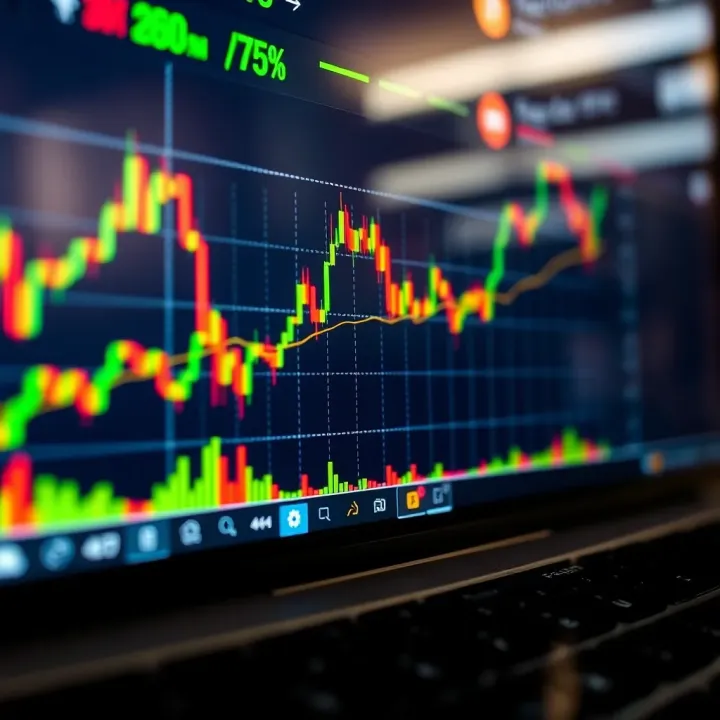
Kenyan traders commonly use platforms like MetaTrader 4 or 5, which are user-friendly and accessible via mobile or desktop. These platforms offer live charts, technical indicators, and the ability to place different types of orders—critical tools to navigate the market effectively.
Remember, forex trading isn’t a quick way to riches. Successful trading depends on learning, discipline, and managing risks. Avoid jumping in with large sums before building your knowledge.
Before trading with real money, practise on demo accounts offered by brokers. This helps sharpen your skills without financial loss. Also, it’s wise to start with a small amount that you can afford to lose — don’t rush to invest large capital immediately.
Key steps to begin:
Choose a regulated forex broker that serves Kenyan clients
Open and verify a trading account with required KRA PIN and identification
Learn how to analyse charts using both technical and fundamental analysis
Develop a simple trading plan including entry, exit, and stop-loss rules
Stay updated on global economic news as these affect currency prices
With these foundations, you will increase your chances of trading confidently rather than guessing blindly. This guide will walk you through those concepts step-by-step, aiming to make forex trading clearer and more accessible for you in Kenya.
Understanding the basics of forex trading is essential before you dive into buying and selling currencies. It shapes how you approach the market, manage risks, and make informed decisions. Knowing what drives price movements and the core terminologies helps you avoid costly mistakes, especially when starting out.
The forex market is where currencies from different countries are exchanged. This exchange happens worldwide, 24 hours a day, allowing traders to buy one currency while selling another simultaneously. For example, if you believe the US dollar (USD) will strengthen against the Kenyan shilling (KES), you can trade USD/KES pairs to try and profit from this movement.
Unlike stock markets, forex is highly liquid because it involves the world's major currencies. This liquidity means trades can be executed quickly, and prices respond fast to global events. Forex trading suits various styles – you can hold positions for minutes or months depending on your strategy.
One key difference is the forex market’s sheer scale and accessibility. While the NSE (Nairobi Securities Exchange) closes after set hours, forex trading continues round the clock due to overlapping time zones of major financial centres in London, New York, Tokyo, and Sydney. This allows Kenyan traders to participate any time, even outside standard working hours.
Secondly, forex trades involve currency pairs, unlike stocks that represent shares in a company. Currency prices are influenced by macroeconomic factors like interest rates, inflation, and political developments, rather than company earnings or dividends. This sets forex apart from equity markets and requires traders to focus more on economic data releases and geopolitical news.
Currency pairs and base/quote currencies: Forex quotes are always given in pairs, e.g., EUR/USD or USD/JPY. The first currency is the base currency, and the second is the quote currency. If EUR/USD is 1.20, it means 1 euro costs 1.20 US dollars. Understanding this is vital for calculating profits or losses in your chosen currency.
Pips, lots, leverage, and margin explained: A pip is the smallest price movement in a currency pair, often the fourth decimal place (0.0001). If USD/KES moves from 110.50 to 110.60, it gained 10 pips.
A lot represents the trade size; a standard lot is 100,000 units of the base currency. But many brokers offer mini or micro lots to let beginners trade small amounts.
Leverage lets you control a bigger position with less money. For instance, a 50:1 leverage means you can trade KS0,000 with only KS,000 in your account. Margin is the money you must set aside as security for this trade. While leverage increases potential gains, it also amplifies losses, so it demands careful management.
Bid and ask prices: These reflect the prices at which you can sell or buy a currency pair. The bid is the price a buyer is willing to pay, while the ask is the price a seller wants. The difference between them is called the spread, a common cost for traders. Knowing these terms helps you understand transaction costs and market liquidity.
Mastering these basics provides a solid foundation, ensuring you trade with clarity and confidence, especially when markets can be as unpredictable as Nairobi’s matatu routes during rush hour.
Starting forex trading in Kenya requires a solid understanding of the local trading environment and practical steps tailored to the Kenyan market. This part of the guide focuses on how you can begin trading successfully, ensuring you choose the right broker, set up your trading account properly, and fund it via familiar, secure methods. These steps are key to trading with confidence and avoiding common pitfalls.
In Kenya, picking a trustworthy forex broker starts with checking their regulation status. The Capital Markets Authority (CMA) regulates brokers operating within the country, ensuring they follow rules designed to protect investors. But many Kenyan traders also use international brokers—make sure those are licensed by recognised bodies like the Financial Conduct Authority (FCA) in the UK or the Australian Securities and Investments Commission (ASIC).
Regulated brokers must keep client funds separate from business funds, reducing the risk of losing your money if the broker faces issues. They also provide a certain level of transparency and adhere to fair trading practices. Without proper licensing, you risk dealing with untrustworthy brokers who might delay withdrawals or manipulate prices.
Once you shortlist brokers, consider their trading platforms. Most brokers offer MetaTrader 4 (MT4) or MetaTrader 5 (MT5), which are widely trusted and easy to use for beginners. Look for platforms that also have mobile apps compatible with local smartphones since many Kenyan traders use mobile devices.
Account types vary by broker. For example, some offer micro accounts with small minimum deposits—sometimes as low as KSh 1,000—ideal if you want to start small. Others offer standard accounts that allow higher leverage but require bigger investments. Choosing the right account depends on your trading plan and risk tolerance.
A key consideration for Kenyan traders is payment options. Brokers supporting M-Pesa deposits and withdrawals simplify funding your account without going through complicated bank transfers. M-Pesa is widely accessible and trusted, so it helps you move money quickly and securely.
Besides M-Pesa, some brokers accept bank transfers, debit/credit cards, and even PayPal. Pay attention to fees and processing times for each method. Withdrawing your winnings should be straightforward and timely; delays might signal broker problems.
Opening a forex trading account usually starts on the broker’s website or mobile app. You'll need to provide basic personal information, such as your full name, national ID (or passport), and proof of residence. Some brokers may also require a tax identification number.
After submitting your documents, the broker verifies your identity—a process that can take anywhere from a few minutes to a couple of days. Once approved, you can choose your account type and set your trading preferences, like leverage level and base currency (often USD or KSh).
Funding your trading account requires caution. Use official deposit channels offered by your broker. If you use M-Pesa, always double-check recipient details before sending funds to avoid scams. It’s wise to start with a small deposit to test the process and platform.
Avoid third-party payments or cash transfers outside of the broker's approved methods because these come with risks, including loss of funds and difficulty tracing transactions. Keep receipts or transaction records for reference. Secure account funding helps protect your investment from the get-go.
Starting forex trading in Kenya is straightforward if you pick a licensed broker, choose the right platform, and fund your account via trusted methods like M-Pesa. Taking these practical steps saves you headaches down the road and sets you up for better trading decisions.
Grasping basic trading strategies helps beginners build a solid foundation without being overwhelmed by complex techniques. These strategies offer practical ways to interpret the market, manage trades, and protect your capital. Understanding both fundamental and technical analysis is essential because they complement each other and guide decision making in different market conditions.
Understanding economic indicators is key to reading the health of currencies. Indicators like interest rates, inflation, and employment figures signal economic strength or weakness. For instance, if the Central Bank of Kenya raises interest rates, the Kenyan shilling (KES) may appreciate because higher rates attract foreign investment seeking better returns. Keeping an eye on these data releases helps traders anticipate moves before the market fully reacts.
Impact of global events on currencies cannot be ignored. Major geopolitical developments, such as trade agreements, elections, or tensions between countries, often cause sudden swings in forex prices. Take, for example, the US-China trade talks: positive progress tends to strengthen the US dollar (USD) and affect other currencies tied to trade flows. Recognising these events and how they ripple into forex markets enables traders to position themselves well ahead of time rather than react late.
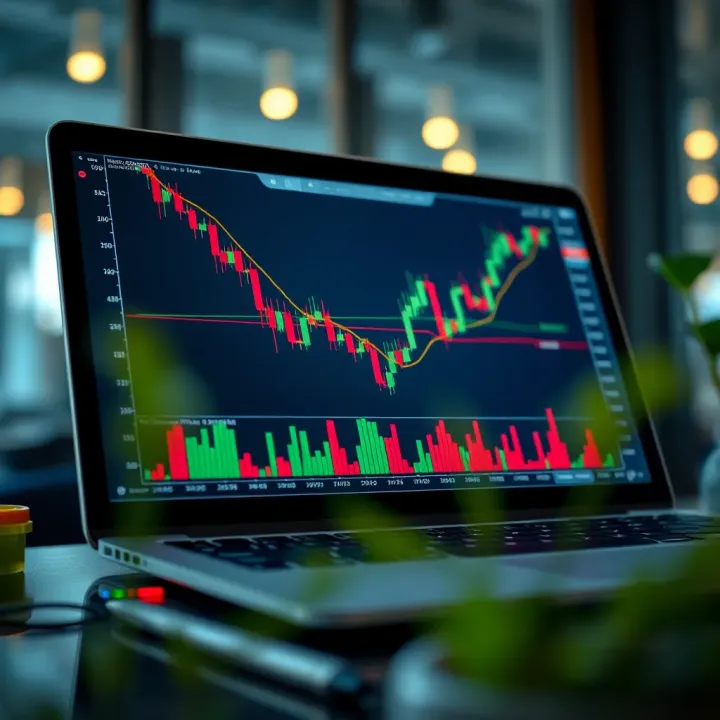
Using charts and indicators makes it easier to spot price movements and potential turning points. Popular tools like moving averages, Relative Strength Index (RSI), and Fibonacci retracements provide clues about trends and market momentum. As an example, a rising moving average might signal an uptrend, encouraging you to consider buy positions, while RSI helps identify overbought or oversold markets.
Common chart patterns and trends serve as the trader’s map for likely future price action. Patterns such as head and shoulders, double tops, or flags predict reversals or continuations. Likewise, recognising whether a currency pair is trending or ranging guides your strategy. For instance, if the USD/KES pair is forming a double bottom pattern, this could indicate a potential upward reversal, a cue to prepare for a buy trade.
Starting with these strategies equips you with tools to read the market better and reduces guesswork.
By blending fundamental cues with technical insights, beginners can make more informed decisions, avoiding traps that cost money in forex trading.
Risk management is at the heart of successful forex trading. Without clear strategies to protect your investment, even the most promising opportunities can swiftly turn into losses. In Kenya, where many are starting their trading journey, managing risks is vital to avoid wiping out your capital on volatile market moves. It means planning how much you’re willing to lose on each trade and sticking to that limit no matter what.
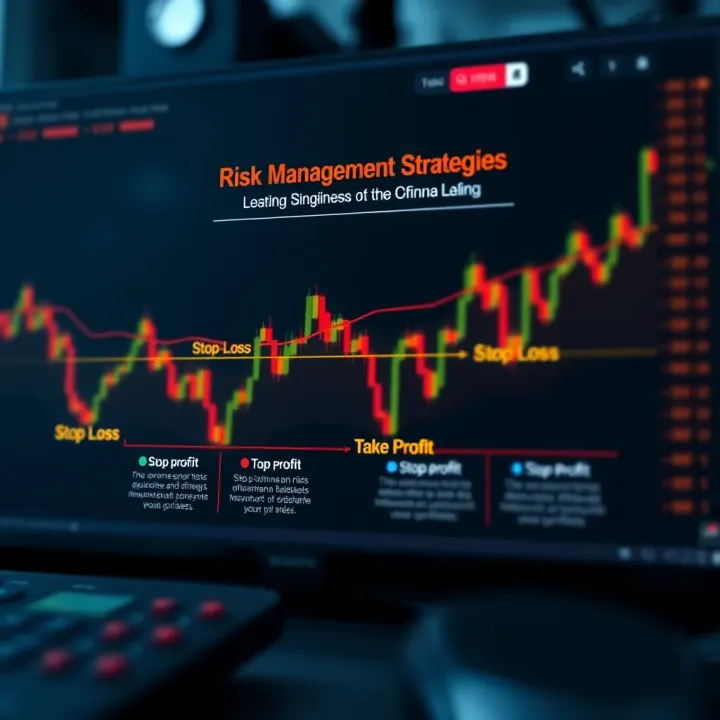
Stop losses and take profits are essential tools in controlling risk and securing gains. A stop loss automatically closes your trade when the price moves against you by a set amount, preventing losses from becoming overwhelming. For example, if you buy USD/KES at 110 and place a stop loss at 109, your trade closes when the price hits 109, protecting you from further decline. Take profits work the same way but lock in your gains once the price reaches a target.
Using these orders makes trading less stressful by reducing reliance on constant market watching and helps you avoid emotional reactions. It’s wise to set stop losses based on how much capital you can afford to lose and resistance or support levels seen on charts.
Position sizing means figuring out how many units of a currency pair to trade, based on your risk limit and account balance. It’s a straightforward way to avoid risking too much on a single trade. For instance, if you have KS00,000 in your account and are willing to risk 2% per trade, that’s KS,000 at risk. If your stop loss distance equals 50 pips, you calculate how many units align to losing only KS,000 if the trade hits your stop.
This calculation prevents oversizing trades, which can quickly eat into your funds during a losing streak. Many brokers’ platforms offer calculators for this, but it’s helpful to understand the principle so you trade responsibly.
A common pitfall new traders face is overtrading—entering too many trades in a short period or increasing position sizes impulsively. This behaviour often comes from chasing losses or excitement, which usually leads to bigger losses. Forex markets can be tempting, but patience wins in the long run.
Emotional decisions undermine your strategy. Imagine a trader who continuously adds trades after a few losses trying to recover fast but ends up wiping their account. To protect yourself, develop a trading plan and stick to it. Set limits on daily trades and review your performance calmly.
Forex markets react to global news and economic reports, so ignoring them can blindside your trades. For example, a sudden interest rate change by the Central Bank can move the Kenyan shilling sharply against the dollar. If you only rely on charts without checking news, you miss key reasons behind market moves.
Stay updated with reliable news sources and understand scheduled economic releases to trade smartly. Combining technical analysis with fundamental news gives a fuller market picture, reducing risky surprises and improving your chances of success.
Good risk management isn't about avoiding losses entirely; it's about keeping losses small so that profits can grow steadily.
Managing your risks properly and avoiding rookie mistakes helps build strong foundations in forex trading. It safeguards your capital, making it possible to trade confidently and grow your investments over time.
Learning forex trading is not a one-off task; it’s a continuous process. The forex market changes daily, influenced by global events, economic shifts, and local developments. Keeping your knowledge fresh through useful resources helps you stay sharp and make smarter trading decisions. This section highlights how reliable guides and an active support community in Kenya can boost your forex journey.
Finding trustworthy forex PDFs and guides online can be a real help, especially when you're just starting. Many reputable websites, trading academies, and brokers offer free or affordable downloadable materials designed for beginners. Choose resources from well-known sources like established Kenyan brokers or international forex educators who explain concepts clearly and provide practical examples.
Features such as up-to-date market analysis, clear explanations of trading strategies, and easy-to-follow exercises matter a great deal. A good forex guide should explain key terms like pips, leverage, and margin in simple language and use examples relevant to Kenyan traders— say, demonstrating how to deposit funds using M-Pesa or illustrating currency pair dynamics involving the Kenyan shilling (KES). Guides that also show charts and step-by-step instructions for placing trades make it easier to grasp complex ideas.
Joining local forums and social media groups focused on forex trading can open doors to practical advice and peer support. Kenyan traders often share tips, warn about scam brokers, and discuss how local events like the budget speech or elections affect currency movements. Active communities on platforms such as Facebook or dedicated Kenyan trading forums are great places to ask questions and learn from others’ experiences.
Besides online groups, webinars and free courses offered by Kenyan brokers and trading educators provide hands-on learning without extra cost. These sessions cover everything from basic chart reading to advanced risk management techniques. Participating in webinars lets you ask live questions and connect with both experts and fellow traders. Many courses also include downloadable materials that reinforce what you learn.
Staying connected with current resources and a supportive trading community is not just about gaining knowledge but also about building confidence to trade smartly and responsibly in the ever-changing forex market.
In summary, tap into trusted online PDFs, guides, and a local trader community to keep improving your skills. This approach makes your forex trading in Kenya more informed and adaptable to new challenges.
Discover the best trading apps in Kenya 📱 to trade shares, forex & crypto safely. Learn about features, regulation & tips for smarter investing in the local market.
📈 Master forex trading in Kenya with this detailed guide covering market basics, risk management, strategies & where to find trusted full-course PDFs. Start smart!
Discover top forex courses in Kenya 🇰🇪 that teach you essential skills, course types, and how to pick the best one for successful trading. Start smart today! 📈

📊 Ready to dive into crypto trading in Kenya? This practical guide breaks down key steps, strategies, risks, and legal tips to trade confidently.
Based on 11 reviews