

Cryptocurrency Trading Guide for Kenya
📊 Ready to dive into crypto trading in Kenya? This practical guide breaks down key steps, strategies, risks, and legal tips to trade confidently.
Edited By
James Whitmore
Forex trading offers an accessible way for Kenyans to engage with global financial markets. Unlike stock trading, forex involves exchanging currencies, where traders speculate on the value differences between pairs like USD/KES (US Dollar to Kenyan Shilling) or EUR/USD (Euro to US Dollar). Understanding forex basics can help you avoid costly mistakes common among beginners.
The forex market operates 24 hours a day during weekdays, allowing you to trade at times that suit Nairobi’s time zone (East Africa Time, UTC+3). This flexibility is great if you juggle work or other commitments. However, with great opportunity comes risk — without solid knowledge and tactics, you could lose your hard-earned KSh.

Start with the basics: learn essential terms like "pips" (the smallest price movement), "lots" (trade sizes), and "leverage" (borrowed funds to increase position size). Knowing these concepts upfront will guide your trading decisions.
Kenyan traders should also keep in mind the local financial setup. For instance, most brokers require deposits in USD or other stable currencies, but you’ll normally fund your account using M-Pesa or bank transfers in KSh. Exchange rates and transfer fees can impact profitability, so watch the numbers closely.
To help you get started, many trusted full-course PDFs are available online for comprehensive forex training. These usually cover everything from market mechanics and analysis methods to risk control and trading psychology. Look for courses that cite Kenyan market conditions or at least consider the region’s economic factors.
A practical approach includes:
Setting realistic goals based on your available capital and risk tolerance.
Starting with a demo account to practice without real money.
Keeping a trading journal to track wins, losses, and lessons.
Trading strategies range from scalping—making quick trades for small gains—to swing trading, which targets larger price moves over days or weeks. Each has pros and cons, so find one that matches your style and schedule.
With patience and consistent learning, forex trading in Kenya can become a reliable income source. The key is to combine solid theory, practical use of resources like full-course PDFs, and attention to Kenya’s financial environment.
Forex trading remains one of the largest financial markets globally, offering immense opportunities for Kenyan traders. Grasping its basics is vital to avoid costly mistakes and build a strong foundation. Knowing what forex trading entails, how currency pairs work, and the nature of the market helps traders make informed decisions rather than rely on guesswork.
Definition and global significance
Forex trading is the buying and selling of currencies against each other in what is known as the foreign exchange market. This market facilitates international trade and investments by allowing currencies to be exchanged, impacting everything from imports and exports to tourism and remittances. Globally, it is the most traded market, moving about $6 trillion daily, demonstrating its scale and liquidity.
Currency pairs and how they work
Currencies are always traded in pairs, such as USD/KES (US Dollar to Kenyan Shilling) or EUR/USD (Euro to US Dollar). Each pair indicates how much of the quote currency (the second one) is needed to buy one unit of the base currency (the first one). For instance, if USD/KES is 110, that means 110 Kenyan shillings buy 1 US dollar. Traders speculate on whether this rate will rise or fall to make profits.
Difference between spot and forward markets
The spot market deals with the immediate exchange of currencies at the current rate, settled usually within two business days. This suits traders wanting quick transactions or payments for goods and services. On the other hand, the forward market involves agreements to exchange currencies at a specified rate on a future date. This helps businesses hedge against currency fluctuations, safeguarding profits when importing goods from abroad.
Market participants and roles
The forex market includes commercial banks, central banks like the Central Bank of Kenya (CBK), hedge funds, corporations, and retail traders. For example, Kenyan exporters may convert foreign earnings to shillings, while speculators aim to profit from price changes. Central banks intervene occasionally to stabilise their currency’s value, which can affect market trends significantly.
Trading hours and sessions
Forex trading runs 24 hours a day during weekdays, thanks to global time zones. The market opens in Sydney, moves to Tokyo, then London, and finally New York. Kenyan traders find the London and New York sessions most active, offering higher liquidity and volatility which create more trading opportunities. Understanding these sessions helps decide when to be most active and when to avoid trading due to low activity.
Liquidity and volatility factors
Liquidity refers to how easily currencies can be bought or sold without affecting their price. Major pairs like USD/KES or EUR/USD usually have high liquidity, meaning tighter spreads and lower costs. Volatility indicates how much prices move within a period. Although volatility offers profit chances, it also increases risk. For instance, political events in Kenya or US economic reports can cause sudden currency swings that affect trades.
Starting forex trading without understanding its basics is like trying to navigate Nairobi’s matatu routes without a map — you may eventually get somewhere but expect plenty of bumps along the way.
By understanding these fundamental aspects, Kenyan traders can approach forex trading with better clarity, improving their chances to trade confidently and successfully.
Every forex trader needs a solid grasp of certain key concepts before stepping into the market. These basics form the backbone of successful trading by helping you understand how the market moves, manage your trades wisely, and evaluate risks effectively. The concepts of pips, lots, leverage, charts, and technical indicators may seem technical at first, but grasping them well brings a clear edge when trading in Kenya's forex scene.
A pip stands for "percentage in point" and it measures the smallest price movement in a forex pair. For most currency pairs, a pip is 0.0001 of the exchange rate. For example, if the USD/KES pair moves from 110.25 to 110.26, that's a one-pip change. Knowing how to count pips lets you calculate gains or losses precisely.
In practice, traders use pips to set stop-loss or take-profit levels, ensuring they lock in profits or limit losses according to planned risk.
A lot represents the number of currency units you are trading. The standard lot is 100,000 units, but for Kenyan traders with smaller capital, mini lots (10,000 units) or micro lots (1,000 units) are better suited.
Calculating your lot size depends on how much risk you can tolerate in each trade. For instance, risking 1% of a KSh 100,000 account means your trade size shouldn’t expose you to a loss greater than KSh 1,000. Matching lot sizes to your financial capacity helps avoid blowing your account in volatile markets.
Leverage magnifies your buying power by letting you control a larger position with a smaller deposit. Kenyan brokers often offer leverage ratios of up to 1:100 or even 1:200. While this increases potential profits, it also raises risks.
For example, with 1:100 leverage, a KSh 10,000 deposit controls KSh 1,000,000 in the market. If the market moves against you, losses multiply just as quickly. Good traders keep leverage low and use it carefully to protect their capital.
Charts visually represent currency price movements over time, helping traders make sense of past and current trends. Line charts connect closing prices to show an overall direction but lack detail. Bar charts add information like opening, high, and low prices. Candlestick charts go further, using colour-coded bodies that tell if prices rose or fell within a timeframe.
Candlestick charts are popular in Kenya because their visual signals suit traders spotting quick reversals or continuation patterns.

Technical indicators like Moving Averages (MA), Relative Strength Index (RSI), and Bollinger Bands help identify momentum, overbought or oversold conditions, and price volatility. For instance, an RSI above 70 suggests a currency pair might be overbought and ready for a pullback.
Using indicators helps reduce guesswork by highlighting signals based on price and volume data.
Trends show the general price direction—upward, downward, or sideways. Recognising them early increases your chances of riding profitable moves. For example, higher highs and higher lows usually mean an uptrend. Kenyan traders watching the USD/KES pair may spot such trends during times when the Central Bank adjusts interest rates or foreign exchange reserves impact liquidity.
Charts combined with trendlines and support/resistance zones guide entry or exit points, helping you trade with the market’s momentum rather than against it.
Mastering these key concepts lays a strong foundation for any forex trader. They don’t just help with making trades but also build the discipline and understanding required to navigate Kenya’s dynamic forex market.
Understanding effective trading strategies is vital for beginners entering the forex market. These strategies guide your decision-making, helping you identify good trades while managing risks. Without a clear strategy, it’s easy to make costly mistakes, especially given the fast-moving forex environment. Kenyan traders benefit most from approaches grounded in practical application and risk control.
Scalping involves making many quick trades, aiming to profit from small price movements. This style suits traders who can monitor the charts constantly throughout the day. It requires strict discipline, as losses can pile up fast if you aren’t careful. For example, a scalper might aim to buy and sell EUR/USD within minutes, capturing just a few pips per trade. The advantage is frequent opportunities, but it demands strong focus and quick reflexes, which can be challenging alongside other daily commitments in Kenya.
Day trading means opening and closing trades within the same trading day to avoid overnight risk. Kenyan traders using this style watch for short-term trends and news affecting currency pairs like USD/KES or EUR/USD. It offers a balance between scalping’s intensity and longer-term trading. With internet connectivity improving, many local traders use mobile apps to execute day trades during key sessions, such as the London or New York market hours. The approach reduces exposure to overnight market swings, which can be unpredictable.
Swing trading holds positions from several days up to weeks, focusing on capturing larger market moves. Position trading lasts even longer, based on fundamental factors rather than short-term price changes. For Kenyan traders, this suits those with less time to monitor every hour’s chart. For example, if the Kenyan shilling weakens due to trade deficits, a position trader might take a long-term short on KES pairs expecting further decline. These styles require patience and a strong understanding of market fundamentals.
These involve identifying and trading in the direction of the current market trend, whether up or down. Kenyan traders can use moving averages or trend lines on charts to spot confirmed trends, then enter trades to ride the wave. For instance, if USD/KES is steadily rising over several days, a trend follower buys expecting the rise to continue. This strategy simplifies decision-making and works well with the natural market momentum.
Breakout trading involves entering trades when price moves beyond established support or resistance levels. This indicates a potential strong move in that direction. For example, if EUR/USD has struggled to rise above 1.100, a breakout above this triggers buy signals. Kenyan traders can use this to catch volatility following major economic announcements such as Central Bank of Kenya (CBK) interest rate decisions. Timely breakout trades can lead to significant profits if managed carefully.
Support and resistance levels mark price points where currency pairs usually reverse or stall. Identifying these points helps Kenyan traders decide when to enter or exit trades. For example, if USD/JPY is bouncing off a support level at 110.00, traders might buy there anticipating a price rise. These setups provide clear entry and exit zones, helping limit losses and lock in profits. This approach fits well for those learning to read charts and practising disciplined trading.
Effective trading comes from combining strategies with strict risk control and continuous learning. Kenyans starting out should practise with demo accounts before committing real money.
By understanding your preferred trading style and applying practical strategies like trend-following or breakout methods, you set a solid foundation for forex trading success in Kenya’s dynamic market.
Protecting your capital is the backbone of successful forex trading. Without proper risk management, even the best strategies can fail. In Kenya's fast-paced trading environment, where market conditions can shift quickly, keeping losses small is vital to stay in the game long term. By managing risk effectively, you ensure your trading activity is sustainable rather than a short-lived hustle.
Setting stop-loss and take-profit points helps you take control of your trades before emotions kick in. A stop-loss automatically exits a position once losses hit a certain level, while a take-profit closes the trade at a predefined profit point. For example, if you enter a trade with KS0,000 risk tolerance, setting your stop-loss at 2% means you won't lose more than KS00. This protects your capital from sudden market swings and avoids getting caught in bad trades for too long.
Position sizing according to risk tolerance means deciding how much to trade based on your total capital and appetite for losses. If your trading account holds KS00,000 and you decide to risk 1% per trade, your maximum loss per trade is KS,000. Position size adjusts with the stop-loss distance—if your stop-loss is 50 pips, trading size must match the risk limit. This method prevents blowing your account on one bad trade and encourages steady growth.
Avoiding overtrading and emotional decisions is about discipline more than skill. Trading too often or on gut feelings leads to poor choices and heightened losses. Kenyan traders sometimes fall into this trap, especially with easy access through mobile platforms like MetaTrader or Pocket Option. Staying patient, sticking to your plan, and ignoring temptations to chase losses reduces emotional impulses and locks in consistent results.
Importance of discipline and consistency cannot be overstated. A trading plan guides what trades to take, risk levels, and how to react to market changes. Following the plan builds good habits, ensuring you don't make random bets or get swayed by short-term news like shilling fluctuations or political events. Kenyan traders who keep to a plan often outperform those relying on guesswork.
Tracking and reviewing performance lets you learn what works and where mistakes creep in. Keeping a trading journal with entries on entry price, exit price, reason for trade, and outcome reveals useful patterns. Over months, you’ll spot strengths to build on and weaknesses to correct. This habit develops your skills and confidence, essential for competing at NSE or global forex levels.
Adjusting the plan over time means staying flexible. Markets change, new economic reports emerge, and your personal circumstances may shift. Regular reviews help you tweak entry rules, stop losses, or position sizes. For example, if you find you handle risk better than expected, you might increase position sizes cautiously. Conversely, during uncertain times like election seasons, pulling back can save capital. Always let real-world results steer your updates.
Managing risk is not just about protecting money. It’s about keeping your trading journey alive and sustainable in Kenya’s dynamic forex market.
By mastering risk principles and creating a robust trading plan, you equip yourself to navigate the ups and downs of forex trading with confidence and control.
Accessing reliable forex trading full course PDFs is key for anyone serious about learning the ropes efficiently. These documents offer structured knowledge, often condensing years of experience and market wisdom into a format you can study anywhere, even without continuous internet access. For Kenyan traders, the availability of trustworthy resources online or locally can make a big difference in understanding market dynamics and avoiding costly mistakes.
Trusted websites and forex education platforms usually host free or paid full course PDFs designed by experienced traders and educators. Platforms like BabyPips, Investopedia, and FXStreet provide well-rounded materials suitable for beginners to advanced learners. Many of these are recognised worldwide and updated regularly to reflect changing market conditions. Accessing courses from such sites ensures you learn tested strategies and market principles rather than guesswork.
Local Kenyan resources and training centres are equally important. Institutions in Nairobi, Mombasa, and Kisumu often run forex trading workshops and seminars where course PDFs and printed materials complement classroom learning. Organisations such as the Nairobi Securities Exchange (NSE) occasionally sponsor trading education, while private training centres offer tailored materials suited to local regulatory frameworks and market realities. Using these local resources helps you understand how forex trading factors into Kenya’s economic landscape.
Verifying credibility of course content is crucial to avoid wasting time or falling prey to scams. Check for authorship by certified traders or respected financial institutions. Look out for endorsements from regulators like the Capital Markets Authority (CMA) Kenya or testimonials from known Kenyan forex communities. Avoid courses that promise unrealistic returns or lack clear, updated publication dates. Reliable PDFs clearly cite sources and explain concepts with transparency.
Scheduling study and practice sessions keeps your learning on track. Allocate fixed time blocks daily or weekly to review chapters and practise new concepts. Consistency beats cramming, especially for complicated topics like leverage and technical analysis. For instance, dedicating 30 minutes a day to study after work can help you retain information better than trying to learn everything in a weekend.
Taking notes and summarising key points improves retention and allows quick revision. Use margins or a separate notebook to jot down examples relevant to your trading style or market conditions in Kenya. Summarising chapters into bullet points or mind maps also makes it easier to revisit critical ideas without rereading the whole PDF.
Combining theory with practical demo accounts bridges the gap between knowledge and real experience. Most brokers in Kenya offer demo accounts where you trade with virtual money. Apply strategies learned from the PDFs in these accounts to test their effectiveness without risking your capital. This combination is particularly helpful for spotting how news events and volatility affect currency pairs before you step into live trading.
Consistent study with credible forex course PDFs paired with practical demo trading sets a solid foundation for any Kenyan trader wanting to grow confidently and wisely in the foreign exchange market.
Taking the first steps into forex trading in Kenya requires careful planning and understanding of the local market environment. This section lays out practical aspects such as choosing a reliable broker, setting up trading accounts, and using the right platforms—all tailored to Kenyan traders’ needs. These steps are vital because they help ensure your trading activities are safe, compliant with regulations, and supported by technology accessible within Kenya.
Before depositing any funds, Kenyan traders must consider regulatory compliance. The Capital Markets Authority (CMA) regulates forex brokers in Kenya to protect investors and maintain market integrity. Only brokers licensed or approved by the CMA should be trusted. For example, some brokers operate internationally but lack CMA approval, which could pose risks such as difficulty withdrawing funds or lack of consumer protection.
Several reputable brokers operate in Kenya, offering services adjusted to Kenyan traders. Names like HotForex, XM, and FXTM have gained popularity due to their solid reputations and accessibility. These brokers provide platforms geared towards all levels of traders, from beginners to advanced, with educational resources and support tailored to Kenyan time zones and trading habits.
When it comes to funding your trading account, brokers often provide several options, but the availability of mobile money payments like M-Pesa is a significant convenience for Kenyan traders. Using M-Pesa, traders can deposit and withdraw funds quickly and securely without needing a local bank account. Account types vary—from standard and mini accounts to Islamic (Swap-Free) accounts—allowing traders to pick options that suit their capital and trading preferences.
MetaTrader 4 (MT4) and MetaTrader 5 (MT5) remain the most popular trading platforms globally and in Kenya. MT4 offers a user-friendly interface with essential analytical tools suitable for beginners, while MT5 presents more advanced features including additional timeframes and order types. Both allow automated trading through Expert Advisors, which some Kenyan traders use to follow specific strategies without constant manual input.
Mobile trading apps are essential for Kenyan traders who need flexibility and constant market access. Brokers typically offer mobile versions compatible with Android and iOS devices. For instance, the MT4 and MT5 apps enable charting and trade execution on the go. Other apps like TradingView also support social sharing of analysis, helping users learn from the community.
When choosing a platform, Kenyan traders should look for features such as:
Ease of deposit and withdrawal, especially supporting M-Pesa
Real-time price quotes and fast execution
Built-in risk management tools like stop-loss and take-profit orders
Charting tools with customizable indicators
Secure login and account management
Selecting the right broker and platform can make the difference between a frustrating experience and a smooth start in forex trading. The systems should fit your trading style and the Kenyan financial ecosystem.
With these practical steps in place, Kenyan traders can start their forex journey equipped with the right accounts, secure funding paths, and user-friendly platforms that help them trade confidently and consistently.
Trading forex in Kenya has its hurdles beyond understanding charts and strategies. Many traders face psychological barriers and a steep learning curve, which can weigh heavily on their ability to stay consistent and profitable. This section tackles common mental and community challenges Kenyan traders often face and shares practical advice to keep your trading on track.
Losses are part of forex trading, but how you respond to them makes all the difference. Stress from losing trades can cloud judgment and lead to impulsive decisions, like revenge trading or overleveraging accounts. For example, a trader who loses KSh 10,000 might rush to recover it by placing risky bets without proper analysis. Managing stress means setting realistic expectations and using tools like stop-loss orders to limit losses. Taking breaks and not trading when emotionally rattled can help keep your mind clear.
Greed tempts many traders to hold onto winning positions too long or increase trade size beyond their means. Conversely, fear might cause premature exits or avoidance of opportunities. A Kenyan trader who spots a rising USD/KES pair might hesitate to enter due to fear of sudden reversals, missing profits. Recognising these emotions means practising discipline and sticking to your trading plan regardless of swings in the market. It's about balancing ambition with caution for steady growth.
Gaining confidence takes time and experience, especially for new traders. Demo accounts simulate real trading without risking real money, allowing you to test strategies in the Nairobi Securities Exchange (NSE) market hours. For example, practising with KCB's demo platforms can build familiarity with tools and market behaviour. Regularly reviewing your trades helps spot mistakes and improve decision-making. Confidence grows not from luck but from consistent learning and self-awareness.
Kenyan traders benefit enormously from community learning. Forums and local groups create spaces for exchanging ideas, sharing alerts, and discussing market trends specific to the shilling and regional economic news. Being part of groups in Nairobi or Mombasa also provides moral support, helping traders stay motivated when facing setbacks.
Webinars hosted by established brokers like FXPesa or local financial institutions offer up-to-date market insights and trading techniques relevant to East Africa's markets. Kenyan traders can also subscribe to daily reports from brokers or financial media to track forex fluctuations related to global events. This ongoing education keeps your strategies sharp.
Mentorship or simply following seasoned traders can provide valuable lessons that no textbook offers. Experienced traders understand local challenges like liquidity variations during the long rains or policy changes by the Central Bank of Kenya (CBK). They share practical tips on handling these issues, enabling novices to avoid common pitfalls and adapt faster.
Tackling psychological barriers and staying connected to a learning community are just as vital as technical skills. With the right mindset and support, Kenyan traders can improve their chances of consistent success in forex trading.
📊 Ready to dive into crypto trading in Kenya? This practical guide breaks down key steps, strategies, risks, and legal tips to trade confidently.

📊 A practical guide for Kenyan investors on crypto trading: learn key strategies, market analysis, top platforms, risk management, and rules for safe trades.
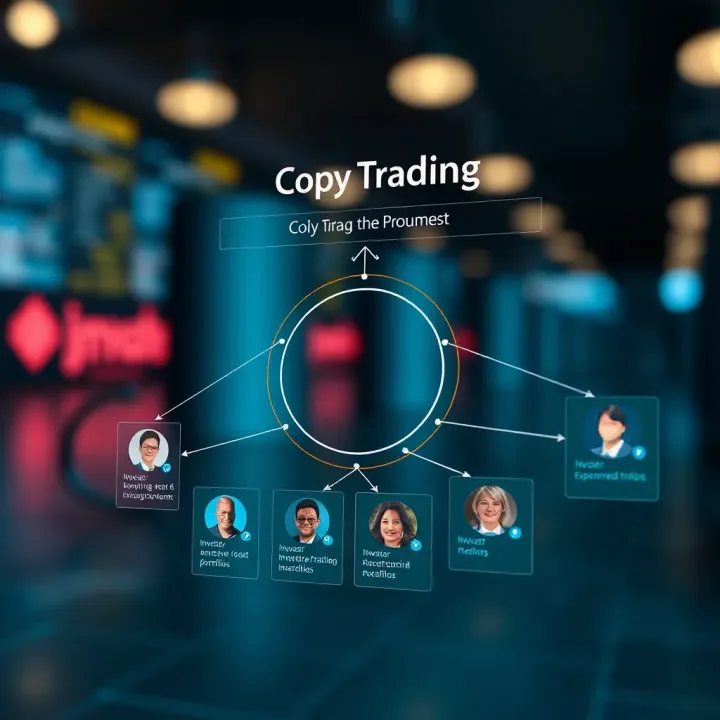
📈 Discover how copy trading works, its pros and cons, plus tips on choosing the right traders and platforms to help Kenyan investors grow wisely.

Explore binary trading in Kenya 🇰🇪—learn how it works, key risks, regulations, top platforms, payment options, and smart strategies to succeed 💹
Based on 9 reviews