

Understanding Deriv Trading for Kenyan Traders
Explore Deriv trading in Kenya 📈! Learn platform features, trade types, risk strategies & expert tips to trade smartly and safely. Start with confidence! 💼
Edited By
Isabella Green
Trading signals are essential tools that guide investors in making decisions in financial markets. These signals act like road signs, indicating when to buy, sell, or hold an asset such as stocks, forex, or commodities. Kenyan investors can benefit from understanding these signals to improve their trading outcomes, especially in markets that can be quite volatile.
A trading signal is typically based on technical analysis, fundamental data, or sometimes a mix of both. For example, a signal might arise when a stock price crosses its 50-day moving average, hinting at a possible upward trend. Alternatively, a signal can come from news affecting market conditions, such as changes in the Central Bank of Kenya’s interest rates impacting the forex market.
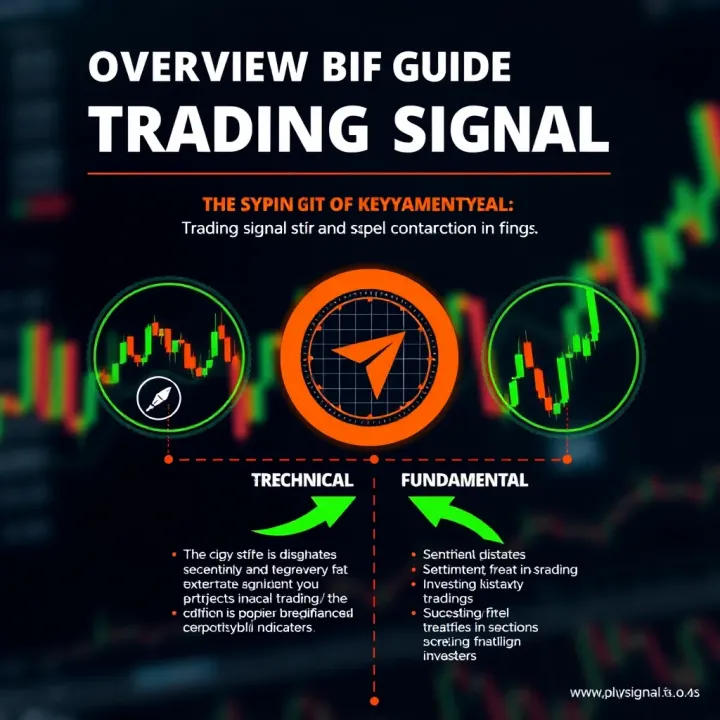
There are several types of trading signals worth knowing:
Trend-following signals: These indicate the direction of a market trend, helping traders join the momentum early.
Oscillator signals: Used to spot overbought or oversold conditions, suggesting when a price might reverse.
Volume-based signals: They look at trading activity intensity to confirm the strength of a price move.
Effective use of trading signals requires understanding their context and limitations. Relying blindly on signals without considering broader economic or market conditions can lead to losses.
Many Kenyan traders use platforms like MetaTrader or local brokerage services that provide trading signals integrated into charts. For instance, when trading forex, a signal might suggest entering a USD/KES position after a breakout, but it’s wise to confirm this with other market factors such as political stability or inflation trends.
In practice, combining multiple signals and testing them against past market behaviour can form a more reliable strategy. Always pair signals with sound money management techniques to guard your capital.
Understanding how these signals work, the types available, and their practical use will help you make informed choices rather than guesswork. Trading is not about luck; it’s about systems and disciplined execution, and trading signals are part of the toolkit to improve your chances.
By grasping these basics, you can approach trading more confidently and avoid common pitfalls that affect many beginners in Kenya’s financial markets.
Trading signals help investors decide when to buy or sell assets like stocks, forex, or commodities. They act as alerts or tips, based on specific market data or analysis, showing possible profitable moments to enter or exit trades. In the Kenyan context, where many traders use mobile platforms and apps, understanding how signals work lets you avoid guesswork and make smarter moves with your investment.
Signals can come from various sources — some are generated manually by experienced traders or analysts studying charts and news, while others are automated by software running pre-set rules. Both types offer insights, but knowing their origin helps you judge their reliability and how they fit your trading style.
Trading signals simplify complex market information into clear advice on when to buy or sell. For example, a signal might indicate that a stock listed on the Nairobi Securities Exchange (NSE) is trending upwards and worth buying, or that a forex pair like USD/KES is reaching a resistance level, suggesting a sell position might protect your capital. This practical guide helps minimise emotional decisions by offering data-driven cues.
Manual signals come from experts interpreting market conditions using charts, news, and economic events. For instance, a seasoned trader in Nairobi might spot an earnings report prompting a buying opportunity and share this insight through a signal service. Automated signals, on the other hand, are generated by algorithms programmed to detect specific patterns or indicator values—such as moving average crossovers or RSI levels—sending instant alerts to subscribers. Both have merits; manual signals can factor-in news nuances, while automated ones provide speed and consistency.
Traders rely on signals to pinpoint when to enter or exit a market. Suppose a signal shows that the 50-day moving average of Safaricom’s shares has crossed above the 200-day average—a classic golden cross—this might suggest a strong buy momentum. Conversely, a signal indicating an overbought condition might warn of a good exit point before prices drop. Using these signals helps traders avoid missing out or holding losing positions longer than necessary.
Though trading signals direct attention to potential moves, successful investors combine them with their own analysis. For example, you might check economic indicators like CBK interest rate announcements or review company fundamentals alongside signals. This extra step helps verify signals and tailor trades to your risk appetite and the Kenyan market’s specifics. In other words, you don’t have to follow signals blindly; instead, use them as part of a broader toolkit to trade confidently.
Trading signals are valuable guides, but pairing them with your market knowledge and a clear strategy increases your chances of success in Kenya’s vibrant and sometimes volatile investment scene.
In short, understanding what trading signals are and how they work lets you make informed choices, minimise risks, and keep up with fast-moving markets whether you’re trading NSE stocks, forex pairs like USD/KES, or commodities such as tea and coffee futures.
Trading signals help investors identify when to buy or sell assets. They come in various forms, each based on different market factors. Understanding these types can help Kenyan traders make smarter decisions, especially when navigating local and international markets.
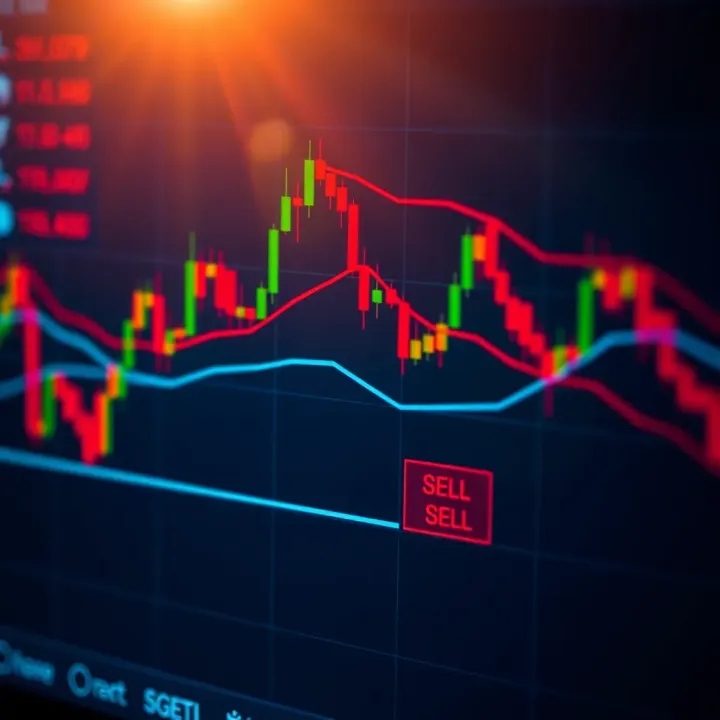
Moving averages and trend indicators are key tools in technical trading. A moving average smooths out price data over a specific period, showing the general direction of an asset’s movement. For example, a 50-day moving average tracks the average price over the last 50 days, helping to spot trends. If the price rises above this average, it might signal a buying opportunity. On the flip side, crossing below could suggest selling.
Trend indicators like the Relative Strength Index (RSI) or Moving Average Convergence Divergence (MACD) help determine the strength and momentum of these movements. For instance, RSI identifies overbought or oversold conditions, indicating potential price reversals. Kenyan traders often use these when trading NSE stocks or forex pairs like USD/KES to time their moves.
Support and resistance levels mark price points where an asset tends to stop and reverse. Support is where buying pressure usually stops the price from falling further, while resistance is where selling pressure caps price increases. Imagine the price as water filling a container; the levels define the container’s edges. If the price breaks above a resistance level, it may continue rising, signalling a potential entry point. Similarly, a drop below support could warn of further declines.
For example, if Safaricom shares face resistance at KSh 40 but break past it with strong volume, it might signal traders to buy. Knowing these levels helps investors avoid buying too high or selling too low, which is essential in markets with sudden changes caused by local events or global shifts.
Earnings reports and economic data are core to fundamental signals. Quarterly earnings from companies listed on the Nairobi Securities Exchange show financial health and growth potential. Better-than-expected profits might push share prices up, while poor earnings can cause declines. Kenyan investors keen on fundamentals watch reports from companies like KCB Group or Equity Bank closely.
On the wider scale, economic indicators such as Kenya’s GDP growth, inflation rates, or Central Bank of Kenya (CBK) policy changes influence market sentiment. For example, a surprise interest rate cut by CBK might encourage more borrowing and investment, pushing stock prices higher. Traders who monitor these figures can anticipate market swings and position themselves accordingly.
News and geopolitical influences also sway asset prices. Political stability, policy announcements, or regional developments in East Africa affect investor confidence. Consider the impact of election outcomes or trade negotiations within the East African Community (EAC). Good news can boost markets, while uncertainty or conflict can prompt sell-offs.
For instance, news of improved infrastructure projects or trade deals can lift specific sectors like construction or manufacturing. Kenyan investors who stay updated through reliable news sources can react swiftly, using these signals to manage risks or seize opportunities.
Market sentiment indicators measure overall investor mood—whether optimistic or pessimistic. Tools like the Put-Call ratio or volatility indexes gauge fear or confidence in markets. If sentiment is overly bullish, prices might be due for a correction; if bearish, a rebound could be near.
In Kenya, sentiment can shift quickly due to local events like currency fluctuations or fuel price changes. Traders who track social sentiment on forums or financial news can gain an edge, combining these insights with other analysis.
Trade volume shifts reflect the number of shares or contracts traded and signal the strength of price moves. Rising volume alongside a price increase suggests strong buyer interest, confirming a trend. Conversely, low volume during a price rise may indicate a weak or temporary move.
For example, if Safaricom shares rally on high volume, it confirms strong demand, making the signal more trustworthy. Kenyan investors particularly watch volume because local market liquidity can vary, and volume provides clues about the reliability of price changes.
Understanding these common signals equips investors to read the market better and make informed choices. Combining technical, fundamental, and sentiment signals helps cut through noise, especially in Kenya’s evolving financial landscape.
Access to reliable trading signals is key for investors in Kenya who want to make timely and informed decisions in the financial markets. While signals provide guidance on when to buy or sell assets like stocks or forex, getting these signals from trustworthy sources and using them with the right tools makes all the difference. Kenyan investors must know where to find dependable signals and how to use them effectively with platforms or apps that suit local payment methods and tech availability.
Many established brokerage firms operating in Kenya now offer trading signals as part of their service package. These signals usually come automated from technical analysis algorithms or expert trader teams integrated into their platforms. For example, brokers such as IG Kenya and EGM Securities provide clients with daily signals on forex pairs and blue-chip NSE stocks. The benefit of using broker-provided signals is the convenience of having one-stop access to trading execution and signal alerts in the same account. It also reduces the risk of dealing with unverified providers.
Kenyan traders should, however, vet the credibility of the brokerage and check if these signals align with their trading goals. Some brokers may offer signal subscriptions at varying costs, so understanding the fee structure is important before subscribing.
Apart from brokers, there are independent signal providers who share trading ideas via newsletters, apps, or websites. In Kenya, social trading networks like eToro or ZuluTrade have growing user bases. These platforms allow investors to follow experienced traders and even copy their trades in real time. This social aspect adds an extra layer of transparency since you can see the track record and strategies of signal gurus.
However, investors should be careful and do their homework to avoid scams. Looking for providers with verifiable performance history and positive user reviews is essential. While these networks offer exciting ways to learn and trade, over-relying on others’ signals without personal analysis can lead to losses.
Many signal providers now accept subscription payments via M-Pesa, Kenya's leading mobile money platform. This payment option has boosted accessibility, letting almost anyone subscribe to premium trading signals without needing a credit card or bank account. Services like Telegram channels or mobile apps that share signals often allow Kenyan subscribers to pay KSh 500, KSh 1,000, or more monthly through Lipa Na M-Pesa.
The convenience of M-Pesa payments means Kenyan traders can access timely signals anytime, even from remote areas with mobile coverage but limited banking infrastructure. This has opened doors for more retail traders to participate actively in stock or forex markets.
Kenyan investors primarily use mobile phones for internet access, so signal providers offering well-designed mobile apps or mobile-friendly websites tend to be more popular. Apps such as MetaTrader 4/5, TradingView, and Investing.com provide real-time charts, alerts, and signal integrations usable on smartphones. These platforms support multiple financial markets including NSE stocks, forex, and CFDs.
Moreover, some local fintech startups are developing Kenya-specific trading tools that accommodate east African market hours and data feeds. Using these platforms ensures smooth navigation, access to relevant market news, and the ability to act quickly on received signals.
Reliable trading signals, combined with local-friendly platforms and payments like M-Pesa, make strategic investing more achievable for Kenyan traders, but always pair signals with your own research and risk management.
When using trading signals in Kenyan markets, it’s wise to understand their risks and limitations. Signals can be helpful guides but should never be the sole reason behind your trading decisions. Knowing the challenges helps you stay cautious and protects your investments.
Signals are not guaranteed predictions. Many new investors assume trading signals offer a sure way to make profits. However, signals are merely indicators based on past patterns or present data. For example, a technical indicator might suggest a stock price will rise, but unforeseen events like political unrest or changes in economic policy can overturn this. Even in Kenya’s Nairobi Securities Exchange (NSE), no signal can perfectly predict market moves.
False positives and lagging indicators. Some signals give false alerts, causing traders to buy or sell at the wrong time. Moving averages, for instance, are lagging indicators; they reflect past prices and often react slowly to new trends. If you rely solely on these without factoring current events or volume changes, you might miss the best entry or exit points. Imagine buying shares after a false signal, only for prices to drop later, leading to losses. Understanding these limits can help you balance signal use with personal judgement.
Recognising unrealistic promises. Some providers claim they have secret systems guaranteeing huge returns, such as doubling your money in days. These are red flags, especially if they demand upfront fees or use high-pressure tactics. In Kenya, where many people are eager to grow their savings, scammers exploit trust and lack of financial literacy. Being skeptical of promises that sound too good to be true can save you from losing KSh thousands or more.
Verifying signal providers in Kenya. Not all signal services are trustworthy. Before subscribing, check the provider’s track record, reviews, and transparency about their methods. Reliable platforms often have regulated brokers or show verifiable past performance. Kenya has increasing regulation in the capital markets through institutions like the Capital Markets Authority (CMA), so look out for licensed entities. Also, ask other traders in forums or local investment groups for recommendations. Taking time to verify can mean the difference between smart investing and falling victim to scams.
Be cautious but open-minded: trading signals are useful tools but demand careful evaluation to avoid pitfalls common in Kenyan financial markets.
By recognising these risks and challenges, Kenyan investors can make more informed choices about when and how to use trading signals effectively. This way, you avoid costly mistakes and build confidence in your trading approach over time.
Trading signals can provide clear cues to buy or sell but relying on them blindly can be risky. To truly benefit, Kenyan investors should blend these signals with their own trading strategies and remain adaptable. By doing so, they build greater confidence and control over their financial decisions in markets that often shift without warning.
Using signals to confirm your analysis
Trading signals serve best as tools to confirm your own market assessment. For instance, if you notice a rising trend in stocks listed on the Nairobi Securities Exchange (NSE) backed by strong quarterly earnings reports, a buy signal from your chosen platform reinforces your timing. Signals can help you avoid acting on gut feelings alone, giving a fresh viewpoint or validating your research-based judgment.
However, signals should not replace your analysis. Always consider indicators such as current economic news, company fundamentals, or local market factors before pulling the trigger. A signal telling you to sell during a widespread market dip—such as during unexpected political unrest—might need more scrutiny than usual.
Adjusting for risk tolerance and market conditions
Each trader’s appetite for risk varies, and your approach to using signals should match this. For example, a conservative investor in Kenya might set stricter criteria for acting on signals, avoiding trades with higher volatility even if the signal looks promising. By contrast, a more aggressive trader may decide to act quickly, anticipating bigger returns but accepting potential losses.
Market conditions also demand flexibility. Signals during stable periods differ from those during Kenya’s rainy season when agricultural stocks might fluctuate more due to weather impact. Adjusting your use of signals to fit the broader economic climate helps prevent costly mistakes.
Backtesting signals before live use
Before trusting trading signals with actual money, it’s wise to backtest them using historical Kenyan market data. This means applying signals to past NSE prices or forex movements to see how they would have performed. If a signal consistently indicated good entry and exit points, it shows promise in your context.
Backtesting guards you against following signals that look good on paper but fail in real conditions. For example, signals that work well in global markets might not suit Kenya’s relatively smaller or less liquid exchanges. Doing this groundwork saves both funds and frustration.
Keeping updated with Kenyan market developments
Markets don't operate in a vacuum. Staying informed about Kenya-specific developments—such as new regulations from the Capital Markets Authority (CMA), election cycles, or trade agreements within the East African Community—can influence how trading signals behave.
Regularly review local financial news, follow updates from brokerage platforms, and consider economic reports from the Kenya National Bureau of Statistics (KNBS). This context allows you to adjust your strategy alongside signals, making your trades smarter and more responsive.
Successful trading in Kenya means combining the power of signals with your own knowledge and staying alert to local market news. This balanced approach limits risks and boosts potential gains.
Explore Deriv trading in Kenya 📈! Learn platform features, trade types, risk strategies & expert tips to trade smartly and safely. Start with confidence! 💼
📊 Discover how demo trading accounts work and why Kenyan traders should use them to practice, understand risks, and prepare before going live 📈

🔍 Discover how binary bots work in automated trading, their benefits, risks, and key points for Kenyan traders interested in binary option automation.
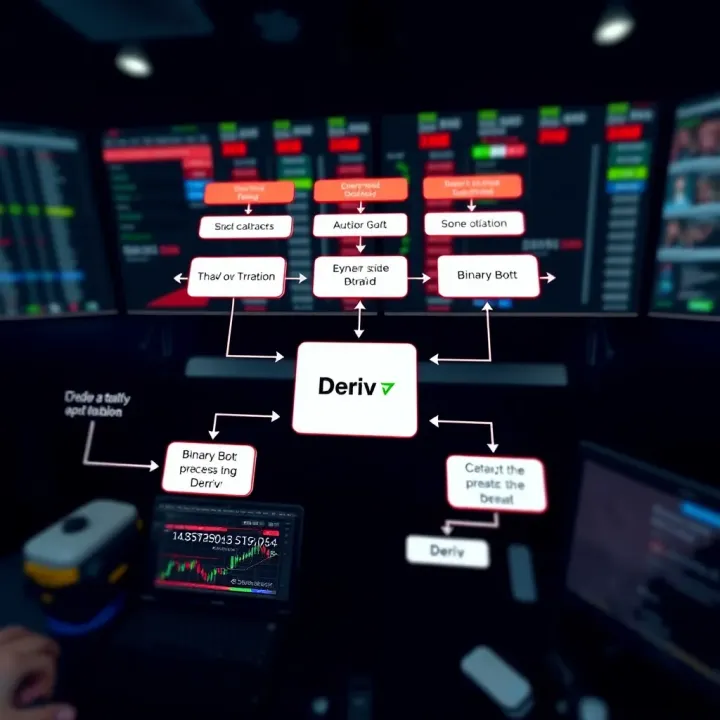
Explore Binary Bot on Deriv—how it works, setup tips, risks, and strategies for Kenyan traders to automate binary options trading with confidence 🤖📈
Based on 12 reviews