

Forex Trading PDFs: A Guide for Kenyan Traders
📘 Discover how Forex trading PDFs can boost your skills with practical steps, key concepts, and trusted sources, tailored for Kenyan traders eager to succeed.
Edited By
Sophia Mitchell
Trading bots have become part of the modern trading experience, especially with the rise of online markets. For Kenyan traders looking to optimise their strategies without heavy upfront costs, free trading bots offer a gateway to automate certain tasks like buying or selling shares, forex pairs, or cryptocurrencies. However, understanding what these bots do and how they operate is key before you start using any.
A trading bot is essentially a software programme designed to execute trades based on specific instructions set by the user. These instructions could include market indicators, price triggers, or timing strategies. By running automatically, bots can handle the market 24/7, reacting quickly to changes better than a human might during off-hours or while multitasking.

That said, free bots often come with limitations compared to paid versions. You might find restrictions on the number of trades, fewer customisation options, or less support for local payment methods like M-Pesa, which matters a lot for Kenyan traders dealing with liquidity and fund transfers.
Many tend to overlook the risks associated with free trading bots. While they may sound appealing, it’s necessary to verify their reliability, security measures, and reputation before committing your funds.
Popular free trading bots accessible to Kenyan traders include 3Commas, CryptoHopper (trial versions), and Freqtrade. These bots support major exchanges like Binance and Coinbase but might not have full integrations with Kenyan platforms or M-Pesa directly, so top-ups and withdrawals usually go through bank or crypto wallets.
When considering a free trading bot, keep these points in mind:
Security: Ensure the bot uses API keys correctly without exposing your account.
Strategy flexibility: Can you set your preferred trading criteria?
Community feedback: Look for reviews from Kenyan and global users.
Payment options: Check if the bot supports your preferred deposit and withdrawal methods.
Using bots responsibly means monitoring them regularly and avoiding overreliance. They are tools to assist your trading, not miracles. Thoughtful setup and ongoing adjustments based on market movements matter a lot.
In summary, free trading bots can help Kenyan traders automate routine activities and explore more trading channels. But a clear grasp of their capabilities and cautious use is the practical way to make the most of these digital assistants without risking your hard-earned shillings.
Using free trading bots can make a big difference, especially for Kenyan traders who want to automate their market activities without spending a lot of money. These software tools automatically place buy and sell orders based on pre-set rules. That means you don’t have to watch the market all day or react to every price change manually. Understanding how these bots function helps you decide whether they fit your trading style and goals.
At the core, a trading bot is a computer program designed to interact with financial exchanges. It follows specific strategies coded in its system to execute trades on your behalf. For example, if you set a rule to buy shares when the price drops by a certain percentage and sell when it rises by another, the bot handles all that automatically. Unlike manual trading, bots can monitor multiple markets and react within seconds, which can be crucial in fast-moving markets like forex or cryptocurrencies.
Automated trading depends on algorithms that analyse market data in real-time. Bots rely on indicators—such as moving averages, volume changes, or price momentum—to decide when to enter or exit trades. When a signal meets the set condition, the bot executes the trade immediately. This process eliminates emotional trading and human errors. For Kenyan traders, integrating automated trading through platforms like Binance or local brokers with APIs (application programming interfaces) can streamline the entire process.
It’s worth noting that while bots speed up trading decisions, they don’t guarantee profits. You still need to understand market trends and set sensible strategies.
Free trading bots usually come with several helpful features that make them user-friendly and effective:
Customisable Strategies: You can programme or choose from built-in trading rules.
Backtesting Capabilities: Test your strategies using historical data before going live.
Real-Time Monitoring: Watch how your trades perform and adjust settings when needed.
Risk Management Tools: Set stop-loss or take-profit levels to control losses and lock gains.
For instance, a free bot like Gekko allows Kenyan traders to backtest strategies on past cryptocurrency prices, helping build confidence before actual trading. Such features are significant for newcomers who want a hands-on approach without the risk of losing real money outright.
Understanding these basics puts you on firmer ground to explore free trading bots, weigh their benefits against challenges, and ultimately decide how to enhance your trading in Kenya’s vibrant markets.

Free trading bots have become quite popular in Kenya, especially among traders starting out or those with limited capital. Understanding their benefits and limitations helps you make informed decisions about whether to integrate these tools into your trading routine.
Free trading bots are especially useful for small-scale traders who may not have the time or expertise to constantly monitor markets. For example, a trader juggling a day job or running a small business can set a bot to execute trades automatically based on predefined rules. This means your trades can still run while you're busy.
They eliminate the need for continuous screen-watching, which is a real relief for many. With a bot handling simple strategies like moving average crossovers or RSI triggers, you can automate routine tasks without risking a lot of your capital. Since these bots are free, they lower the entry barrier for those experimenting or learning to trade.
Furthermore, many free bots allow you to backtest strategies using historical data, helping you improve your trading plan before risking real money. This is quite handy since professional training or costly courses may not be affordable for everyone.
While free trading bots offer benefits, there are important limitations to consider. Most free versions come with basic features and limited customisation, which may restrict how well the bot adapts to market changes. For example, markets in Kenya can be volatile, and bots with simple algorithms might either overtrade or miss good opportunities.
Security is another concern. Free bots may not have strong encryption or reliable safeguards for your login credentials, exposing your accounts to potential hacking. Always evaluate a bot's reputation and never share full access keys if possible.
Additionally, relying entirely on automation can make traders complacent. Bots follow programmed instructions blindly and can’t adjust judgement based on breaking news or sudden market shocks—which happen often in regional equities or forex markets.
Remember, a trading bot is a tool, not a magic solution. Combining human oversight with automation tends to produce the best results.
Lastly, free bots might face restrictions in integration with Kenyan payment methods like M-Pesa or local brokers, limiting seamless fund management.
By weighing these pros and cons, Kenyan traders can better decide how to use free trading bots responsibly, recognising that while they ease workloads, they require careful monitoring and risk management to serve you well.
Kenyan traders increasingly seek free trading bots that fit their unique market conditions and financial habits. Choosing tools that align with local realities can mean better efficiency and ease of use. Popular free trading bots for Kenyans often come with open-source platforms and integrations that work smoothly with widespread payment options like M-Pesa.
Open-source bots offer Kenyan traders transparency and flexibility, since their code is accessible and can be customised to suit specific trading strategies. A popular example is Freqtrade, an open-source crypto trading bot that runs on Python. It's designed to be flexible and supports multiple exchanges. Kenyan traders with coding knowledge can tweak it to optimise for local market volatility or specific coins popular in Kenya.
Another bot gaining traction is Gekko, praised for its ease of use and compatibility with various cryptocurrency exchanges. Since it is free and open-source, Kenyan developers in Nairobi’s tech hubs often collaborate on improvements and custom features. This kind of community involvement ensures that bots are not only safe but also locally relevant.
Many Kenyan traders prefer open-source bots because they avoid vendor lock-in and can adapt bots to Kenya’s unique working hours and market dynamics.
While many bots primarily operate on crypto exchanges, those integrating local payment systems make automated trading more accessible for everyday Kenyans. M-Pesa dominates mobile payments and syncing it with bot platforms helps traders add or withdraw funds without extra hassles.
Services such as Betika or SportPesa have inspired local developers to build bots that work well with M-Pesa, allowing funds to move in and out quickly for reinvestment. Although fully integrated M-Pesa trading bots are still emerging, hybrid systems where bots send withdrawal alerts and users execute payments via M-Pesa manually are common.
Some bots link to platforms like Lipa Na M-Pesa APIs for smoother top-ups, removing the need to transfer funds to foreign wallets separately. This setup reduces delays and fees for Kenyan traders, encouraging more frequent and smaller trades that make the bots practical for small-scale investors.
Overall, selecting bots that fit local payment habits and local market conditions can save time, reduce operating costs, and create more trust for Kenyan users venturing into automated trading.
Selecting the right free trading bot is essential for traders aiming to make automated trading part of their strategy, especially in the Kenyan market where local conditions matter. The right bot should align with your trading goals, risk tolerance, and technical skills. Picking a bot without considering these factors can cost you more than just time—it could affect your capital.
Security should be your first checkpoint. Trading bots connect to your exchange account and often require API keys that provide access to your funds. Not all free bots have strong security measures. For example, some open-source bots lack regular updates, leaving vulnerabilities unpatched. Look for bots with encryption protocols and two-factor authentication (2FA) support to protect your accounts.
Reliability is just as vital. Bots must perform consistently without frequent glitches. A bot that crashes during volatile market hours can lead to missed trades or unexpected losses. Kenyan traders have reported better experiences with bots actively maintained by a dedicated community or developer team. An example is the Zenbot bot, which, despite being free, gets regular updates ensuring better stability. Before committing, research how often the bot is updated and read recent user feedback.
Always remember, a bot’s past performance doesn’t guarantee future results; security flaws or software bugs can quickly wipe out gains.
Ease of use often determines whether a bot will serve you well or just collect dust. Many Kenyan traders are not professional programmers, so a bot with a user-friendly interface is worth its weight in gold. Bots like Gekko offer clear dashboards and straightforward setup guides that fit the needs of beginners and semi-experienced users alike.
Support matters, too. Free bots may come with limited official help, so communities and forums become your lifeline. Platforms with active Telegram groups or GitHub repositories provide quicker solutions to problems. If you choose a bot that integrates with local payment methods like M-Pesa, ensure the support is solid; glitches in payment integration can cause delays or errors in funding trades.
Look for bots that provide clear documentation, tutorials, and have a community around them. For instance, the Freqtrade bot not only offers an easy setup process but also has a strong online presence where users can share strategies and troubleshoot together.
By carefully weighing security, reliability, ease of use, and support, Kenyan traders can find free trading bots that truly fit their needs and help them trade smarter with less hassle.
Using free trading bots can boost your trading efficiency, but responsible use is key to avoiding losses and frustrations. Best practices help you maintain control, manage risks, and make the most of automation without blindly trusting technology.
Setting clear limits on both time and money is essential when using trading bots. For instance, a Kenyan trader might decide to allocate only KSh 10,000 for automated trading initially to prevent overexposure. Similarly, setting daily or weekly loss limits helps prevent draining your capital during unexpected market dips.
Regularly checking how your bot performs is equally important. Rather than switching it on and forgetting it, keep an eye on its trades and how it’s following your strategy. It helps catch glitches, misuse of settings, or changes in market conditions. For example, if your bot is trading forex pairs during periods of high volatility—such as around key economic announcements—you should verify if the results align with your risk appetite.
You can use simple spreadsheets or trading platform analytics to track metrics like winning rate, average gain, and maximum drawdown. Monitoring also allows you to adjust parameters and improve performance gradually instead of blindly piling more money in.
Regular supervision balances automation with strategy – it ensures bots behave as expected and keeps surprises at bay.
While bots handle routine and fast trades well, they cannot replace human judgement, especially during volatile or news-driven markets. Kenyan traders often combine the automated system with manual trades to respond quickly when the market changes unexpectedly.
For example, a trader may let the bot manage low-risk trades on the Nairobi Securities Exchange (NSE) but choose to intervene manually during political events, like general elections, when markets can shift unpredictably. This blend of human insight and automation gives you flexibility and better control.
Balancing between the two also sharpens your market understanding. You see the bot’s strengths and limits, helping you learn when to trust it and when to take charge. Remember, no bot will cover every eventuality, so being hands-on occasionally improves your overall trading skills and confidence.
Adopting these best practices not only reduces risks associated with free trading bots but also aligns automation with your unique trading goals and local market conditions. Keep limits clear, watch your bot’s moves, and add your own judgement where needed to build a safer, more effective trading approach.
📘 Discover how Forex trading PDFs can boost your skills with practical steps, key concepts, and trusted sources, tailored for Kenyan traders eager to succeed.
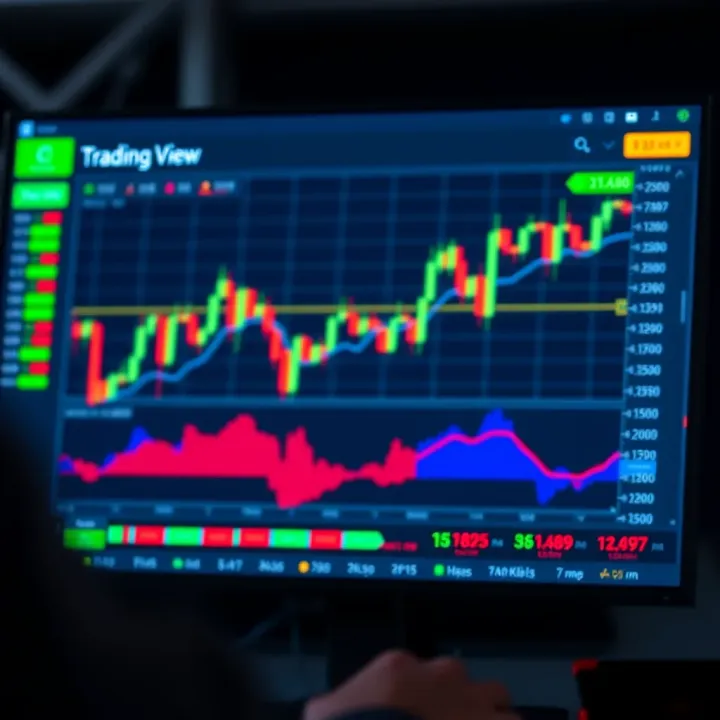
📈 Learn how Kenyan traders can use TradingView.com to analyse charts, access market data, explore subscription plans, and enhance local trading strategies effectively.

Explore top trading bots for Kenyan investors 🤖. Learn how to choose, set up, and manage bots safely to boost automated trading success 🇰🇪📈.

🤖 Explore free trading bots in Kenya: learn how they work, benefits, setup tips, risks, and legal points to trade smartly with no upfront cost in Kenyan markets.
Based on 14 reviews