

Guide to Deriv Account for Kenyan Traders
Explore how to open a Deriv account in Kenya 🇰🇪, learn about funding options 💰, secure trading practices 🔒, and tips for navigating Deriv platforms efficiently.
Edited By
Emily Cartwright
TradingView.com has become one of the leading platforms for traders worldwide, including many Kenyans keen on making better market decisions. It offers a blend of interactive charting, real-time market data, and a social network where traders share ideas and strategies. For Kenyan traders, these tools translate into a practical way to stay ahead in markets ranging from NSE stocks to global forex and commodities.
The platform's user-friendly design is a major plus, allowing both beginners and seasoned investors to navigate charts, indicators, and news feeds without much hassle. You can customise charts with drawing tools like trendlines and Fibonacci retracements, helping to spot entry and exit points. Plus, real-time price updates mean you won’t miss sudden market shifts — critical when tracking volatile assets like oil or Safaricom shares.
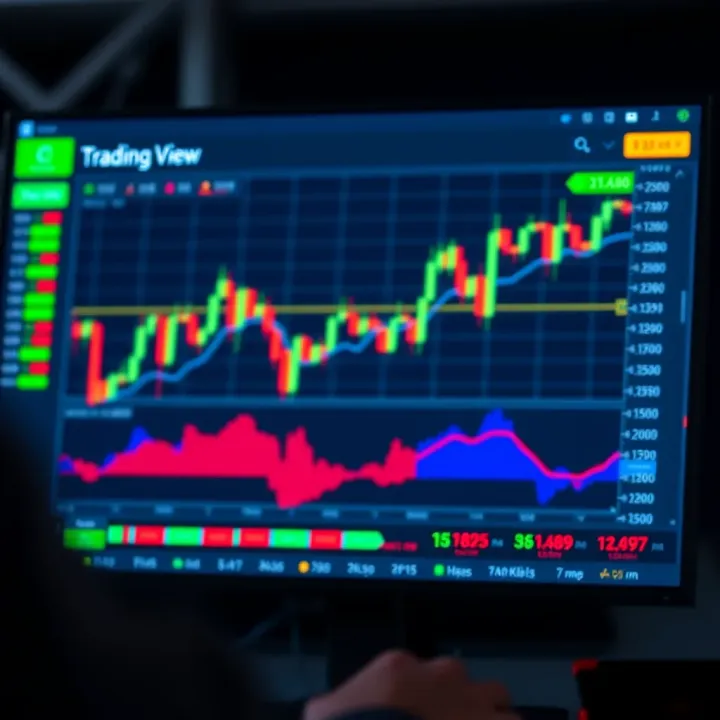
One standout feature is its social community. Traders from Nairobi to Kisumu post trade ideas and chart analyses that you can follow or comment on. This connection offers local insights alongside global perspectives, enriching your trading knowledge.
TradingView’s versatility fits well with Kenya’s diverse trader base—from equity investors using the NSE 20 Index to forex and cryptocurrency enthusiasts who need quick market alerts.
Subscription plans range from free to premium tiers. The free plan gives access to most essential tools but limits the number of charts and indicators you can use simultaneously. For active traders managing multiple positions or testing advanced strategies, paid subscriptions unlock additional layouts, alerts, and faster data streams. The cost, starting at around $14 (roughly KS,800) monthly, is quite competitive and can be justified by the value of timely market insights.
In practice, Kenyan traders often combine TradingView with local platforms like the KRA iTax portal when managing investments and taxes. Complementing this with reliable mobile money payments like M-Pesa helps in funding accounts swiftly and securely.
Whether you’re analysing Safaricom’s stock trend or monitoring forex pair USD/KES, TradingView brings a clear edge by offering practical, easy-to-use tools adapted to the realities of the Kenyan financial landscape. The coming sections will explore these features in detail, helping you make the most out of the platform.
TradingView plays a significant role for traders in Kenya by providing a central platform that brings together real-time data, charting tools, and social insights. For many retail traders and investors, this platform offers practical ways to monitor markets and make informed decisions quickly, especially in a market where access to full financial information can be limited.
TradingView provides live price updates spanning stocks, forex, commodities, and cryptocurrencies. This immediacy proves vital for Kenyan traders who rely on up-to-date information to respond swiftly to market changes. For example, a trader following the Nairobi Securities Exchange (NSE) can track how Safaricom shares move during the trading day without delay, helping them decide when to buy or sell.
One of TradingView’s strengths lies in its interactive charts. Traders can zoom in or out, switch timeframes from minutes to daily or weekly views, and apply a range of indicators. This customisation enables users to analyse patterns and trends tailored to their own strategies. For instance, a forex trader monitoring the USD/KES currency pair might use Bollinger Bands and the Relative Strength Index (RSI) to spot entry points.
Beyond local markets, Kenyan traders benefit from TradingView’s global reach. This access introduces them to international stocks like Apple or forex pairs such as EUR/USD, alongside commodity prices like crude oil and gold. Having a single platform to follow various markets means they can diversify or hedge their portfolio more effectively.
Many Kenyan traders focus on NSE-listed companies like Equity Bank, KCB, and EABL. TradingView’s detailed charts and data help them dissect price movements, volume, and trends. Similarly, regional forex pairs involving the Kenyan shilling (KES), Ugandan shilling (UGX), or Tanzanian shilling (TZS) are studied to optimise cross-border trading and investment.
The platform acts as a decision-support tool for local traders who may not have access to expensive software or full-time analyst expertise. By using visual tools and alerts, they can manage risk and act on trading opportunities without getting overwhelmed by technical jargon.
Many Kenyan traders use mobile services like M-Pesa for funds transfer and mobile-based brokerage accounts such as those from EGM Securities or Britam. TradingView’s mobile-friendly interface helps them analyse charts on the go, then execute trades conveniently through these apps.
For Kenyan traders, TradingView is more than just a charting website; it serves as a practical companion that fits into their everyday trading routines and local digital ecosystems.
This overview sets the foundation for making the most out of TradingView tailored to Kenyan market realities, bridging the gap between global market access and local trading needs.
Mastering how to navigate TradingView is key for Kenyan traders aiming to make smart decisions. The platform’s layout brings together powerful charting tools, market watchlists, alerts, and social features in a way that helps streamline analysis and boost market awareness. Understanding these features saves time and sharpens your strategy, especially when trading NSE stocks or forex pairs relevant to East Africa.
TradingView offers a rich set of drawing tools that allow you to mark trend lines, support and resistance levels, and apply Fibonacci retracements directly on charts. For example, if you're watching Safaricom’s stock performance on the NSE, drawing trend lines helps identify price movements and potential reversal points. Fibonacci retracements assist in spotting key levels where price corrections might slow down or reverse, a handy tool during volatile market hours.
Common technical indicators such as the Relative Strength Index (RSI), Moving Average Convergence Divergence (MACD), and Bollinger Bands add layers of insight. RSI helps indicate whether a stock is overbought or oversold, guiding entry or exit decisions. MACD shows momentum changes, which can be critical before major announcements or earnings releases. Bollinger Bands highlight volatility; when the bands narrow, it often signals a breakout is coming. Applying these indicators to NSE or forex charts adds context beyond price action.
Beyond standard tools, TradingView users can access custom indicators and scripts shared in the public library. Kenyan traders can find or create specific indicators tailored to local market conditions, such as customised volatility alerts for forex pairs like USDKES or UGXKES. This feature allows more advanced traders to develop unique methods and automate parts of their analysis, saving effort and sharpening signals.
Creating watchlists focused on NSE stocks and relevant forex pairs helps traders monitor selected assets without clutter. You can organise these lists by sector or liquidity, making it easier to follow top movers or value stocks like KCB, Equity Bank, or EABL. Watchlists avoid time wasted switching between different markets or chart searches.
Price and indicator-based alerts are essential for catching opportunities as they happen. For instance, you might set an alert when EABL shares move beyond a resistance level or when USDKES exchange rate crosses a particular threshold. These alerts can prevent missing timely trades, especially when you juggle a day job or other commitments.
Mobile notifications complement alert settings by pushing instant updates to your smartphone. This allows you react fast to market moves even when away from your computer. For busy Kenyan traders relying on M-Pesa-enabled mobile trading apps, timely alerts linked to TradingView analysis can improve responsiveness to sudden price shifts or breaking news.
Following experienced traders and analysts on TradingView exposes you to diverse analysis styles and market outlooks. Kenyan traders often follow global experts as well as local voices who focus on NSE trends or East African forex to get a balanced perspective. Observing how others interpret signals can deepen your understanding and reveal nuances.
Sharing and discussing trade ideas lets you engage with a community that can challenge or validate your assumptions. Posting charts, commenting on setups, or joining discussion threads helps refine thinking and avoid costly mistakes. This collaborative approach is especially useful in Kenya, where collective learning through harambee settings or trading groups is common.
Lastly, Learning from both local and global trading perspectives expands your skill set beyond isolated markets. You might pick up strategies tailored for volatile emerging markets or gain insights on how global factors like CBK policy changes affect the shilling and thus forex pairs. These wider views help you navigate local markets with a more informed and confident approach.
Getting familiar with TradingView’s user interface and key features like charting tools, alerts, and social engagement tools is not just about convenience. It’s about equipping yourself with practical advantages tailored to Kenyan trading realities to stay ahead in a fast-moving market.
Selecting the right TradingView subscription plan matters for Kenyan traders who want to balance cost with the features they actually need. Whether you are a weekend hobbyist or dealing with NSE stocks daily, understanding the differences between free and paid options helps you avoid paying for tools you do not use or, conversely, missing out on vital analysis capacities.
The free plan allows users to open one chart layout at a time and add up to three indicators per chart. For a beginner trader, particularly those focussing on NSE stocks or forex pairs like USD/KES, this offers a neat introduction. You can track price movements and add basic indicators like the Relative Strength Index (RSI) or Moving Average Convergence Divergence (MACD) without clutter.
Access to basic market data on the free plan generally covers delayed prices for most assets. While it is not real-time, it remains useful for educational purposes and forming a general market view. For instance, a trader monitoring Safaricom shares on the Nairobi Securities Exchange (NSE) can observe long-term trends before committing to an active trade.
This plan suits beginners who want to test TradingView’s layout and simple analytics without financial risk. If you are exploring charting tools or starting to learn technical analysis methods, the free plan is practical and does not drain your resources.
Moving up to paid plans unlocks more charts, indicators, and quicker data access. Pro users can view two charts simultaneously with up to five indicators per chart, while Pro+ and Premium add multi-chart layouts and faster real-time data feeds, which become important when trading volatile forex pairs or NSE blue chips during active market hours.
For Kenyan traders, subscription costs must be weighed against local incomes and market opportunities. The monthly fees—ranging from around $15 to $60—may seem steep but can be justified when paired with consistent profits from improved trade decisions. Some opt to share subscriptions within trading groups to lower individual costs.
Active and professional traders benefit most from Pro+ or Premium plans. These provide multi-device login, priority customer support, and extended alert options, which suit traders executing multiple trades daily or managing complex strategies. A Nairobi-based forex day trader, for example, will find having multiple charts and quicker alert systems invaluable for reacting fast in unpredictable markets.
Choosing a plan should focus on your trading frequency and strategy complexity. The free plan offers a great start, but growing traders will soon appreciate the added flexibility and speed of paid subscriptions.
In summary, weigh your current trading needs and predict near-future growth before settling on a plan. Trial periods and monthly subscriptions allow experimentation without long-term commitment. Kenyan traders should pick what fits their budget and trading tempo, ensuring they get value without paying extra for features they won’t use.
TradingView is a valuable tool for Kenyan traders, but its true strength emerges when integrated with local trading platforms. Many traders in Kenya use it alongside brokers like EGM Securities or directly reference the Nairobi Securities Exchange (NSE) for timely decision-making. The importance here lies in merging comprehensive chart analysis and market data from TradingView with practical order execution and brokerage services available locally.
Charts on TradingView offer a clear way to visualize price movements on NSE stocks and forex pairs like USD/KES or EUR/USD. Kenyan traders who rely on these charts can identify trends, support and resistance levels, or entry and exit points before placing trades. For example, spotting a bullish crossover on MACD for Safaricom shares could guide a trade through a local broker.
Using TradingView's extensive data alongside brokers like EGM Securities allows traders to verify market conditions in real time. Since EGM offers order placement directly with NSE stocks and some forex products, combining its platform with TradingView's analytical power helps traders avoid blind execution. This approach lets you cross-check your analysis with trading availability and spreads.
Moreover, trading via a broker’s mobile app or web interface benefits from TradingView’s advance warnings. If you detect a breakout pattern on TradingView, you can quickly switch to your broker’s app to act promptly. This interplay between analysis and trade execution makes the whole process more efficient and responsive.
Many Kenyan traders depend on mobile devices, so optimising TradingView’s mobile version is key. The platform runs well on smartphones, but it’s wise to customise chart layouts and indicators to match screen sizes. For example, limiting to two or three indicators avoids clutter and speed issues. This way, traders get the necessary insights without being overwhelmed.
Internet data costs remain a major concern. TradingView’s data use can be minimised by adjusting chart update frequency and disabling unnecessary features. Buying affordable bundles from Safaricom or Airtel tailored to trading apps helps keep costs manageable. Consider using Wi-Fi or work spaces with free internet, but always have a backup plan for connectivity.
Offline features and alerts can boost effectiveness when internet is patchy. Setting price alerts on TradingView’s mobile app means you don’t need to watch charts all day. For instance, an alert on the NSE 20 Index crossing a key level can prompt you to check your portfolio later. Similarly, downloaded chart snapshots or saved templates help review analysis without constant online access.
Combining local broker platforms with TradingView analysis and smart mobile use allows Kenyan traders to make informed decisions while managing costs and connectivity challenges effectively.
This hands-on approach turns TradingView from just a charting tool into a practical partner in everyday Kenyan trading decisions.
To get the best out of TradingView, especially for Kenyan traders, you need to tailor its features to local market conditions and your personal trading style. Using TradingView without customisation can lead to missed opportunities or confusion in analysis. These tips focus on adjusting charts, developing strategies, and avoiding common pitfalls, ensuring your trading decisions are grounded and effective.
Selecting timeframes relevant to local trading hours is key since the Nairobi Securities Exchange (NSE) operates roughly from 9:30 am to 3:00 pm East Africa Time (EAT). Kenyan traders should consider short intraday frames like 5-minute or 15-minute charts during NSE hours for scalping or day trading, and daily or weekly charts for medium- to long-term positions. Outside these hours, it’s best to focus on international markets such as forex, which trade almost 24/7, adjusting timeframes to align with major sessions like London or New York.
Applying indicators best suited to NSE stocks and forex helps avoid noisy or irrelevant signals. Popular tools like the Relative Strength Index (RSI) and Moving Average Convergence Divergence (MACD) work well on NSE stocks given their moderate liquidity and less volatile price movements compared to global assets. For forex, indicators such as Bollinger Bands and Average True Range (ATR) can capture volatility dynamics seen in the EAC (East African Community) currencies. Kenyan traders should test indicators on different timeframes to find what fits their focus, bearing in mind the unique volatility patterns of local forex pairs.
Saving templates for quick access saves time, especially when monitoring multiple assets or switching between Kenyan shares and forex pairs. Once you customise chart layouts with your preferred timeframes, indicators, and drawing tools, saving them as templates allows instant loading of your setup without redrawing lines or adding indicators again. For example, a template for NSE daily charts with RSI and MACD can be stored separately from a forex intraday template featuring Bollinger Bands and ATR.
Using built-in strategy testers helps Kenyan traders understand how a technical strategy could perform historically on NSE stocks or forex pairs. The strategy tester tool runs automated backtests of your chosen indicators and settings against past price data, highlighting profitability, drawdowns, and win rates. This reduces guesswork by showing if a trading approach holds water before risking real money. For example, testing a moving average crossover strategy on Safaricom shares can reveal its effectiveness over the last 12 months.
Following Kenyan and global trade ideas broadens perspective beyond personal analysis. TradingView’s social feature allows you to see analysis and trade suggestions by fellow traders, including those focusing on Kenyan equities or forex markets. Engaging with these ideas provides fresh viewpoints, spotlights emerging trends, and can complement your research, helping you spot setups you might miss.
Participating in forums and groups within TradingView or Kenyan trading communities online sharpens your skills through discussion and feedback. By sharing trade ideas, asking questions, and analysing others’ setups, you benefit from collective wisdom. Local groups also address region-specific challenges like data costs or connectivity, offering practical tips suited for Kenyan traders.
Overloading charts with unnecessary indicators creates clutter and confusion, making it hard to interpret signals. Some traders stack multiple oscillators and moving averages, leading to conflicting advice and analysis paralysis. Kenyan traders should focus on a few reliable indicators that suit their strategy rather than trying to catch every signal.
Neglecting risk management tools is a frequent error. TradingView supports features like stop-loss and take-profit alerts, which protect traders from big losses. Ignoring these safeguards is risky, particularly in volatile markets like forex. Setting alerts for key levels ensures you don’t miss vital exit points, especially when trading on mobile.
Misinterpreting social signals from other traders is also common. Not every shared idea is sound or suits your trading style and risk tolerance. Kenyan traders should view social posts as supplementary, verify with their own analysis, and avoid blindly copying trades based solely on popularity.
Taking time to customise your TradingView setup and engage actively with its features can significantly improve your trading edge. Remember, success lies in consistent learning, managing risks, and making informed decisions attuned to local market realities.
Explore how to open a Deriv account in Kenya 🇰🇪, learn about funding options 💰, secure trading practices 🔒, and tips for navigating Deriv platforms efficiently.

Explore D Trader's top features and benefits tailored for Kenyan traders 🇰🇪. Learn how to start, manage risks, and trade in multiple markets confidently 📈.
📊 Master chart patterns with our practical guide! Learn their types, analysis tips, and find reliable PDF resources to boost trading success in Kenya.
Explore derivative trading in Kenya 📈. Learn types, risks, regulations, and strategies to confidently manage investments in local financial markets.
Based on 10 reviews