
Understanding Forex Trading for Kenyan Investors
📈 Learn how forex trading works and what Kenyan investors should know before starting. Get practical tips, risk advice, and strategies to trade currencies confidently.
Edited By
Thomas Reed
Starting forex trading on your phone gives you direct access to the world's largest financial market from anywhere in Kenya. Forex trading involves buying and selling currencies to profit from their changing value. With mobile technology, you no longer need a desktop or expensive setup; a smartphone and reliable internet suffice.
This guide breaks down the essentials for beginners wanting to enter forex trading using their mobile devices. By following clear steps, you’ll be able to pick trustworthy platforms, open an account, apply simple trading strategies, and manage your money wisely.
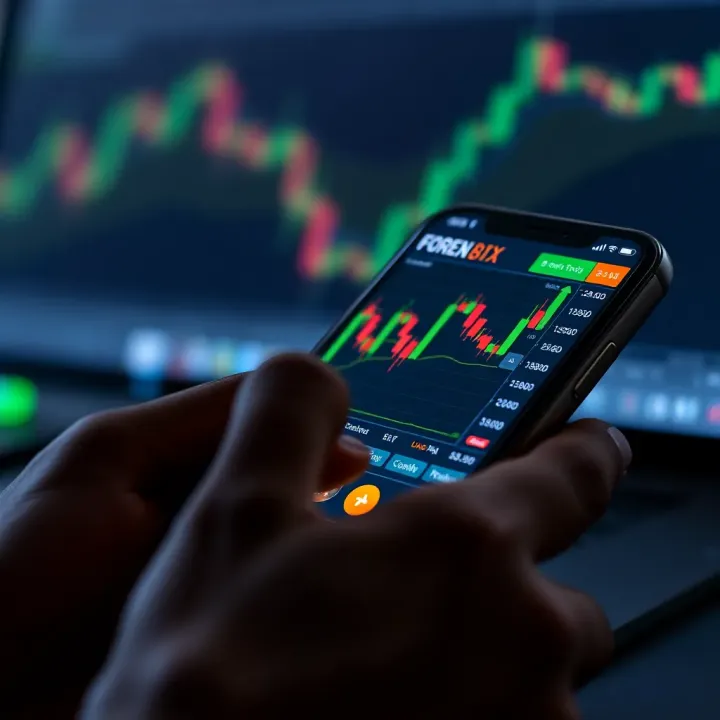
Forex trading on mobile puts global currency markets in your hands — but understanding the basics and risks is key to success.
Convenience: Trade anytime, whether waiting for a matatu or relaxing at home.
Accessibility: Most trading apps are free to download and user-friendly even for newcomers.
Real-time market data: Get instant updates on currency prices without delay.
Before trading, grasp core terms like:
Currency pairs: Forex deals with one currency against another (e.g., USD/KES).
Pips: The smallest price change in a currency pair.
Leverage: Borrowed funds that can amplify gains or losses.
Knowing these helps you navigate the trading app and make informed decisions.
Look for apps that offer:
Regulation by recognised bodies (like CMA Kenya or international authorities).
Clear user reviews and responsive customer care.
Support for local payments, especially M-Pesa withdrawals.
Platforms like ForexTime (FXTM), XM, and HotForex have good reputations in Kenya and mobile-friendly interfaces.
Opening an account typically involves:
Registering with your email and phone number.
Verifying your ID with a valid Kenyan document (e.g., ID card or passport).
Linking your M-Pesa or bank account for deposits and withdrawals.
After funding your account, you can start practising with demo trades that simulate real markets risk-free.
The following sections will guide you through basic forex strategies, how to read market trends, and practical risk management to protect your capital. You'll also learn how to withdraw profits safely using methods familiar to Kenyan traders.
With the right approach and discipline, your phone can be the gateway to a productive forex trading experience.
Grasping the basics of forex trading is the first step towards becoming a successful trader. Forex, or foreign exchange, is the market where currencies are bought and sold. It's the largest financial market worldwide, with daily trades reaching trillions of dollars. For a Kenyan trader using a mobile phone, understanding how forex works helps you make smarter decisions and avoid common mistakes.
Forex trading involves exchanging one currency for another, aiming to profit from changes in their exchange rates. For example, if you expect the US dollar (USD) to strengthen against the Kenyan shilling (KES), you might buy USD/KES. If the dollar rises, you can sell it back for a profit in shillings. The market operates 24 hours on weekdays, thanks to different time zones, allowing you to trade anytime using your phone.
A pip is the smallest price move in a currency pair, often the fourth decimal place. For instance, if USD/KES moves from 110.0000 to 110.0100, that's 1 pip. Understanding pips helps you measure profit or loss precisely.
A lot represents the size of your trade. A standard lot usually equals 100,000 units of the base currency. However, mobile trading apps often allow smaller lots like mini (10,000 units) or micro lots (1,000 units), making it easier for beginners with limited funds.
Leverage means borrowing money from your broker to control a bigger position than your actual deposit. For example, with 1:100 leverage, KSh 10,000 lets you trade up to KSh 1,000,000. While leverage can boost profits, it also increases risks, so it's vital to use it carefully.
Currencies are traded in pairs, like EUR/USD or USD/KES. The first currency is the base, and the second is the quote. The price shows how much of the quote currency you need to buy one unit of the base currency. For example, if USD/KES is 110, you need 110 Kenyan shillings to buy 1 US dollar.
There are three types of currency pairs:
Major pairs: Involve the USD and popular global currencies (e.g., EUR/USD).
Minor pairs: Comprise other developed market currencies but exclude USD (e.g., EUR/GBP).
Exotic pairs: Include one major currency and one currency from an emerging market, like USD/KES.
In Kenya, beginner traders often start with USD/KES because it’s familiar and relevant to local economic conditions.
Mobile phones offer convenience and instant access to the forex market wherever you are. You don’t need a desktop or fixed internet connection. Thanks to Kenya’s widespread mobile network, you can trade during your matatu commute or at home without stress.
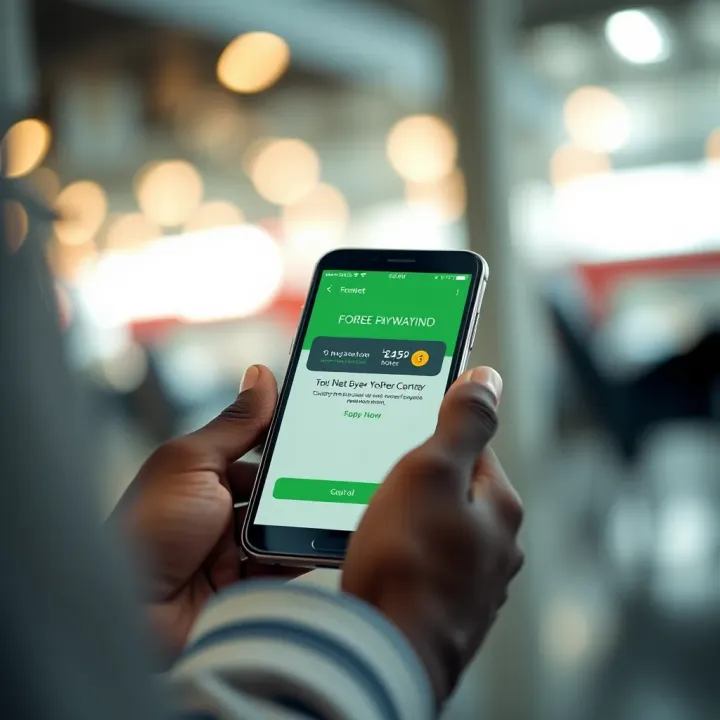
Also, mobile apps give real-time prices, charting tools, and news updates at your fingertips. This lets you react quickly to market movements. For example, if the Central Bank of Kenya announces changes in monetary policy, you can adjust your trades immediately using your phone.
Knowing the basics and key terms makes forex trading less intimidating. With a mobile phone, you carry the power to trade globally right in your pocket.
Selecting the right forex trading app is a critical step for anyone planning to trade on their phone. An app isn’t just a tool; it’s your gateway to the global currency markets. A well-designed app impacts how easily you can analyse the market, execute trades, and manage your risk — all from your mobile. Especially for Kenyan traders, where mobile phones are often the main internet access point, picking an app that suits your needs can make all the difference between losing money and building profits.
A straightforward, clean interface helps you monitor live prices and indicators without confusion. Since you’re working with a small screen, cluttered apps slow you down and increase the chance of errors, which can be costly. Apps like MetaTrader 4 or MetaTrader 5 offer simple navigation and quick access to charts, making it easier to open or close trades fast. You want an app where setting stop losses or take profits is clear, without hunting through menus.
Your chosen app must operate under strong security policies and regulatory oversight. Many Kenyan traders are cautious because scams are not uncommon. Apps regulated by bodies like the Capital Markets Authority (CMA) Kenya or internationally recognised institutions provide a layer of protection. Look for two-factor authentication and encrypted communications inside the app to safeguard your account and personal details. Without these, your funds and information could be vulnerable.
Local payment methods matter a lot. An app supporting M-Pesa directly simplifies deposits and withdrawals, which is critical in Kenya’s fast-paced forex scene. Some apps may allow bank transfers or card payments but lack mobile money integration, forcing extra steps. Ideally, your chosen platform should enable linking your M-Pesa account for speedy funding and withdrawal, reducing waiting times and transfer fees.
Kenya’s forex traders commonly use apps like MetaTrader 4 (MT4), MetaTrader 5 (MT5), and Pocket Option. These apps balance usability with a broad set of features. MT4 and MT5 offer extensive charting tools and support for multiple currency pairs. Plus, many brokers operating in Kenya integrate with these apps. Pocket Option focuses on simplicity and caters well to beginners. Each app varies in broker availability, fees, and payment options, so compare before committing.
Starting your trading journey involves creating an account on your chosen app. This usually means entering your name, email, and phone number, then verifying through a confirmation text or email. Some apps have a guided setup that helps new users familiarise themselves with trading features. Make sure you provide accurate information to avoid trouble during verification and withdrawals.
Kenyan regulations require forex traders to provide a Kenya Revenue Authority (KRA) Personal Identification Number (PIN) and a valid ID for identity verification. This process helps your broker comply with anti-money laundering laws and protects your interests. Before you can start trading or deposit real money, you’ll likely upload scanned copies of these documents through the app.
Once your account is ready, link your preferred payment method. M-Pesa integration stands out as the most convenient because it allows near-instant deposits and cashouts. The app will usually prompt you to enter your phone number and confirm via a One-Time-Password (OTP). Some platforms also support bank transfers or card payments if you prefer them. Ensure you check for any fees involved and the expected processing times.
Choosing the right app, one that combines ease, security, and your preferred payment methods, sets you up for a smoother trading experience on your phone. Don't rush – explore a few options to find the one that fits your style and needs best.
Starting to trade forex on your phone involves some clear and practical steps that set the stage for successful trading. Unlike desktop trading, mobile forex gives you flexibility but requires familiarity with app functions, funding methods, and market tools right at your fingertips. Knowing how to fund your account, understand the trading interface, and practice with a demo account will help you avoid costly mistakes early on.
In Kenya, M-Pesa is the most popular and convenient way to fund your forex trading account. Many forex platforms accept M-Pesa deposits instantly, allowing you to move money quickly without standing in long bank queues. Additionally, some brokers support bank transfers or card payments (Visa/MasterCard), giving flexibility if you prefer traditional methods. For instance, you might top up your trading account using your Equity Bank mobile app or a card linked to your KCB account. This variety ensures traders can choose the most reliable and accessible funding option based on their comfort level.
Different trading apps have various minimum deposit requirements, often ranging from as low as KSh 500 to KSh 5,000. This minimum sets the entry price for starting forex on your phone. For beginners, a lower minimum deposit offers a chance to learn without risking too much capital. For example, if a platform requests KSh 1,000 as a minimum, starting with that amount helps you understand trades without large financial exposure. Always confirm the minimum deposit before signing up to avoid surprises and pick a broker matching your budget.
Opening and closing trades through mobile apps is mostly straightforward but requires careful attention. Typically, you select a currency pair, choose your trade size (called lots), then decide whether to buy (go long) or sell (go short). Closing a trade involves hitting a button within the app to exit the position, locking in profits or losses. Some apps let you set automatic triggers like stop loss and take profit orders which close trades once certain price levels are reached. Practising this process helps you build confidence in making timely decisions.
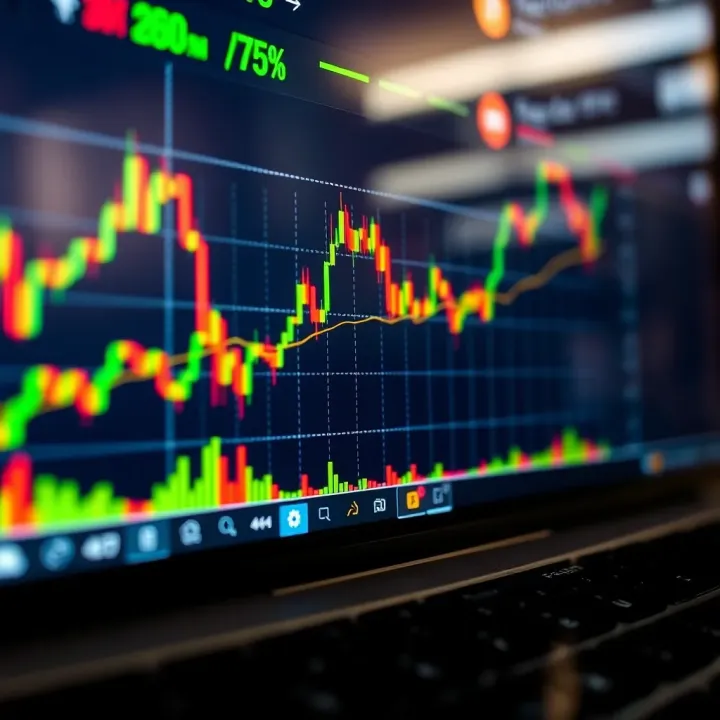
Charts show price movements and help you spot trends. On mobile, you usually swipe or zoom in and out of candlestick charts that display the highs, lows, opening, and closing prices within specific timeframes. Indicators such as Moving Averages or RSI (Relative Strength Index) offer signals about market momentum or potential reversals. For example, seeing a rising moving average might encourage you to buy. Learning to interpret these tools on the app means you can make more informed trades even while on the move.
Most forex trading apps offer demo accounts—simulated trading with virtual money. This is crucial for beginners to practice without risking real funds. Demo accounts let you explore the app’s features, test strategies, and get used to the market’s ups and downs in a risk-free environment. Kenyan traders often find demo practice useful to get familiar with timings, such as the best hours to trade the USD/KES or GBP/USD pairs, before investing actual money. Starting with a demo account should be your first move after account setup.
Taking these steps seriously can save you time and money while building your forex skills. The mobile option works best when you treat it as a professional tool, not just a casual pastime.
Getting a grip on basic forex trading strategies helps you avoid guesswork and trade with confidence. These strategies serve as your roadmap, guiding when to buy or sell and how to protect your investment. For beginners especially, having a straightforward plan can prevent emotional decisions that often lead to losses.
Trend lines and support/resistance levels are your bread and butter for seeing where the market might head next. Trend lines connect the chart’s lows in an uptrend or highs in a downtrend, showing the direction price is moving. For example, if the EUR/USD pair keeps bouncing off a rising trend line, that line acts like a floor where buyers step in.
Support levels act like a price floor, where demand often picks up, stopping the price from falling further. Resistance, on the other hand, is like a ceiling where supply outweighs demand, pushing prices down. Spotting these gives you clues on when to enter or exit trades.
Keep entry and exit rules clear and easy to follow. One simple rule is to enter a trade after the price has bounced off a strong support or resistance level confirmed by a trend line. For instance, if the USD/KES price drops to a known support level and starts climbing again, that’s a good entry point.
Exit rules are equally important. Decide beforehand when to close your trade to lock profits or cut losses. You might aim for a price target based on previous highs (take profit) or set a point below your purchase price to limit losses (stop loss).
Using stop loss and take profit orders is critical to managing your risks. A stop loss is an automatic instruction to sell when the price hits a certain lower point, preventing large losses. For example, if you buy GBP/USD at 1.2500, you could set a stop loss at 1.2450 to limit your loss to 50 pips.
Take profit works the same way but locks in gains by automatically selling when the price hits your target. Suppose you expect a rally to 1.2600; a take profit order there ensures you secure profits without watching the market all day.
Consistently using these strategies helps build discipline and keeps your trading approach steady, even during volatile market times.
By starting with these basic techniques, you can gradually build a trading style that suits your pace and risk appetite, all straight from your phone. Keep it simple, stay disciplined, and steadily improve your skills.
When starting forex trading on your phone, managing risks is essential to protect your capital and avoid common mistakes that could wipe out your account quickly. The forex market can be volatile, so without clear rules, even experienced traders can suffer losses. This section focuses on practical ways to keep your trading safe and sensible.
Setting achievable goals helps prevent frustration and impulsive decisions. Instead of aiming to double your money in a week, target consistent small profits — say 2-3% monthly returns — that grow your account steadily. Similarly, decide the maximum daily or weekly loss you can tolerate and stick to it. For example, if you start with KSh 10,000, a daily loss limit of KSh 500 keeps you disciplined. This approach avoids chasing losses or risking too much on one trade, which often leads to bigger problems.
It’s easy to get caught up in the excitement and open too many trades in a short time. Overtrading drains your capital through unnecessary fees and exposes you to avoidable risks. Moreover, emotions like fear or greed can cloud your judgement, pushing you to close profitable trades too soon or hold onto losing positions hoping they’ll recover. Keep a trading journal to track your decisions and emotions. If you notice yourself trading more after a loss or win, take a break. Maintaining calm and patience is key to long-term success.
Forex markets respond quickly to global and local events, including economic reports, political changes, or trade agreements within the East African Community (EAC). Regularly following trusted financial news sources, such as the Central Bank of Kenya statements or CME Group updates, keeps you informed about factors affecting currency pairs. Knowing when a big announcement is due helps you avoid unpredictable swings or plan trades accordingly. For example, the release of the US Non-Farm Payroll data often causes volatility in USD pairs. If you’re trading the USD/KES pair, it’s wise to watch such events carefully.
Keeping control over your trading comes down to clear goals, emotional discipline, and staying informed. These practices reduce risks and improve your chances of steady profits.
By practising these risk management steps, you reduce the chances of falling into traps common to new forex traders. Trading on your phone offers flexibility, but that convenience must go hand in hand with smart caution and constant learning.
Knowing when and how to withdraw your profits is as important as making them. It helps you actually benefit from your trading efforts and prevents you from risking more than you can afford. At the same time, tracking your progress ensures you learn from your trades and refine your approach to forex trading on your phone.
Most forex platforms operating in Kenya allow you to withdraw earnings directly to M-Pesa or your bank account. The key is to follow the platform’s withdrawal procedures carefully to avoid delays or losses. For example, after logging into your trading app, navigate to the withdrawal section and enter the amount to cash out. Confirm that your M-Pesa number or bank account details are correct before submitting the request.
Withdrawals can take a few minutes to a few days, depending on the broker and payment method. To speed things up, make sure your KRA PIN and ID details linked to the account are up to date, as brokers often require verification documents before processing withdrawals. Avoid sharing your app passwords or OTPs with anyone to keep your funds secure.
Keeping track of your trading results is essential to improve. Most trading apps provide built-in performance reports that show profits, losses, win rates, and open positions. Use these tools every week to see which trades are working and which aren’t.
You can also keep a simple trading journal on your phone or notebook. Record details like currency pairs traded, entry and exit points, the reason for the trade, outcome, and lessons learnt. Over time, patterns will emerge to guide better decisions. For example, you might realise you trade USD/KES better during Nairobi market hours or that you tend to lose money trading late in the night.
Adjusting your trading plan depends on what your tracking tells you. If you notice consistent losses with certain currency pairs or strategies, it’s time to review and change them. For example, if your stop-loss orders are too tight, causing many small losses, widening them slightly might help.
Also, pay attention to market news and economic events, like CBK interest rate changes or Kenya’s election periods, that affect currency movements. Sometimes a profitable strategy during stable times may not work when the market is volatile. Like farmers who rotate crops based on season, traders must adapt based on market conditions.
Set specific review points, such as monthly or quarterly, to assess progress and tweak your approach. Keep emotions in check so adjustments come from data, not frustration. This disciplined approach helps build consistent profits over time.
Remember, withdrawing profits protects your gains, and tracking your performance helps you sharpen your skills. Together, these practices keep your forex journey on the right track.
📈 Learn how forex trading works and what Kenyan investors should know before starting. Get practical tips, risk advice, and strategies to trade currencies confidently.
📈 Learn forex trading in Kenya with clear steps, risk tips, and trusted local resources 📚 Get practical guidance for smart trading and steady progress starting today!

Discover HotForex Kenya 🇰🇪: explore account types, trading conditions, and payment options like M-Pesa for easy forex trading. Stay informed on risks and tips for safer trading 💹.
📘 Start forex trading in Kenya with this clear guide! Learn key concepts, practical steps, risk tips, and common mistakes to avoid for confident trading. 💹
Based on 7 reviews