
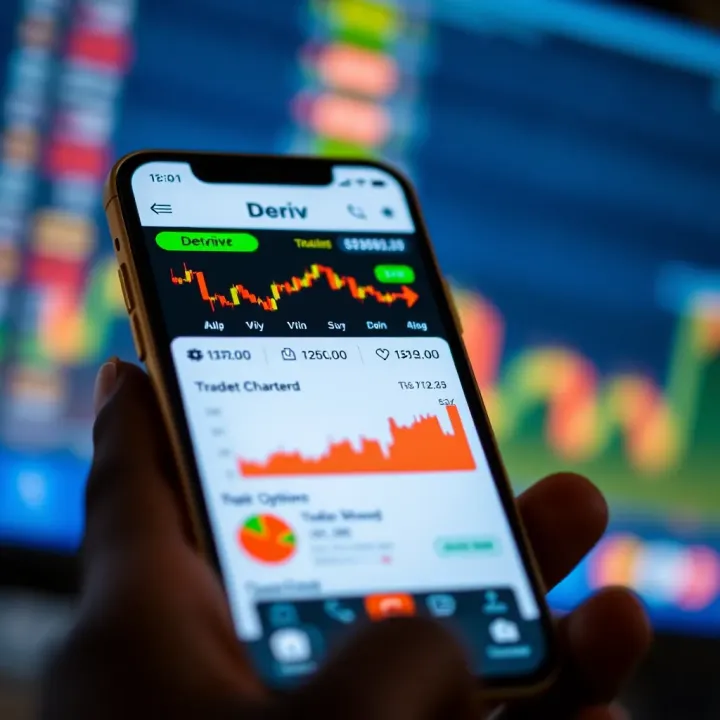
How to Use the Deriv Trading App in Kenya
Discover how to use the Deriv Trading App in Kenya 🇰🇪 with this practical guide - setup, features, security tips, trading types & strategies explained! 📱💼
Edited By
Charlotte Wilson
Forex trading has gained traction among Kenyans in recent years, thanks largely to smart devices and fast internet. While the forex market offers opportunities to make profits, using the right trading app can make a big difference. A forex trading app connects you to the global currency market, letting you buy and sell currency pairs directly from your mobile or tablet.
Most platforms provide real-time pricing, charts, and tools to analyse market movements. What makes them especially handy for Kenyan traders is the integration with mobile payments like M-Pesa. With this, you can fund accounts or withdraw earnings without fuss, sidestepping the slow bank transfers many face here.

Choosing a forex app is about balancing features, costs, and reliability. Key features to watch for include low spreads, user-friendly interfaces, good execution speed, and strong security measures. Some popular apps used locally include MetaTrader 4 and 5, Plus500, and AvaTrade, all supporting multiple languages and local payment methods.
Remember, while trading forex in Kenya can be profitable, it’s not without risks. Volatile markets and unregulated brokers can cause losses if you're not careful.
Getting started involves verifying whether the app complies with Kenyan financial regulations by the Capital Markets Authority (CMA). A regulated broker offers more protection and less chance of fraud. Also, demo accounts let you practise without risking real money.
To sum up, a good forex trading app should fit your trading style, charge reasonable fees, and provide dependable support. Whether you're a beginner testing the waters or an experienced trader, picking the right tool will help you trade smarter and safer.
Understanding how forex trading apps operate is key for Kenyan traders seeking smooth and efficient trading experiences. These apps provide a platform to access global currency markets from the palm of your hand, allowing you to trade multiple currency pairs, execute orders quickly, and stay updated with real-time prices. Given Kenya's growing mobile money ecosystem and internet penetration, these apps integrate local financial systems like M-Pesa, making deposits and withdrawals straightforward and secure.
Accessing currency pairs: Forex trading apps typically offer access to a wide range of currency pairs, including majors like USD/KES (US Dollar to Kenyan Shilling), EUR/USD, and GBP/USD. This enables Kenyan traders to choose pairs that suit their trading strategies or tap into markets beyond local currency. For instance, a trader might watch the USD/KES closely to hedge against shilling fluctuations or explore EUR/USD for global trends. Apps display currency pairs with their bid and ask prices, helping you make informed decisions.
Placing buy and sell orders: The heart of forex trading is buying (going long) or selling (going short) currency pairs. The apps simplify this process: you select your desired currency pair, decide the amount, and choose to buy or sell based on your market outlook. Orders can be market orders that execute immediately at the current price or limit orders placed at specific price points to manage risk and potential profits. This process lets you respond to market changes quickly, crucial in the fast-moving forex environment.
Real-time price updates: Forex prices change every second, driven by global economic events and market sentiment. Trading apps provide continuous, real-time price feeds so you don’t miss any market movements. For example, when the Central Bank of Kenya announces policy changes, you’ll see the USD/KES price react immediately. This live data supports timely trades, allowing you to take advantage of volatility rather than fall behind it.
Using M-Pesa for deposits and withdrawals: Most forex apps accessible to Kenyans nowadays support M-Pesa, the widely used mobile money platform. This integration means you can fund your trading account from your Safaricom line almost instantly and withdraw profits directly back to your M-Pesa. It’s convenient for traders without bank accounts or those who prefer mobile money. The process typically involves linking your M-Pesa number with the trading app and confirming transactions through your phone’s USSD menu or app.
Bank transfer options: Besides M-Pesa, apps may allow deposits and withdrawals through local banks like Equity Bank or KCB. This is helpful if you want to move larger sums or prefer traditional banking. Transfers usually take a bit longer—up to a few hours or a business day—but can provide additional security, especially for high-value transactions.
Security measures for payments: When handling KSh deposits or withdrawing funds, security is critical. Reliable apps use encryption and two-factor authentication (2FA) to guard your financial details. Also, transactions often require confirmation codes or biometric verification to prevent fraud. Kenyan traders should only use apps verified by the Capital Markets Authority (CMA) and avoid third-party intermediaries for payments.
Internet speed and data usage: Stable internet is a must for forex trading apps to function smoothly. While many apps can run on 3G or 4G networks common in urban Kenya, faster connections help with real-time price updates and quick order execution. Data consumption varies but is generally low unless streaming market news or videos. Traders in areas with weak signals may face delays impacting their trades.
Device compatibility: Forex apps normally support Android and iOS devices. Given Android’s dominance in Kenya due to affordable smartphones, most apps are optimised to run efficiently on mid-range devices. Still, ensuring your phone has up-to-date software and sufficient storage prevents glitches or crashes while trading.
Offline features, if any: Some forex apps offer limited offline functionality, like viewing past charts or planning trades. However, executing trades or real-time updates require internet access. In Kenya, where power outages and connectivity can be inconsistent, it’s wise to have back-up data plans or alternative internet sources like Wi-Fi hotspots to maintain continuity.
Good internet and secure, local payment integration are the backbone of effective forex trading in Kenya. Understanding these basics helps you pick apps that fit your trading needs and lifestyle.
Forex trading apps bring significant advantages to traders in Kenya, enabling better access, faster transactions, and lower costs. These benefits are especially relevant given the country’s widespread mobile connectivity and increasing interest in forex as an investment avenue. Understanding these practical advantages helps traders make informed choices on whether to engage with such apps and which features to prioritise.
One key benefit of forex trading apps is that you can trade at any time and from any place in Kenya. Whether you’re commuting on a matatu in Nairobi, taking a break at a nyama choma joint, or resting at home in Mombasa, a mobile app gives you direct access to the forex markets. This flexibility means you’re not tied down to fixed hours or locations, unlike traditional brokers who require you to visit offices or terminals.
Since forex operates 24 hours on weekdays, this round-the-clock access supports timely decisions around currency movements. For example, a trader in Kisumu can react promptly to shifts in the USD/KES rate when major markets in London or New York open, instead of waiting till the next day.
Most top forex apps prioritise simple, easy-to-navigate interfaces to suit beginners. Clear menus, straightforward charts, and step-by-step order placements minimise confusion for those just starting out. This design consideration reduces the learning curve, making forex trading less intimidating.
For instance, apps like MetaTrader 4 (MT4) and Binomo provide guided tutorials and demo accounts, making it possible for a novice to grasp basics without much prior knowledge. This accessibility is vital as Kenyan market players increasingly explore forex alongside other investments like NSE stocks or real estate.
Fast execution of buy and sell orders is critical in forex due to volatile currency prices. Many apps offer near-instant order processing, preventing missed opportunities where rates change within seconds. This speed advantage lets traders lock in preferred prices and manage risks effectively.
In contrast, dealing with traditional brokers can involve delays due to paperwork or phone calls, which may detract from the timing advantage. By executing trades instantly on an app, a forex trader in Eldoret can respond swiftly to breaking market trends or news.
Forex apps often integrate real-time news and expert analysis, supplying traders with up-to-date information on global events that impact currency values. This can include central bank announcements, commodity price changes, or geopolitical developments.
Having quick, easy access to such insights on your phone helps make informed trading decisions. For example, knowing the Central Bank of Kenya’s latest policy moves immediately can influence how you manage the KES pair trades, avoiding costly surprises.
Forex trading apps usually charge smaller commissions or spreads compared to conventional brokers who operate through physical offices and agents. The digital model cuts down on overhead expenses, savings which often filter down to traders in Kenya.

For a small-scale trader, this means more of their capital goes directly into trading rather than fees. For example, an app might offer spreads as low as 1 pip on major forex pairs, compared to higher costs if placing transactions through a local intermediary or institution.
The elimination of physical branches or trading floors makes forex apps a lean, accessible way to trade. This absence of fixed offices allows companies to serve clients anywhere in Kenya without geographic barriers.
Traders benefit by being freed from travel costs or schedules linked to broker offices. Instead, all trading activities happen on mobile devices, reflecting Kenya's strong mobile-first culture. For digital-savvy users, this structure is more aligned with daily life and maximises the trading experience’s convenience.
Embracing forex trading apps suits Kenya’s mobile economy, letting you tap into global currency markets with speed, affordability, and ease. These benefits make trading more practical and appealing, whether you’re a novice or experienced.
Choosing the right forex trading app is about more than just convenience. The features available can greatly affect your trading success, security, and learning curve. Good apps provide tools for analysis, strong security, and reliable support tailored to Kenyan traders’ needs. Let’s break down the essentials you should keep an eye on.
When picking a forex app, ensure it operates under licences from recognised regulatory bodies. For Kenyan users, apps regulated by the Capital Markets Authority (CMA) of Kenya or international regulators like the Financial Conduct Authority (FCA) in the UK add trust. These licences mean the app meets clear standards regarding fairness, fund security, and transparency. Without proper regulation, you risk using apps that might be scams or offer poor protections.
Your private data must be guarded carefully. Top apps use encryption to protect personal information and financial transactions. They should comply with data protection laws like Kenya’s Data Protection Act. This means your details won’t be shared recklessly or left exposed to cybercriminals. Apps with clear privacy policies and two-factor authentication offer an extra layer of safety.
Good trading apps include up-to-date charts to visualise currency movements. Look for ones offering enough technical indicators, like Moving Averages or Relative Strength Index (RSI). These tools help spot trends or possible reversal points, aiding your trading decisions. MT4 and MT5, for example, are popular for having robust charting features that even beginners can learn quickly.
Apps that send alerts when prices hit your target or market conditions change keep you in control. Instead of staring at the screen all day, you get notified to act fast when it matters. Customisable alerts — for price movements, news, or economic events — help you stay focused and make timely trades, especially useful if you juggle forex with a day job.
Reliable customer support is key, especially when dealing with financial apps. Choose platforms that offer responsive support through chat, email, or phone. Kenyan traders benefit from services operating in compatible time zones, sometimes with Swahili-speaking agents. Prompt help can resolve pressing issues like withdrawal delays or technical glitches.
Since forex trading has a learning curve, access to quality tutorials and guides within the app is a big plus. Some apps include video lessons, articles, or even webinars. These resources help Kenyan traders understand how forex markets work, strategies, and app functions, allowing you to build confidence without relying solely on external courses.
A demo account simulates real trading but uses virtual money. This lets you explore the app’s interface and test strategies without risking your KSh. It’s essential, particularly for new traders still grasping market behaviour. Demo trading builds skills and gives a taste of trading psychology.
Trial periods or demo accounts enable you to get familiar with order types, chart tools, and payment processes before committing actual funds. This hands-on experience reveals any quirks or limitations in the app. By practising first, you avoid losing money due to mistakes or misunderstandings about how the app works.
Choosing an app with these features makes trading safer and more effective. Always pick platforms that match your trading style and provide a secure, supportive environment.
In Kenyan forex trading, apps that balance robust tools with strong regulation and localised support usually serve traders best. Spend time comparing features, try demo accounts, and prioritise security so you can trade confidently with your KSh and M-Pesa.
Knowing which forex trading apps are accessible and reliable in Kenya can save you time and reduce risks. Popular platforms tend to offer better support, smoother operations, and more security—important when handling KSh transactions and trading on volatile markets.
MetaTrader 4 (MT4) and MetaTrader 5 (MT5) remain the most widely used forex trading apps globally, and this holds true in Kenya. They provide access to various currency pairs and other financial instruments, with flexible charting tools and automated trading options. For example, a trader in Nairobi can place orders quickly and track market moves with detailed indicators, helping them respond to currency swings from the shilling to the dollar effectively.
MT5 offers a bit more, including enhanced order management and economic calendars which help keep Kenyan traders updated on market-moving news. Both platforms run smoothly on Android and iOS devices common in Kenya, making it easy to trade from your smartphone or tablet.
While mainly known for cryptocurrency trading, Binance also supports forex trading pairs, making it attractive for traders looking to diversify. It allows Kenyan users to deposit and withdraw funds through M-Pesa, easing transactions without needing bank accounts. This localisation adds a practical edge, especially given M-Pesa’s dominance in Kenyan mobile payments.
Binance’s mobile app is user-friendly, offers real-time price tracking, and supports multiple asset classes beyond forex. This setup suits Kenyans who want a single app handling forex alongside crypto trading and even stock tokens.
IQ Option offers a straightforward platform with easy entry points for beginners and competitive trading conditions. It covers not only forex but also options and commodities, a feature some Kenyan traders appreciate to hedge risks. Its demo account lets new users practise without risking KSh, which is good for learning.
The app includes educational resources and notifications on market events, helping Kenyan traders stay informed while trading on the go. However, users should check on regulation and broker credibility before committing funds.
Some forex apps integrate directly with Kenyan banks or mobile payment platforms like M-Pesa for faster deposits and withdrawals. This removes currency conversion delays and reduces extra transfer fees. For instance, apps linked to KCB or Equity Bank let traders fund their accounts directly using their bank mobile apps or USSD codes.
This close integration is practical for users who prefer to keep all transactions within familiar systems, lowering risks associated with third-party services.
Platforms offering Swahili interfaces help a wider range of Kenyan traders, especially those less fluent in English. Such localisation improves user experience, reducing mistakes caused by misunderstanding terms or instructions.
Having key trading terms and customer support available in Swahili encourages participation from diverse regions, making forex trading more inclusive beyond urban centres like Nairobi and Mombasa.
Selecting a forex app that fits your payment preferences and language comfort can significantly improve your trading confidence and success in Kenya’s market.
By focusing on popular, localised, and user-friendly apps, Kenyan traders can navigate forex markets with more ease and security.
Trading forex through apps in Kenya comes with both opportunities and risks. Managing these risks is vital if you want to protect your money and trade effectively. Awareness of market volatility, potential scams, and technical glitches will help you stay prepared and avoid costly mistakes.
Currency prices can change rapidly due to global events, economic reports, or political happenings. For Kenyan traders, this means the value of the KSh against other currencies may swing unexpectedly. Understanding these fluctuations helps you avoid panic decisions and plan your trades better. For instance, during election seasons in Kenya or major economic announcements, currency value may be more volatile than usual.
Setting stop-loss orders is a practical way to limit losses before they get out of hand. This is an instruction you give your app to automatically sell a currency if its price drops to a certain level. For example, if you buy USD/KSh at 110 and set a stop-loss at 108, your app will sell automatically if the price falls to 108. This tool prevents you from losing more than you can afford and helps keep your trading disciplined.
Many forex apps claim to offer easy profits, but not all are trustworthy. Unregulated apps operating without proper licence might disappear with your money. In Kenya, check if the app is regulated by bodies like the Capital Markets Authority (CMA) or other credible international regulators. Never download apps from unofficial sources or that lack transparent company information.
Avoid promises of guaranteed high returns or quick riches; these are red flags. No legitimate forex app can assure profits since the market is unpredictable. If an app claims you will double your KSh 10,000 in a week without any risk, it's best to steer clear. Staying realistic helps you avoid wasting money on scams.
App crashes or freezing can happen, especially on devices with limited memory or unstable internet. If your app crashes during a trade, you might miss important market moves. Make sure your device is updated, and close unnecessary apps to improve performance. Also, choose forex apps that are known for stability and have good user reviews.
Network downtime is common in some Kenyan areas, which can disrupt live trading. Have backup plans such as using cheaper but reliable data bundles or switching between Safaricom, Airtel, and Telkom networks. Some traders also use alert notifications that tell them when prices hit certain points so they can trade when connectivity resumes.
Managing risks in forex trading apps is more than protecting money—it's about trading smart, staying informed, and preparing for unexpected problems.
By keeping these practical tips in mind, Kenyan traders can reduce risks and improve their chances of success with forex trading apps.
Navigating forex trading through apps demands more than just installing software and starting to trade. For Kenyan traders, practical steps help manage risks and build skill over time. This section gives clear advice to make forex trading safer and more rewarding.
Demo accounts let you trade with virtual money, giving you a platform to practise without risking real funds. Many popular forex apps offer this feature, helping users understand how placing orders, reading charts, and setting stop-losses work in real time. For example, before risking KSh 1,000 on live trades, practising on a demo with the MetaTrader 4 app could build your confidence and strategy.
Even when you move beyond demo trading, it’s smart to start with small amounts you can afford to lose. Forex markets are volatile, and even experienced traders face losses. Investing, say, KSh 5,000 instead of a lump sum helps you test your ability to handle real markets without blowing your capital. This approach suits many Kenyan traders balancing forex with other expenses.
When depositing or withdrawing money using M-Pesa or bank transfers, double-check the recipient details before sending funds. Mistakes in account numbers or paybill codes are common and can lead to lost money. Always verify the details on the app and confirm the transaction status within your M-Pesa statements or bank app to avoid unexpected surprises.
Stick to direct payments between your M-Pesa or bank account and the forex trading app. Avoid using middlemen or unofficial agents to transfer funds as this increases the risk of fraud or delays. If a broker asks you to send money through an unknown party, consider it a red flag. Direct transactions provide better traceability and security.
Keep a simple record of every trade made, including the currency pairs, entry price, exit price, and profit or loss. This tracking could be a physical notebook or a spreadsheet. Over time, it gives you insights into which strategies work and highlights mistakes you can avoid. For example, monitoring how your trades on USD/KES perform during different times of the day might reveal profitable windows.
Forex trading isn’t static; markets change and so should your approaches. Use your trading records to review and improve your methods. If a particular strategy consistently loses money, revise or discard it. On the other hand, amplify strategies that show steady profit, even if the gains are small. This data-driven process helps you grow as a trader and manage risks proactively.
Practical discipline—starting small, using safe payment methods, and reviewing performance—is key for Kenyan traders to thrive in forex trading using apps. These tips help you trade smarter and avoid common pitfalls.
Discover how to use the Deriv Trading App in Kenya 🇰🇪 with this practical guide - setup, features, security tips, trading types & strategies explained! 📱💼
📈 Explore app.deriv for online trading in Kenya! Learn features, security tips, and how to start trading smartly on this popular platform. 🇰🇪🔒
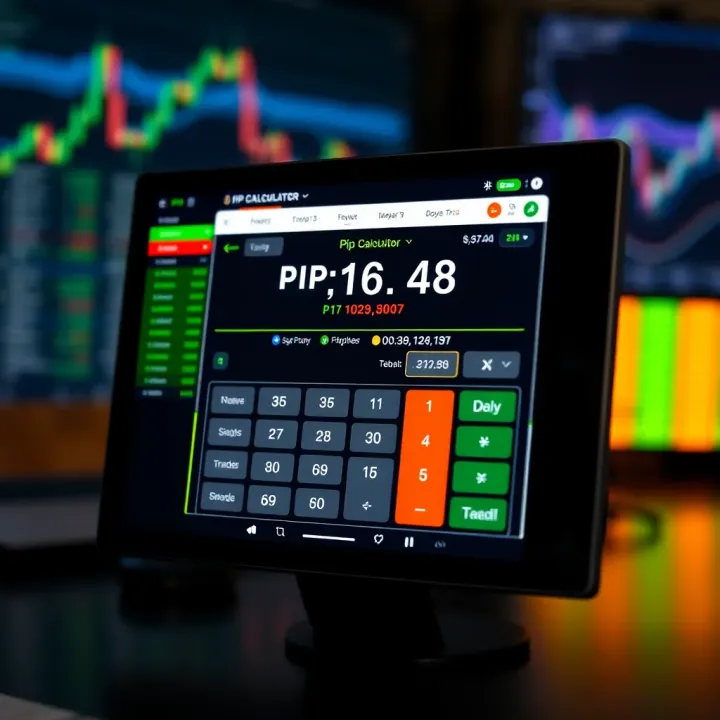
Explore how the Deriv pip calculator helps Kenyan forex traders easily calculate pip values 🤑 and refine trading strategies for better decision-making 📊.

Explore the Deriv.com app in Kenya 🇰🇪 with our detailed guide covering installation, trading options, secure payments, user setup, & customer support.
Based on 14 reviews