
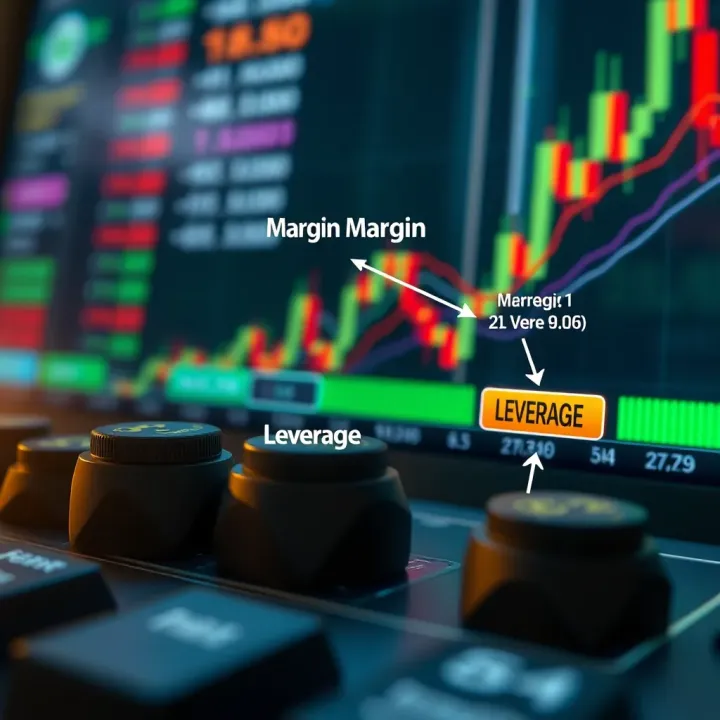
Margin in Forex Trading: A Guide for Kenyan Traders
📊 Learn how margin in forex trading helps Kenyan traders control bigger positions with less capital. Understand its risks and smart management tips to trade safely with confidence.
Edited By
Henry Lewis
Forex trading has become a powerful avenue for wealth creation, attracting ambitious traders globally, including Kenya. While many see it as a high-risk venture, some individuals have managed to turn their forex trading skills into substantial fortunes. This section sheds light on who these richest forex traders are, how they amassed their wealth, and what lessons their journeys offer.
The forex market—where currencies are bought and sold—is the largest financial market worldwide, with daily trading volumes exceeding $6 trillion. Unlike stock markets, forex is accessible 24 hours a day, making it attractive for dynamic trading strategies. What sets top forex traders apart is not just access but discipline, risk management, and sharp strategy execution.

Some of the wealthiest include legends like George Soros, famous for "breaking the Bank of England" in 1992 by shorting the British pound. His keen ability to read macroeconomic signals made him one of the most successful traders ever.
Then there’s Stanley Druckenmiller, who partnered with Soros and built a personal fortune exceeding $4 billion by focusing on long-term trends and avoiding impulsive trades. Similarly, Bill Lipschutz turned an initial $12,000 inheritance into millions by studying market psychology and technical analysis.
Although these examples come from Western markets, their stories provide valuable lessons for Kenyan and African traders. Aspiring forex investors here can align these approaches with local realities, using tools like M-Pesa for funding and real-time news sources for market updates.
Risk Management: Successful traders never expose more than a small fraction of their portfolio on a single trade.
Strategy Discipline: They rely on tested methods rather than chasing quick wins.
Continuous Learning: Markets evolve, so ongoing education and adapting to new data are essential.
Psychological Control: Emotional stability is critical to avoid rash decisions during market volatility.
Forex trading wealth doesn’t come from luck but from consistent strategy, smart risk limits, and learning from mistakes.
Understanding the journeys of these top forex traders helps break myths that trading wealth is just about luck. Their methods, grounded in real market behaviour and strict discipline, provide a blueprint even for traders in Kenya’s growing forex community aiming to build lasting success.
Understanding who the wealthiest forex traders are sheds light on how significant fortunes are built in this fast-moving market. These individuals didn’t just earn by luck; their methods, discipline, and innovations have shaped forex trading over decades. For traders and investors in Kenya, recognising these profiles provides practical examples of what success in forex trading can look like and what it demands.
Many top forex traders began with diverse backgrounds, often unrelated to finance at first. For instance, George Soros, one of the most renowned traders, studied philosophy before venturing into finance. His analytical approach from philosophy translated well into market analysis. Similarly, Stanley Druckenmiller started out in equity research but shifted to forex due to its liquidity and volatility. Their stories highlight that having a finance degree isn’t a must; instead, sharp observation and adaptability play a bigger role.
Entry into forex trading often involves learning through experience rather than formal education alone. These traders typically started small, gradually increasing their positions as they mastered risk management and market behaviours. This pathway is relevant to Kenyan traders, who can begin trading with modest capital, emphasising skill development before scaling up.
Leading forex traders have amassed fortunes by consistently beating the market. George Soros famously made over $1 billion by shorting the British pound in 1992 during Black Wednesday. Today, his net worth is estimated around $8 billion. Stanley Druckenmiller, former Soros’ colleague, boasts net worth in the region of $4 billion, largely from forex and macroeconomic trades.
Their achievements are not just about profits but about innovating trading styles and managing risk on unprecedented scales. For Kenyan traders, understanding such milestones underlines the importance of patience, planning, and the ability to seize market opportunities.
Top forex traders introduced strategies that have become industry standards. Soros popularised the concept of reflexivity, where market participants’ perceptions influence market fundamentals and vice versa. This insight helped traders anticipate not only price movements but shifts in market sentiment. Stanley Druckenmiller focused heavily on macroeconomic trends, combining currency trades with global economic events — a tactic still useful for traders following Kenyan shilling movements against major currencies.
These strategic innovations urge traders beyond simple technical chart reading; they remind us that successful trading often requires looking at the bigger economic picture.
Besides profits, these traders contributed to forex education and development of trading technology. Their public interviews, books, and seminars have educated millions. For example, Soros' philanthropy includes funding research that explores financial markets, promoting transparency and informed trading practices.
Technologically, successful traders have pushed for algorithmic and automated strategies to handle large volumes and speed, which inspired the tools many use today, including backtesting software and automated alerts. Kenyan traders can benefit from these advancements by integrating technology with local market knowledge to increase trading efficiency.
Learning from the richest forex traders means studying not only their successes but their adaptability, learning habits, and innovations that revolutionised trading practices worldwide.
By examining these notable figures and their contributions, Kenyan traders and investors gain real-world insights into building wealth sustainably in forex markets.
Successful forex traders share certain qualities and approaches that help them thrive in the volatile currency markets. These traits are not just abstract ideas; they are practical tools traders use to protect their capital, make informed decisions, and handle the emotional ups and downs of trading. Understanding these common strategies offers valuable lessons, especially for Kenyan traders looking to improve their own trading outcomes.
Capital preservation techniques are the foundation of long-term forex success. Top traders always prioritise protecting their initial investment rather than chasing quick wins. They often set stop-loss orders to limit possible losses on each trade and avoid risking more than a small fixed percentage of their trading capital in a single position. For example, risking 1-2% per trade allows them to survive even runs of bad luck without wiping out their funds. This cautious approach ensures traders can stay in the game and capitalise on better opportunities when they come.
Using leverage carefully is another critical part of managing risk. While leverage lets traders control large positions with a small amount of capital, it also magnifies losses. The wealthiest traders avoid using maximum leverage and instead choose conservative levels that match their risk appetite and market knowledge. For instance, a Kenyan retail trader using 10:1 leverage can control more currency, but if the market moves against them, losses can pile up fast. Prudent traders also closely monitor margin requirements and avoid overextending their positions, which can lead to forced liquidations and heavy losses.
Technical versus fundamental analysis represents two different ways traders understand price movements. Technical analysis involves studying price charts, patterns, and trading volume to predict future moves. Many successful traders rely on this method because it helps them spot entry and exit points precisely. On the other hand, fundamental analysis looks at economic indicators like interest rates, inflation, and political developments that affect currency values. For example, a trader might anticipate the Kenyan shilling strengthening if the Central Bank of Kenya raises interest rates. Most top traders use a mix of both approaches, adjusting their focus depending on market conditions.
Adoption of algorithmic or automated trading is becoming widespread among seasoned traders. Automated systems use programmed rules to execute trades based on signals without emotional interference. This method helps maintain discipline and speed, which manual traders can sometimes lack. In Kenya, this trend is growing, with some traders developing or purchasing bots to execute strategies while they get on with other activities. However, success with automation depends on strong backtesting and ongoing oversight to adjust to changing market dynamics.
Discipline and emotional control separate profitable traders from those who lose money. Sticking to a well-planned strategy, especially after a series of losses or wins, requires strong mental resilience. Traders who jump into trades recklessly or chase losses often drain their capital quickly. For instance, seasoned traders know to step away from the screen instead of revenge trading, which can worsen losses. Staying calm and following rules is essential for consistency.
Adapting to market volatility is another psychological skill. Forex markets can swing sharply due to political events or unexpected economic reports. The best traders accept volatility as part of trading and adjust their positions or strategies accordingly, rather than panicking. They also diversify trades and keep some funds aside to weather these swings without stress. This flexibility helps them avoid rash decisions and maintain steady growth.
Careful risk management, combined with disciplined trading styles and emotional steadiness, forms the core of how the richest forex traders build and protect their wealth. Kenyan traders adopting these habits can improve their chances in the challenging forex market.
Wealth accumulation in forex trading goes beyond just making profits from buying and selling currencies. The richest forex traders often build their fortunes through multiple income streams and smart management of their trading capital. This approach helps them safeguard gains and steadily grow their resources over time. Understanding these key aspects can be invaluable for aspiring traders in Kenya who want to develop a more sustainable and profitable trading career.
Investment in other assets plays a significant role in how successful forex traders grow their wealth. Instead of keeping all earnings within currency trades, many invest in real estate, stocks, or businesses. For example, a Kenyan forex trader might use part of their profits to buy a rental property in Nairobi or start a duka. These assets generate steady income and reduce reliance on the often-volatile forex market.
Other traders diversify by putting money into listed companies on the Nairobi Securities Exchange (NSE) or in regional stock markets within the East African Community (EAC). This diversification broadens their income base and provides a safety net if currency markets turn unpredictable.
Providing educational services and mentorship programmes is another income avenue for top forex traders. Experienced traders often package their knowledge into courses, webinars, or coaching sessions. A trader in Kenya could run classes on smart money management or technical analysis, helping beginners avoid costly mistakes. This not only boosts their income but elevates their brand within the trading community.
Mentorship also helps build long-term client relationships, as many learners continue trading under the guidance of their mentor. These programmes create a flow of recurring income apart from trading profits, which can be quite stabilising.
Successful traders understand that reinvesting profits is vital for scaling trading operations. By increasing their trading capital steadily, they can take advantage of more lucrative opportunities without taking excessive risks. For example, a trader who started with KSh 100,000 might allocate part of their monthly gains to enlarge their margin, enabling trades on bigger positions while still managing risk prudently.
Scaling must be done carefully though, with proper risk controls. Too quick a jump in capital size can expose a trader to heavy losses if the market turns unexpectedly.
Alongside scaling, diversifying trading portfolios is essential. Relying solely on one currency pair exposes traders to high risk. The wealthiest forex traders usually spread their trades across several pairs, regions, or even different asset classes like commodities or indices. This method balances potential losses in one market with gains in another.
For Kenyan traders, this might mean trading USD/KES alongside EUR/USD or even dabbling in gold or oil futures through a regulated platform. Diversification reduces emotional stress and helps maintain more consistent growth.
Wealth in forex trading rarely comes from quick wins alone. Combining profits from trading with smart investments and stable mentorship incomes, plus reinvesting with discipline, sets the stage for long-term success.
Trading forex at the highest level is not just about spotting opportunities and raking in profits. The richest forex traders constantly face challenges that test their skill, discipline, and resilience. Understanding these challenges is key for anyone aiming to succeed in forex markets, especially considering the unpredictable nature of currency trading and the strict regulatory environments that govern it.
Forex markets are notorious for their rapid swings, driven by political events, economic data releases, or even sudden changes in investor sentiment. Managing unpredictable currency fluctuations means traders must be ready to react quickly, or better still, anticipate these changes through informed analysis. For example, a sudden announcement like a change in Kenya’s central bank rates can cause the Kenyan shilling to shift sharply against the US dollar, impacting open positions immediately.
Successful traders tend to use stop-loss orders to limit potential losses and avoid emotional decision-making when markets move against them. The ability to accept and manage losses without overreacting separates long-term winners from those who burn out early.
Damage control strategies go beyond cutting losses. They include diversifying currency pairs, reducing trade sizes during uncertain periods, and continuously monitoring global economic indicators. For instance, if the US Federal Reserve hints at shifting monetary policy, traders might shift focus from volatile pairs to more stable ones or hold off trading altogether until clearer signals emerge.
Forex trading does not happen in a vacuum; it must comply with the rules set by various financial authorities. Working within changing forex regulations means that top traders stay informed about evolving policies, such as leverage limits or reporting requirements, which can vary across jurisdictions. In Kenya, for example, traders must use brokers licensed by the Capital Markets Authority (CMA) to ensure safety and fairness.
Regulatory environments also affect which trading products are available, how much capital a trader can risk, and even the technology platforms they use. Traders adjusting their choices based on these rules avoid legal complications and ensure smoother operations. For example, some brokers might restrict access to certain volatile currency pairs due to regulatory pressure, pushing traders to adapt their portfolios accordingly.
Navigating market volatility and compliance remains a balancing act for all forex traders. Staying prepared and flexible allows top players to maintain their edge despite these ongoing challenges.
In summary, the challenges of market swings and regulatory hurdles require disciplined strategies and constant vigilance. The wealthiest traders succeed because they tackle these obstacles head-on, learning from every setback and adapting to shifting rules and market climates alike.
Kenyan traders can draw valuable lessons from the world’s richest forex traders to improve their trading outcomes. These top traders have honed skills and strategies over years, navigating market challenges that often mirror what Kenyan investors face. Understanding how they manage risk, develop patience, and maintain discipline can offer practical insights that apply well in Kenya’s evolving forex scene.
Protecting capital in volatile markets is the cornerstone of sustained trading success. Many of the wealthiest forex traders preserve their capital by setting strict stop-loss orders and limiting exposure to any single currency pair. For Kenyan traders, this means resisting the temptation to overtrade or chase markets, especially during unstable periods like during unexpected political events or global economic shocks. Applying simple money management rules—such as risking only a small percentage of the total trading capital on any single trade—helps safeguard funds against sudden losses.
Avoiding common trading pitfalls is another key area where Kenyan traders can benefit. Many beginners fall into the trap of overleveraging, which can quickly erode gains and increase losses. Learning from successful traders means understanding that leverage is a tool to be used carefully, not recklessly. Another common mistake is letting emotions drive decisions, such as holding onto losing trades hoping for a turnaround. Rich forex traders emphasise sticking to a tested strategy and cutting losses early to protect their capital.
Continuous learning and adaptability define the careers of the most prosperous traders. Markets do not stay the same; factors like new technology, regulatory changes, and shifts in global trade affect currency values. Successful forex traders in Kenya should commit to regular review of market developments, keep up with economic reports, and refine their methods in response to changing conditions. For example, someone trading the Kenyan shilling against the US dollar must track both domestic economic policies and global events affecting the dollar.
Importance of record-keeping and self-review cannot be overstated. The richest traders maintain detailed logs of their trades, noting reasons for entry and exit, emotions felt, and overall performance. This habit allows them to identify patterns in success and failure and adjust their approach accordingly. Kenyan traders can create simple trading journals—whether on a notebook or digital app—to track progress and improve discipline. Without this, it is hard to learn from mistakes or develop winning habits.
Practising disciplined risk management, learning continuously, and reviewing your own trades are proven steps that Kenyan forex traders can apply today to improve chances of success and wealth building.
In summary, by adopting tried and tested techniques from the world’s top forex traders, Kenyan investors stand a better chance of managing risks, strengthening skills, and achieving long-term growth in the forex arena.
📊 Learn how margin in forex trading helps Kenyan traders control bigger positions with less capital. Understand its risks and smart management tips to trade safely with confidence.
📘 Discover how Forex trading PDFs can boost your skills with practical steps, key concepts, and trusted sources, tailored for Kenyan traders eager to succeed.
📈 Learn how forex trading works and what Kenyan investors should know before starting. Get practical tips, risk advice, and strategies to trade currencies confidently.
📈 Learn forex trading in Kenya with clear steps, risk tips, and trusted local resources 📚 Get practical guidance for smart trading and steady progress starting today!
Based on 10 reviews