
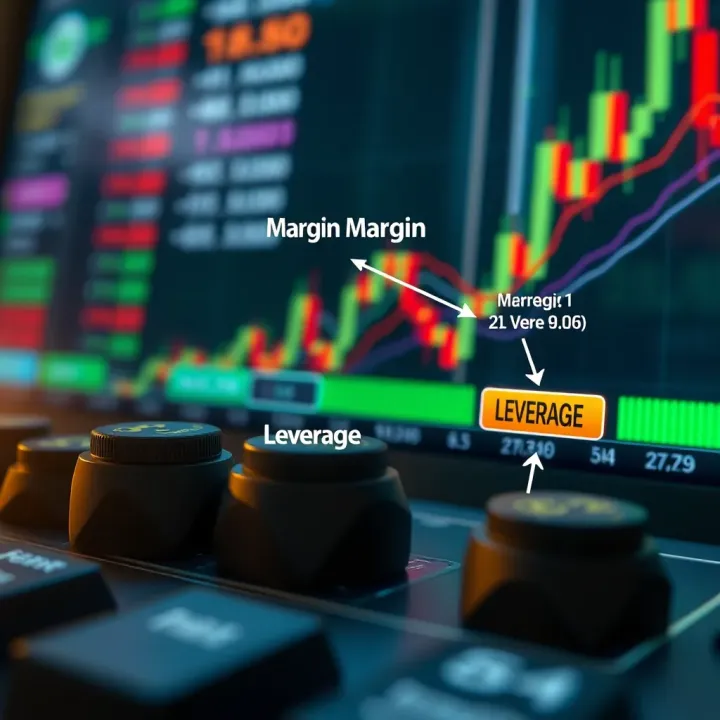
Margin in Forex Trading: A Guide for Kenyan Traders
📊 Learn how margin in forex trading helps Kenyan traders control bigger positions with less capital. Understand its risks and smart management tips to trade safely with confidence.
Edited By
George Mitchell
Forex sentiment is how traders feel about a particular currency or currency pair at any given time. This collective mood influences whether they are more likely to buy or sell, shaping the direction of foreign exchange markets. Unlike purely technical or fundamental analysis, sentiment captures the market’s psychology—the gut feeling that drives decisions beyond charts and news.
For Kenyan traders, understanding forex sentiment offers an extra edge. It helps identify market trends early and avoid costly traps when emotions lead to overbought or oversold conditions. For example, if many traders suddenly turn pessimistic on the US dollar against the Kenyan shilling (USD/KES), it may signal a shift before price charts confirm the move.

Positioning Reports: Brokers and platforms often publish how retail traders are distributed between buying and selling positions. A heavy skew in one direction can hint at a reversal.
Sentiment Indicators: Tools like the Commitments of Traders (COT) report or proprietary sentiment indices give a snapshot of market mood.
Social Media and News: Watching chatter on trading forums or news sentiment can reveal the crowd’s mindset.
Forex sentiment isn’t about guessing the future; it’s about reading the crowd’s current mood to make smarter, timely trading decisions.
Using sentiment as a confirmation tool alongside price action reduces risks.
Avoiding trades when sentiment is overly one-sided helps prevent getting caught in corrections.
Identifying shifts in sentiment can hint at potential breakout points.
Ultimately, forex sentiment adds a human touch to trading strategies. With Kenya’s growing pool of forex traders using platforms like FXTM or Invest.com, mastering sentiment reading will help navigate volatile global currency swings better. Understanding not just what currencies do but how the market feels about them can turn average trades into informed, strategic moves.
Forex sentiment reflects the general mood or attitude traders have towards a currency pair, shaping their buying and selling behaviour. For Kenyan traders, understanding this sentiment is key because it reveals whether the market leans more towards optimism or pessimism about a currency’s future direction. This insight helps traders anticipate market moves that might not be obvious from just checking exchange rates or economic reports.
Forex sentiment is largely about how traders feel about a currency at any given time. This mood can be influenced by news, economic indicators, political events, or even rumours. For example, if a positive economic report comes out for the US, many traders might feel bullish about the USD and start buying USD pairs aggressively. This collective mood creates a kind of market momentum. It's not just numbers; it's how traders collectively behave based on their expectations and fears.
Understanding trader psychology helps Kenyan traders spot when a currency’s price might rise or fall because people tend to herd—meaning they follow the crowd. This behaviour often leads to trends, which can be surprising in otherwise stable economic conditions.
While fundamentals focus on hard data like interest rates, GDP growth, or inflation, sentiment captures the emotional side of trading. A currency might be fundamentally strong, but if traders feel nervous or doubtful, its sentiment could be negative, leading to price declines. Conversely, a currency could have poor economic reports but still see price gains if sentiment turns hopeful or speculative.
For instance, the Kenyan shilling might weaken due to higher inflation figures (a fundamental factor), but if traders feel confident that foreign investment will flow in soon, the sentiment might actually support a stronger shilling. Understanding this contrast lets Kenyan traders avoid relying solely on fundamentals or sentiment but use both in balance.
Sentiment often triggers sharp price moves, especially in the short term. When many traders suddenly change their views—for example, after news like a surprise interest rate change—the resulting rush to buy or sell can push prices rapidly. This happens even before fundamentals fully digest or reflect in official figures.
In the Kenyan context, during political uncertainty before elections, sentiment-driven volatility in the USD/KES can spike. Traders react swiftly to news or rumours, sometimes causing price swings not immediately justified by economic data.
In short-term trading, sentiment is often king. Day traders or scalpers might rely heavily on sentiment indicators because these show the current market mood and help them catch quick moves. For example, they might watch retail trader positioning or social media chatter to sense which way the wind is blowing.
Long-term investors, however, tend to focus more on fundamentals, like Kenya’s economic growth, trade balance, or central bank policies. Still, even long-term traders shouldn't ignore sentiment completely—it can influence entry and exit timing to get better price points.
Successful trading in forex comes from recognising when market sentiment is driving prices and when fundamentals will eventually assert themselves. Kenyan traders who balance these aspects tend to perform better and avoid costly mistakes.
By grasping what forex sentiment means, Kenyan traders can better read the markets and use this understanding to improve their trading strategies and timing.
Understanding how traders measure and analyse forex sentiment is key to interpreting market behaviour. Sentiment shows the general attitude among investors towards a currency pair, often driving price fluctuations. By tracking this mood, Kenyan traders can spot potential shifts before the charts fully react, giving a practical edge.

The Commitment of Traders report is published weekly by the US Commodity Futures Trading Commission (CFTC). It discloses the positions held by large institutional traders and speculators in futures markets, including forex pairs. This insight helps traders see whether the "smart money" is bullish or bearish on certain currencies.
For example, if the COT shows growing long positions among commercial hedgers in the USD/KES pair, it might indicate increasing confidence in the US dollar against the Kenyan shilling. Kenyan traders can use this information alongside other data to adjust their positions or manage risk accordingly.
Retail traders' positions, often available through brokers’ sentiment tools, show the percentage of traders who are long or short on a currency pair. While retail traders typically follow trends, a high concentration on one side can signal an impending reversal due to the contrarian nature of markets.
In Kenya, many use brokers like HotForex or FXPesa that provide real-time retail sentiment data. For instance, if 80% of retail traders are long on EUR/USD, a savvy trader might be cautious about joining the crowd, instead watching for signs of a pullback or correction.
News headlines and social media chatter affect market mood quickly, especially during economic releases or political events. Tools that analyse the tone of news articles or social posts give traders a feel of public sentiment.
Consider a scenario where negative reports about Kenya’s trade deficit flood financial Twitter and news sites. This may weaken the Kenyan shilling before any technical indicators react. Monitoring such signals helps Kenyan traders anticipate volatility and act decisively.
Sentiment data can confirm whether a price trend is supported by market consensus or if it’s facing potential resistance. For instance, if a USD/KES uptrend is accompanied by increasing bullish sentiment in the COT report and retail positions, the trend is more likely to continue.
On the other hand, if price rises but sentiment shows extreme bullishness, it might warn of an overbought market poised for reversal. Kenyan traders find this especially useful during volatile periods like election seasons when sentiment can swing rapidly.
Sentiment indicators help traders decide when to enter or exit trades by identifying crowd extremes or shifts in mood. If market sentiment suddenly turns bearish on GBP/USD following disappointing UK economic data, an early exit from long positions can protect profits.
Similarly, a contrarian trader might enter a position when retail sentiment becomes overly bearish, betting on a bounce-back. This approach requires careful analysis but can enhance timing in the fast-moving forex market familiar to Kenyan traders.
Monitoring forex sentiment is like having a weather forecast before you head out. It won't tell you every detail but helps you prepare for changes that might otherwise catch you off guard.
Mastering these tools and understanding their practical applications makes forex sentiment analysis a valuable part of your trading toolkit here in Kenya and beyond.
Forex sentiment analysis helps traders understand market mood, but it’s not without challenges. Relying too heavily on sentiment alone can mislead, particularly when market data is noisy or moods shift quickly. For Kenyan traders aiming to read the forex market accurately, recognising these pitfalls is essential to avoid costly mistakes.
Noise in retail data often clouds the true picture of market sentiment. Most retail traders, especially newcomers, tend to crowd popular trades, sometimes driven by hype or rumours rather than solid fundamentals. This influx creates misleading signals that suggest strong sentiment where there might only be temporary excitement. For example, if many traders pile into USD/KES expecting the shilling to weaken due to a sudden news report without considering government interventions or central bank policies, the apparent market mood can quickly reverse, resulting in losses.
Another issue is that retail data can be distorted by automated trading bots which don’t reflect human sentiment. Such noise makes it hard to distinguish between genuine shifts in trader mood and random fluctuations.
Sudden shifts in market mood also complicate sentiment analysis. Forex markets can change direction abruptly following unexpected events—like a surprise interest rate decision by the Central Bank of Kenya or a geopolitical development. Such twists can quickly flip sentiment from bullish to bearish, catching traders off-guard if they rely solely on previous sentiment trends. For instance, during election periods in Kenya, sentiment around KES might rapidly swing due to political uncertainty, rendering earlier sentiment indicators outdated. Successfully navigating this requires monitoring real-time news and being ready to adapt strategies swiftly.
Combining technical and fundamental factors strengthens trading decisions. Technical analysis, including chart patterns and moving averages, offers a concrete view of price trends and momentum, while fundamental analysis examines economic indicators like inflation or trade balances. Using sentiment as a supplementary tool helps confirm signals rather than dictate trades alone. For Kenyan forex traders, this means looking beyond just traders’ mood; consider Kenya’s inflation rate reports or global commodity prices that affect shilling valuation before committing funds.
Avoiding emotional bias is vital when interpreting sentiment data. Traders may feel tempted to chase the crowd or panic during sudden market drops. Recognising this tendency reduces rash decisions based on fear or greed. For example, if sentiment data shows a strong sell-off of EUR/USD but Kenya’s import bill makes shilling strength favourable, a balanced trader questions the prevailing mood instead of following blindly. Staying disciplined and sticking to a clear trading plan helps counteract emotional influences.
Sensible forex trading comes from blending sentiment insights with solid analysis and avoiding knee-jerk reactions to shifting moods.
Understanding these challenges equips Kenyan traders to use sentiment as a useful guide, not a sole decision-maker, improving chances for consistent Forex success.
Forex sentiment analysis is not just a global concept; it holds particular value for Kenyan traders aiming to navigate their unique market conditions. Understanding sentiment helps traders interpret how collective moods shape currency movements, especially for the Kenyan shilling (KES) which often reacts to both international and domestic economic factors. Applying these insights can lead to better timing of trades, improved risk management, and enhanced strategy adaptation to local realities.
M-Pesa has transformed financial transactions in Kenya, making mobile trading accessible even to those outside Nairobi’s financial hubs. Many online brokers now accept deposits and withdrawals via M-Pesa, allowing traders to fund accounts without lengthy bank procedures. Mobile platforms like Binomo, FXPesa, and XM provide easy access on smartphones, letting traders monitor forex sentiment indicators and execute trades where there might be poor internet infrastructure or power issues.
This mobile-first approach means traders can react more swiftly to sentiment shifts, such as news affecting the USD/KES pair. For example, during unexpected global events, a Kenyan trader can use a mobile app and M-Pesa to quickly adjust positions rather than wait until visiting a physical bank.
Kenyan traders need credible sentiment signals to avoid false cues common in noisy retail data. Many broker platforms now feature sentiment indicators showing the proportion of clients buying or selling specific pairs, providing real-time market mood. Besides this, global sources like the Commitment of Traders (COT) reports and financial news platforms from Bloomberg or Reuters help confirm broader trends.
For local flavour, traders should also watch reports on Kenya’s macroeconomics, such as Central Bank announcements or inflation data, which influence KES sentiment. Reliable data reduces guesswork, enabling traders to combine sentiment with fundamentals effectively.
Kenyan markets can be volatile during election cycles, budget releases, or periods of external shocks like drought affecting exports. Traders should modify their strategies by factoring in these local influences alongside global sentiment trends. For example, when significant government spending is announced, the shilling might weaken temporarily, despite general positive global sentiment.
Also, since Kenya’s trading hours overlap partially with major forex markets, real-time sentiment data during these times is most useful. By considering market liquidity and news flow specific to Kenyan trading hours, traders can make more informed decisions.
The USD/KES pair is highly sensitive to Kenya’s trade balance, foreign investment flows, and diaspora remittances. When sentiment around the USD strengthens, perhaps due to rising US interest rates, Kenyan traders often see KES depreciate. Conversely, improved domestic economic data or increased FX inflows can bolster shilling sentiment.
Traders following sentiment indicators might notice shifts ahead of scheduled Central Bank rate decisions or international announcements, allowing them to position accordingly. For instance, if sentiment surveys show increasing selling interest in USD, traders might prepare to buy KES expecting appreciation.
Global incidents such as US Federal Reserve policy changes, geopolitical tensions, or commodity price swings affect not just international currencies but ripple directly to the Kenyan shilling. For example, a spike in crude oil prices tends to weaken KES due to higher import costs, reflected in shifting sentiment among forex traders.
Kenyan traders monitoring global news alongside sentiment tools can anticipate such moves better. This means watching headlines from trusted financial news sources and cross-checking retail sentiment before trading KES pairs, especially USD/KES and EUR/KES.
Successful Kenyan traders blend global market mood with local economic realities, leveraging mobile technology and credible data to navigate forex sentiment effectively.
Forex sentiment analysis relies heavily on the right tools and resources. For Kenyan traders, having access to reliable platforms and services can make a real difference in understanding market mood and making informed decisions. These tools help traders spot shifts in sentiment early, confirm signals from other analysis methods, and manage their trades better.
Broker sentiment indicators provide a snapshot of how a broker’s clients are positioned in the market—whether more traders are buying or selling a particular currency pair. For example, if a significant number of clients are long on USD/KES, it might signal bullish sentiment. This insight is useful because retail traders often follow crowd behaviour, so knowing the majority’s stance can help you spot potential reversals or confirmation of trends. Popular brokers operating in Kenya like IG Markets or XM offer such sentiment indicators on their trading platforms.
Financial news sites and social analytics are another valuable resource. Financial news portals such as Bloomberg or Reuters provide real-time updates on global events influencing forex sentiment. In addition, social media analytics monitor discussions on Twitter or specialised trading forums to gauge public mood about currencies. For Kenyan traders, staying updated on stories about the Kenyan shilling or global US dollar moves through these channels gives a broader context to the market mood and helps anticipate sharp price movements triggered by political decisions or economic reports.
Mobile apps popular in Kenya like MetaTrader 4/5, TradingView, and the Safaricom Money app allow access to sentiment data on the go. MetaTrader includes broker sentiment indicators, while TradingView offers social sentiment features showing public ideas and charts. Safaricom’s app doesn’t provide direct sentiment tools but is vital for quick fund transfers via M-Pesa, which means funds move swiftly in and out of trading accounts. This integration of payment and trading tools ensures Kenyan traders can monitor sentiment and act promptly.
Setting alerts for sentiment changes helps traders stay ahead without constantly watching the market. Many platforms let you set notifications when sentiment on a currency pair hits a threshold, such as when retail positioning becomes overwhelmingly long or short. For instance, you can get an alert if 80% of traders suddenly take a short position on EUR/USD. This timely heads-up lets you reconsider your trade or prepare for a potential price move informed by crowd psychology.
Interpreting sentiment reports effectively is about reading these signals alongside price action and other analysis methods. Sentiment extremes—where most traders are on one side—might indicate an impending reversal rather than continuation. That said, avoid blind reliance on sentiment alone; use it as a tool to confirm fundamentals or technical signals. Kenyan traders especially benefit from combining sentiment insights with knowledge of local events like central bank policy changes or Kenya’s trade balances to make balanced decisions.
Using the right sentiment tools doesn’t promise guaranteed profits, but it equips you with a clearer picture of market mood to trade smarter and with greater confidence.
In summary, traders should explore broker indicators, financial news, and popular apps to track forex sentiment. Integrating these tools systematically through alerts and careful interpretation improves decision-making in the fast-moving forex markets relevant to Kenya’s trading environment.
📊 Learn how margin in forex trading helps Kenyan traders control bigger positions with less capital. Understand its risks and smart management tips to trade safely with confidence.

📘 Discover how Forex trading PDFs can boost your skills with practical steps, key concepts, and trusted sources, tailored for Kenyan traders eager to succeed.
📈 Learn how Kenyan traders can use TradingView.com to analyse charts, access market data, explore subscription plans, and enhance local trading strategies effectively.
Discover how Quotex broker suits Kenyan traders with detailed insights on trading tools, account types, risk management, payment options like M-Pesa, and platform usability 📈🇰🇪
Based on 14 reviews