

Choosing and Using a Forex Trading App in Kenya
Learn how to choose and use forex trading apps in Kenya 🇰🇪, explore top options, key features, risks, and tips for safely trading in KSh with M-Pesa and local tech.
Edited By
Emily Cartwright
Starting forex trading without a solid background is like trying to navigate Nairobi’s bustling CBD without a proper matatu route map — you might get lost or spend more than needed. This is where a forex course comes in handy, especially tailored for Kenyan traders. It builds your foundation in the foreign exchange market, showing you how currencies move, what factors influence exchange rates, and how to make informed decisions that protect your capital.
A good forex course goes beyond just theory. It covers essential tools like reading charts, understanding candlestick patterns, and using indicators. For example, while a trader in Nairobi might rely on basic price actions, learning how to combine technical analysis with key Kenyan economic news — like CBK interest rate changes or trade data — sharpens your edge.

Successful trading is not about guesswork; it’s about having the right knowledge and applying it smartly.
Most courses offer various learning methods. These include live online classes, video tutorials, and downloadable resources. Defensive traders might prefer paced lessons they can revisit, while active hustlers might benefit from live sessions to ask specific questions in real-time.
You should also check how the course handles risk management. Forex trading involves significant risks, so lessons on stop-loss orders, position sizing, and emotional discipline are key. Managing risk well can prevent a one-time loss from wiping out weeks of profits.
Before enrolling, consider these factors to choose the right course:
Credibility of the instructor: Are they active traders or just lecturers?
Relevance to Kenyan market: Does the course address local economic events and regulations?
Practical assignments: Does it include simulated trading or real market examples?
Support system: Is there access to mentors or a traders' community for ongoing learning?
Trading isn’t just about making quick gains; it requires continuous learning and adapting. A well-chosen forex course acts like a compass, guiding you through currency markets with practical steps and local insight. In the sections ahead, we’ll explore how to spot good courses, apply your knowledge, and grow your confidence as a forex trader in Kenya.
A solid grasp of what a forex course offers is the foundation for any Kenyan trader aiming to succeed in foreign exchange markets. This understanding sets realistic expectations and guides you to courses that match your learning needs and trading goals. Whether you're new to forex or looking to sharpen your skills, knowing the core components helps you select a course that delivers practical value.
Forex trading centres on buying and selling currency pairs, such as the US dollar against the Kenyan shilling (USD/KES) or the euro against the dollar (EUR/USD). Each pair consists of a base currency and a quote currency, and their relative value fluctuates. Practical learning about pairs helps you identify which markets to focus on and understand the costs involved, like spreads or commissions.
In Kenya, many traders start by exploring major pairs that include the US dollar due to its global influence and availability of data. Understanding the structure and timing of forex markets—open 24 hours across different global sessions—allows you to pick the best times to trade, especially when liquidity and volatility are higher.
Price changes in forex happen because of supply and demand shifts influenced by economic events, political developments, or market sentiment. A course explaining these dynamics equips you to spot trends and reversals, key for timing entries or exits.
For instance, if the Central Bank of Kenya adjusts its monetary policy, this can cause the KES to strengthen or weaken against other currencies, presenting trading opportunities. Practical examples like this help learners connect theory to market realities and develop a feel for reading charts and news.
Courses usually introduce various approaches to trading, such as scalping, swing trading, or position trading. Learning technical analysis involves understanding chart patterns, indicators, and price action to predict future movements. Practising with tools like moving averages or Relative Strength Index (RSI) gives traders practical ways to plan trades and manage risk.
For Kenyan traders, who often engage via mobile platforms, mastering quick decision-making using charts is especially important. A good forex course offers clear, hands-on lessons so you can test strategies on demo accounts before risking real money.
Understanding how factors like GDP growth, inflation rates, interest rate changes, and geopolitical events influence currency values is central to fundamental analysis. A forex course that explains these elements helps you interpret news and data releases, such as US jobs reports or EU economic statements.
Kenyan traders benefit by focusing on indicators that impact currencies they trade directly, for example, how Kenya’s economic performance or tourism data might affect the shilling. This awareness prevents overreacting to irrelevant news and improves your timing.
One of the biggest reasons traders lose money is the lack of disciplined risk management. A forex course with a solid focus here teaches you how much to risk per trade, how to use stop-loss orders, and how to size positions appropriately.
For example, risk management might mean never risking more than 1-2% of your trading capital on a single position. Learning to control emotions and stick to your plan preserves your funds through losing periods, allowing you to stay in the game long enough to profit.
A thorough forex course balances theory with real trading tactics, ensuring you can apply what you learn in Kenya’s unique market environment.
Choosing the right type of forex course matters because it can shape how quickly and effectively you learn to trade. In Kenya, where access to reliable networks and personal schedules vary widely, understanding the formats and content options helps traders pick what fits their needs best. Instead of a one-size-fits-all approach, selecting the appropriate course based on delivery style, cost, and level can make a big difference for your success.
Remote learning brings flexibility that suits many Kenyan traders juggling jobs or side hustles. You can access sessions anytime from Nairobi, Mombasa, or even upcountry, which eliminates travel costs and saves time. Platforms offering recorded lessons allow you to revisit tricky concepts like Fibonacci retracements or RSI indicators at your pace. However, limited personal interaction can make it harder to ask immediate questions or get hands-on guidance, especially when interpreting live chart movements.
Face-to-face training, on the other hand, offers a more engaging environment. Physical classes encourage networking with fellow traders, sharing experiences from local brokers, and real-time instructor feedback. For example, a forex workshop in Westlands might offer direct mentorship, boosting confidence during live trading simulations. But these sessions can be costly and may not fit into busy schedules, plus transport expenses add up especially for those living far from urban centres.
Free forex courses in Kenya usually cover the basics such as understanding currency pairs, market hours, and simple trading strategies. They’re a great way to test if forex trading interests you before committing money. Many free courses will also introduce you to demo accounts and basic risk management. Still, you should expect limited depth and little personal support, which might leave some questions unanswered.
Paid courses go beyond fundamentals, offering detailed modules on technical and fundamental analysis, strategy backtesting, and psychological aspects of trading. They often include personal coaching, live market sessions, and access to exclusive community forums. For instance, a paid Kenyan forex course might cover using M-Pesa to fund accounts or understanding CMA regulations. Although pricier, these extras help build practical skills and protect you from common pitfalls, making them worth considering if you’re serious about forex trading.
Beginner courses introduce essential topics like how forex markets operate, reading candlestick charts, and simple entry and exit points. They also stress money management principles relevant in volatile markets. Covering Kenyan market context, such as choosing brokers that accept local payment methods, ensures new traders start confidently without unnecessary risk.
Advanced programmes dive into complex strategies like algorithmic trading, harmonic patterns, and intermarket analysis. Seasoned traders learn to fine-tune their setups, manage larger portfolios, and adapt to economic events affecting forex prices globally. For example, advanced lessons might examine how US Federal Reserve decisions impact the USD/KES pair and suggest timely responses. This level suits Kenyans aiming to trade professionally or incorporate forex into broader investment planning.
Picking the right type of forex course aligns your trading journey with your learning preferences, schedule, and goals, ultimately shaping your chances to thrive in Kenya’s growing forex market.
Choosing the right forex course can significantly shape your journey as a trader. It’s not just about learning the basics; the course should suit your specific needs, the Kenyan trading environment, and offer good value. Clear criteria help you avoid wasting time and money on ineffective training.
Checking qualifications and track records is the first step. A course led by instructors with proven trading experience and recognised certifications, such as those from international bodies like the Chartered Market Technician Association (CMTA), usually offers reliable knowledge. It also pays to confirm if the trainers have practical success, not just theory. For example, a Kenyan forex educator with a track record of profitable trading and a history of mentoring local traders adds more credibility than anonymous online instructors.
Reviews and testimonials from Kenyan students provide firsthand insight. Positive feedback from peers who’ve applied the course lessons with success, especially in Kenya’s unique market setup, helps validate course effectiveness. Look for details on learning support, responsiveness to questions, and ongoing mentorship, which often distinguish good courses from poorly organised ones.
A course that addresses local market regulation and trading environment better equips you for real challenges. Kenya’s Capital Markets Authority (CMA) has specific rules governing forex trading and brokers. A course that explains these regulations helps avoid scams and compliance issues. It might also discuss how to select authorised brokers, an aspect sometimes overlooked in generic forex courses.
Including payment methods like M-Pesa and brokers popular with Kenyans is equally important. Since M-Pesa dominates financial transactions here, your course should cover brokerage accounts that accept M-Pesa or local banks for funding and withdrawals. For instance, learning how to fund your trading with M-Pesa or direct bank transfers simplifies entering live markets without unnecessary hurdles.
When it comes to price, compare what you get against expected outcomes. A course charging KSh 30,000 that offers comprehensive training, hands-on practice, and ongoing support provides better value than one costing KSh 10,000 but delivering only basic videos. Remember, cheaper isn’t always better if it leaves you confused or unprepared.
Additionally, be aware of hidden fees or ongoing support charges. Some courses might initially appear affordable but then require extra payments for advanced modules, market alerts, or coaching sessions. A transparent course structure with clearly stated costs helps you budget without surprises and supports your trading beyond the classroom.
Picking a forex course with solid credibility, local relevance, and clear costs puts you on firmer ground to succeed. In Kenya’s trading scene, these criteria make a real difference between learning and merely spending.
By keeping these points in mind, you can select a forex course that not only teaches but truly equips you to trade confidently and safely within Kenya’s market.
Maximising your learning from a forex course is vital, especially in Kenya where market conditions can differ from global trends. This requires more than just attending classes; it's about applying lessons practically, developing good habits, and tapping into supportive communities. Well-chosen strategies help turn theoretical knowledge into confident trading actions.
One of the best ways to learn forex trading is through demo accounts, which let you practice strategies without risking real money. Demo accounts simulate live markets, so you can test trading ideas and observe how market events influence price movements. For example, if you learned about moving average crossovers, a demo account lets you see how this strategy works in real time with Kenyan shilling pairs or major currencies like USD/KES.
Keeping a detailed trade log is equally important. Recording your trades, including reasons for entry and exit, emotions felt, and outcomes, helps identify patterns in success or mistakes. For instance, if you notice losses mostly occur during certain news releases or after ignoring stop-loss limits, you can adjust your approach to manage risks better in live trading.
Setting clear trading goals and limits keeps you grounded. Rather than chasing massive returns, plan achievable targets like making consistent, small profits monthly. Also, establish loss limits to protect your capital—for example, deciding not to risk more than 2% of your trading account on a single trade. This prevents emotional decisions that often lead to heavy losses.
Using risk management tools is crucial. Tools like stop-loss orders and take-profit points help you automate discipline. For example, suppose the policy is to cut losses at KSh 1,000 or take profit at KSh 2,000. Such controls reduce stress and protect you during volatile periods, especially important when trading forex with local brokers who support M-Pesa transactions.
Joining Kenyan forex forums, webinars, and social media groups connects you with other traders facing similar challenges. Such communities provide practical insights on brokers, emergencies like platform downtime, and updates on Kenya’s regulatory environment. Engaging actively helps you stay informed about unique local issues like CMA guidelines or payment integration challenges.
Continuous improvement through refresher courses keeps your skills sharp as markets evolve. Enrolling in updates that focus on recent trends, new tools, or advanced technical analysis ensures you don’t remain stuck in outdated methods. Given how fast currency values can shift due to global events, revisiting learning periodically is a wise move.
Consistent practice, clear rules, and community support are your best allies in turning forex education into real trading success in Kenya.
By working these strategies into your learning routine, you set yourself up to navigate forex trading with confidence and a strong foundation tailored to Kenyan market realities.
Applying what you learn from a forex course to real trading in Kenya marks the shift from theory to practice. This stage demands understanding not just market concepts but local trading environments, regulations, and practical tools. For Kenyan traders, course knowledge becomes valuable only when adapted to opening accounts, complying with laws, and managing risks effectively in real markets.
Opening a trading account starts with registration, where you provide personal details and valid identification. Kenyan brokers typically require national ID or passport copies, proof of residence, and sometimes a KRA PIN (Kenya Revenue Authority Personal Identification Number). Verification protects both you and the broker by confirming your identity and reducing fraud risks.
For international brokers, the process is similar but may include additional steps like tax declarations or proof of source of funds. This step ensures you're legally allowed to trade and withdraw profits. It's wise to pick brokers that are transparent on these procedures and comply with Kenyan laws.
When funding your trading account, convenience and safety matter. Most Kenyan traders prefer M-Pesa due to its ubiquity and ease, allowing instant deposits even with small amounts. Some brokers now accept M-Pesa payments directly, bypassing traditional bank hurdles.
Alternatively, bank transfers remain common, especially for larger sums. Using local banks like Equity or KCB streamlines the process, but transfers might take a day or two. Always confirm if brokers charge fees on deposits or withdrawals to avoid surprises.
The Capital Markets Authority (CMA) regulates all forex trading within Kenya to safeguard investors. They expect brokers and trading platforms operating locally to be licensed or approved. Trading with CMA-regulated brokers offers legal protection and dispute resolution avenues.
Kenyan traders should check if their broker appears on the CMA register. Trading with unregulated platforms increases risk of scams and loss. The CMA also updates guidelines regularly, so staying informed helps you remain compliant and avoid unwittingly breaching rules.
In live trading, sharing personal data is inevitable, but it must be handled securely. Only provide sensitive documents through secured broker portals, avoid email submissions, and use strong passwords.
Unfortunately, forex trading attracts scammers posing as brokers or offering unrealistic profits. Be wary of unsolicited offers or pressure to deposit large sums quickly. Verified brokers comply with data protection laws and have clear communication channels. Kenyan traders should report suspicious activities to the CMA or consumer protection agencies.
Risk management is the backbone of surviving live forex trading. Kenyan traders should use tools like stop-loss orders, which automatically close positions when losses hit a set limit. This prevents erosion of your trading capital when markets move against you.
Another technique is position sizing—only risking a small percentage (commonly 1–2%) of your total capital on a single trade. This way, a bad trade won't wipe out your entire account. Applying these methods guards your funds and builds long-term trading ability.
While stories of quick, huge forex profits circulate, sustainable growth is usually slow and steady. Beginners must temper expectations and avoid chasing big wins. Aim for consistent small gains and use compounding to build your portfolio.
For example, earning 5% monthly on your trading capital is already a strong performance in forex. Such realistic targets reduce frustration and encourage disciplined trading. Remember, losses are natural, so managing emotions is as critical as strategy.
Applying your forex course knowledge carefully and within Kenyan market realities ensures you trade responsibly while protecting yourself from common pitfalls. It's about steady learning, prudent action, and disciplined risk control.
Learn how to choose and use forex trading apps in Kenya 🇰🇪, explore top options, key features, risks, and tips for safely trading in KSh with M-Pesa and local tech.
📈 Master forex trading in Kenya with this detailed guide covering market basics, risk management, strategies & where to find trusted full-course PDFs. Start smart!
📈 Learn how forex trading works and what Kenyan investors should know before starting. Get practical tips, risk advice, and strategies to trade currencies confidently.
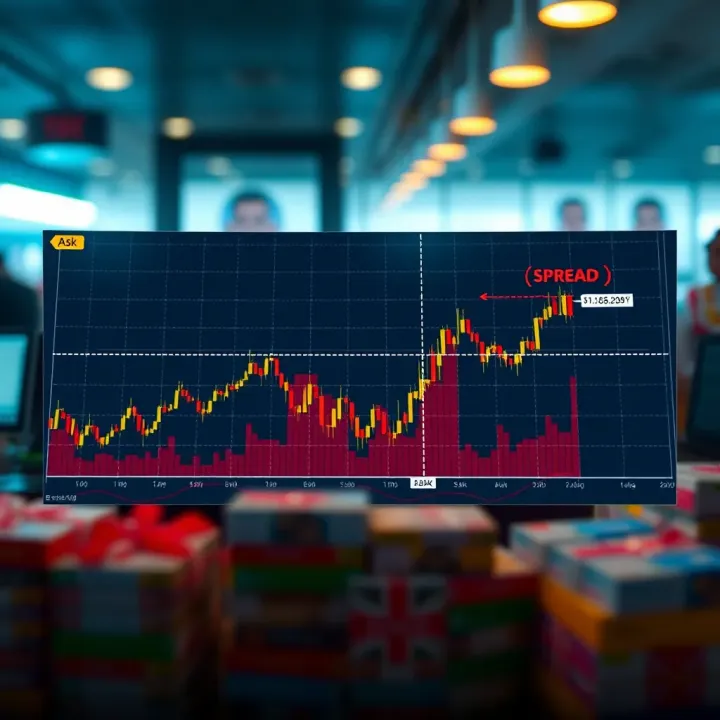
Learn how spread affects your forex trading costs and profits in Kenya 🇰🇪. Understand different spread types and get tips to manage them effectively.
Based on 9 reviews