
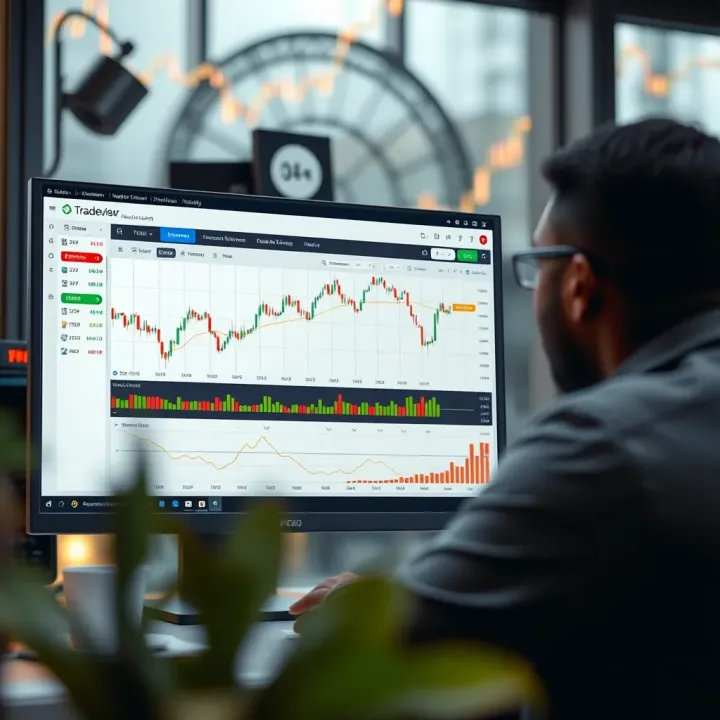
Using TradingView on Deriv: Guide for Kenyan Traders
📈 Learn how to use TradingView with Deriv for smarter trades in Kenya. Set up easily, apply key tools, and explore strategies that suit local market needs.
Edited By
Sophie Langley
Trading in Kenya is evolving fast, with many traders looking for reliable tools to sharpen their decisions. Combining TradingView's advanced charting features with Deriv's versatile trading platform offers a fresh way to approach the market. This pairing suits Kenyan traders who want detailed technical analysis alongside smooth execution of trades.
Setting up accounts on both platforms is straightforward. TradingView provides real-time charts, indicators, and drawing tools that can reveal market trends, while Deriv offers a range of financial instruments including forex, commodities, and synthetic indices. Kenyan traders benefit from this combo by leveraging TradingView’s visual insights before placing live trades on Deriv.
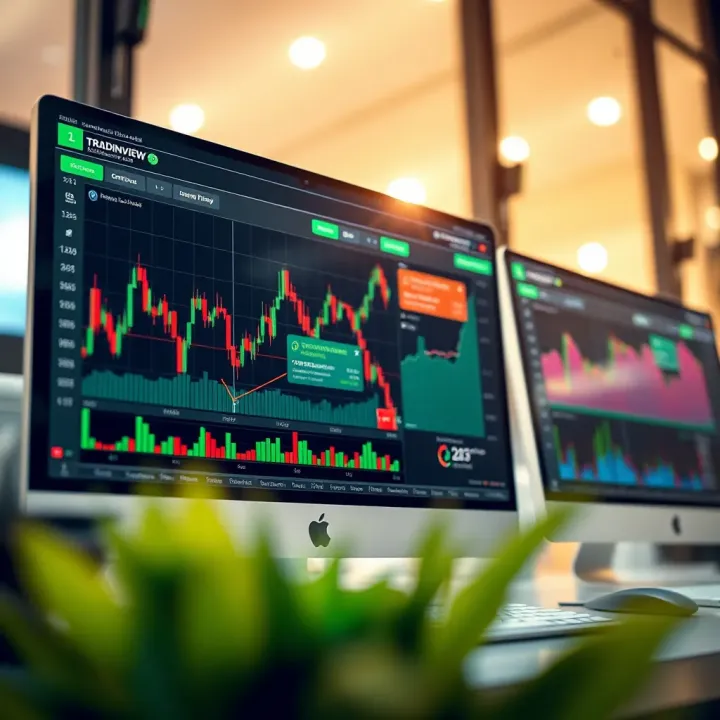
A practical step is syncing TradingView charts with Deriv. This can be done by using TradingView’s web-based charts separately while executing trades on Deriv’s user-friendly interface. I’ve found many traders prefer this dual-screen approach: one for tracking market price action in real time, and another for managing orders and risk on Deriv.
Kenyan traders should consider time zone differences when looking at global markets. Many charts on TradingView reflect GMT or US/European times, so adjusting your schedule or chart settings ensures you catch market openings and closings that affect volatility.
To get the best out of TradingView and Deriv:
Open a TradingView account and customise your charts with indicators you understand.
Register on Deriv, verifying your identity as required by Kenyan regulations.
Use TradingView to spot entry and exit points.
Evaluate your risk with Deriv's tools before committing real money.
With this setup, even traders outside Nairobi or from smaller towns can access professional-grade tools. Using both platforms side by side reduces guesswork, giving you more control over your trading outcomes.
In short, pairing TradingView’s analytical power with Deriv’s trading options helps Kenyan traders stay a step ahead without complicated setups or costly software. Later sections will cover account setup, integration tips, and hands-on strategies tailored for Kenya's trading community.
Understanding TradingView and Deriv is vital for Kenyan traders aiming to enhance their trading outcomes. While both platforms serve the finance market, they play quite different roles. TradingView excels as a charting and analysis tool, offering rich visual aids and data. Deriv, on the other hand, is a trading platform that allows execution of trades including options and CFDs. Using them together means you analyse well on TradingView and then place informed trades on Deriv.
TradingView is an online platform known for its comprehensive charting tools and social trading network. Its graphs are interactive and cover stocks, forex, commodities, cryptocurrencies, and more. A few practical features useful to Kenyan traders include real-time price feeds, an extensive library of technical indicators such as RSI and Bollinger Bands, plus customisable alerts. For instance, a trader tracking the NSE 20 index can set alerts when prices hit certain support or resistance levels. Plus, TradingView offers a community where you can share trading ideas or follow seasoned analysts.
Deriv provides a range of financial products, including binary options, forex, and CFDs. In Kenya, Deriv is popular for its simple user interface and fast execution speeds. You can fund your account via M-Pesa or bank transfers, making it accessible. Moreover, Deriv supports demo accounts, so beginners can practise without risking real money. The platform's straightforward approach suits traders who want to quickly act on market insights without grappling with confusing menus.
The main difference lies in function: TradingView is for market analysis, while Deriv is for trading execution. You won’t place trades directly on TradingView, but it helps you spot entry and exit points. For example, you might identify a bullish engulfing candlestick pattern on TradingView and then execute a call option on Deriv. This combine use allows Kenyan traders to make better-timed decisions, especially when trading volatile assets like forex pairs or gold.
Additionally, Deriv’s platform includes basic charting but lacks the depth and community features of TradingView. Conversely, TradingView doesn’t offer direct trading, which is where Deriv comes in. Together, they offer a full package: strong analysis with TradingView and reliable trading execution on Deriv.
Kenyan traders looking to boost their trading outcomes benefit most when using TradingView as the analysis foundation and Deriv as the trading arena. This combo supports smart entry and exit points tailored for local market conditions and practical payment options.
By embracing the strengths of both, you reduce guesswork and stand a better chance in the competitive trading space. That said, knowing each platform’s role clearly prevents confusion during live market moves and optimises your trading workflow effectively.
To trade effectively using TradingView with Deriv, the first step is setting up both accounts properly. For Kenyan traders, having accounts on these platforms opens doors to better charting tools and seamless trading experiences. Each platform serves different functions: TradingView offers advanced charting and technical analysis, while Deriv is where trades are executed. Setting up accounts correctly ensures you can fully use these strengths without hitches.
Starting with TradingView, opening an account is straightforward. Visit the TradingView website and provide your email or connect via Google or Facebook. Beginners can begin with the free plan, which includes access to basic charts and community scripts. However, Kenyan traders looking for in-depth analysis might consider the Pro or Premium subscriptions. These paid plans offer extra features like multiple indicators per chart, alerts, and ad-free use, helping you to keep track of the dynamic markets more efficiently.
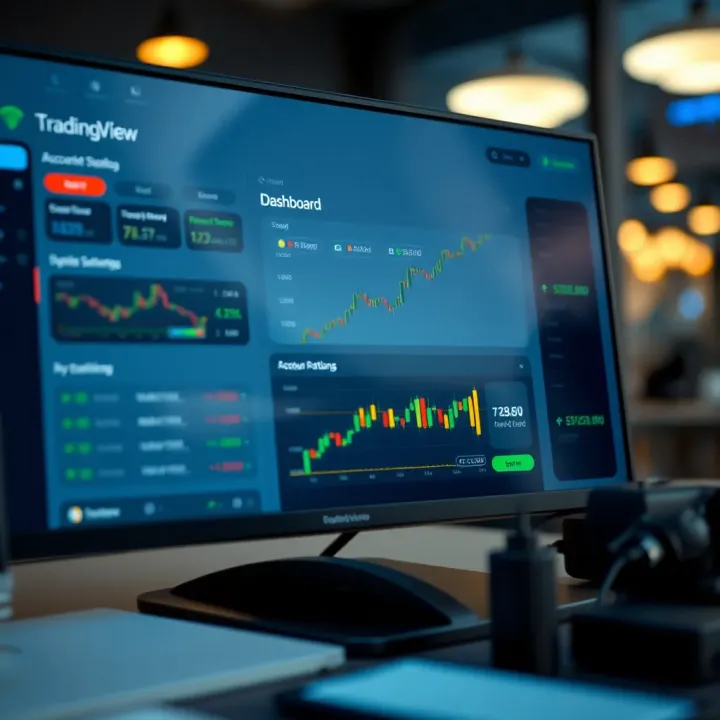
For example, Pro gives you access to ten indicators per chart and allows two charts per layout, which can be handy if you analyse forex and commodities simultaneously. The cost is reasonable and can be paid via international cards or PayPal, which are easy for many Kenyans to access.
Deriv’s registration mirrors other forex or CFD platforms, where the key step after signing up is completing KYC (Know Your Customer) details. You will need an official ID such as a Kenyan national ID or passport, proof of residence like a utility bill, and sometimes a selfie to confirm identity. This procedure ensures compliance with international regulations and helps keep your account safe.
Kenyan traders should expect this to take a couple of days, depending on how quickly you submit documents and Deriv's current workload. Once verified, you can fund your account and start trading. Deriv also supports demo accounts, which allow you to practise before committing real money.
When funding either TradingView for subscription or Deriv for trading, Kenyan payment options matter a lot. For Deriv, funding methods include bank cards, bank transfers, and e-wallets. Notably, M-Pesa, Kenya’s mobile money dominant service, is increasingly accepted on Deriv through integrated payment solutions like Lipa Na M-Pesa or third-party processors.
Regulatory wise, Deriv operates without a physical licence in Kenya but is regulated internationally by bodies like the Malta Financial Services Authority. It’s crucial to remain aware that trading involves risks, and Kenyan traders should approach leverage and risk management cautiously. Also, confirm that your payment method does not carry high foreign transaction fees.
By carefully setting up TradingView and Deriv accounts while considering local logistics, Kenyan traders position themselves to trade confidently. The next step is connecting these tools to make the most of the market signals and trades ahead.
Integrating TradingView charts with Deriv helps Kenyan traders make better, data-driven decisions by combining detailed market analysis with real-time trading execution. TradingView offers advanced charting tools and a wealth of technical indicators not fully available on Deriv's native platform. By using both, you can pinpoint entry and exit points more precisely and spot trends early.
You don’t need to switch back and forth endlessly between platforms. Most Kenyan traders open TradingView on a separate tab or device alongside Deriv. Since Deriv doesn’t support direct integration with TradingView, this side-by-side setup is the practical way to work. For example, you might keep a laptop with TradingView charts open while placing trades on Deriv’s platform through your mobile phone. This dual-screen or multi-device strategy helps you make informed trades without delay.
Using TradingView’s free or paid versions depends on how many indicators you want. The free plan can cover basic charting needs well, but if you’re trading forex or synthetic indices on Deriv, upgrading to a Pro plan might be worthwhile for extra indicators and alert customisation.
TradingView’s rich set of tools lets you analyse price trends and volume changes clearly. For instance, you can draw trend lines to identify support and resistance levels, helping you decide when to buy a Deriv option or forex pair. Kenyan traders often combine moving averages with the Relative Strength Index (RSI) to confirm trends. If RSI shows an asset is oversold while the price bounces from support, that might signal a good Deriv trade.
Another helpful tip is using candlestick pattern recognition on TradingView to predict short-term price movements, which fits well with Deriv’s turbo or digital options trading. For example, spotting a bullish engulfing pattern on TradingView may prompt you to enter a long call on Deriv.
TradingView allows you to tailor indicators to match your trading style, which is key to staying ahead. Set up alerts for price levels or indicator signals that matter to your Deriv trades. For instance, you can customise alerts when the asset price crosses a moving average or when RSI dips below 30, then immediately check Deriv to execute your trade.
Here are some practical steps:
Use simple moving averages (SMA) set at 20 and 50 periods for trend direction.
Combine with RSI set to 14 periods to gauge momentum.
Enable alerts on TradingView for these indicators crossing certain thresholds.
This proactive setup reduces the risk of missing good opportunities due to platform switching.
Combining TradingView’s powerful analysis with Deriv’s trading platform creates a streamlined setup. Kenyan traders gain a strong edge by spotting setups early and executing trades confidently without second-guessing.
In the Kenyan trading environment where speed and precise info matter, adopting these integration techniques can sharpen your trading skills and improve your bottom line.
TradingView and Deriv form a strong combination for Kenyan traders looking to sharpen their market moves. TradingView offers detailed charting tools and technical indicators, while Deriv provides a platform for executing trades based on those insights. Applying practical trading strategies helps avoid guesswork, turning data into actionable decisions. Kenyan traders gain an edge by understanding how to read charts correctly and safeguard their capital through proven techniques.
Trend lines and support/resistance play a crucial role in spotting potential price movements. Drawing trend lines helps identify the market direction — whether it’s climbing, falling, or moving sideways. For example, if the price on a currency pair like USD/KES consistently bounces off a rising trend line, it signals buying interest. Support and resistance levels mark price zones where the market pauses or reverses, so knowing these helps traders predict entry and exit points effectively.
Moving averages and RSI (Relative Strength Index) smooth out price fluctuations to reveal trends and momentum. Moving averages, like the 50-day or 200-day, show the average price over set periods, assisting traders in identifying bullish or bearish phases. RSI, on the other hand, signals overbought or oversold conditions, indicating when a reversal might be near. For example, an RSI above 70 suggests overbought—meaning prices might soon drop—while below 30 signals oversold conditions.
Candlestick patterns offer visual cues about market sentiment. Patterns such as doji, hammer, or engulfing reveal potential reversals or continuations. On TradingView charts, Kenyan traders can spot these patterns to anticipate short-term shifts and time their trades better. For instance, spotting a hammer candlestick after a downtrend on a Deriv asset may hint at a bounce, prompting a buy decision.
Setting stop-loss and take-profit levels is vital for protecting a trading account from big losses. A stop-loss automatically closes a trade if the price moves against you by a set amount, capping your risk. Take-profit locks in gains once the price hits a favourable level. For instance, while trading forex on Deriv, setting a stop-loss 2% below your entry and a take-profit 5% above allows controlled risk and clearer targets.
Position sizing means deciding how much to risk per trade relative to your total capital. Kenyan traders should avoid placing large bets that might wipe their account after a few bad trades. For example, risking only 1–2% of the trading fund per trade ensures enough buffer to stay in the game longer and withstand losing streaks.
Avoiding overtrading helps preserve focus and minimise emotional decisions. Trading too frequently, especially in volatile markets, often leads to mistakes and unnecessary losses. Kenyan traders should pick setups that meet their strategy criteria and resist the urge to constantly enter the market, which can happen with the ease of mobile TradingView and Deriv access.
Using TradingView’s chart signals on Deriv strengthens trade timing and confidence. For example, a trader spots a bullish engulfing candle forming at a strong support level with RSI near oversold. Entering a call option or buy trade on Deriv at this point aligns both price action and momentum for better odds.
Another case is spotting a downtrend confirmed by moving average crossovers combined with a trendline break. This could prompt a put option or sell on Deriv, capitalising on confirmed market weakness. By linking signals visually on TradingView and executing quickly on Deriv, Kenyan traders improve accuracy and control their trading journey.
Practical strategies like these cut through noise, helping traders react smartly rather than react emotionally. Constant practice, adjustment for market conditions, and disciplined risk management are keys to success with these tools in Kenya’s fast-growing trading scene.
Trading with TradingView alongside Deriv offers Kenyan traders a powerful combination, but it also comes with certain challenges that need proper handling. Understanding these common issues and how to navigate them is essential for a smooth trading experience. Kenyan traders, given their local internet infrastructure and market nuances, should prepare for technical hiccups, cost considerations, and staying updated on relevant economic trends.
Latency, or delays between your action and the platform’s response, can significantly affect trading outcomes, especially in fast-moving markets like forex or cryptocurrencies. In Nairobi or other urban centres, slower internet or occasional network interruptions can cause delays or even platform freezes. One way to reduce latency is to use reliable internet sources such as fibre or stable 4G/5G networks and avoid public Wi-Fi hotspots with fluctuating speeds.
Deriv and TradingView updates occasionally come with bugs or errors that disrupt features like chart loading or order execution. It helps to regularly update your apps and clear cache data to keep the software running smoothly. If errors persist, using the Deriv web platform instead of the app may be a workaround. Also, alerting Deriv’s customer support promptly can lead to faster resolution.
TradingView offers tiered subscriptions for advanced charting and real-time data, but these costs might be a hurdle for many Kenyan traders. Luckily, TradingView’s free tier provides adequate charts and basic indicators that can suffice for most Deriv trades. Kenyan traders should prioritise indicators crucial for their strategy and use alerts sparingly to avoid subscription overload.
It is practical to combine free tools with Deriv’s inbuilt charts if necessary. For instance, use TradingView to do deep technical analysis during off-market hours and apply insights on Deriv when trading. Monitoring data costs carefully helps keep total trading expenses within a manageable budget, especially since Kenyan traders often supplement with mobile data bundles.
Markets are sensitive to news, especially in Kenya where developments like new government policies, inflation reports, or key company earnings can move prices rapidly. Staying informed gives an edge when using TradingView’s technical signals alongside Deriv trades.
Kenyan traders should follow reliable local news outlets and financial analysis platforms. Tools like the Nation, Business Daily, and Safaricom’s M-Pesa news updates can provide timely insights. Additionally, setting custom economic calendars featuring Kenyan-specific events within TradingView or using mobile alerts improves readiness to act promptly.
Keeping a keen eye on local news not only refines your trading decisions but also aligns your strategies with Kenya’s unique economic environment.
In summary, managing latency, balancing subscription costs, and staying connected to Kenyan market news are key steps for traders using TradingView with Deriv. These practical tips safeguard your trades and maximise the chances of success in Kenya’s evolving market scene.
📈 Learn how to use TradingView with Deriv for smarter trades in Kenya. Set up easily, apply key tools, and explore strategies that suit local market needs.
📈 Learn how Kenyan traders and developers can implement TradingView with ease, using practical steps for integration, customisation, and market analysis tailored to local needs.
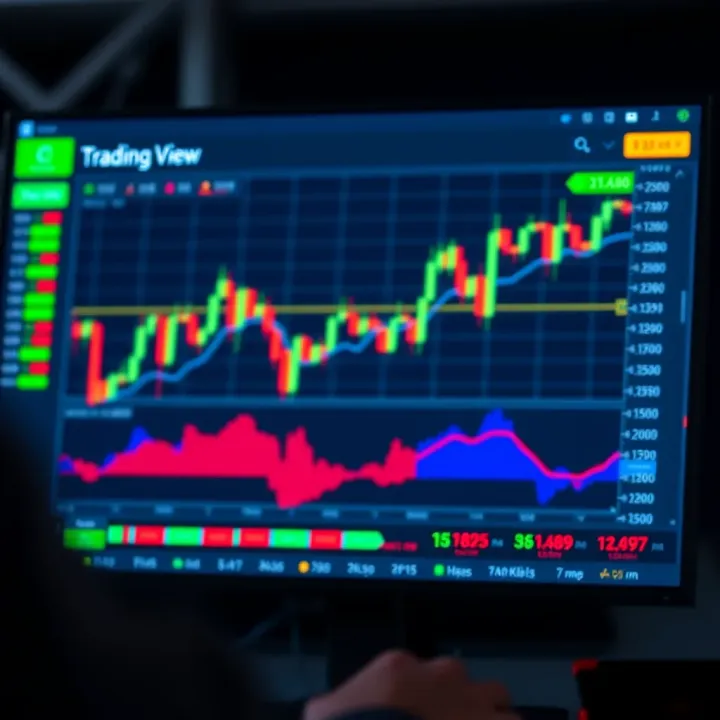
📈 Learn how Kenyan traders can use TradingView.com to analyse charts, access market data, explore subscription plans, and enhance local trading strategies effectively.
📈 Discover how TradingView supports Kenyan traders with smart charts, technical indicators, and community insights to sharpen stock, forex, and crypto decisions.
Based on 14 reviews