
Margin in Forex Trading: A Guide for Kenyan Traders
📊 Learn how margin in forex trading helps Kenyan traders control bigger positions with less capital. Understand its risks and smart management tips to trade safely with confidence.
Edited By
Chloe Evans
Forex bots are computer programmes designed to automate trading decisions on the foreign exchange (forex) market. Instead of waiting to manually analyse charts and market trends, these bots rely on preset algorithms to execute buy or sell orders instantly when conditions meet specific criteria. For Kenyan traders looking to optimise their time and capital, forex bots offer a way to keep up with the fast-moving currency markets, which operate 24 hours a day.
These automated systems use historical data, technical indicators, and market news feeds to predict price movements. For example, a forex bot might be set up to buy the US dollar against the Kenyan shilling once it detects a sudden dip beyond a certain threshold, hoping to profit when the price rebounds. Bots remove the emotion and hesitation common in manual trading, sticking strictly to their rules even when the market is volatile.
That said, forex bots are not foolproof. While they can process information and execute trades faster than any human, they may fail to adapt to unexpected geopolitical events or market shocks—such as sudden Central Bank announcements or trading suspensions. Kenyan traders should balance the convenience of bots with continuous monitoring and proper risk management.
Remember, the success of a forex bot depends on the quality of its algorithm and real-time data inputs. Poorly designed bots can lead to consistent losses.
Some common types of forex bots include:
Trend-following bots that buy or sell based on trends identified through moving averages or momentum indicators.
Scalping bots which make many small trades throughout the day to capture slight price changes.
Arbitrage bots seeking to exploit price differences for the same currency pairs across different platforms.
For traders in Kenya, factors like reliable internet access, broker compatibility, and regulatory awareness on bots add to their trading success. Choosing a bot with a proven track record, ideally with back-test results and positive user reviews, can save time and money.
In short, forex bots can be a powerful tool when used wisely. They offer automation, speed, and the ability to operate at any hour, which fits Kenya’s growing digital economy and traders juggling multiple responsibilities. However, expect to put in some effort to understand the underlying strategies and keep an eye on performance, instead of leaving everything to chance.
Understanding how forex bots operate is key to tapping into automated trading benefits. These bots use programmed algorithms to execute currency trades without human intervention, reacting instantly to market changes. For Kenyan traders balancing other commitments, automation means seizing market opportunities even during off-hours or sleep.
The core of forex bots lies in algorithms—sets of rules governing when and how trades happen. These algorithms analyse price data, volume, and indicators like moving averages to decide whether to buy or sell. For example, a bot might open a trade when the 50-day moving average crosses above the 200-day average, signalling a bullish trend.
Bots connect directly to forex brokers and trading platforms such as MetaTrader 4 or 5. This connection enables real-time access to live market data and instant order placement. Unlike manual trading where delays can occur, these bots ensure trades execute at precise price points, vital during volatile sessions like London or New York trading hours.
Various trading strategies can be automated, including trend-following, scalping, or grid trading. Trend-following bots jump on expected price directions, scalping bots aim for small, frequent profits during rapid price moves, while grid bots place buy and sell orders at preset intervals to capture range-bound market action. This variety allows traders to match bots to their unique risk appetite and goals.
A reliable forex bot includes robust order management functions. This means the bot can open, modify, or close orders swiftly according to predefined rules. For instance, setting take-profit and stop-loss levels ensures trades close automatically to lock gains or limit losses, preventing the need for constant manual monitoring.
Risk control parameters are integral to protect capital. Bots can limit the size of each trade, set maximum drawdown limits, and restrict trading during high-risk periods, such as major news releases. These built-in checks help Kenyan traders avoid blowing up accounts by acting on impulsive signals or sudden market swings.
Lastly, signal generation and backtesting give forex bots a strategic edge. Signal generation involves the bot analysing data to trigger trade decisions. Backtesting allows traders to run the bot’s strategy on historical market data to assess performance before going live. For example, a Kenyan trader might backtest a bot against the past five years of forex data to see how it would have fared through different economic cycles before committing real funds.
Automated trading bots do not guarantee profits but provide disciplined, data-driven execution that can reduce human error and improve efficiency.
This understanding of how forex bots work equips traders to utilise their automation advantages while staying aware of limitations. Kenyan traders can then make informed choices on bot selection and usage to enhance their currency trading strategies.
Using forex bots introduces both opportunities and challenges for Kenyan traders navigating the currency market. These automated tools can streamline trading, yet they come with risks that must not be overlooked. Understanding what bots can realistically offer and where they might falter helps traders make smarter decisions.
Forex bots run non-stop, meaning they can watch and act on the forex market around the clock. For Kenyan traders, particularly those balancing other jobs or responsibilities, this continuous market coverage is invaluable. The forex market never sleeps due to its global nature, so bots can catch trading chances even when traders are asleep or off duty. For example, bots can seize on price shifts during the Tokyo or New York sessions without the trader needing to be glued to their screens.
Humans often fall into the trap of trading based on fear or greed—holding losing positions too long or exiting winning trades too early. Forex bots strictly follow preset rules and strategies, removing the emotional side of trading. This is particularly useful in volatile markets like forex, where sudden swings can tempt even experienced traders into rash decisions. For instance, a bot can prevent panic-selling during a sharp dip, sticking instead to the planned strategy.
Manually tracking several currency pairs can be overwhelming, but forex bots handle this with ease. They can monitor, analyse, and trade across multiple pairs at once, increasing opportunities and spreading risk. Kenyan traders using bots might, for example, simultaneously trade USD/KES, EUR/USD, and GBP/USD pairs without losing focus or speed, something difficult to achieve manually.
Bots depend on reliable internet connections, server uptime, and software stability. Technical failures—like sudden disconnections or bugs—can disrupt trades and cause losses. A Kenyan trader relying on a forex bot during unstable internet conditions risks missed trades or orders stuck in limbo. Regular checks on connection quality and bot responsiveness help reduce such risks.
Some bots are tweaked heavily to perform well on past data—a process called over-optimisation. While the bot might appear excellent in backtests, it may struggle in real markets that do not behave exactly the same. This can lead to poor trades triggered by false or misleading signals. Therefore, blindly trusting a bot's past success without real-time testing and cautious application can be costly.
Forex markets evolve constantly with new economic data, political changes, and global events. Bots must be regularly reviewed and updated to stay relevant and effective. Kenyan traders neglecting this maintenance might find their bots outdated, making poor decisions or missing fresh opportunities. Active supervision ensures strategy tweaks and software updates that keep bots in tune with current market conditions.
Automated trading tools like forex bots can be a powerful help to Kenyan traders, but success comes when they are used smartly and monitored carefully, not set and forgotten.
In summary, forex bots offer clear benefits like nonstop market engagement and emotion-free trading, but they require careful management to avoid technical pitfalls and strategy mismatches. Kenyan traders should balance automation with vigilance to get the best results.
Understanding the different types of forex bots helps traders pick tools that match their trading style and goals. Bots vary in strategy, complexity, and flexibility, so knowing these differences can improve your chances of success in the forex market.
Trend-following bots track currency price movements and open trades in the direction of the prevailing trend. For example, if the US dollar is steadily strengthening against the euro, these bots will open buy positions with the expectation the trend continues. This approach suits traders who prefer a simple, hands-off style and believe in market momentum. However, they may struggle in sideways or choppy markets.
Scalping bots aim to earn small profits on very short-term price changes, often holding trades for minutes or seconds. They execute many trades daily on minor price fluctuations. This method suits active traders who want consistent small gains but requires reliable execution and low spread costs. For instance, in fast-moving markets like EUR/USD during European trading hours, such bots can exploit tiny moves to build profits gradually.
Grid trading bots place buy and sell orders at set price intervals, creating a 'grid' of trades to profit from market oscillations. Suppose the Kenyan shilling fluctuates within a certain range against the US dollar; a grid bot will capitalise by buying low and selling high repeatedly without predicting trend direction. This method works best in markets lacking strong trends but requires careful risk management to avoid heavy losses during sharp moves.
Bots with user-defined parameters give traders control to tailor settings like risk tolerance, trade size, and trading hours. For example, a Kenyan trader may set rules to avoid trading during local market closure times or restrict loss limits to suit their capital. This flexibility helps align automated trading with individual strategies and comfort levels.
Machine learning and adaptive bots use AI techniques to learn from market data and adjust strategies dynamically. Unlike fixed-rule bots, they adapt to new market conditions, aiming to improve performance over time. For example, through exposure to Kenyan market peculiarities like volatility around political events, such bots can refine trade decisions. However, these systems need regular monitoring and robust data feeds to avoid overfitting or poor choices.
Integration with Kenyan market data allows bots to factor in local economic indicators, forex demand patterns, or geopolitical developments when trading major currency pairs like USD/KES. This localised data helps bots anticipate market moves unique to the Kenyan context. For instance, a bot aware of upcoming Central Bank of Kenya policy announcements can adjust exposure accordingly, reducing risks linked to sudden currency shifts.
Choosing the right type of forex bot depends on your trading goals, risk appetite, and how hands-on you want to be. Whether you prefer plug-and-play fixed strategy bots or sophisticated AI-based systems, understanding their functions is key to making informed decisions.
Kenya's growing forex trading scene requires tools that adapt well to local market conditions. Choosing the right forex bot ensures you trade efficiently while reducing risks. Using bots suited for Kenya can help you tap into 24-hour markets like USD/KES or EUR/USD without being glued to your laptop. They also help manage trades in multiple pairs, which is quite handy when dealing with volatile fluctuations caused by global events or local news.
Checking the credibility of the forex bot vendor is a vital step. In Kenya, traders often fall prey to scams or overhyped bots that promise quick wins. Look for vendors with a solid track record, preferably with a transparent history and positive reviews from Kenyan traders or reputable forums. For example, bots with feedback on platforms like the local MetaTrader community or trading groups on social media can give clues about reliability and support quality.
Verified customer testimonials explain how the bot performs under different market conditions and how the vendor handles issues like software bugs or updates. Ideally, vendors should offer clear contact channels for support — this demonstrates commitment beyond the initial sale.
Most Kenyan forex traders use MetaTrader 4 or MetaTrader 5 because these platforms are widely supported by brokers and offer robust features for automation. When selecting a bot, confirm that it integrates smoothly with these platforms. Compatibility ensures easy installation, uninterrupted operation, and access to real-time market data.
A bot that runs directly inside MetaTrader helps you monitor trades live, manage settings seamlessly, and switch between demo and live accounts. For instance, Kenyan traders using brokers like HotForex or IC Markets benefit when bots support MetaTrader, making execution faster and reducing errors.
Transparent bots disclose the underlying strategy and show verified historical performance rather than just promising high returns. This transparency helps you understand if a bot uses trend-following, arbitrage, or scalping, so you can align it with your trading style and risk appetite.
Bots that avoid vague claims and instead provide backtested reports, performance charts, and even third-party verification build trust. If a bot performs well during past Kenyan market events, like currency devaluations or political shifts, it is more likely to handle current conditions effectively.
Before risking your money, always test a forex bot on a demo account. Demo accounts simulate real trading without financial risk, giving you a chance to see how the bot reacts to different market movements. For example, you might discover the bot struggles during low liquidity periods or needs parameter tweaks for the USD/KES pair.
Testing also allows you to check the bot’s technical stability, its interface, and how easily you can adjust settings. It’s a safe way to familiarise yourself with the automation before committing capital.
Kenyan traders often operate with modest capitals, so setting appropriate risk limits is critical. Configure your bot with stop-loss levels and position sizes that suit your financial situation. A bot using high leverage might show impressive gains in demo tests but can burn real accounts quickly.
Think of risk parameters as a safety net that protects you from losing more than you can afford. For instance, setting the bot to risk no more than 2% of your trading capital per trade is a common conservative approach.
Forex markets constantly change, and so should your bot’s strategies and software. Vendors often release updates that fix bugs or adapt algorithms to new market conditions. If you run an older version, you may face technical glitches or outdated approaches that no longer work well.
Kenyan internet and electricity inconsistencies mean keeping the bot updated helps avoid unexpected downtime. Regular updates also encourage safer trading by closing security loopholes and improving performance.
Successful use of forex bots in Kenya depends as much on careful selection and monitoring as on the bot’s own coding. Being hands-on and cautious enhances your chances of steady trading returns.
By following these practical steps and knowing what to look for, Kenyan traders can better navigate risks while making the most from automated forex trading systems.
Understanding the legal framework around forex bots helps Kenyan traders avoid pitfalls and protect their investments. Since these bots operate within automated forex trading, knowing how local rules apply is vital to trading safely and legally.
The Capital Markets Authority (CMA) oversees forex trading activities in Kenya, including those involving automated systems such as forex bots. CMA ensures that brokers and trading platforms comply with established financial regulations protecting investors and maintaining market integrity. For instance, only brokers licensed by CMA can legally accept Kenyan clients, which means bots must operate within frameworks offered by these authorised platforms.
This oversight ensures traders aren’t exposed to rogue brokers or scam trading software. It also means that CMA tracks complaints and enforces penalties when regulations are broken, safeguarding Kenyan traders using forex bots.
Not every broker allows forex bots to connect directly to their platform. Brokers must have the proper infrastructure and authorisation protocols to safely integrate automated systems. This involves setting limits on API access, monitoring bot activity for suspicious behaviour, and ensuring the bots cannot execute trades that violate risk management rules.
For Kenyan traders, choosing a broker that supports authorized bots—and verifies their compliance—means your trading actions through a bot stay within legal and security boundaries. Ignoring this can lead to account suspension or unexpected losses if a bot causes a problem.
Kenya’s regulatory framework also enforces consumer protection by demanding transparency and fairness from forex service providers, including those offering bots. Traders should expect clear disclosures about how a bot works, its past performance, and the risks involved.
These rules help prevent misleading claims about guaranteed profits, which many unscrupulous bot sellers might advertise. For example, CMA guidelines require providers to warn users that automated systems can also cause losses, especially during volatile market times.
Income from forex trading, whether manual or automated, is subject to taxation in Kenya. The Kenya Revenue Authority (KRA) expects traders to declare profits earned from forex activities. Using a forex bot does not exempt you from this obligation.
Traders should maintain proper records of trades executed by their bots and report earnings during tax returns. Failure to do so might lead to penalties or audits. Keeping accurate digital logs from your trading platform can simplify this process.
One risk Kenyan traders face is using bots that aren’t vetted or authorised under local laws. Unregulated bots may fail unexpectedly, provide misleading signals, or even be part of scams aiming to steal funds.
For instance, some bots offer sky-high returns but lack any credible proof or have no history of consistent performance. Using such software exposes your trading capital to unnecessary risks and potential fraud.
To confirm a bot’s legitimacy, Kenyan traders can start by checking if the software vendor is registered with CMA or recognized local business authorities. Reviews by other Kenyan traders on forums or social media groups dedicated to forex trading provide practical insights.
Also, ensure the bot works only with CMA-authorised brokers. Testing a bot on demo accounts helps assess performance without risking real funds. Transparency from the seller about how the bot works, plus evidence of real trading history, can separate reliable bots from dubious ones.
Staying informed about legal issues and using authorised platforms and bots gives Kenyan traders confidence and better control over their forex trading journey.
📊 Learn how margin in forex trading helps Kenyan traders control bigger positions with less capital. Understand its risks and smart management tips to trade safely with confidence.

📈 Explore free trading bots ideal for Kenyan traders. Learn how they work, their benefits, risks, and tips for choosing bots that suit local markets and M-Pesa payments.
📘 Discover how Forex trading PDFs can boost your skills with practical steps, key concepts, and trusted sources, tailored for Kenyan traders eager to succeed.
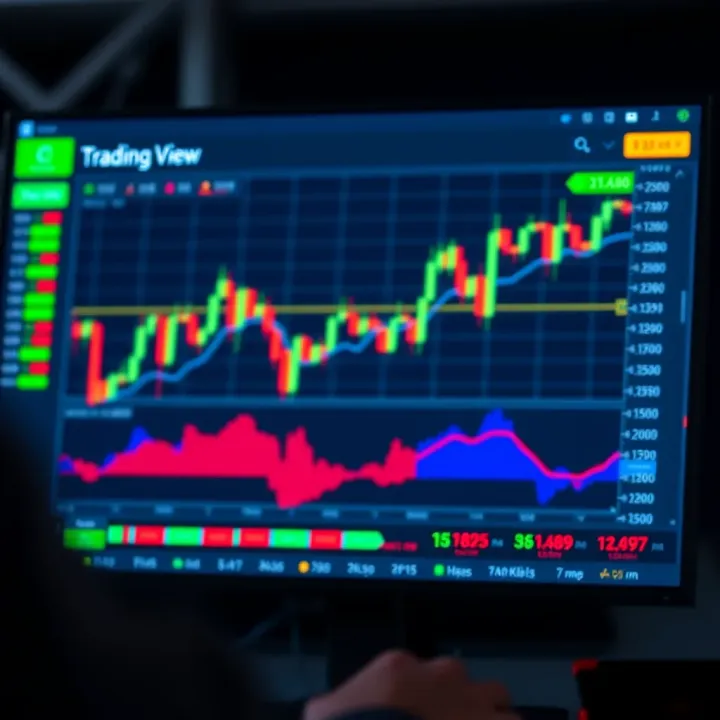
📈 Learn how Kenyan traders can use TradingView.com to analyse charts, access market data, explore subscription plans, and enhance local trading strategies effectively.
Based on 13 reviews