
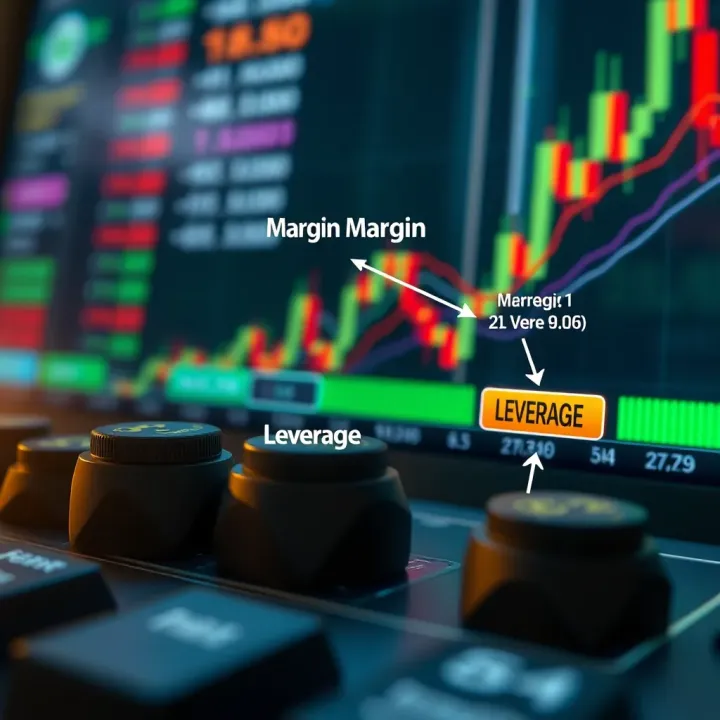
Margin in Forex Trading: A Guide for Kenyan Traders
📊 Learn how margin in forex trading helps Kenyan traders control bigger positions with less capital. Understand its risks and smart management tips to trade safely with confidence.
Edited By
Edward Hughes
Forex trading bots are automated programmes that execute currency trades based on specific algorithms. Rather than relying on human intuition or emotions, these bots follow predetermined rules to buy or sell forex pairs. This can help traders maintain discipline and react swiftly to market movements, especially in the fast-paced forex market.
These bots analyse various indicators, historical data, and price patterns to decide when to place trades. For example, a bot might be programmed to buy the US dollar against the Kenyan shilling (USD/KES) if certain technical signals align, such as moving averages crossing or support levels holding. The goal is to optimise trades for consistent returns without needing to watch the market round the clock.
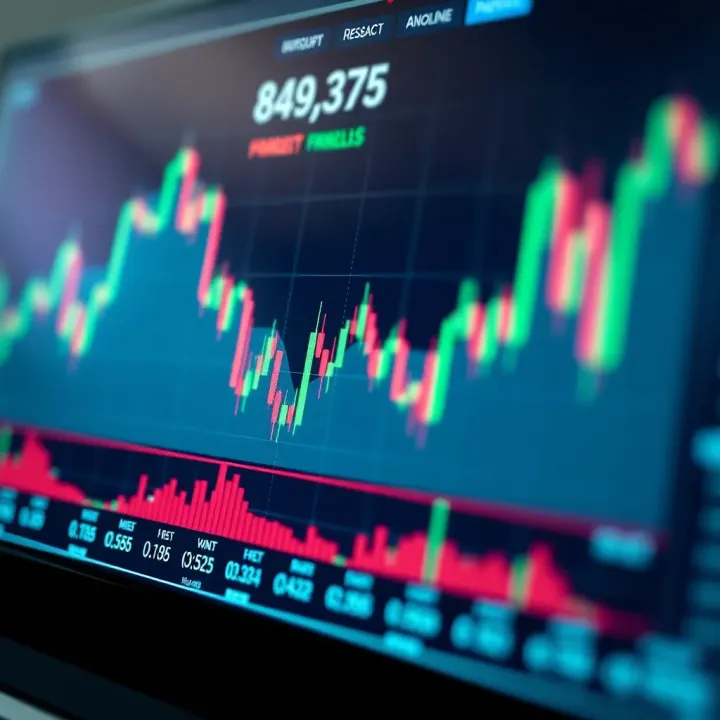
Automated trading tools like forex bots can assist Kenyan traders in managing risk and reducing the emotional impact of trading decisions, but they are not magic solutions that guarantee profits.
Forex trading bots offer several advantages:
They can operate 24/7 without fatigue, capitalising on trading opportunities at any time.
They remove emotions like fear or greed from decision-making.
They enable faster execution than manual trading.
However, they come with limitations too:
Bots depend heavily on the quality of their algorithms. Poor programming can lead to losses.
Unexpected market events, such as political changes or economic shocks in Kenya or globally, may not be handled well by rigid rules.
Technical issues like software bugs or poor internet can disrupt bot performance.
Before using a bot, Kenyan traders should consider:
Understanding the strategy: Know the logic behind the bot’s decisions and whether it suits your risk appetite.
Backtesting results: Check how the bot performed historically, preferably across different market conditions.
Costs involved: Some bots charge subscription fees or a share of profits—factor this into your trading budget.
Broker compatibility: Ensure your broker supports automated trading via platforms like MetaTrader 4 or 5, commonly used in Kenya.
In the Kenyan forex market, bots are gaining ground as digital literacy and internet access improve. Yet, local traders should always complement automation with personal market knowledge. Combining technology with insight offers the best chance of trading success.
Understanding forex trading bots is essential for anyone in Kenya looking to trade currencies efficiently. These automated tools execute trades on behalf of users based on pre-set rules, helping traders handle the fast-moving forex market without constantly watching their screens. They can spot and act on trading opportunities faster than the human eye, which matters especially in Nairobi’s busy trading environment.
Forex trading bots are software programs designed to trade currencies automatically without manual intervention. These bots connect directly to trading platforms like MetaTrader and place orders based on algorithms developed by programmers or traders themselves. For example, a Kenyan trader might use a bot that buys and sells the USD/KES pair based on specific price movements.
These bots take over the decision-making process by analysing market data continuously and executing trades instantly when their conditions are met. This removes the need for emotional judgement, which often disrupts manual trading. For instance, a trader relying on a bot won’t hesitate or second-guess during sudden market swings, avoiding panic selling or missed opportunities.
One of the most common approaches, trend following bots track the direction of a currency pair’s price over time and open positions to ride the trend. If the USD/KES is steadily rising, the bot will keep buying until signs suggest the trend is reversing. Kenyan traders benefit because it automates discipline, allowing the bot to stick to trends without deviating due to short-term noise.
These bots assume currency prices will eventually return to an average level after moving too far in one direction. If the euro weakens against the shilling significantly, the bot expects it to bounce back to its average rate and trades accordingly. This can suit volatile markets but requires careful setup to avoid losses during strong trends.
Arbitrage bots scan multiple forex platforms or currency pairs to find price differences and capitalise on them quickly. For example, if the dollar is trading cheaper on one platform compared to another, the bot buys low and sells high simultaneously. Kenyan traders with access to multiple brokers or platforms can use arbitrage to make risk-minimised profits, though this requires fast execution and good internet connectivity.
Forex trading bots simplify complex strategies, but it’s crucial to understand how they operate before depending on them. Choosing a bot that matches your trading style and the Kenyan forex market’s particularities can make a real difference in performance.
Forex trading bots offer Kenyan traders practical advantages that go beyond just automation. By executing trades with speed and consistency, these programmes can improve efficiency and reduce errors influenced by human emotions. This section highlights how forex bots can specifically benefit Kenyan forex traders by addressing speed, emotional discipline, and accessibility.
Forex trading bots are designed to perform trades at lightning speed, much faster than any human can manage. In the fast-moving forex market, prices change within milliseconds and missing a small window can mean lost profits or higher risks. Bots monitor multiple currency pairs simultaneously and execute orders instantly based on pre-set criteria, ensuring trades happen at the most favourable prices. For example, a Nairobi-based trader using a bot connected to MetaTrader could benefit from executing trades during volatile news releases without lag, which manual trading often misses.
Unlike humans, bots never get tired or distracted. The forex market operates around the clock due to global time zones, meaning there’s always some market open. Bots can run continuously without breaks, monitoring and reacting to market conditions even when the trader is asleep or busy with other activities. This is especially useful in Kenya where traders might want to follow pairs that are more active during Asian or European trading hours. Having a bot means your strategy is applied consistently, no matter the time.

Human traders often struggle with sticking to their strategies, especially during periods of losses or high market anxiety. Bots operate strictly by the programmed rules without wavering. This consistent application of strategies reduces the chances of deviating from tested plans, leading to more predictable trading outcomes. For instance, a trader in Mombasa relying on a bot won’t be tempted to change stop-loss levels arbitrarily when markets dip.
Fear and greed commonly disrupt forex trading decisions among humans. A sudden market drop might cause panic selling or hopeful buying without solid analysis. Bots bypass these emotional pitfalls by automatically executing trades according to logic rather than feelings. This removes impulsive decision-making, preserving capital and long-term trading health.
Many Kenyan traders find that using bots helps remove the rollercoaster of emotions from their trading experience, allowing for more measured and rational approaches.
For beginners, understanding complex market analyses and timing trades can be daunting. Forex bots simplify this learning curve by handling executions based on straightforward algorithmic strategies. New traders can start with preset bots while learning market fundamentals gradually. This lowers the barrier to entry and helps grow confidence.
Several Kenyan forex brokers, such as Exness and HotForex Kenya, offer platforms compatible with popular trading bots like MetaTrader 4 and 5. This integration allows traders to link their demo or live accounts easily with bots without complicated setup. Moreover, brokers often provide educational materials on automated trading, helping Kenyan traders access this technology legitimately and safely.
In summary, forex trading bots empower Kenyan traders by saving time, enforcing discipline, and making the market more approachable. However, understanding these benefits also requires awareness of their limitations to trade wisely.
Forex trading bots can streamline many aspects of trading, but they also come with risks and limitations that Kenyan traders must consider seriously. Relying too heavily on automated systems without understanding their weaknesses can lead to losses or missed opportunities. Here, we'll unpack some of the key concerns every trader should know before adopting these tools.
A forex trading bot depends heavily on stable internet and uninterrupted power supply to function effectively. In Kenya, where power outages and internet disruptions are not uncommon, these technical hiccups can cause the bot to miss important trades or execute orders too late. For example, a bot might identify a profitable opportunity but fail to act because the connection paused, resulting in missed gains or exposure to unexpected market swings.
Reliability also matters in terms of the software's stability. Bugs or glitches in the bot's code can lead to erratic behaviour, making system monitoring and regular updates essential practices. Traders who rely fully on bots without manual oversight risk being caught off-guard when such technical problems occur.
Forex markets can turn sudden and wild, especially around major news like Central Bank of Kenya (CBK) announcements or global economic shifts. Bots operating on fixed algorithms may struggle to adapt quickly enough to these rapid changes. For instance, during the March 2020 forex volatility spike, many bots either exited trades prematurely or kept holding losing positions, causing steep losses.
While bots excel in steady, predictable conditions, extreme volatility demands human judgement to interpret news and contextual signals. Kenyan traders should consider combining automated tools with their own market research and risk management procedures rather than relying solely on bots.
Some developers optimise bots by backtesting their algorithms on historical trade data. The danger is over-optimisation or "curve-fitting," where the bot is too finely tuned to past price movements but performs poorly in real-time. Think of it like tailoring a football strategy to last season’s matches without preparing for the current players’ form or tactics.
This false confidence can mislead traders into assuming the bot's past success guarantees future profits. In reality, market conditions continuously evolve, so over-tuned bots may fail to respond to fresh trends or unexpected events, leading to sudden losses.
Automated systems generally focus on price and volume patterns but often ignore fundamental economic factors like interest rate changes, political developments, or trade agreements that heavily influence forex pairs. A bot might continue buying or selling based solely on past price behaviour, missing the broader context.
For Kenyan shilling (KES) traders, ignoring fundamentals such as Kenya’s inflation data or regional East African Community trade issues can be costly. Traders should use bots as one tool among others, ensuring they keep an eye on economic news and central bank policies that impact currency values.
High-quality forex trading bots usually come with subscription fees or upfront costs. Some providers offer monthly licences that can run into thousands of shillings, which may add up for individual traders. It’s important to consider whether the bot’s performance justifies the fees, especially for those starting out with smaller capital.
While some free or cheaper bots exist, these often lack the sophistication or support that paying users receive, potentially increasing risk. Kenyan traders should evaluate their budget and the bot's expected return before making a financial commitment.
Bots require a constant and stable online connection to monitor market data and execute trades promptly. In many parts of Kenya, spotty internet and frequent power cuts can disrupt bot functioning, leading to missed trades or delayed orders.
Some traders try to use backup power sources like generators or Uninterruptible Power Supplies (UPS) to maintain bot operation during outages. However, these add to operational costs and complexity. Ensuring your internet is reliable—perhaps through fibre connections, 4G or 5G mobile data with good coverage—is critical to using forex bots profitably.
Trading bots are tools, not magic solutions; understanding their technical limits and market risks helps Kenyan traders avoid pitfalls and use them wisely.
Considering these factors carefully will help you leverage forex bots effectively without falling prey to overconfidence or hidden costs. Manage risks actively and stay informed about both the technology and the markets you trade in.
Picking the right forex trading bot is a key step if you want to trade effectively and avoid costly mistakes. With so many bots on the market, each promising profits, knowing how to evaluate them helps you make a better choice suited to your style and goals. Factors like performance history, broker compatibility, and ease of use should guide your decision.
Reviewing historical returns is crucial. Look for bots that provide verifiable track records over several months or years, not just short bursts of winning trades. A bot showing consistent gains across different market conditions suggests a reliable strategy. For example, a bot that made steady profits during both the short rains and long rains trading seasons in Kenya likely handles volatility well.
Understanding drawdowns and risks simply means checking how much money a bot has lost during downtrends. A bot with huge drawdowns might wipe out your capital fast. It’s better to choose bots that balance profit with controlled risk. If a bot’s maximum drawdown is 20%, but it returns 50% gains yearly, weigh carefully if you can handle that level of risk.
Integration with popular trading platforms like MetaTrader matters a lot. MetaTrader 4 (MT4) and MetaTrader 5 (MT5) are widely used by Kenyan brokers such as Exness and HotForex Kenya. Bots that work smoothly on these platforms allow you to automate trades without technical glitches. If your bot can’t connect with the broker’s platform, you risk delayed orders or system failures.
Adhering to local forex trading regulations should never be overlooked. Kenyan traders operate under rules by the Capital Markets Authority (CMA), which safeguards against unlicensed trading. Verify that your chosen bot’s broker is CMA-regulated or recognised internationally. This safeguards your funds and ensures transparency in trading activities.
Ease of setup and customisation determines how quickly you can get started. Some bots need complicated installations or coding skills, which can discourage new users. Opt for bots with simple interfaces and preset strategies you can adjust, like modifying risk levels or trade sizes. This way, even if you’re new to forex, you can tailor the bot without a fundi’s help.
Availability of technical support is essential, especially when things go wrong. Trading involves real money, so you should access prompt customer service in case of software bugs or account issues. Top vendors offer WhatsApp or email support with quick response times tailored for Kenyan users’ time zones and connectivity challenges.
Choosing a forex trading bot isn't just about potential profits; it’s also about reliability, suitability to local trading conditions, and support. Taking time to evaluate these factors helps Kenyan traders safeguard their investments and improve their chances of success.
The rise of forex trading bots is reshaping how Kenyan traders engage with the currency markets. These automated tools offer speed, consistency, and the ability to operate beyond usual trading hours, which has gradually drawn more retail traders in Kenya. Understanding their influence helps traders grasp shifts in market dynamics and adapt their strategies accordingly.
Using forex bots is becoming more common, especially in Nairobi—the country’s financial hub—where many young professionals and small investors explore automated trading to boost their returns. Outside Nairobi, cities like Mombasa and Kisumu are catching up, as internet access improves and financial literacy spreads. For instance, some users now incorporate bots with popular platforms like MetaTrader4, often accessed via Kenyan brokers such as ECobank Securities or Sterling Forex.
This spread shows that automated solutions are no longer the preserve of big players or tech-savvy individuals—more everyday Kenyans are giving forex bots a try. This reflects broader digital adoption trends, including mobile banking and M-Pesa, which have made financial operations more accessible nationwide.
The use of forex bots by retail traders has contributed to higher trading volumes on both major and minor currency pairs. Bots execute multiple trades rapidly, often capitalising on small price changes within seconds. As a result, there’s noticeable growth in daily forex market activity, especially during volatile periods like around Kenya’s GDP announcements or key global events.
Higher volumes can benefit traders by improving liquidity and tighter spreads but may also heighten competition. Some brokers in Kenya report increased order frequency linked to bot users rather than traditional manual traders, highlighting the shift in how markets operate.
Forex bots have helped narrow spreads in Kenyan markets by injecting continuous trading activity. When bots place frequent buy and sell orders, it increases available liquidity, making price gaps smaller. Traders benefit from this as tighter spreads reduce trading costs.
Also, bots react instantly to market signals, which improves order execution speed. For example, if a Kenyan trader’s bot spots a favourable price movement, it can enter or exit positions faster than manual intervention would allow. This can be a real advantage, especially in volatile market phases.
Traditionally, large institutions had the edge due to faster technology and better data. Now, Kenyan retail traders accessing forex bots level the field by automating strategies that once needed expensive infrastructure. This automation means smaller traders can compete with bigger firms in terms of execution speed and consistency.
However, bot success depends on the algorithms used and the trader’s knowledge. While bots boost competition, they don’t guarantee profits and should be wielded wisely.
Embracing forex trading bots represents a shift in Kenya’s market, where technology empowers everyday traders to operate more like professionals. But as bots become widespread, understanding their effects will remain vital for anyone serious about forex.
📊 Learn how margin in forex trading helps Kenyan traders control bigger positions with less capital. Understand its risks and smart management tips to trade safely with confidence.

📈 Explore free trading bots ideal for Kenyan traders. Learn how they work, their benefits, risks, and tips for choosing bots that suit local markets and M-Pesa payments.

📘 Discover how Forex trading PDFs can boost your skills with practical steps, key concepts, and trusted sources, tailored for Kenyan traders eager to succeed.

Explore top trading bots for Kenyan investors 🤖. Learn how to choose, set up, and manage bots safely to boost automated trading success 🇰🇪📈.
Based on 8 reviews