
Using Deriv with TradingView for Smarter Trading
📈 Learn how Kenyan traders can combine Deriv with TradingView to boost strategies, follow easy integration steps, and improve trading results today!
Edited By
Emily Dawson
TradingView has become a staple for many Kenyan traders looking to read market trends with precision. This platform offers detailed charts and technical indicators which help users analyse price movements for assets ranging from forex, commodities, to cryptocurrencies. When paired with Deriv, a popular online trading platform known for its variety of markets and user-friendly interface, the combination can boost your trading decisions considerably.
Deriv provides Kenyan traders access to multiple asset classes with flexible contract types, allowing them to capitalise on short-term market shifts or longer trends. Meanwhile, TradingView’s powerful charting tools let you spot patterns and signals earlier than typical broker platforms. This joint use means you don’t just guess market direction; you get insightful data that sharpens your strategy.
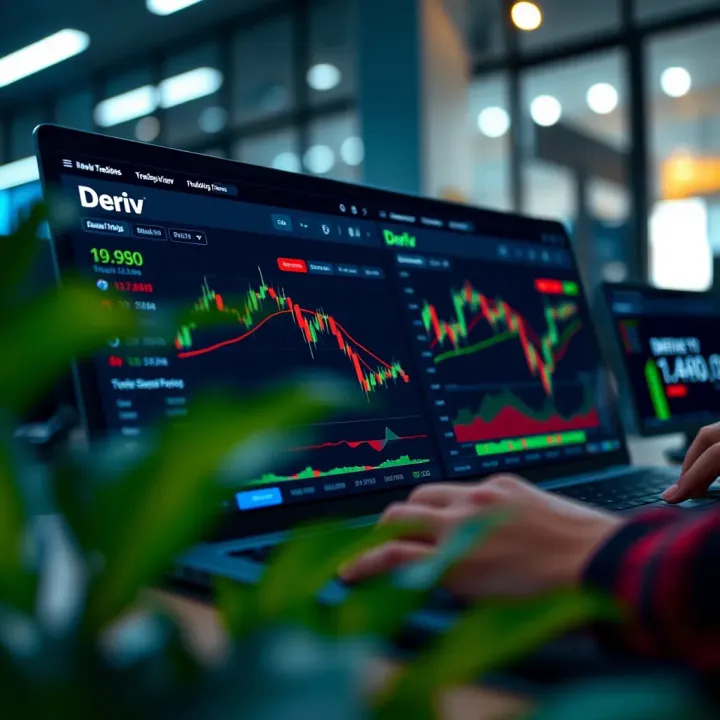
Setting up TradingView alongside Deriv is straightforward. First, you use TradingView to analyse markets and identify entry and exit points based on customised indicators or strategies. Then, transfer those insights into Deriv to place trades without losing time. For instance, tracing moving averages or RSI (Relative Strength Index) on TradingView can flag when an asset is oversold or overbought. You can immediately act on that by opening a position in Deriv's web or mobile app.
The key advantage here is syncing detailed technical analysis with live execution — a crucial edge when Kenyan traders compete in highly dynamic forex or commodity markets.
To get the most out of this setup, Kenyan traders should:
Familiarise themselves with TradingView’s alerts and drawing tools
Use Deriv’s demo accounts to practise executing trades based on TradingView signals
Stay updated on market news affecting local currencies like the Kenyan shilling
By combining these platforms, you reduce reliance on guesswork and instead trade with sound evidence, boosting your chances of success in Kenya’s growing digital economy.
Starting with a clear understanding of TradingView and Deriv is key for any serious trader looking to improve market decisions and execution. These platforms serve distinct but complementary roles, allowing traders to analyse market movements with precision on TradingView, then execute trades seamlessly on Deriv. By mastering their features, Kenyan traders can spot opportunities and manage risks better.
TradingView is a web-based platform widely recognised for its advanced charting and social community features. It provides traders access to real-time market data across stocks, commodities, forex, and cryptocurrencies, all through a user-friendly interface. For Kenyan traders, TradingView offers a practical way to visually interpret market trends without needing complex software installations.
One of TradingView’s strong points is its variety of technical tools and indicators. From simple moving averages to complex oscillators like the Relative Strength Index (RSI) and MACD (Moving Average Convergence Divergence), traders can customize charts to fit specific strategies. Kenya-based traders often use these tools to identify trend reversals or momentum, which helps in timing trades more effectively.
Kenyan traders favour TradingView due to its accessibility and community features. Many appreciate how they can share ideas, follow experienced traders, and view market sentiment, all of which build confidence in decision-making. Besides, TradingView supports local brokers and integrates well with mobile devices, which suits the busy lifestyle of many Kenyan market players.
Deriv is an online trading platform offering a wide range of financial instruments, including forex, synthetic indices, and options. It stands out for its simplicity and focus on user experience, making it approachable even for traders new to digital trading. The platform also provides customizable interface layouts, which Kenyan users find handy when managing multiple trades across different asset classes.
Deriv supports various types of trades such as multipliers, options, and forex contracts for difference (CFDs). This diversity allows traders to apply strategies that suit their risk appetite. For example, options can offer fixed risk exposure, which appeals to conservative Kenyan investors seeking to limit losses.
Accessibility is crucial for Kenyan traders given varied internet conditions and banking options. Deriv facilitates deposits and withdrawals through popular local payment solutions like M-Pesa, ensuring smooth fund transfers. The platform’s lightweight design means it performs well even on modest internet connections, which is a common concern outside major cities like Nairobi.
Combining TradingView’s real-time analysis with Deriv’s flexible trading options provides a practical edge, especially in Kenya’s evolving digital trading market where sharp decisions and quick execution matter.
TradingView and Deriv serve different yet complementary roles in a trader's toolkit. While Deriv offers the actual trading environment, TradingView provides advanced charting and technical analysis tools that can sharpen your decision-making. Using both platforms side by side can give you an edge in understanding market movements, especially within the volatile conditions common in online trading.
TradingView excels in delivering rich and detailed charts that go beyond what many trading platforms offer. Its array of drawing tools, overlays, and a variety of price chart types—such as candlestick, Heikin Ashi, and Renko—allow traders to spot trends and patterns more clearly. For example, when trading forex or commodities on Deriv, you can use TradingView's detailed trendlines and Fibonacci retracements to identify potential support and resistance zones, helping you understand where prices might reverse or continue.
This level of chart customisation helps Kenyan traders tailor their analysis based on real-time data. In markets where price action can shift rapidly during NSE off-hours or international sessions, such clarity in visualising trends can be a real advantage.
TradingView’s real-time chart updates and alerts assist in pinpointing better moments to enter or exit trades on Deriv. For instance, you can set alerts for when prices cross specific moving averages or when RSI (Relative Strength Index) hits overbought or oversold levels. This reduces the risk of entering trades too early or missing out on profitable exits.
Consider a trader watching the forex pair USD/KES; by following TradingView charts, they may see an RSI dip below 30, signalling an oversold condition just before prices bounce back on Deriv. This alignment of analysis with timing can save you from needless losses and increase the chances of profitable trades.
TradingView allows users to create or access custom indicators developed by both the community and professional traders. Kenyan traders who want strategies beyond the usual moving averages can find or code indicators that suit their risk appetite or style, such as specialised volatility indicators or algorithmic triggers.
Using these custom tools alongside Deriv's trading options means your analysis can be more nuanced. Suppose you design an indicator that calculates risk-adjusted entry points based on market momentum; applying this insight in your Deriv trades helps to manage risk better and avoid impulsive decisions.
One key limitation is that TradingView and Deriv operate as separate platforms without native integration. African traders must manually transfer their chart signals or indicators from TradingView to Deriv when executing trades. This creates room for errors and requires discipline to avoid missing opportunities.
Additionally, while TradingView runs well on most devices via browser or app, Deriv’s platform might have different system requirements for trading features, which could affect user experience if your internet connection or device is limited. Kenyan traders should ensure both platforms perform smoothly on their devices to avoid technical disruptions.
When relying on TradingView analysis for Deriv trades, a short delay naturally occurs. The time taken to interpret charts, confirm signals, then place trades manually can mean missed chances in fast-moving markets.
For example, during volatile sessions around US or London market openings, price swings can happen swiftly. If you spot a breakout on TradingView but hesitate before executing on Deriv, the price might have shifted significantly, impacting your trade’s success. Kenyan traders should be aware of this lag and consider it in their strategy, possibly favouring setups that allow a bit more time for decision-making.
Combining TradingView’s analytical strengths with Deriv’s trading platform offers great potential, but requires careful handling of the integration gap and timing to make the most of market opportunities.
In summary, using TradingView alongside Deriv brings tangible benefits like better charting, accurate timing, and customised indicators. However, traders must mind the practical challenges around platform separation and timing differences to ensure smarter, not rushed, trading decisions.
Properly setting up TradingView for use with Deriv is a vital step for traders aiming to optimise their decision-making process. It ensures that analysis and execution are closely aligned, reducing risks of missed opportunities. For Kenyan traders, who often contend with intermittent internet and timing challenges, tailoring TradingView accounts and integrating its signals into Deriv trading can make a noticeable difference.
TradingView offers free and paid subscription plans, each with varying features. The free plan is handy for beginners or casual traders but comes with limitations such as fewer indicators per chart and restricted alerts. For those who trade more actively on Deriv or use complex strategies, the Pro or Pro+ plans unlock extras like multiple chart layouts, more indicators, and extended alert options. Opting for a paid plan makes sense when you want to set timely alerts that cue your trades on Deriv, especially during fast-moving markets like forex or binary options.
Many Kenyan traders find the Pro plan sufficient as it balances cost and functionality. Consider your trading frequency and strategy complexity before choosing. For example, if you trade only during NSE (Nairobi Securities Exchange) hours or limit trades to certain asset classes, the basic plan might suffice. But if strategy involves monitoring multiple assets simultaneously, upgrading pays off.
Creating watchlists specific to your preferred assets simplifies tracking market movements. For instance, putting forex pairs popular in Kenya like USD/KES, EUR/USD, and commodities such as oil and gold on your watchlist helps focus your attention where it matters. Custom charts with tailored indicators—such as moving averages, RSI, or Bollinger Bands—enable quick visual cues on market momentum.
A well-configured workspace saves time and mental effort when switching between TradingView and Deriv. For example, opening TradingView on your mobile or laptop with ready-made watchlists aligned to Deriv’s available instruments helps you avoid scrambling during crucial trading moments. It also allows consistent observation of support and resistance levels or trendlines that guide your trade entries and exits.
Since TradingView does not directly connect to Deriv for trade execution, traders rely on manual integration. This means analysing charts and signals on TradingView, then placing trades on Deriv accordingly. For example, if TradingView's indicators show a bullish breakout on USD/KES, you manually input a Buy option on Deriv.
Kenyan traders must manage this workflow carefully, especially during volatile sessions. It’s wise to prepare ahead — set TradingView alerts and have both platforms open, ready for swift action. This manual method requires discipline and a fast internet connection to avoid lag between signal recognition and trade execution.
Manual coordination between TradingView signals and Deriv trading demands focus but can still improve trade accuracy when practiced regularly.
Some traders in Kenya have explored third-party tools or custom scripts aimed at bridging TradingView analysis with Deriv’s trade execution. For example, custom Pine Script indicators on TradingView can generate alerts compatible with notification apps, helping traders react quicker.
While no official direct integration exists, using tools like webhook alerts from TradingView—to notify mobile phones or desktop apps—can prompt timely manual trades on Deriv. However, caution is needed with automated scripts that promise direct trading on Deriv, as they may violate platform rules or carry security risks. It’s better to use supportive tools for alerting and maintain manual control over trade placement.
Trading strategies are the backbone of any successful trader's approach, especially when using platforms like TradingView and Deriv. These tools offer powerful insights, but their value depends on how well you apply strategies suited to your trading style and market conditions. Kenyan traders can benefit from combining TradingView’s advanced charting with Deriv’s flexible trading options to execute strategies efficiently.
Trend following revolves around recognising the direction of a market — whether it’s moving up, down or sideways — and making trades aligned with that movement. TradingView’s charts help spot these trends clearly using various tools like trend lines, moving averages, or pattern recognition. For example, if the NSE All Share Index shows a persistent upward trend, a trader might choose to enter a long position on Deriv anticipating further gains.
Breakout strategies work by detecting when an asset price moves beyond a key level, such as resistance or support, signalling a strong momentum shift. TradingView makes it easier to identify these breakout points through visual signals and volume spikes. If coffee futures on Deriv break above a resistance level marked clearly on TradingView, traders can enter fast to capitalise on the momentum.
Support and resistance levels are price points where an asset tends to pause or reverse direction. Identifying these on TradingView helps traders on Deriv decide when to enter or exit positions. Take the case of Safaricom shares: if the price repeatedly bounces at KSh 28 (support) or faces selling pressure at KSh 32 (resistance), you can plan trades accordingly.
TradingView offers tools like horizontal lines and zones to mark these levels clearly. Kenyan traders can set alerts for when prices approach critical support or resistance, allowing timely trades on Deriv without staring at charts all day.
Oscillators like Relative Strength Index (RSI) and Moving Average Convergence Divergence (MACD) show momentum and potential reversals beyond simple price movements. Moving averages smooth out price data to reveal clearer trends.
Using TradingView, you can apply these indicators to your charts to detect overbought or oversold conditions. For instance, if the RSI for the USD/KES forex pair on TradingView signals oversold levels, you might prepare to buy on Deriv expecting a bounce. Moving averages help confirm whether the trend is strong enough to hold, guiding decisions on setting stop-loss or take-profit points.
Charts on TradingView help you identify logical points to place stop-loss and take-profit orders on Deriv. This way, you protect your capital by limiting losses if the market moves against you and lock in gains at targets based on realistic price levels.
For example, after entering a trade in the Kenyan shilling against the US dollar, you might place a stop-loss a few points below a recent support level seen on TradingView, while setting take-profit near a resistance. This disciplined approach ensures you don't gamble blindly but trade with calculated risk.
Keeping a trading journal helps you track what strategies worked or failed, the conditions under which you traded, and emotional responses. Writing down your trades alongside screenshots from TradingView charts gives a clear picture of your decision process.
Kenyan traders can use simple tools like Excel or note apps on their phones to log trades from Deriv. Over time, reviewing your journal reveals patterns and areas to refine. Discipline in journaling fosters better habits and sharpens your trading skills, which ultimately leads to smarter trades.
Combining TradingView’s charting power with Deriv’s platform enables Kenyan traders to implement and refine strategies with data-backed confidence. Practising proper risk controls and learning continuously through journals ensures you stay ahead in the fast-paced trading world.
Using TradingView alongside Deriv offers powerful tools for Kenyan traders, but success depends on understanding how to adapt strategies to local conditions. This section highlights practical advice and common pitfalls to help traders make the most of these platforms. With targeted tips on timing, funding, and technical readiness, Kenyan traders can navigate challenges specific to their environment and avoid costly mistakes.
Timing trades around Nairobi Securities Exchange hours is key, even for Deriv trades not directly linked to NSE stocks. Market sentiment often shifts with NSE activity since it influences liquidity and price movements. For instance, many traders watch NSE hours (9:30 am to 3:00 pm EAT) closely, as global and local news released during this period can cause price spikes or dips. Aligning your trading times with these active hours may offer clearer signals and reduce the guesswork during quieter periods.
Outside NSE hours, market volatility might decrease or become unpredictable, so adjusting your strategy to avoid low-liquidity traps pays off. Kenyan traders often combine NSE timing insights with TradingView’s real-time charts to spot shifts early and plan trades on Deriv accordingly.
Using M-Pesa for funding Deriv accounts is convenient and native to Kenyan users, smoothing the process of depositing and withdrawing funds. Since M-Pesa boasts extensive acceptance, topping up your Deriv account via M-Pesa saves the hassle of bank transfers or credit cards, which may be less reliable or more expensive for small deposits.
Furthermore, M-Pesa’s speed means you can respond quickly to changing market opportunities without waiting for funds to clear. For example, a trader spotting a breakout on TradingView can fund their Deriv account immediately via M-Pesa to seize the moment. Yet, always verify fees and transaction limits as these shape your trading frequency and size.
Considering internet reliability and backup plans is critical. Kenya’s internet can be patchy, especially in rural areas or during bad weather, which impacts your ability to monitor charts or execute timely trades on Deriv.
To mitigate interruptions, Kenyan traders often keep a mobile data bundle as a backup to fibre or Wi-Fi. Using devices like pocket Wi-Fi or keeping an eye on data network strength can prevent missed opportunities. Also, setting alerts on TradingView to notify you of key price levels through mobile pushes helps maintain awareness when away from a stable connection.
Poor internet during a crucial market move can lead to mistimed trades or losses; preparing for this is part of disciplined trading.
Over-reliance on signals without confirmation is a frequent mistake. TradingView provides indicators and alerts, yet blindly following these without double-checking can backfire. Kenyan traders should use signals as starting points, combining them with manual analysis or multiple indicators to confirm trends on Deriv.
For example, a buy signal from a Moving Average Convergence Divergence (MACD) on TradingView gains strength when aligned with support levels or volume spikes. Relying exclusively on one indicator risks reacting to false alarms, especially in volatile Kenyan or global markets.
Managing emotions during high volatility periods is essential. Trading around events like CBK interest rate announcements or major political news can trigger rapid price changes on Deriv.
In these moments, Kenyan traders may experience fear or greed, leading to impulsive decisions. Keeping a trading journal helps reflect on such instances and improve discipline. Using stop-loss orders aligned with TradingView’s chart support/resistance levels also limits losses.
Cultivating patience and sticking to a clear trading plan—despite market noise—gives the edge traders need to succeed consistently.
📈 Learn how Kenyan traders can combine Deriv with TradingView to boost strategies, follow easy integration steps, and improve trading results today!
📊 Learn how to use TradingView.com charts to analyse markets, customise views, apply indicators & drawing tools. Ideal for Kenyan traders aiming for smarter decisions.

📈 Learn to master Deriv TradingView for smarter trades in Kenya! Set up charts, use tools, apply strategies, and avoid common trading mistakes.

Boost your Deriv trading experience 🇰🇪 by integrating TradingView charts and tools. Get step-by-step setup, customization tips, and practical guidance.
Based on 11 reviews