
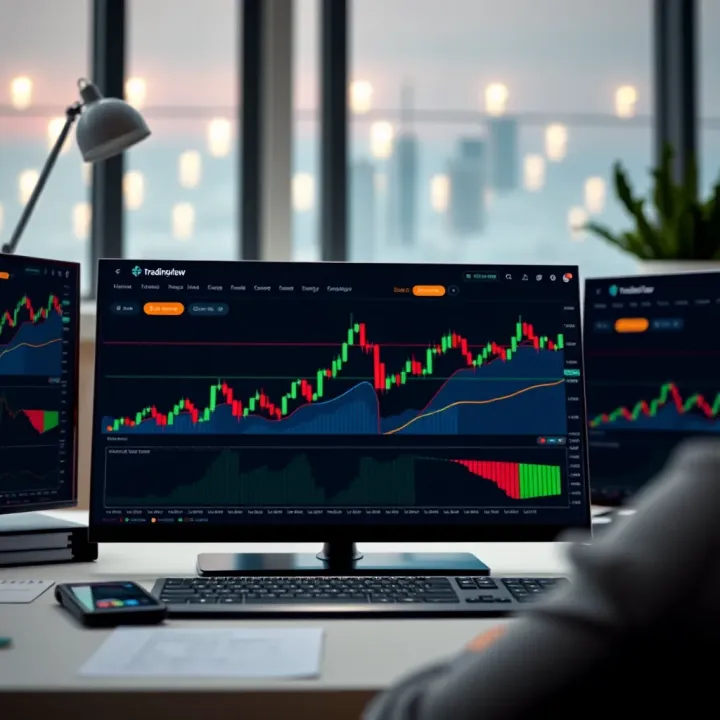
TradingView Tips for Binary Options Trading in Kenya
📈 Discover how traders in Kenya can boost their binary options trading with TradingView tools. Learn tips, avoid pitfalls, and make smarter trades today!
Edited By
Thomas Reed
Binary options trading involves predicting whether the price of an asset will rise or fall within a fixed time frame. This form of trading thrives on clear, timely information since profits depend on correct forecasts over short periods. In Kenya, where traders often seek efficient tools to sharpen their bets, TradingView offers a valuable edge.
TradingView is a widely used charting platform that displays real-time market data and technical indicators in an accessible layout. It covers a broad range of assets, including forex, commodities, indices, and cryptocurrencies, all common in binary options trades. Its user-friendly interface and rich charting tools allow traders to analyse price movements and spot patterns more effectively.
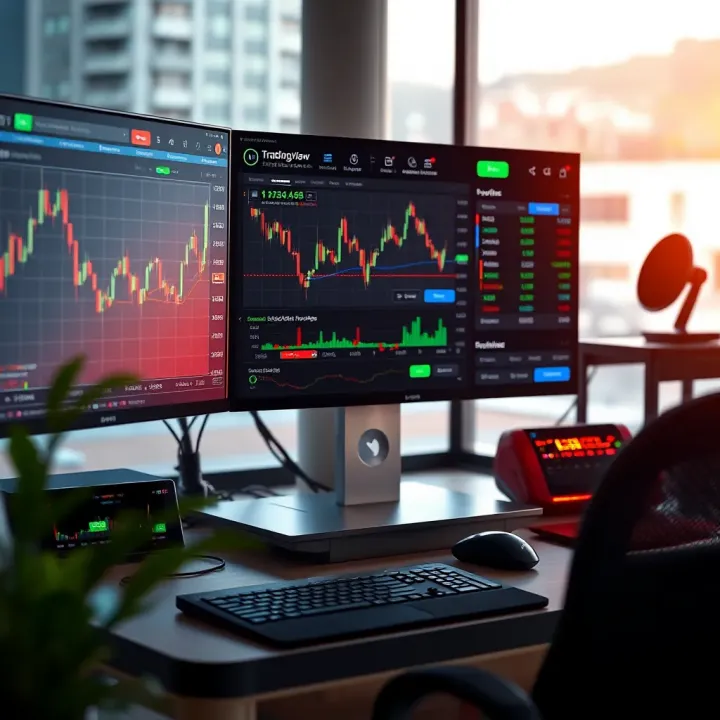
Using TradingView in binary options trading can improve decision-making by providing clearer market insights, helping you avoid guesswork.
In practice, Kenyan traders can set up TradingView charts to track preferred assets during key trading hours. For example, a forex trader interested in USD/KES could monitor support and resistance levels on TradingView before placing a binary options trade. This approach reduces reliance on gut feeling and enhances strategic planning.
Some practical advantages of TradingView for binary options include:
Customisable charts: Choose candlestick, line, or bar charts to suit your style.
Indicators and alerts: Apply moving averages, Bollinger Bands, RSI, and set alerts for price thresholds.
Multi-device access: Use TradingView on desktop, tablets, or mobiles, handy for traders on the go around Nairobi or Mombasa.
Integrating TradingView doesn’t require heavy technical expertise. Traders can start by creating a free account, selecting their asset, and experimenting with basic indicators. From there, they can build personalised dashboards tailored to their trading rhythms and strategies.
Ultimately, TradingView serves as a practical tool that complements the fast-paced nature of binary options trading. Kenyan traders who take time to learn its features gain an informed overview of market behaviour, which can lead to smarter trades and better control over risks.
Grasping the basics of binary options alongside the TradingView platform is essential for traders aiming to improve their decision-making in binary options trading. This foundation enables you to interpret market signals accurately and apply the right strategies using the powerful charting tools that TradingView offers.
Binary options are financial instruments where you predict whether an asset’s price will move up or down within a specified time frame. Unlike traditional investments, you don’t buy the actual asset; instead, you place a bet on price direction, which results in either a fixed payout or a total loss. This simplicity makes binary options attractive for traders looking for clear-cut outcomes.
The main features include fixed risk and fixed reward, simplicity of execution, and short expiry times, often ranging from minutes to hours. For example, if you predict correctly that the price of a Kenyan shilling/dollar pair will rise in the next 15 minutes, you earn a predetermined profit. If wrong, you lose the stake.
Unlike conventional trading where you hold assets and benefit from price fluctuations over time, binary options focus solely on direction within a short window. This means you don’t worry about asset ownership, dividends, or long-term market trends. It’s a straightforward approach but carries unique challenges, such as timing accuracy and rapid decision-making.
Binary options carry high risk; rewards can be tempting but losses are total if the prediction is incorrect. This “all or nothing” nature means risk management is key. Traders should never gamble their entire capital, as the quick turnover can lead to rapid losses. That said, disciplined traders use binary options to capitalise on short-term market movements effectively.
TradingView offers an incredibly rich charting environment that supports various asset classes, making it ideal for binary options analysis. It provides numerous chart types like candlesticks, line, and bar charts, along with a huge selection of built-in technical indicators such as RSI, MACD, and Bollinger Bands. For Kenyan traders focusing on currency pairs like USD/KES or commodities such as tea prices, real-time data on these charts is invaluable.
The user interface is designed for clarity and customisation. You can easily adjust chart layouts, colours, and save templates tailored to your preferred trading style. Say you want a clean setup to watch forex movements alongside stock indices; TradingView allows setting this up in just a few clicks, making frequent analysis more efficient.
Beyond just aesthetics, TradingView helps traders spot trends, identify support and resistance levels, and execute more informed entries and exits. Since binary options depend heavily on timing, having a platform that displays clear, accurate information in an intuitive format directly impacts your trade results. Additionally, its social features enable sharing ideas and learning from fellow traders, which is quite handy in Nairobi’s bustling trading communities.
A solid understanding of both binary options and how to use TradingView’s charting tools will increase your chances of making smart, informed trades with better control over risks and potential profits.
Integrating TradingView into your binary options trading offers clear advantages for making smarter decisions. The platform provides stronger tools for market analysis compared to most standard broker interfaces. For Kenyan traders, where real-time insights can be the difference between profit and loss, the ability to see live data with detailed charts is invaluable.
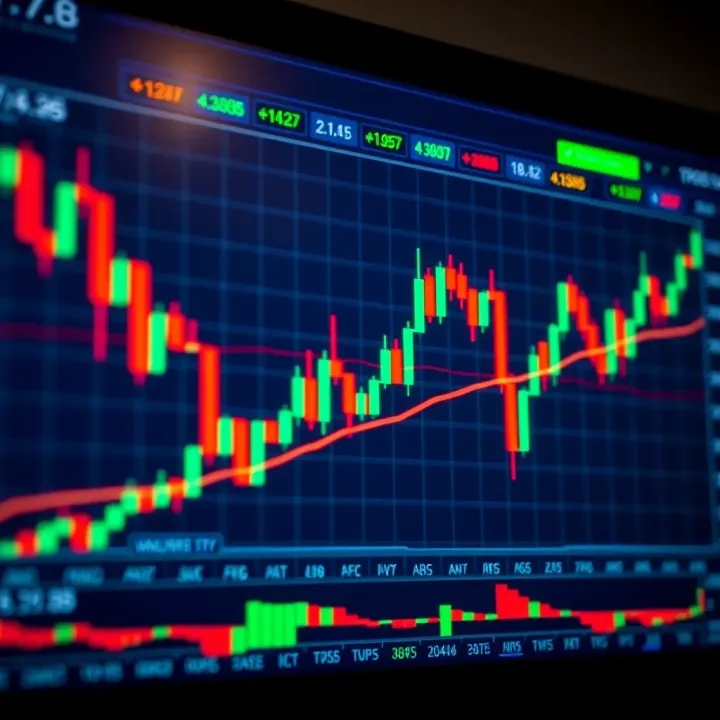
TradingView pulls live market information from various exchanges, so you get near-instant updates. This immediacy is critical in binary options trading, where price movements over short periods dictate trade outcomes. For example, when trading currency pairs like USD/KES, knowing exactly when the pair moves sharply lets you time your calls or puts more accurately.
TradingView lets you tailor charts to match your focus, whether it's forex pairs, commodities like oil, or indices such as the NSE 20. You can change chart types—from candlesticks to line charts—and swap colour schemes for clarity. This customisation helps keep your workspace intuitive and sharp, so you don’t miss subtle price trends during Nairobi’s busy trading hours.
One strong feature is analysing various timeframes simultaneously. You might see a bearish trend on a 5-minute chart but a bullish setup on the 15-minute. Combining these views helps you avoid jumping into a trade too hastily. A Kenyan trader monitoring short-term price action alongside a longer-term trend gains a clearer sense of market momentum, reducing impulsive decisions when the matatu is moving erratically outside.
Indicators like the Relative Strength Index (RSI), Moving Average Convergence Divergence (MACD), and Bollinger Bands are widely used for spotting entry and exit points. In binary options, you focus on whether an asset’s price is overbought or oversold, which these indicators highlight well. For instance, a surge past the 70 level on RSI may hint that the USD/KES pair is due for a short-term reversal, signalling a put trade.
TradingView allows you to create custom alerts based on price levels, indicator crossovers, or trendline breaks. Imagine you want to act when the NSE 20 index reaches a certain resistance; setting an alert means you don’t have to watch the chart all day. This helps Kenyan traders who juggle trading with daily life, ensuring no chance slips unnoticed.
It’s not advisable to rely on one indicator alone. Combining signals—for example, waiting for MACD to cross above zero as RSI leaves the oversold region—strengthens confidence in your trade. Such confirmations can help avoid emotional moves, especially in binary options where timing is tight. Kenyan traders can improve trade accuracy and reduce losses by verifying chart signals before pressing ‘call’ or ‘put.’
Leveraging TradingView’s visual and technical features equips binary options traders in Kenya with sharper tools to read price movements, manage risks, and trade confidently in volatile markets.
Integrating TradingView into your binary options trading system is not just about adding a charting tool – it is about building a reliable, efficient workflow that enhances your decision-making. This step-by-step integration ensures you make the most of TradingView’s features while aligning with your trading style and broker requirements. Without proper integration, you might miss key data or confront delays that reduce trade accuracy.
Selecting a broker that supports TradingView integration is fundamental. Such brokers usually provide platforms where you can embed or link TradingView charts directly, saving time switching between services. The main criteria include:
Compatibility with TradingView’s API or widgets
Smooth execution speeds with low latency
Support for multiple asset classes relevant to binary trading
Transparent fees and good customer support
For instance, a Kenyan trader seeking fast binary options trades would benefit from a broker that syncs TradingView’s real-time data without lag, especially during volatile market hours.
Some brokers known for TradingView compatibility include Interactive Brokers and ThinkMarkets, each offering platforms with TradingView widgets or direct API access. While these brokers might cater more broadly to global markets, Kenyan traders should verify if local deposit options or payment methods like M-Pesa are accepted for smooth transactions.
Choosing the right assets and chart types on TradingView is crucial. Binary options usually focus on short-term trades, so selecting candlestick or Heikin Ashi charts over line charts can reveal price patterns better. Pick assets you understand well, like forex pairs USD/KES or popular tech stocks, to back your decisions with solid knowledge.
Adding indicators such as Relative Strength Index (RSI), Bollinger Bands, or Moving Averages helps spot entry and exit points. It is practical to customise these indicators – adjusting periods or styles – to fit the asset’s behaviour. For example, shortening the RSI period might work better for volatile assets.
To save time, you should create chart templates with your preferred setup of indicators, timeframes, and assets. This way, each trading session starts with your familiar environment, avoiding repetitive configuration.
TradingView offers widgets and APIs that enable direct linkage to trading platforms. For traders, this means you can analyse charts and execute trades almost without leaving the TradingView interface. For instance, a widget might allow placing a binary options trade after confirming a signal on the chart.
Linking chart analysis smoothly to trade execution reduces mistakes like delayed order placement, which can erode profits in fast-moving markets. Ideally, your platform and TradingView will communicate updates instantly so decisions are based on the latest data.
Common challenges in integrating these tools include connection delays, data mismatches, or platform restrictions. To avoid these, check internet stability, use brokers with verified TradingView support, and test integration on demo accounts first before trading real money.
A well-connected TradingView setup can significantly heighten your binary options trading precision, but only if implemented thoughtfully with reliable brokers and customised tools.
By following these steps, Kenyan traders will position themselves better to act quickly and confidently, shaving off unnecessary risks and improving overall trading outcomes.
Using TradingView effectively in binary options trading goes beyond just knowing how to read charts. Practical trading tips help you translate chart analysis into disciplined decisions, guarding against impulsive moves. For Kenyan traders, this means making better use of data-rich TradingView features while avoiding common mistakes that cause losses.
Defining entry and exit strategies is key to consistent trading. Before placing any trades, identify clear criteria on TradingView charts that signal when to enter or exit a position. For example, you might decide to enter a "call" option when the price bounces off a strong support line confirmed by an RSI below 30, and exit if the price hits resistance or momentum falters. This upfront planning reduces guesswork and keeps decisions tied to observable signals rather than gut feelings.
Risk management with stop losses and trade size helps protect your capital from large losses. Although binary options trades tend to have fixed payouts and expiry times, setting limits on how much you risk per trade is vital. Use TradingView’s tools to identify stop-loss levels near recent lows or highs and keep your trade size manageable — never risking more than 1-2% of your total trading funds on a single position, for example. This way, even if a trade goes wrong, your overall capital stays intact.
Keeping a trading journal is a simple but powerful habit. Track each trade’s entry and exit points, strategies used, and outcomes. With TradingView, you can even take snapshots of your charts as evidence of your decisions. Reviewing your journal helps you spot patterns in what works or doesn’t, allowing gradual strategy refinement. Such discipline often separates hobbyists from professional traders.
Over-relying on indicators without context is a frequent trap. Many traders focus on a single oscillator or moving average without understanding market conditions or news events. Indicators should support your analysis, not be the sole basis for trades. For instance, a strong RSI signal during major earnings announcements or economic data releases may behave very differently. Always check TradingView’s economic calendars and price action alongside indicators.
Managing the impact of market volatility requires awareness and adjustment. In Kenya, news around elections, Central Bank announcements, or global events can cause market swings that mislead usual indicator signals. During such times, reduce your trade size or avoid trading entirely. TradingView’s volatility overlays can help you see when price movements are unusually sharp, signalling a need for caution.
Preventing emotional trading means sticking to your plan despite losses or sudden gains. The thrill of big wins can tempt traders to increase stakes or deviate from tested strategies. Conversely, fear after a loss might lead to quitting too soon. Using TradingView’s alert functions, set reminders to follow your plan or pause trading after a series of losses. Practising this self-control is vital for long-term success.
Effective use of TradingView in binary options relies on disciplined planning, measured risk, and emotional control. By combining clear strategies with practical tools, Kenyan traders can improve their trading outcomes while avoiding common behavioural pitfalls.
Following these tips ensures your TradingView setup does not just show data but becomes a reliable guide in binary options trading.
Measuring how TradingView affects your binary options trading is key to understanding whether this platform is making your trades more successful. When you integrate TradingView charts and tools into your setup, tracking your results helps pinpoint what works and what needs improvement. This kind of evaluation ensures you’re not just relying on guesswork but making decisions backed by solid data.
Tracking win rates and profitability is fundamental for any trader aiming to grow their capital sustainably. For example, if you consistently win 60% of your trades using insights from TradingView, it indicates a profitable strategy worth maintaining or refining. On the other hand, a win rate below 50% signals the need to reassess your approach, whether it’s your choice of indicators or timing your trades. Tracking these numbers over weeks or months will show trends, not just random luck.
Analysing trade accuracy with TradingView tools takes performance tracking a step further. TradingView enables users to compare entry and exit points against price action, candlestick patterns, and indicator signals directly on the chart. For instance, you might notice a pattern where trades executed immediately after a Moving Average crossover yield better results than those based on other signals. This precise review helps traders refine their timing and avoid entering on false signals, improving accuracy and confidence.
Using trade review functions within TradingView provides a hands-on way to learn from each trade. The platform’s replay function lets you revisit past market conditions and see if your analysis matched what actually happened. Kenyan traders can use this to identify missed opportunities or moments when the market behaved unexpectedly, such as during volatile economic news releases. This review process builds a strong feedback loop, turning experience into improved skill.
Adjusting strategies based on chart insights is what keeps your trading evolving. After reviewing trades and spotting recurring mistakes or strengths, you can tweak your use of indicators or change risk management settings. For example, if RSI signals fail frequently in a certain asset, you might focus on volume indicators or switch to different timeframes that suit your style better. TradingView’s flexible chart setups allow you to experiment without risk, giving you a practical edge in adapting your strategy to market behaviour.
Consistent evaluation and adjustment using TradingView tools helps transform binary options trading from a game of chance into a disciplined, data-driven practice.
By measuring outcomes and continuously improving based on TradingView insights, Kenyan traders can move closer to more reliable and profitable binary trading experiences.
📈 Discover how traders in Kenya can boost their binary options trading with TradingView tools. Learn tips, avoid pitfalls, and make smarter trades today!
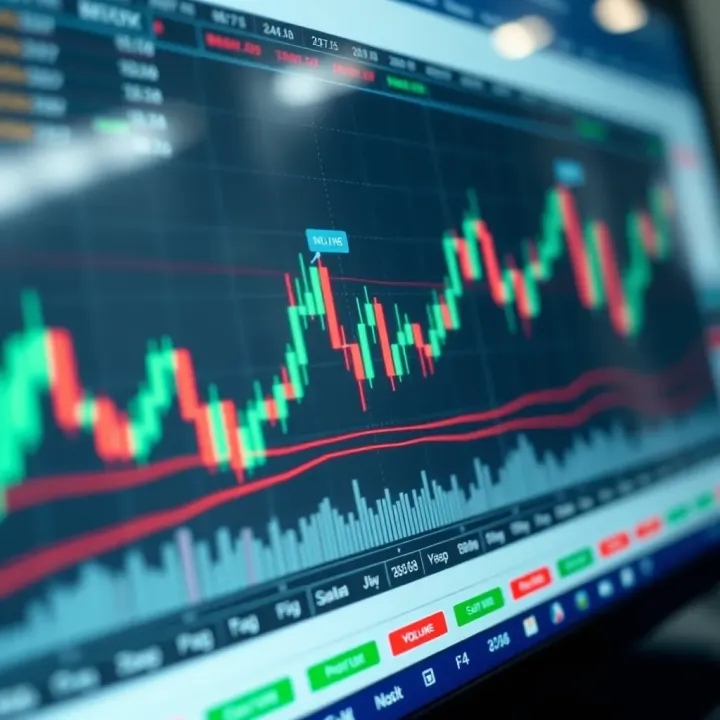
📊 Learn how to use TradingView.com charts to analyse markets, customise views, apply indicators & drawing tools. Ideal for Kenyan traders aiming for smarter decisions.

📈 Discover how Kenyan traders can use TradingView's powerful charts & analysis to boost binary options trades. Learn strategies, manage risks, and connect with local platforms efficiently.
🤖 Explore how trading bots work on Binary.com! Learn automation tips, benefits, risks, and strategies tailored for traders in Kenya and beyond.
Based on 5 reviews