
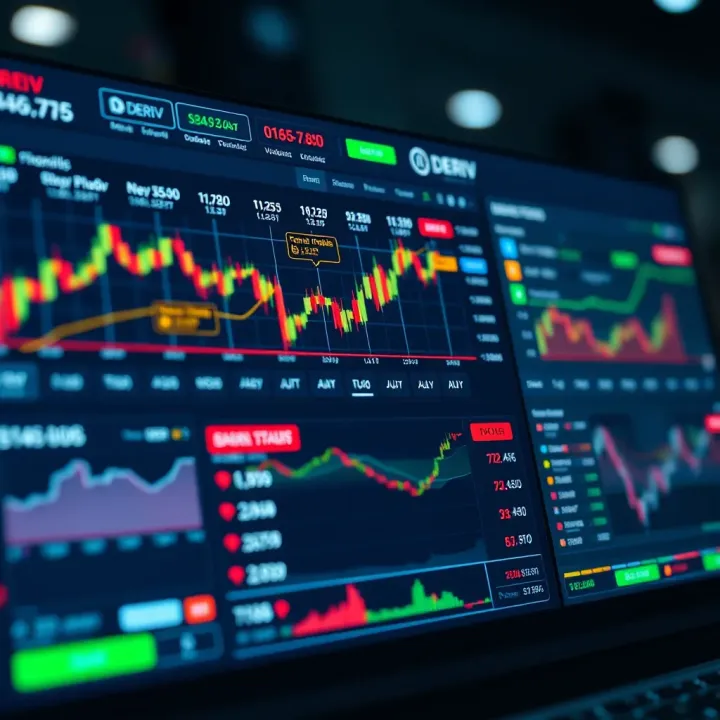
Using Deriv with TradingView for Smarter Trading
📈 Learn how Kenyan traders can combine Deriv with TradingView to boost strategies, follow easy integration steps, and improve trading results today!
Edited By
Emily Clarke
TradingView.com is one of the go-to platforms for traders and investors who need reliable tools to read financial markets. Whether you're analysing shares listed on the Nairobi Securities Exchange (NSE), forex pairs, or commodities like tea and coffee futures, TradingView brings interactive charts and technical indicators right to your screen.
At its core, TradingView offers more than just static graphs. You’ll find dynamic candlestick charts, trend lines, volume bars, and a wide array of popular indicators such as RSI, MACD, and Bollinger Bands. These tools help you spot patterns, confirm momentum, or flag potential reversals before anyone else catches on.
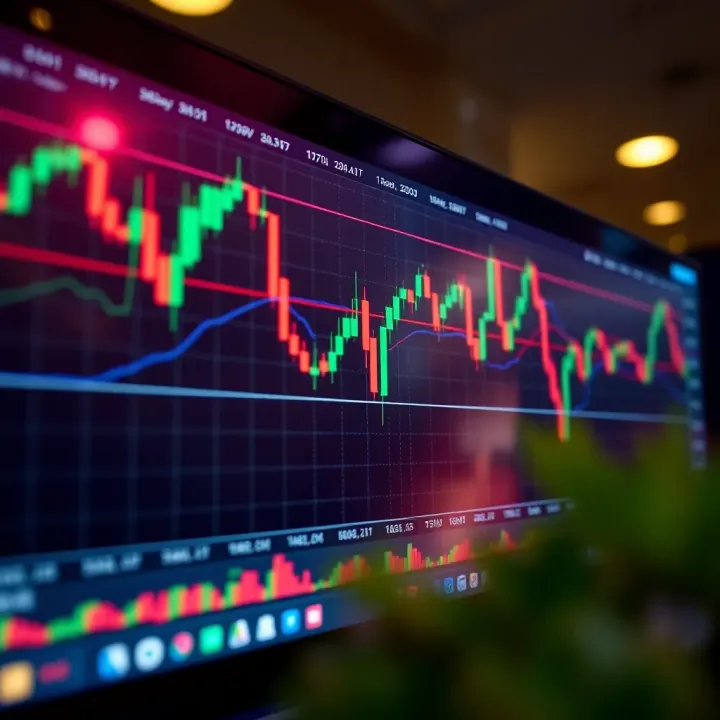
Kenyan traders benefit greatly from TradingView’s cloud-based platform because it can be accessed from mobile or desktop anywhere with internet. This flexibility suits busy entrepreneurs or brokers who need to keep an eye on markets even between client meetings or while on matatu rides.
Beyond charts, TradingView has a social side. Users can share trading ideas, discuss market news, and see how other local or international traders approach the market. For instance, during a volatile NSE 20 share index day, you might spot an analyst’s post highlighting a breakout, helping you decide whether to buy or hold.
The beauty of TradingView is how it combines technical analysis with social insights, making market study both visual and engaging.
Key features you’ll quickly pick up include:
Customisable charts: Choose your preferred timeframes, colours, and overlays.
Technical indicators: Access over a hundred built-in tools or add custom scripts.
Watchlists: Track favourite stocks, forex pairs, or commodities relevant to Kenyan markets.
Alerts: Get notifications sent to you when price levels or indicators hit your set thresholds.
As you start exploring TradingView, it's wise to begin with free access, which offers enough features for sound market analysis. If you need more depth like multiple charts or advanced alerts for active trading, the paid subscriptions make sense.
Understanding how to navigate TradingView's basic setup is the first step toward confident trading. From there, you can exploit its more advanced features to sharpen your decisions and better manage risk in fluctuating markets, whether in Nairobi or Faraja.
In the following sections, we will unpack how to master chart basics, use technical indicators effectively, and tap into TradingView’s community. This practical approach will help you make smarter, data-driven trading choices right from your phone or laptop.
Knowing what TradingView.com offers is essential for anyone serious about market analysis. The platform combines real-time data, customisable charts, and community insights, making it easier to track market movements and spot opportunities. In Kenya, where access to timely financial information can be limited, TradingView provides a reliable tool to stay updated on local and international markets.
TradingView is primarily a charting platform that enables traders and investors to visualise price movements across various markets. Its interactive charts let users apply numerous technical indicators and draw patterns, which are key to understanding market trends. For example, a forex trader in Nairobi can monitor currency pairs like USD/KES or EUR/KES using candlestick charts to detect reversal patterns.
The platform covers a wide range of markets: stocks, forex, commodities, and cryptocurrencies. Kenyan investors benefit from this variety by keeping track of the NSE-listed companies, global forex pairs, gold prices, or Bitcoin movements all in one place. This diversity helps traders diversify their portfolios and respond quickly to changes in different markets.
One practical benefit of TradingView is how it supports both beginners and experienced users. A novice investor can start with basic indicators like moving averages to gauge market direction, while advanced traders might use MACD or RSI to time entries and exits. This flexibility makes TradingView a trusted assistant for strategising, whether you trade daily or invest for the long term.
TradingView’s interactive charts stand apart by delivering real-time market data with smooth visual updates. This eliminates the lag that can cause traders to miss out on critical price shifts. For instance, a forex trader watching the USD/KES rate can rely on TradingView’s charts for accurate timing when sending M-Pesa payments for currency exchange.
Another plus is that TradingView works on both web browsers and mobile devices. This means you can monitor your portfolio and analyse charts while on the move, whether commuting on a matatu or sitting in a café in Westlands. The mobile app offers nearly all desktop features, so you’re not tied to one device.
TradingView also shines because of its social features. You can follow experienced traders or join discussion groups focused on Kenyan markets to get timely advice and ideas. Sharing your own chart analyses can invite feedback from the community, enhancing your trading discipline. These social tools build a collaborative environment uncommon in most charting platforms.
Mastering what TradingView offers is the first step to becoming a confident trader or investor. It brings together powerful tools, live updates, and community wisdom all in one place.
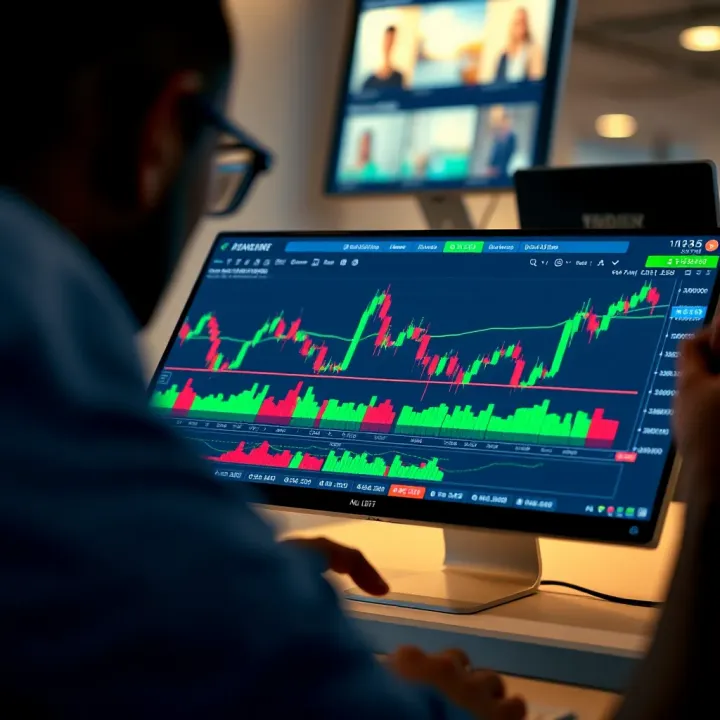
This understanding sets the foundation for using TradingView effectively in your daily market analysis.
Starting strong on TradingView.com is essential for Kenyan traders and investors aiming to make smart market decisions. This platform is packed with features, but getting familiar with the basics helps save time and avoid confusion later. First, you need to create an account, understand the dashboard's layout, and set up watchlists that track both local and international assets.
Creating an account on TradingView is straightforward. You can start with a free plan, which offers access to real-time charts, basic indicators, and essential tools. Paid plans like Pro or Premium unlock advanced features such as more simultaneous indicators, multiple charts per layout, and faster data updates. For many Kenyan users, the free plan covers most needs, especially if you're just learning or trading part-time.
Once logged in, the dashboard presents a clean layout with your main chart front and centre. The chart window is where you’ll spend much of your time, analysing price movements and adding tools. The sidebar lets you switch between watchlists, news, alerts, and screeners, keeping everything accessible. This setup prevents getting lost in menus, allowing you to focus quickly on what matters.
Setting up watchlists is a practical step to monitor your favourite stocks, forex pairs, commodities, or cryptocurrencies. Kenya’s stock market (NSE) listings can be added alongside global giants like Apple or Brent crude oil. This mix helps traders catch opportunities both locally and internationally without jumping between platforms. Watchlists update in real time, which is handy during busy trading hours, especially if you rely on M-Pesa for timely purchases or sales.
TradingView offers several chart styles to match different analysis preferences. Candlestick charts are the most popular among Kenyan traders as they provide clear visual clues on market sentiment – green candles show rising prices while red ones show falling prices. Bar charts are good for spotting price ranges, and line charts offer a simple view of closing prices over time.
Choosing the right timeframe depends on your trading strategy. For instance, day traders might focus on 5-minute or 15-minute charts to catch short-term movements in forex or NSE shares. Meanwhile, long-term investors typically look at daily, weekly, or monthly charts to spot broader trends, like the rise or fall of a stock over months.
Customising charts enhances clarity. You can change colours to reduce eye strain, add grid lines for better reference, or set up multiple charts side by side on one screen. For example, you might track NSE stock prices alongside currency pairs like USD/KES to see how exchange rates affect local investments.
Familiarity with these basics saves time and boosts confidence in market analysis, allowing traders to act fast when opportunities arise.
By mastering sign-up, interface navigation, watchlists, chart types, and timeframe selection, you will be well on your way to using TradingView efficiently for market decisions tailored to your Kenyan trading experiences.
TradingView’s power lies in the tools and indicators it offers, enabling traders and investors to interpret market movements clearly. Instead of guessing, users can rely on technical analysis to make informed decisions. This section highlights key tools and explains how to use them effectively for practical market analysis.
Popular indicators like the Relative Strength Index (RSI), moving averages, and the Moving Average Convergence Divergence (MACD) help traders identify market momentum, trends, and potential reversals. For example, RSI measures overbought or oversold conditions, signalling when a stock may reverse direction. Moving averages smooth price data to reveal trends over set periods, useful for spotting entry or exit points. MACD tracks the relationship between two moving averages and often signals trend changes.
Adding indicators on TradingView is straightforward. From the chart window, you can access the indicators menu and select the desired tool. Once added, indicators can be customised—adjusting periods or visual styles—to suit your trading style. For instance, Kenyan forex traders might tweak the RSI period to better fit the volatility seen in currencies like USD/KES.
Indicators are most valuable when used to confirm trade setups rather than as standalone signals. Combining RSI with moving averages, for example, can provide stronger evidence of a potential trade. A rising moving average alongside a low RSI could hint at a good buying opportunity. This layered approach reduces false signals and boosts confidence in your trades.
Trend lines and support/resistance zones are basic yet powerful drawing tools. Drawing a trend line by connecting price lows can help spot upward momentum. Similarly, horizontal support and resistance lines mark price points where the market has repeatedly bounced or stalled — these serve as psychological levels many traders watch.
Fibonacci retracements and projections offer insight into potential price reversal levels based on previous moves. Kenyan traders, especially in commodity markets like tea or coffee futures, can use Fibonacci levels to estimate possible pullbacks or breakouts after price swings.
Notes and alerts help maintain discipline by reminding you of important price levels or chart patterns. TradingView lets you set alerts that trigger when a price hits a chosen level, keeping you updated even when away from the screen. Adding simple notes to charts can record your analysis or reasons behind a trade, valuable for reviewing and improving your strategy over time.
Using these technical tools doesn’t guarantee success but greatly improves your chances by giving a clearer picture of market behaviour. Practising their application in TradingView can make your trading more precise and less stressful.
TradingView’s social tools offer more than just charts; they create a space where traders and investors connect, share ideas, and learn from one another. This is particularly valuable for Kenyan users who can access insights beyond local markets while discussing strategies with peers facing similar market realities. Using these features wisely can sharpen your trading tactics and broaden your market understanding without relying solely on automated tools.
Following experienced traders and analysts on TradingView exposes you to real-time perspectives based on expert analysis. These seasoned traders often share their strategies openly, which can help you spot opportunities and pitfalls before you commit your capital. For example, a forex analyst specialising in USD/KES may post timely updates that help Kenyan traders navigate currency volatility during key economic releases.
Viewing public charts and trading strategies allows you to observe how others apply technical tools and indicators. This transparency is useful when you're learning to interpret chart patterns or confirm trade setups. You might find a trader sharing a detailed breakdown of NSE-listed stocks, interpreting volume changes alongside moving averages. Such strategies offer practical learning examples that can be adapted to your own trading style.
Sharing your own analysis safely builds credibility and encourages feedback from the community. TradingView provides privacy settings to control who sees your work, so you can start by sharing with a smaller group before going public. This approach helps you refine your skills and invite constructive critique without risking exposure to harsh or spammy comments.
Participating in market discussions offers direct engagement with fellow traders who understand the particularities of African and global markets. These conversations often highlight nuanced factors like regional economic reports or political changes affecting the shilling. Being active here helps you stay updated and develop a network of market insiders.
Joining groups relevant to Kenyan markets connects you to traders with shared interests and geographic focus. These groups discuss Nairobi Securities Exchange (NSE) trends, Safaricom stock performance, or currency movements involving the Kenyan shilling. Engaging in these clusters can strengthen your market knowledge and provide practical advice tailored to local trading landscapes.
Privacy and moderation controls ensure the community remains productive and respectful. You can adjust your settings to filter out irrelevant content or block disruptive users. Moderators also keep discussions professional, which is key for maintaining a reliable learning environment free of scams or misleading information.
TradingView’s community features offer a rich resource where Kenyan traders can learn, share, and stay sharp in markets both at home and abroad. Leveraging these wisely enhances your market edge, turning raw data into actionable insights.
Picking the right TradingView subscription is key to getting the most out of the platform, especially for Kenyan traders with varied needs and budgets. TradingView’s features range from basic charting on free accounts to advanced tools in paid plans. Knowing where you fit helps you avoid paying for services you might not use and ensures you have the tools to execute your market analysis effectively.
The free TradingView account is a good starting point but comes with clear limits. For example, free users can view only one chart at a time and add a maximum of three technical indicators per chart. Alerts are minimal and delayed real-time data applies on some markets, which could slow down decision-making. These limits work fine if you are new to technical analysis or trade infrequently, but if you deal regularly with multiple markets or complex setups, the restrictions can quickly become a bottleneck.
Upgrading to Pro or Premium unlocks several useful features. Pro users get up to five charts on one layout, access to 10 indicators per chart, and faster real-time data, which is crucial if you follow forex or NSE stocks closely. Premium takes it further with unlimited charts, 25 indicators per chart, and priority customer support. For example, an active forex trader monitoring multiple currency pairs will find the multitasking ability a practical advantage. The paid plans also enable more alert options, like SMS and email, which help Kenyan traders who need timely updates while on the go.
From a cost-benefit point of view, Kenyan users should consider their trading volume and goals. The monthly subscription can cost around KSh 1,000 to KSh 3,000 depending on the plan and promotions, which is a significant decision alongside data and internet costs. For those invested in frequently trading or analysing multiple assets, the value outweighs the cost. But casual traders or beginners might find the free plan sufficient, especially if combined with smart use of free resources.
There are smart ways to use free TradingView tools effectively. For instance, focusing on fewer charts or trading instruments reduces the need for multiple chart layouts. Users can utilise community-shared indicators and trading ideas to supplement analysis without upgrading. Careful management of your watchlists and alerts also keeps you within free limits while staying informed.
Upgrading makes sense when your trading strategy demands faster data, higher alert limits, or the ability to use more indicators simultaneously. If you are trading NSE stocks or forex during volatile hours, the faster refresh and more detailed alerts can improve decisions, potentially saving or earning more money than the subscription cost.
Kenyan traders might also explore alternatives to TradingView alongside it. Apps like MetaTrader 4/5 or local brokerage platforms offer complementary data and execution capabilities. However, TradingView’s social and community features remain unmatched for chart analysis, making it worth including in your suite of tools.
Choosing the right subscription depends on your trading style, how often you trade, and the markets you focus on. Balance your needs with your budget to get practical value without overspending.
📈 Learn how Kenyan traders can combine Deriv with TradingView to boost strategies, follow easy integration steps, and improve trading results today!
Explore the Deriv.com app in Kenya 🇰🇪 with our detailed guide covering installation, trading options, secure payments, user setup, & customer support.
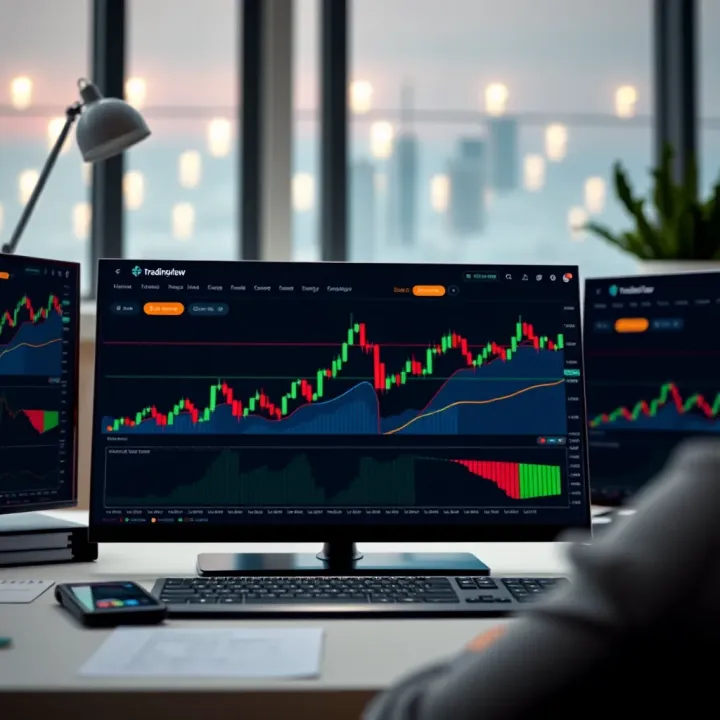
📈 Discover how traders in Kenya can boost their binary options trading with TradingView tools. Learn tips, avoid pitfalls, and make smarter trades today!
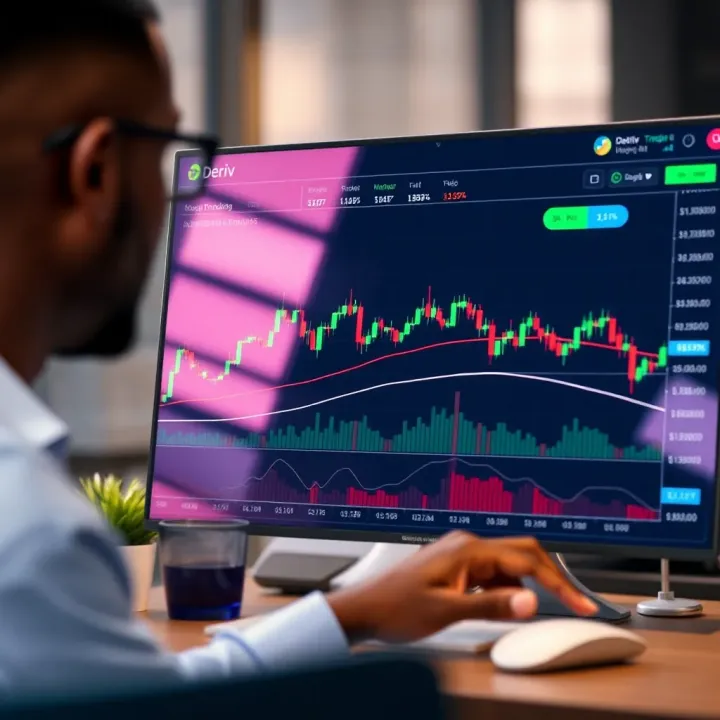
📈 Learn to master Deriv TradingView for smarter trades in Kenya! Set up charts, use tools, apply strategies, and avoid common trading mistakes.
Based on 8 reviews