
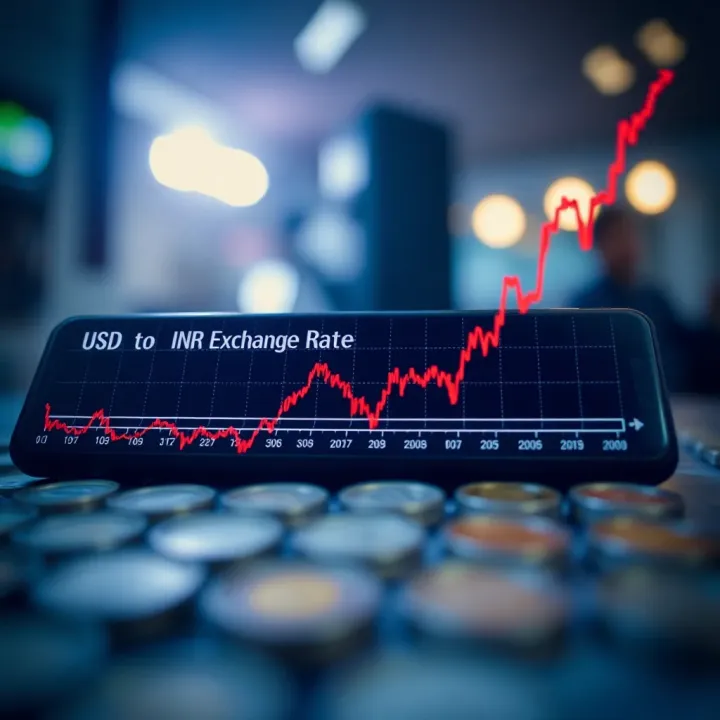
USD to INR Exchange Rate Forecast and Trends
📈 Explore the USD to INR forecast with key trends, economic factors, and expert outlooks to guide your currency exchange decisions between the US and India.
Edited By
Oliver Bennett
The USD to Kenyan shilling (KSh) exchange rate is a key indicator that affects various aspects of Kenya's economy—businesses, importers, exporters, investors, and everyday consumers all feel its impact. Understanding what influences this rate can help you make smarter decisions, whether you’re trading on the Nairobi Securities Exchange, managing M-Pesa payments, or budgeting for household expenses.
Exchange rates fluctuate based on a mix of global and local factors. For example, the strength of the US economy, Federal Reserve interest rate changes, and geopolitical tensions directly influence the USD’s value internationally. Meanwhile, Kenya’s economic performance, inflation rates, foreign currency reserves, and even election cycles play a role in how the Kenyan shilling fares.
For traders and investors, keeping an eye on both continents—North America and East Africa—is essential to anticipate currency movements and manage risks effectively.
On the Kenyan side, rising inflation tends to weaken the shilling, making imports more expensive and raising operational costs for businesses reliant on foreign goods or capital equipment. Conversely, increased foreign direct investment (FDI) or remittance inflows support shilling demand.
Global commodity prices impact the exchange rate indirectly too. Kenya imports a significant part of its fuel and machinery, so higher oil prices often mean a weaker shilling due to increased foreign currency demand. On the flip side, good harvest seasons or strong exports like tea and coffee can bolster the local currency.
Predicting future rates also involves expert analyses from financial institutions and central bodies like the Central Bank of Kenya (CBK) or the International Monetary Fund (IMF). These experts factor in inflation forecasts, interest rate policies, and external shocks such as global pandemics or trade disruptions to project likely trends.
In the sections ahead, we’ll unpack these drivers more deeply, outline what to expect in the near term, and suggest practical tips to manage exposure to the USD-KSh exchange rate. This will equip you with insights grounded in Kenya’s unique economic environment and global realities.
Knowing how the US dollar (USD) exchanges against the Kenyan shilling (KSh) is more than just a matter for banks or businesses dealing in imports and exports. For traders, investors, and entrepreneurs, understanding this rate helps anticipate costs, plan investments, and mitigate risks linked to currency fluctuations. For example, an exporter negotiating a deal to sell tea abroad must factor in how many shillings they’ll get per dollar, impacting profit margins.
Exchange rates largely pivot on demand and supply. When more people want USD compared to KSh, the shilling weakens against the dollar. This happens when Kenyans import goods paid for in dollars or when investors move funds abroad. Conversely, when Kenya’s exports to the US increase, dollars flood the local market, pushing the shilling to strengthen. For instance, if coffee exports rise sharply, more USD enters Kenya, causing the KSh to appreciate, at least temporarily.
Interest rates influence currency appeal. Higher Kenyan Central Bank rates can attract foreign investors seeking better returns, boosting demand for the shilling. On the flip side, rising inflation erodes purchasing power, pushing investors away from the shilling towards more stable currencies like the USD. When inflation in Kenya runs hotter than expected, the shilling typically depreciates compared to the dollar, as was the case during spikes in fuel prices in previous years.
Governments and central banks can step in to influence the exchange rate. The Central Bank of Kenya (CBK), for instance, may intervene by buying or selling USD to stabilise the shilling. Policies like tightening monetary supply or adjusting fiscal measures—such as increasing taxes or cutting spending—also impact exchange rates indirectly by shaping investor confidence. For example, a government campaign to improve tax collection can strengthen the shilling by improving fiscal health.
The CBK manages the shilling’s stability to support economic growth. It monitors the forex market closely and utilizes tools like open market operations and foreign exchange reserves to smooth out sudden shocks. For example, during periods of global uncertainty, CBK may release dollars from reserves to prevent sharp shilling depreciation, protecting importers from unexpected cost surges.
Kenya’s trade balance—exports minus imports—significantly affects the USD/KSh rate. A deficit means more dollars flowing out, putting pressure on the shilling. Large foreign reserves buffer these effects, offering a war chest to defend the currency when under attack by market forces. Kenya’s accumulated forex reserves often reassure investors and traders that the shilling won't face sudden crashes.
Remittances from Kenyans abroad add precious dollars to the forex pool, supporting the shilling. This steady inflow helps balance the demand for foreign currency, especially during lean export periods. Simultaneously, the strength of the domestic economy—activity in agriculture, manufacturing, and services—shapes demand for imports and foreign capital, influencing exchange rate trends. In years when remittances hit record highs, such as 2022, the shilling saw relative stability despite global volatility.
Understanding these factors helps you anticipate shilling movements, enabling smarter financial decisions in both business and personal finance.
The USD to KSh exchange rate does not move randomly; it responds to both local and global economic and political developments. Understanding these factors is vital for traders, investors, and entrepreneurs aiming to anticipate shifts in the shilling’s value and manage their financial decisions accordingly. Both internal pressures within Kenya’s economy and external forces, especially from the US and global market, combine to shape the daily fluctuations and longer-term trends.
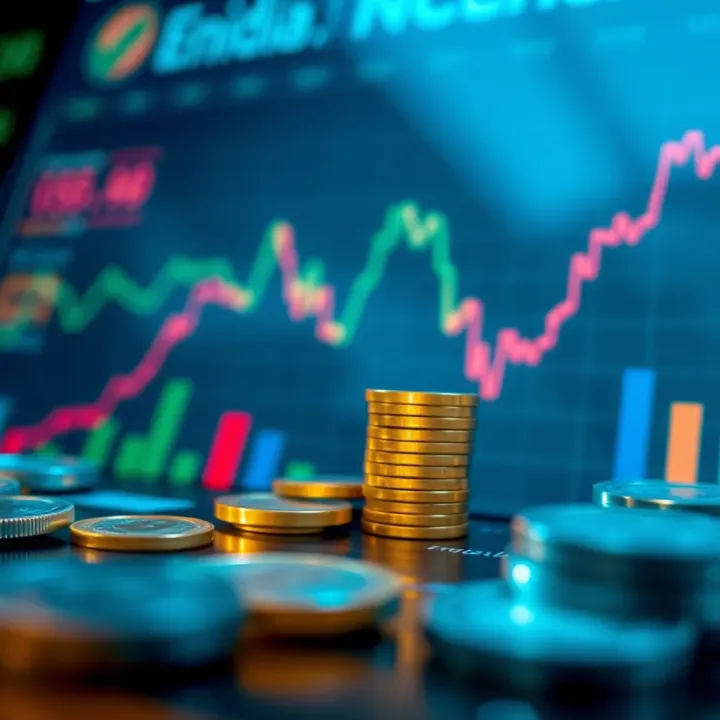
Inflation directly impacts the purchasing power of the Kenyan shilling. When inflation rises sharply, the KSh tends to weaken against the USD because higher prices mean goods and services become more expensive locally, reducing the currency's attractiveness. The Central Bank of Kenya (CBK) often adjusts interest rates to control inflation – increasing rates can attract foreign capital looking for better yields, which supports the shilling. For example, if inflation in Kenya rises above the CBK’s target band of 2.5%-7.5%, the bank might hike interest rates to cool demand, which can strengthen the KSh.
Kenya’s debt levels and fiscal policies also influence exchange rate movements. Growing public debt may scare foreign investors if they fear repayment risks, leading to less foreign capital inflow and pressure on the KSh. Fiscal policy—how the government collects and spends money—affects this dynamic. A large budget deficit funded by borrowing can weaken the currency as more shillings are issued. For instance, Kenya’s fiscal stimulus measures during the COVID-19 pandemic increased debt, prompting concerns about the shilling’s future stability.
Foreign direct investment (FDI) provides a steady flow of foreign currency into Kenya, supporting the shilling. Higher FDI inflows indicate international confidence in Kenya’s economy, bolstering the shilling against the USD. Additionally, Kenya’s exports, such as tea, coffee, and horticultural products, bring in foreign currency. When export earnings rise, demand for KSh grows, strengthening the currency. However, if commodity prices fall or export volumes drop, the shilling may weaken due to reduced foreign exchange earnings.
The US Federal Reserve’s monetary policies heavily impact the USD’s strength globally. When the Fed raises interest rates, US assets become more attractive, drawing capital away from emerging markets like Kenya. This can cause capital flight and put depreciation pressure on the KSh. For example, tightening cycles in the US often lead to shilling weakness as investors seek safer returns in dollars.
Kenya depends on several commodities both as imports and exports. Fluctuations in global prices—for oil, tea, or coffee—affect the cost of imports and the earnings from exports, impacting the exchange rate. Trade tensions or tariffs globally can disrupt supply chains and raise import costs, pressuring the shilling. For instance, an increase in oil prices raises Kenya's import bill since fuel is a major import, often pushing the KSh down.
Broader global economic health shapes investor sentiment and capital flows. During global crises or recessions, foreign investors prefer to hold safe currencies like the USD, often withdrawing funds from emerging markets. Such shifts typically weaken the KSh. Conversely, strong global growth can encourage investment and improve trade, benefiting the shilling. The ripple effects of events like the Eurozone debt crisis or the COVID-19 pandemic illustrate how external shocks can swiftly impact the KSh’s value.
Understanding both local economic indicators and global forces provides a clearer picture of the factors moving the USD to KSh exchange rate. This knowledge is critical for making sound financial and business decisions in Kenya’s changing economic landscape.
Understanding recent trends in the USD to Kenyan Shilling (KSh) exchange rate is key for anyone dealing with foreign currency in Kenya. These patterns offer clues about what drives the shilling’s value and help traders, investors, and businesses prepare for upcoming shifts. From historical shocks to seasonal swings, getting a grip on these movements can guide smarter financial decisions and risk management.
Economic shocks—like the 2008 global financial crisis or the COVID-19 pandemic—tend to trigger sharp fluctuations in the USD to KSh rate. For example, during the onset of COVID-19 in 2020, the shilling weakened rapidly as foreign investors pulled out capital and demand for the dollar surged. Such periods often see increased volatility, with the shilling losing value as anxieties about economic stability rise.
For businesses importing goods or Kenyans relying on remittances, these sudden shifts mean costs can jump overnight. Understanding past shocks helps anticipate potential stress points, so companies and individuals can set aside buffers or hedge exposure.
Seasonality also plays a role in exchange rate patterns. The Kenyan shilling typically shows strength around harvest seasons when foreign exchange inflows rise from tea and coffee exports, which bring in dollars. On the flip side, lean periods or unexpected external shocks—such as sudden spikes in oil prices or political unrest—can weaken the shilling temporarily.
For instance, delays in tea export receipts during certain months can cause short-term dips in the shilling’s value. Traders tune into these cycles to time their foreign currency purchases or sales, avoiding costlier periods.
The Central Bank of Kenya's interest rate decisions directly affect the shilling. If the Central Bank raises rates to curb inflation, KSh assets become more attractive, sometimes strengthening the currency. Conversely, rate cuts aimed at stimulating growth may ease pressure on borrowers but can weaken the shilling.
Recently, changes in Kenya’s Central Bank Rate (CBR) have influenced investor confidence. For example, a rise in CBR in early 2024 helped stabilise the shilling amid global market jitters, encouraging some foreign portfolio inflows.
Global factors remain equally important. Developments like tightening US Federal Reserve policies or escalating trade tensions impact the demand for dollars internationally, affecting the USD to KSh rate.
In 2024, geopolitical uncertainties and commodity price swings, notably in oil and maize, have caused bursts of shilling volatility. Kenyan exporters and importers watch these closely because they directly feed into costs and revenues, affecting day-to-day decisions.
Keeping a close eye on both local policies and international developments is crucial for anyone navigating the USD to KSh exchange. Past trends and present conditions together offer the best lens for making informed financial choices.
Economic shocks often cause rapid, sometimes extreme, shifts in exchange rates.
Seasonal export income patterns tend to strengthen or weaken the shilling cyclically.
Interest rate changes by the Central Bank of Kenya influence currency attractiveness.
Global events, including US policies and commodity prices, have strong ripple effects on the shilling.
Armed with this understanding, traders and investors can better manage risks and seize opportunities tied to the USD to KSh exchange rate.
Analysts and experts play a key role in forecasting the USD to KSh exchange rate by using various techniques to make sense of complex market data. Their predictions help businesses, investors, and policy makers anticipate currency movements, reduce risks, and make informed decisions. For example, importers planning to buy goods from abroad depend heavily on these forecasts to manage costs and avoid nasty surprises when paying in foreign currency.
Fundamental analysis looks at economic indicators, political events, and market policies to project exchange rate trends. This method involves studying Kenya’s inflation rates, interest rates set by the Central Bank of Kenya, trade balances, foreign reserves, and political stability. A practical case: when Kenya’s inflation rises faster than in the US, the shilling could weaken as its purchasing power drops. Similarly, if the Federal Reserve hikes interest rates, that tends to strengthen the dollar, affecting the USD to KSh rate.
Technical analysis focuses on historical price movements and trading volumes to predict future exchange rates. Analysts examine charts and patterns, such as resistance and support levels, moving averages, and momentum indicators. Traders on platforms like the Nairobi Securities Exchange (NSE) might use these signals to time currency trades. While it doesn't consider economic fundamentals, technical analysis can be handy for short-term forecasting, detecting trends, or spotting reversal points.
Sentiment and market psychology factor in traders’ perceptions, fear, or optimism about the market. For instance, if there’s political unrest in Kenya or global economic fears rise, market sentiment might push the shilling down due to uncertainty—even if fundamentals look stable. This method tracks indicators like the Volatility Index (VIX) or currency futures to gauge market mood. It shows the soft side of exchange rates that raw data can’t fully explain.
Forecasts from Kenyan financial institutions often blend all three methods, backed by on-the-ground insights. Banks such as Equity Bank or KCB release quarterly outlooks considering local inflation, government borrowing, and remittance flows. For instance, recent reports highlighted concerns about rising domestic debt pushing the shilling weaker. Such forecasts guide corporate clients and forex traders on Nairobi’s forex market.
International outlooks affecting the KSh include US monetary policy, global commodity prices like oil, and geopolitical tensions. For example, ongoing trade conflicts or oil price shocks can rattle global markets and indirectly impact Kenya’s exchange rate. Foreign analyst reports, such as those from the International Monetary Fund or World Bank, also influence local expectations by signalling risks or growth prospects.
Uncertainties and risk factors are critical because unexpected events can rapidly shift exchange rates. Risks include sudden changes in US Federal Reserve policy, regional political instability, or sharp drops in key exports like tea and coffee. For the shilling, these unsettled elements mean predictions should be approached with caution, and businesses advised to hedge or prepare for volatility.
Predicting exchange rates is never an exact science. However, using diverse forecasting methods helps reduce guesswork, offering clearer signals for planning and investing in Kenya’s dynamic economy.
Understanding how the USD to KSh exchange rate moves is more than just numbers on a screen. For Kenyan businesses, investors, and consumers, these predictions offer practical guidance on managing costs, planning investments, and navigating daily transactions. Being aware of likely exchange rate shifts can protect against unexpected losses and help make smarter financial choices.
Cost management and pricing strategies are central concerns for businesses dealing in imported goods or raw materials. For example, a manufacturer relying on imported machinery parts will see upfront costs rise if the shilling weakens against the dollar. This increase can squeeze profit margins unless the business adjusts its pricing accordingly or finds ways to cut costs elsewhere.
Some traders hedge risks by negotiating contracts in Kenyan shillings or seeking local substitutes when the exchange rate is volatile. For instance, importers of electronics might stock up during periods when the shilling is relatively strong to avoid paying more later. Effective cost management involves anticipating these currency swings to keep prices competitive without eroding profits.
Planning for currency fluctuations requires businesses to monitor exchange rate forecasts closely. Import-dependent companies often set aside contingency funds or use forward contracts—agreements to buy foreign currency at a fixed rate ahead of time. This approach helps stabilise costs when the market becomes unpredictable.
Moreover, exporters benefit when the shilling weakens because their goods become cheaper abroad, boosting sales. But if the shilling strengthens, export earnings may drop, so companies must factor these scenarios into growth plans and cash flow projections.
Impact on personal finances and savings shows strongly in households that rely on goods priced in foreign currency or those with savings in dollars. If the shilling depreciates, imported goods and school fees paid in dollars become more expensive, reducing disposable income. On the other hand, Kenyans with dollar-denominated savings may see gains in local currency terms when converting back.
For example, a family budgeting for university fees overseas must watch the USD/KSh rate closely. Even a small shift can add up to thousands of shillings over a full academic year.
Considerations when using M-Pesa and other services also come into play. Many Kenyans send and receive remittances or pay for imports via mobile money platforms like M-Pesa. Exchange rate swings impact how much value is actually transferred. When the shilling weakens, a fixed dollar amount sent from abroad translates to fewer shillings, affecting purchasing power.
Users should check current rates before transactions and consider timing transfers when the exchange rate is favourable. Some services offer locked-in rates or alerts to help manage this.
Best practices for currency risk management include diversifying where possible and keeping a close eye on market signals. Investors might hold a mix of assets in local and foreign currency to spread risks. Simple steps like avoiding large foreign debt payments when the shilling is weak or timing import orders can also save costs.
Businesses and consumers who actively monitor and adapt to currency trends can safeguard against sudden shocks and plan with more confidence.
In summary, knowing what to expect from USD to KSh exchange rate movements allows Kenyan businesses and individuals to manage costs, protect savings, and make well-informed financial decisions amid an often unpredictable currency environment.
📈 Explore the USD to INR forecast with key trends, economic factors, and expert outlooks to guide your currency exchange decisions between the US and India.

🔍 Stay ahead with a detailed AUD to USD forecast! Learn how economy, politics, and central banks impact the Aussie and US dollars exchange rates. 💹

📊 Get precise GBP/USD forecasts analysing key economic indicators, Brexit effects, US Fed moves, and market trends. Practical insights for trading and investment decisions.

🔄 Learn how to swap money safely using M-Pesa and other methods. Understand exchange rates, avoid common risks, and save when trading currencies in East Africa.
Based on 7 reviews