
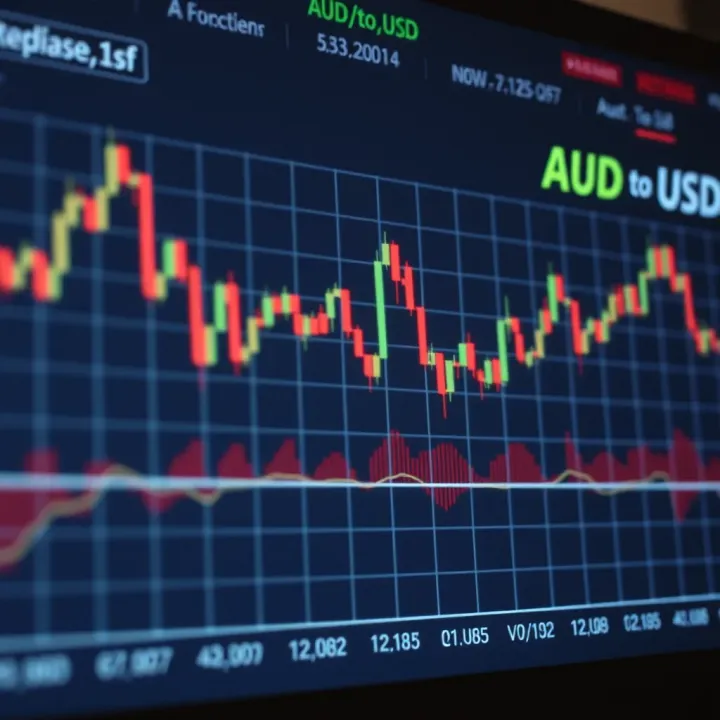
AUD/USD Forecast and Trading Insights
📊 Get detailed insights on AUD/USD trends, economic factors, and trading tips to make smarter currency decisions. Stay ahead with expert analysis! 💹
Edited By
Sophia Mitchell
The EUR/USD pair remains the most traded currency pair in global forex markets. For Kenyan traders and investors, understanding what shapes its movements is vital in making smarter trades and managing risks effectively. The pair reflects the value of the euro against the US dollar and moves in response to a mix of economic data, central bank policy shifts, geopolitical events, and broader market moods.
The eurozone and the United States have distinct economic landscapes, so key indicators like GDP growth, inflation rates, and employment figures from either region often sway the pair’s direction. For instance, if the US releases stronger-than-expected non-farm payroll numbers, it tends to boost the US dollar, pushing EUR/USD lower. On the flip side, positive eurozone industrial production or export data can lift the euro, nudging the pair upwards.
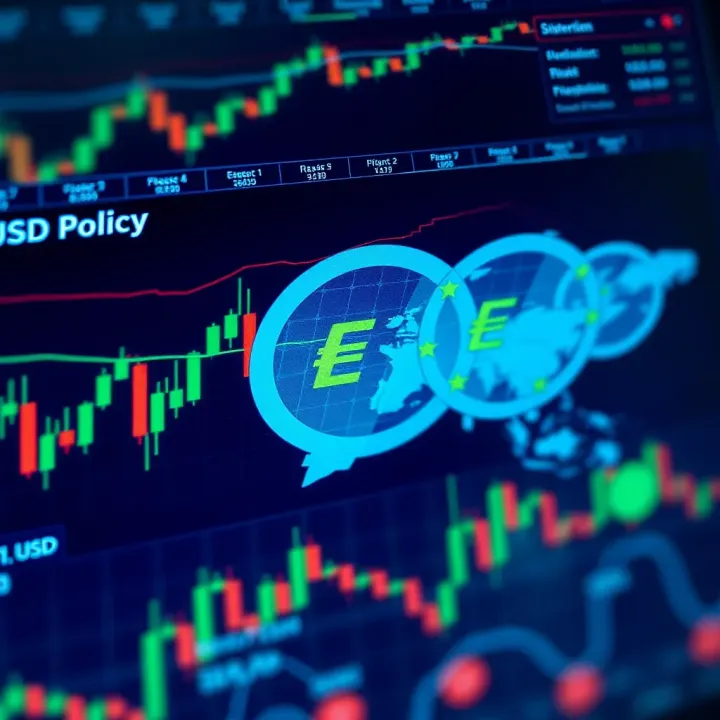
Central bank decisions from the European Central Bank (ECB) and the US Federal Reserve (Fed) also exert significant influence. When the Fed hints at interest rate hikes, investors find the dollar more attractive due to higher yields, causing EUR/USD to drop. Meanwhile, if the ECB takes a dovish stance, signalling slower rate increases or stimulus measures, the euro may weaken further. Traders keenly follow speeches, meeting minutes, and policy shifts from both institutions to anticipate the pair's next move.
Geopolitical tensions, trade negotiations, or global crises add another layer of complexity. For example, disruptions in energy supply affecting Europe or US-China trade strife can cause sharp swings in the euro-dollar exchange rate. These events affect market sentiment, often prompting risk-averse buyers to seek safe havens like the US dollar.
Keeping a close eye on economic releases, central bank actions, and geopolitical developments helps you anticipate EUR/USD trends and adjust trading strategies accordingly.
Economic indicators: GDP, inflation, employment, and trade data
Central bank policy: interest rates, quantitative easing, policy guidance
Geopolitical events: political stability, global conflicts, trade disputes
Market sentiment: risk appetite, safe-haven demand
Understanding these drivers equips Kenyan investors to navigate forex markets with better clarity, recognising how global and regional forces move the euro-dollar pair day to day.
The EUR/USD currency pair is one of the most actively traded pairs in the global forex market. For traders and investors, especially those in Kenya, understanding this pair is essential because it influences many economic activities, from international trade to travel costs. Knowing how this pair moves helps you make better decisions whether you’re sending remittances, trading forex, or importing goods priced in euros or dollars.
The EUR/USD exchange rate shows how many US dollars (USD) are needed to buy one euro (EUR). For example, if the rate is 1.10, it means one euro costs 1.10 US dollars. This rate fluctuates constantly based on supply and demand, economic data, and market sentiment.
This rate is practical for any transaction involving these two currencies. If a Kenyan business imports machinery from Germany, the cost in dollars or shillings depends on this rate. If the euro strengthens against the dollar, expenses rise, impacting pricing and profit margins.
Globally, EUR/USD is the most liquid currency pair, representing about 20% of all forex trades. It serves as a benchmark for global markets because both currencies are major reserve currencies. When this pair moves, it often signals how investors view the economic health of the Eurozone versus the United States.
The high trading volume means tighter spreads and more opportunities for traders. Movements in EUR/USD can also indicate broader trends affecting other currency pairs.
The EUR/USD rate affects Kenya in multiple ways. For businesses importing goods from Europe or the US, changes in this rate influence the cost of supplies. For example, the price of coffee processing equipment from Germany might rise when the euro gains strength against the dollar, pushing Kenyan exporters’ production costs higher.
Travel costs to Europe and the US also depend on the EUR/USD rate. A stronger euro means it costs more in dollars to buy euros for travel expenses. Since many Kenyans travel for education and business, fluctuations here impact budgets.
In forex trading, the EUR/USD pair offers good liquidity and volatility, attracting local traders keen on short-term gains. It’s also popular among Kenyan investors who use mobile platforms like Safaricom’s M-Pesa for deposits and withdrawals.
When sending remittances from Kenya to Europe or vice versa, the rate determines how much money changes hands. A favourable rate can mean more shillings received by families back home or less cost when funding education abroad.
The EUR/USD pair is central not just to international markets but to everyday financial decisions for many Kenyans.
Understanding its dynamics helps navigate the complexities of the forex market and local economic impact effectively.
The EUR/USD pair moves based on several key factors reflecting the economic and political health of both the Eurozone and the United States. Understanding these forces helps traders and investors anticipate shifts in value and adjust their strategies accordingly. This section breaks down the main drivers behind EUR/USD fluctuations, focusing on economic indicators, central bank actions, and geopolitical events.
GDP growth and unemployment rates are important signals of economic strength in the Eurozone. When GDP figures show steady growth, it suggests that the economy is expanding, which usually supports the euro’s value. Conversely, high unemployment weakens confidence in economic performance, often pushing the euro lower as investors become cautious. For example, during the COVID-19 lockdowns, Eurozone unemployment spikes and shrinking GDP numbers led to a weaker euro against the dollar.
Inflation trends and their impact also play a crucial role. Persistent inflation above the European Central Bank’s (ECB) target can pressure it to tighten monetary policy, which tends to strengthen the euro. On the other hand, low inflation or deflation signals economic stagnation, prompting the ECB to keep rates low or engage in stimulus measures. Such policies usually diminish the euro’s appeal against the dollar, as seen when inflation in Europe stalled while US inflation rose, tilting the EUR/USD rate.
Federal Reserve interest rate decisions directly influence the EUR/USD pair. When the Fed hikes rates to counter inflation, it typically boosts the dollar because higher yields attract investment capital. Rate cuts, in contrast, can weaken the dollar, often giving the euro room to strengthen. For Kenyan traders, tracking Fed announcements is vital since they can cause quick swings in the forex market.
US job market and inflation reports similarly sway the pair. Strong payroll numbers and low unemployment reinforce confidence in the US economy, supporting the greenback. Meanwhile, rising inflation numbers can hasten Fed rate hikes, further strengthening the dollar. For example, when recent US job reports showed resilience despite global economic uncertainty, the dollar gained, pushing EUR/USD down.
EU political stability and elections affect euro strength by shaping market confidence. Elections that bring clarity and pro-business governments tend to support the euro. However, political uncertainty or the rise of Eurosceptic movements can unsettle investors. Take the Italian elections – any hint of instability there often sees the euro weaken as traders worry about the country’s economic future.
The US political landscape also shapes market sentiment. Political gridlock or policy uncertainty can make the dollar more volatile. For instance, during US budget standoffs or debates over debt ceilings, markets react nervously, sometimes causing the dollar to dip temporarily.
Global events affecting currency risk — such as trade disputes, conflicts, or pandemic developments — influence EUR/USD by altering risk appetite. In risky times, investors may flock to the dollar as a safe haven, weakening the euro. The 2022 Russia-Ukraine conflict is a good example, pushing the dollar higher due to increased global uncertainty.
Successful trading demands close attention to these factors, as each can swiftly tip the balance in the EUR/USD exchange rate. Kenyan investors benefit from monitoring economic releases, central bank statements, and geopolitical news to stay ahead.
Understanding these drivers offers better insight into the pair's future direction and helps manage risks effectively in forex markets.
Central bank decisions strongly influence the EUR/USD exchange rate by shaping inflation, interest rates, and overall economic confidence on both sides of the Atlantic. Traders and investors closely watch the policies of the European Central Bank (ECB) and the US Federal Reserve because even small changes can prompt immediate shifts in the currency pair. Understanding these policies helps Kenyan traders gauge market direction, manage risks, and capitalise on volatility.
Interest rate changes and quantitative easing are key tools the ECB uses to manage the eurozone economy. When the ECB lowers interest rates, borrowing becomes cheaper, which can stimulate growth but might weaken the euro against the dollar. Conversely, raising rates usually strengthens the euro as investors seek higher returns. For example, when the ECB kept rates near zero for years following the 2008 financial crisis, the euro was generally weaker compared to the dollar.
Alongside rates, the ECB conducts quantitative easing (QE) — buying government bonds to inject money into the economy. This policy pushes down yields and encourages lending and spending, often leading to a softer euro. Kenyan traders should watch for ECB announcements on QE tapering, as signals to reduce bond purchases often cause the euro to gain strength.
Forward guidance and market expectations guide how investors anticipate ECB actions. The ECB frequently issues statements about its future plans to reassure markets and stabilise volatility. If the bank signals a slow pace of future tightening, the euro might weaken even before actual moves occur. On the other hand, credible hints of tightening monetary policy often bolster the currency ahead of meetings.
In practice, traders need to track ECB press conferences and speeches, as subtle changes in wording can affect EUR/USD movements. For instance, when the ECB suggests inflation risks are rising, markets may price in faster rate hikes, firming the euro.
The US Federal Reserve's rate hikes and cuts play a similar role in shaping the dollar's strength. When the Fed raises interest rates, it typically attracts capital inflows seeking better returns, thereby strengthening the dollar versus the euro. For example, the rate hikes in 2017-2018 coincided with a strong US dollar period.
Alternatively, rate cuts aimed at spurring the economy can weaken the dollar, making the euro appear stronger relatively. Kenyan investors trading in forex or remittances must watch Fed decisions, especially during economic challenges such as recessions or inflation surges.
Fed communication and market reactions are just as important as the policies themselves. The Fed releases minutes, projections, and public speeches that provide clues about monetary paths. Markets tend to move sharply on surprises or clearer guidance. For example, if the Fed unexpectedly signals prolonged low rates, the dollar might weaken sharply, lifting EUR/USD.
In practical trading, it's vital to not only digest the headline rates but also the tone and language used by Federal Reserve officials. Kenyan traders can use this insight to position before big announcements, balancing risks through stop-loss orders or hedging.
Both the ECB and Federal Reserve shape EUR/USD through a mix of rate policies and communication strategies. Close attention to these factors enables smarter forex decisions and better timing for entry or exit around volatile periods.
ECB interest rate decisions and quantitative easing directly impact euro strength.
Forward guidance from the ECB shapes market expectations and price moves.
Fed rate hikes attract investment, strengthening the dollar against the euro.
Fed communication influences market sentiment and short-term EUR/USD swings.
Staying updated on central bank policy shifts empowers traders and investors to navigate EUR/USD fluctuations effectively.
Market sentiment and technical analysis offer crucial insights into the near-term direction of the EUR/USD pair. While economic data and central bank policies set the broader scene, understanding how traders feel about the pair sheds light on immediate market reactions and potential price shifts. Technical analysis taps into past price action, revealing patterns and key price levels that often guide future movements. For Kenyan traders and investors, combining these approaches gives a clearer edge in timing trades and managing risks.
Recent price movements reveal how the EUR/USD rate has been behaving over days or weeks. For instance, a rise from 1.05 to 1.08 over two weeks suggests strengthening euro sentiment despite global uncertainties. Observing such trends helps you spot momentum—whether the pair is bullish (rising) or bearish (falling)—and assess whether ongoing economic events are already priced in or could trigger reversals.
Besides simple direction, pay attention to volatility. Sharp spikes or drops indicate market nerves or reactions to news, such as unexpected central bank announcements. For example, after a surprise Fed interest rate decision, the EUR/USD might quickly slip from 1.08 to 1.06, signalling traders reassessing the dollar's strength.
Support and resistance levels act like invisible boundaries where the price tends to pause or reverse. Support is a price floor where buying interest pushes the rate back up, while resistance is a ceiling capping upward moves. On the EUR/USD chart, if 1.06 has held as support multiple times, traders expect the pair to bounce there again unless a clear breakout happens.
Understanding these levels helps plan entry and exit points. If you buy near support, you reduce the chance of big losses if the market turns. Conversely, setting take-profit just below resistance can lock gains before potential pullbacks. These zones also highlight where stop-loss orders might cluster, so a breach of support or resistance could lead to sharp moves as stops trigger.
Short-term outlooks generally cover days to a few weeks, focusing on immediate influences like economic releases, political events, or short-term market sentiment. Analysts might predict the EUR/USD will test 1.07 resistance if Eurozone inflation reports come in softer than expected. For Kenyan traders looking to enter quick trades, such forecasts guide expectations and help prioritise watchlists.
Medium to long-term projections stretch over months and consider broader factors like economic growth trends, monetary policy trajectories, and geopolitical shifts. For example, if the European Central Bank signals a series of interest rate rises to combat inflation while the US Federal Reserve is turning cautious, analysts may expect the euro to strengthen gradually against the dollar over six months.
These projections are vital for investors and entrepreneurs dealing with currency risk in business or investments extending beyond daily fluctuations. They offer a framework to hedge exposures or make longer-term plans, like budgeting for imports and exports or setting up forex portfolios.
Paying attention to both market sentiment and technical signals empowers Kenyan traders to react promptly and sensibly to EUR/USD changes, balancing opportunity and risk effectively.
Navigating the EUR/USD market can be tricky for Kenyan traders and investors due to its volatility and sensitivity to global events. Practical tips tailored for Kenyan contexts help in managing risks and making informed decisions that align with local realities like currency fluctuations affecting remittances, import costs, or investment returns.
Using stop-loss orders is one of the simplest yet most effective ways to protect your investment. A stop-loss order automatically sells a position once the exchange rate drops to a specified level, limiting potential losses without constant monitoring. For instance, if you buy EUR/USD at 1.0800 and set a stop-loss at 1.0750, your position will close if the price hits 1.0750, preventing further loss if the market slides.
This tool is vital because the forex market can move fast, especially around economic announcements or geopolitical news. Keeping emotions out of trading decisions is crucial, and stop-loss orders help enforce discipline by cutting losses before they pile up.
Diversification strategies help to spread risk rather than putting all your capital into a single pair like EUR/USD. For Kenyan investors, this might mean also trading USD/KES or EUR/GBP pairs or combining forex with investments in stocks or commodities. Diversification reduces vulnerability to sudden shocks in any one market.
For example, if EUR/USD falls due to European economic troubles, having exposure to other assets like Kenyan equities can offset some losses. The key is to balance your portfolio according to your risk appetite and market knowledge, so you’re not overly exposed to a single currency's moves.
Useful platforms and news sources are essential for staying updated on market trends. Internationally recognised platforms like Bloomberg, Reuters, and Investing.com offer live EUR/USD rates, economic calendars, and news alerts. These sites provide data from both the Eurozone and US economies — vital for understanding what drives the pair.
Locally, Kenyan traders benefit from resources like the Business Daily and Standard Digital, which often provide context on how global forex moves impact the Kenyan shilling and economy. Staying informed through multiple sources reduces the risk of relying on outdated or biased information.
Local brokers and trading options matter a lot for Kenyan traders. Reputable brokers regulated by the Capital Markets Authority (CMA) or authorised by recognised financial bodies provide safe platforms with access to real-time EUR/USD trading. Some popular brokers offer M-Pesa integration for easy deposits and withdrawals, which is convenient given M-Pesa’s dominance in digital payments.
Choosing a broker familiar with Kenyan market conditions and offering solid customer support means you get guidance suited to local needs. It also helps avoid scams, which have unfortunately affected some forex traders in Kenya.
Managing risks and having access to reliable data are not just good practices but essentials for any Kenyan trading or investing in EUR/USD. Building these habits enhances the chances for success in a volatile market.
📊 Get detailed insights on AUD/USD trends, economic factors, and trading tips to make smarter currency decisions. Stay ahead with expert analysis! 💹
Get clear insights on WLD price predictions 📈, trends, risks, and opportunities in Kenyan and global markets. Equip yourself for informed investments today.
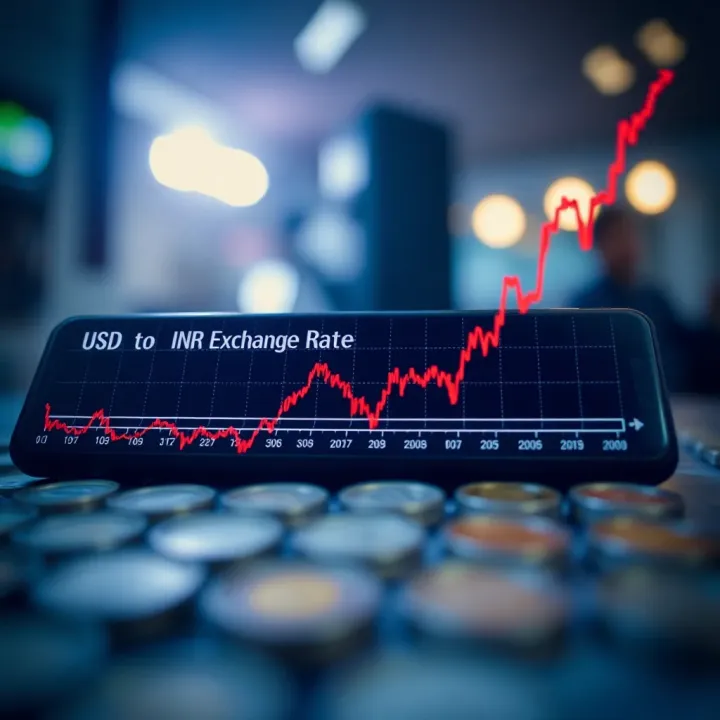
📈 Explore the USD to INR forecast with key trends, economic factors, and expert outlooks to guide your currency exchange decisions between the US and India.

🔍 Stay ahead with a detailed AUD to USD forecast! Learn how economy, politics, and central banks impact the Aussie and US dollars exchange rates. 💹
Based on 12 reviews