

Deriv Sign In Guide for Kenyan Users
📈 Master Deriv sign-in with our step-by-step user guide! Learn secure login, password recovery, troubleshooting tips, and account management in Kenya.
Edited By
Sophie Langley
Swapping money, or exchanging one currency for another, is a common activity for businesses and individuals involved in trade, travel, or investment. In Kenya, understanding how currency exchange works is especially important given frequent dealings with both local and foreign currencies like the US dollar, euro, or East African shilling.
At its core, currency exchange involves swapping Kenyan Shillings (KSh) for another currency or vice versa. This can happen in physical form through bureaus de change or banks, or digitally via platforms like M-Pesa, where users send money that’s converted and received in another currency. The choice depends on convenience, cost, and purpose.
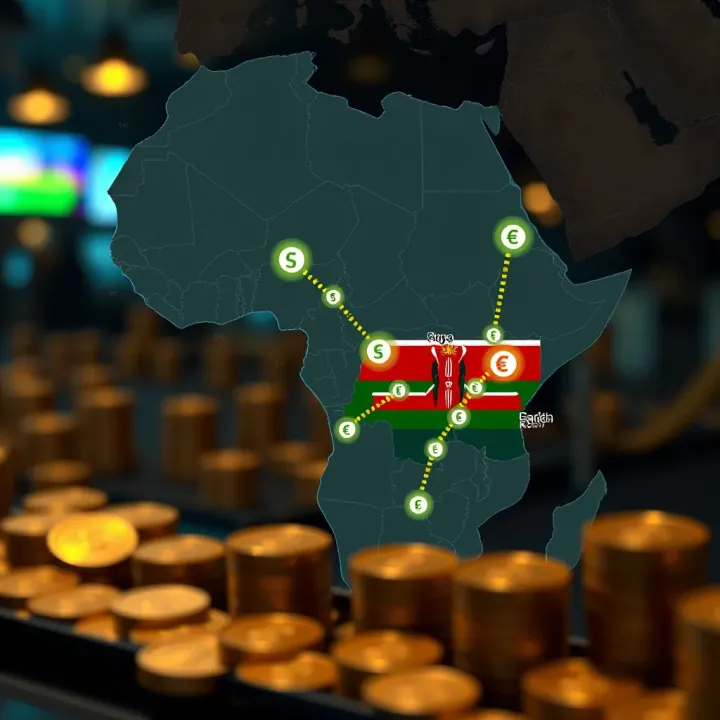
Exchange rates fluctuate constantly, influenced by supply and demand, government policies, and economic factors, impacting the value of your traded money.
When swapping money, traders and investors watch exchange rates closely. For example, when the KSh weakens against the US dollar, imported goods become more expensive, affecting trader margins. Conversely, exporters may benefit as their products become cheaper in foreign markets.
To get the best value, it helps to monitor market trends and fees charged by agents or banks. Digital exchanges like M-Pesa often offer competitive rates and speed but may charge service fees, while traditional bureaus sometimes offer negotiable rates, especially for large sums.
Understanding the practicalities also mean being aware of limitations such as daily transaction caps on platforms like M-Pesa, regulatory requirements for cross-border transfers, and risks of counterfeit notes in cash exchanges.
In Kenya’s regional trade context, currency swaps are common across borders with Uganda, Tanzania, and Rwanda. Traders often convert currencies to manage cash flow and buy goods within the East African Community (EAC), relying on both official channels and informal networks.
In summary, swapping money isn’t just about changing one note for another; it demands knowledge of exchange rates, costs, and safer methods suited for local business and investment needs. This article will guide you through these aspects with a focus on practical, actionable insights.
Swapping money, or currency exchange, is the process where one type of currency is converted into another. This practice is common for people and businesses dealing with international trade, travel, or cross-border investments. For instance, a Kenyan exporter receiving payment in US dollars must swap that into Kenyan shillings to cover local costs, highlighting why understanding currency exchange is vital for daily operations.
At its core, money swapping is straightforward: exchanging one currency for another at an agreed rate. This rate, called the exchange rate, determines how many units of one currency you get for another. Currency exchange affects everything from sending remittances to foreign tuition payments. For example, when a Kenyan student pays fees for a university in the United States, their Kenyan shillings must be swapped into US dollars.
Various groups regularly swap currencies. Traders and importers swap foreign currencies to pay suppliers abroad. Travellers swap cash to pay for goods and services overseas. Investors convert money to buy stocks listed in different countries. For example, a Nairobi-based businessman importing electronics from China swaps Kenyan shillings for Chinese yuan to complete transactions. Also, East African Community (EAC) cross-border traders frequently exchange currencies while transporting goods between Kenya, Uganda, and Tanzania.
Honest and transparent exchange safeguards sellers and buyers from fraud and unfair losses. Efficient currency exchange saves time and money by offering reasonable rates and low fees. Suppose a business receives a poor exchange rate; their profits could shrink significantly. Given Kenya’s reliance on mobile money platforms like M-Pesa, consumers expect quick, secure transactions without hidden charges. Upholding integrity builds trust, which is crucial especially when swapping money in informal markets or with new digital platforms.
When swapping currency, always verify the rates and confirm the legitimacy of the service provider — this prevents scams and ensures you get fair value.
Understanding the practicalities behind swapping money helps entrepreneurs and investors make informed decisions. It’s not just about changing cash but managing costs, risks, and opportunities in Kenya’s interconnected economy.
Swapping money in Kenya involves several methods and locations, each suited to different needs and levels of convenience. Understanding where and how to exchange currency helps traders, investors, and entrepreneurs access the best rates and safer transactions. Whether you prefer traditional outlets or digital platforms, knowing these options is key to making smart financial decisions.
Currency exchange bureaus are widespread in major towns like Nairobi, Mombasa, and Kisumu. They offer physical outlets where customers bring cash to swap one currency for another. These bureaus typically display their rates publicly and profit from the difference between the buying and selling price, known as the spread. For instance, someone exchanging US dollars to Kenyan shillings at a Nairobi bureau will get rates that vary slightly between bureaus, influenced by daily fluctuations in the forex market.
Banks generally offer more regulated and sometimes better exchange rates than independent bureaus, especially for large amounts. However, banks might charge additional service fees and require documentation, making the process less flexible. Bureaus tend to be faster and willing to trade smaller amounts without paperwork, which is convenient for everyday traders or travellers. Still, bank rates tend to be more reliable, and payments via bank transfers add a layer of security.
Using established banks or licensed exchange bureaus reduces risks such as counterfeit currency or fraud. Look for bureaus registered with the Central Bank of Kenya or those operating within bank premises. Avoid street-level dealers or informal kiosks, especially in crowded marketplaces where scams are more common. Always count your money carefully and request a receipt during transactions. This approach is especially crucial for business operators who exchange large sums and need to keep records.
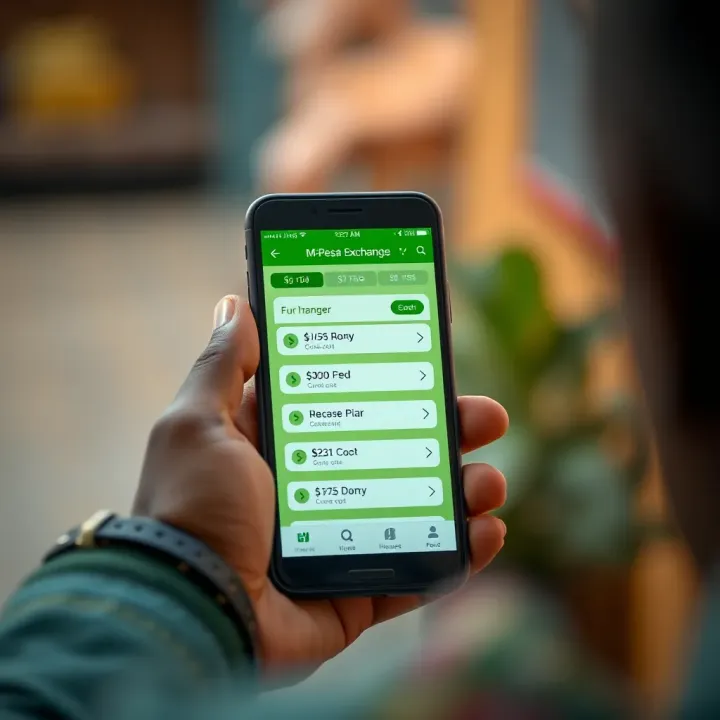
M-Pesa has transformed the way Kenyans send and receive money, even across borders. With partnerships in East African countries like Tanzania and Uganda, users can send funds in local currencies directly to mobile wallets or bank accounts. This service bypasses the need for physical cash exchange and reduces travel risks. For example, a supplier in Uganda can receive payment from a Kenyan buyer through M-Pesa's international transfer feature, making cross-border trade more efficient.
Apps like BitPesa (now AZA Finance), WorldRemit, and others enable easy currency swaps by linking mobile money accounts to forex markets. Traders can monitor exchange rates in real-time, execute swaps instantly, and transfer funds into various currencies. These digital platforms often offer better rates than physical bureaus and save time, especially for business transactions involving foreign suppliers or clients.
Digital platforms encrypt transactions, reducing theft or loss risk associated with carrying cash. They also keep transaction history accessible, simplifying record keeping for businesses and auditors. That said, users must ensure they use verified apps and maintain strong passwords. The convenience of swapping currencies at any time without visiting physical outlets fits well with the dynamic needs of entrepreneurs and investors.
Peer-to-peer (P2P) currency swapping happens often in smaller towns or near border points like Namanga, Busia, or Malaba. While it can offer competitive rates due to fewer overheads, it comes with notable risks including counterfeit notes, lack of official receipts, and potential legal complications if large sums are involved. However, it remains popular among traders needing quick cash without the bureaucracy.
In border towns, traders often swap currency informally at local markets where Tanzanian shillings, Ugandan shillings, and Kenyan shillings frequently circulate. These informal dealers use mobile money platforms or cash depending on the transaction size. Despite the risks, speed and flexibility often outweigh caution for small business operators engaged in cross-border trade.
When swapping, always weigh the benefits of convenience against risks. Wherever possible, stick to licensed providers and digital platforms to protect your money.
Understanding these methods and where to find them lets you choose the right swapping option for your circumstances, balancing cost, speed, and security effectively.
Knowing how exchange rates work is vital if you frequently swap currencies, whether for business or personal use. These rates determine how much of one currency you get in exchange for another, affecting your costs and profits directly. For instance, a trader importing goods from Tanzania needs to keep an eye on how many Kenyan shillings (KSh) they must pay per Tanzanian shilling (TZS) to maintain good margins.
Central banks, like the Central Bank of Kenya (CBK), play a key role in determining exchange rates through their monetary policies. They intervene by buying or selling foreign currency reserves to control volatility and keep inflation in check. For example, if KSh starts to weaken sharply against the dollar, CBK may use foreign exchange reserves to stabilise the situation, indirectly affecting the rates available in bureaus and banks.
This intervention impacts businesses and individuals because a stable exchange rate reduces uncertainties when planning imports or exports. It also affects interest rates and inflation, so traders should watch CBK announcements closely.
Exchange rates also move based on supply and demand dynamics. If many Kenyans buy US dollars to pay for school fees abroad or for travel, the dollar’s value against the shilling can rise. Conversely, if Kenyan exports increase, bringing in more foreign currency, the shilling may strengthen due to higher dollar inflow.
For instance, during coffee harvest season, exporters sell more foreign currency, which can lead to a favourable exchange rate for those swapping dollars to shillings. Understanding these patterns helps traders and investors anticipate short-term rate movements.
Events beyond Kenya’s borders often influence exchange rates. Global economic changes like US Federal Reserve interest rate decisions, oil price shocks, or political instability in major economies can affect currency values worldwide. For example, if the dollar strengthens after a Fed rate hike, it might make Kenyan imports more expensive and cause the shilling to weaken.
In East Africa, regional events such as changes in Tanzanian or Ugandan economic policy can also affect exchange rates, given the close trade ties. Entrepreneurs involved in cross-border trade need to stay updated on these global and regional developments to make smarter currency decisions.
Kenya operates a floating exchange rate system where the value of the shilling is determined by market forces rather than being pegged to another currency. This means rates shift frequently depending on trade flows, foreign investments, and investor sentiments.
Unlike fixed-rate regimes, where governments keep the currency stable at a certain level, Kenya’s system allows flexibility but can bring volatility. Traders must be ready to adapt quickly since dramatic shifts may appear, especially during election periods or global economic shocks.
Monitor CBK daily rate alerts and market reports: These often signal upcoming shifts based on monetary policy or external pressures.
Watch foreign currency inflows and outflows: High remittances or export receipts can strengthen the shilling.
Follow global economic news: Fed rate changes, oil prices, and regional trade developments affect rates.
Use currency comparison tools and apps: Platforms like XE or Forex websites can help you spot trends early.
Staying informed and understanding these factors gives you an edge in timing currency exchanges for better value. A savvy trader tracks these influences constantly rather than waiting until the last minute.
By appreciating how exchange rates behave and the forces behind them, Kenyan traders, investors, and entrepreneurs can protect their margins and make smarter decisions when swapping money.
Swapping money, especially across borders or through various channels, often presents challenges that can eat into your value or expose you to risks. Understanding these common problems helps traders, investors, and entrepreneurs safeguard their transactions and make informed decisions.
Fraud remains a significant concern, especially in informal or less-regulated settings. For instance, using unlicensed bureaus or peer-to-peer exchanges at border towns might seem convenient but could lead to counterfeit notes or unfair rates. A common scam is the swapping of worn-out or fake notes, which leads to losses once you try to spend the money.
To avoid scams, always verify that the exchange bureau or platform is licensed by recognised authorities like the Central Bank of Kenya. When dealing with online platforms or mobile money transfers, double-check transaction details – particularly the recipient’s details – before confirming. Carrying out currency swaps during daylight hours in reputable places also reduces risks.
Hidden charges often catch traders unaware. Some bureaux advertise attractive rates but deduct fees later through handling charges or poor conversion rates. Similarly, mobile money platforms may add transaction fees or offer unfavourable rates for cross-border transfers.
Before swapping money, ask for the exact exchange rate and all associated fees upfront. Compare several providers to spot significant discrepancies. For example, exchanging at a bank branch might carry higher fees but offer better rates than informal channels. Using tools like rate comparison apps or M-Pesa’s official transfer calculator can help you avoid getting the short end of the stick.
The Kenyan government and Central Bank regulate currency exchanges to control money flow and protect the shilling. For example, there are limits on the amount of foreign currency individuals can carry when leaving or entering the country. Traders exchanging amounts over KSh 1 million typically need to declare and justify the source of funds to KRA or CBK officers.
These rules help prevent money laundering and illegal transfers but can inconvenience casual traders unfamiliar with legal requirements. Being aware of these controls helps avoid penalties or seizure of funds. Always obtain official receipts and declare large trades as required.
Within the East African Community (EAC), cross-border currency exchange supports trade, but comes with regulations. Each member state, including Kenya, may enforce restrictions on currency movements and require traders to use authorised channels for foreign exchange. For example, cash limits between Kenya and Uganda or Tanzania ensure trade transparency and curb informal dealings.
Traders should familiarise themselves with both Kenyan and neighbouring countries’ rules to avoid fines or confiscation. Using official platforms for currency swaps and registering with border authorities where required streamlines trade and reduces headaches.
Always treat currency exchange as a serious financial transaction. Taking time to understand risks and regulations can save you from losing money, facing legal troubles, or falling prey to fraud.
In sum, avoiding scams, checking all fees, and following currency laws make currency swapping safer and more profitable in Kenya's dynamic market environment.
Getting the best value when swapping money saves you from losing cash unnecessarily, especially in Kenya's dynamic currency market. Whether you are a small trader sending remittances or a business importing goods, a slight difference in exchange rates and fees can add up to thousands of shillings. Therefore, understanding how to navigate providers, time your transactions, and use trustworthy channels becomes essential.
Not all currency exchangers offer the same rate, even for the same currencies. Traditional banks like KCB or Equity Bank often give more conservative rates but add some assurance. Exchange bureaus in Nairobi's CBD or at border towns such as Busia tend to be more competitive, sometimes offering slightly better rates to attract walk-in customers. Digital platforms like M-Pesa Foreign Exchange or forex apps might display real-time rates closer to market value but include other charges.
To get the best deal, always check multiple providers and factor in any commission or fees. For example, if one bureau offers US dollars at KS10 per dollar but charges 2% commission, and another offers KS08 with no fees, the effective rates might be nearly equal. Comparing rates isn't just about the headline figure; consider the total cost of the transaction.
Currency rates fluctuate due to global economic events and local market conditions. Traders who watch these shifts can save or gain more by choosing the right moment. For instance, after the Central Bank of Kenya (CBK) tightens monetary policy, the shilling often strengthens, giving better exchange rates for buying foreign currencies.
Similarly, avoid exchanging money during periods of high demand, such as the festive season or just before major holidays when many Kenyans abroad send remittances. Rates can be less favourable due to demand pressure. Using simple tools like forex rate alerts or checking daily shilling performance can help time your exchange better. If you frequently swap money, consider booking rates in advance with digital platforms to lock in better prices.
Trust is critical when dealing with cash or digital currency swaps. Use licensed banks, recognised bureaux, or reputable mobile money services like Safaricom's M-Pesa. Always get official receipts and verify transaction details immediately. For large transactions, proper documentation may be required under Kenya Revenue Authority (KRA) or Central Bank guidelines.
Beware of peer-to-peer swaps without proper checks; while common in border towns, these can carry risks such as counterfeit notes or scams. Keeping identification and transaction records plays a part in protecting yourself from disputes or legal issues.
Always treat your money swaps like a business deal: compare prices, watch timing, and use trusted operators with proper paperwork. This way, you keep more shillings in your pocket and avoid costly mistakes.
By staying alert to rates, timing, and trusted sources, you ensure your currency exchange yields best value amid Kenya's lively trade and remittance environment.
📈 Master Deriv sign-in with our step-by-step user guide! Learn secure login, password recovery, troubleshooting tips, and account management in Kenya.
🔐 Learn how to safely access and manage your Deriv account with step-by-step login help, security tips, and troubleshooting for Kenyan traders. 📈

📊 Ready to dive into crypto trading in Kenya? This practical guide breaks down key steps, strategies, risks, and legal tips to trade confidently.
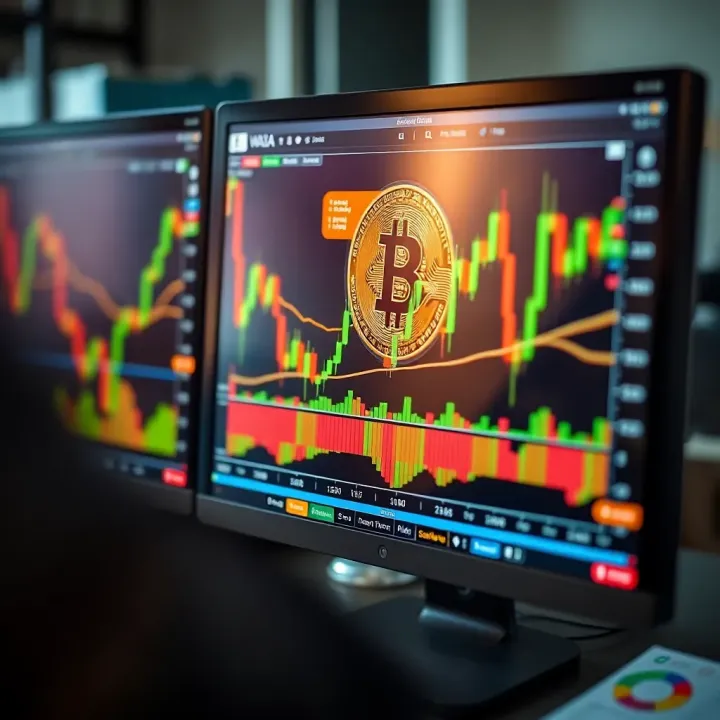
📊 A practical guide for Kenyan investors on crypto trading: learn key strategies, market analysis, top platforms, risk management, and rules for safe trades.
Based on 11 reviews