
Trading Signals Guide for Kenyan Investors
📈 Learn how trading signals help Kenyan investors make smart moves in stocks, forex & assets. Understand types, challenges & tips to trade confidently in Kenya's markets.
Edited By
Isabella Reed
Trading signals are essential tools that help investors and traders identify the right moments to buy or sell assets. Whether in forex, stocks, or commodities trading, signals provide clear indications based on market data, aiming to increase the chances of profitable decisions. For traders in Kenya and similar markets, understanding these signals is key to navigating local and global financial waters.
A trading signal can come from several sources: technical analysis tools, fundamental analysis, or even experienced traders’ alerts. For instance, a moving average crossover on the NSE (Nairobi Securities Exchange) chart might signal a potential uptrend in a share price, suggesting a buying opportunity. Alternatively, macroeconomic news—like Kenya’s inflation rate release—can trigger signals to enter or exit positions.
Properly understanding and using trading signals is not about blindly following tips but about interpreting data to fit your specific strategy and risk appetite.
Trading signals often fall into these categories:
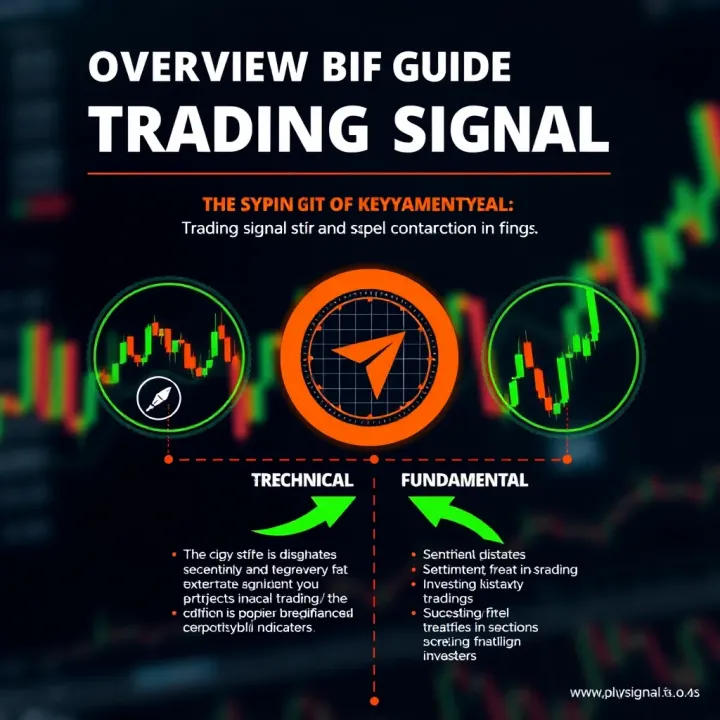
Technical signals: Based on price patterns, volumes, indicators like RSI or MACD.
Fundamental signals: Derived from economic events, earnings reports, or political developments.
Sentiment signals: Gauging market mood, often from news or social media trends.
Each type has unique strengths and weaknesses. Technical signals suit traders who prefer charts and patterns, while fundamental signals help those focused on broader economic conditions. Sentiment signals can be a double-edged sword, sensitive to sudden market swings.
Kenyan traders can combine various signals with local market knowledge. For example, if a fundamental signal shows rising tea export demand in Kenya while technical charts for Mombasa Tea shares suggest a bullish trend, the combined signals provide a stronger case for investment.
Integrating signals into your strategy means setting clear entry and exit rules. Relying on signals alone without proper risk management can expose you to unnecessary losses.
In summary, trading signals are valuable for making informed decisions. By recognising their types, origins, and how to apply them thoughtfully, you improve your chances in the dynamic trading environment.
Understanding what trading signals are and how they work is fundamental for anyone venturing into the markets, especially traders and investors in Kenya's vibrant financial environment. Trading signals serve as actionable alerts or cues suggesting favourable moments to buy or sell assets like stocks, forex, or commodities. The practical benefit lies in their ability to distil vast market data into simple guides, helping you spot opportunities or avoid pitfalls in fast-moving markets.
For instance, say you follow the Nairobi Securities Exchange (NSE); trading signals might alert you when a stock's price momentum shifts, prompting a timely trade. Grasping how they function also sharpens your decision-making, preventing impulsive moves based purely on hearsay or rumours common in informal trading circles.
Trading signals exist to provide clear, objective triggers that indicate potential entry or exit points in the market. Their purpose revolves around simplifying complex price movements and helping traders act with greater confidence. In practical terms, a signal might prompt you to buy a stock when its short-term moving average crosses above a long-term average, signalling upward momentum.
These signals aim to enhance your trading discipline by reducing emotional bias. By following them, you avoid commonly costly mistakes like panic selling during minor drops or holding on too long when a trend changes, which is often what separates successful traders from the rest.
At their core, trading signals are generated when certain predefined conditions in price, volume, or other market data are met. For example, a breakout above a known resistance level may generate a 'buy' signal, indicating a possible surge in demand. This mechanical approach means signals are based on measurable triggers rather than guesswork.
Such mechanics apply across different markets and timeframes, from short-term forex trades to longer-term equity investments. This uniformity allows traders to apply signals consistently, tailoring them to their trading style whether they are scalping on minute charts or investing over months.
Many trading signals come from technical analysis, which examines historical price and volume data to forecast future movements. Indicators like moving averages, the Relative Strength Index (RSI), and Bollinger Bands spot patterns or momentum shifts that can serve as trading signals.
For example, when RSI falls below 30, it might suggest an asset is oversold – a potential signal to buy. Such indicators are especially useful in markets influenced heavily by trader psychology, like forex, where price trends and reversals often follow recognisable patterns. They help you act at critical junctures without being overwhelmed by data.
Some signals arise from fundamental analysis, which focuses on economic, financial, and political factors affecting asset values. In Kenya, this might involve monitoring central bank interest rate announcements, company earnings reports from NSE-listed firms, or shifts in government policy.
These inputs give signals by highlighting changes in an asset’s underlying value. For example, a strong quarterly report might trigger a buy signal for a listed company’s stock. While technical signals reflect market sentiment, fundamental signals ground your trades in real-world economic facts, providing a broader perspective.
Combining both technical and fundamental signals offers a more balanced and informed trading approach. It’s like having views from both the map and compass when navigating the markets.
By mastering what trading signals are and how they function, you equip yourself to navigate the Kenyan markets more wisely, making your trading decisions clearer and better timed.

Trading signals come in various forms, each offering unique insights based on different aspects of the market. Understanding the different types helps traders choose the signals that fit their style and strategy, especially in markets like Kenya’s where volatility and external factors can change price direction quickly. You will find signals grounded in price movements, fundamental economic triggers, or automated systems relying on programmed rules. Combining these signals wisely can improve your chances of success.
Moving averages crossover is a straightforward but powerful signal widely used by traders. It happens when a short-term moving average crosses above or below a long-term moving average, indicating a potential trend change. For example, if the 50-day moving average crosses above the 200-day moving average, it might hint at a bullish trend forming. This signal helps traders pinpoint entry or exit points without getting bogged down in daily price noise.
Relative strength index (RSI) signals measure the speed and change of price movements to identify overbought or oversold conditions. An RSI above 70 suggests the asset might be overbought and could see a price pullback, while an RSI below 30 signals oversold territory, which may lead to a rebound. Traders in Nairobi’s stock market or forex rely on RSI to time their buys and sells, avoiding rushing into positions during extreme market swings.
Support and resistance breakouts focus on price levels where demand or supply has historically been strong. When an asset breaks through these levels, it can signal a significant change in market sentiment. For instance, if Safaricom shares consistently fail to rise above KSh 40 but suddenly break this resistance, the breakout might usher in a new upward move, attracting more buyers. This method suits traders looking to catch momentum early.
Economic data releases such as inflation rates, GDP figures, or Central Bank of Kenya (CBK) interest decisions impact markets in Kenya and beyond. These reports can cause sharp price movements, especially in forex and commodities. Traders often position themselves before or after these releases, anticipating volatility and potential price direction.
Company earnings reports offer insight into a firm’s health and profitability. For example, when Equity Bank announces quarterly profits exceeding analyst expectations, its stock may rally due to increased investor confidence. On the other hand, disappointing earnings might trigger sell-offs. Keeping track of earnings calendars helps investors make timely moves.
Geopolitical events impact cannot be ignored. Political stability, elections, or regional conflicts affect market confidence and investment flow. In East Africa, statements by government officials on trade policies or border tensions can ripple through stocks and currencies. Traders who stay alert to such developments often manage risks better and spot opportunities others miss.
Algorithmic trading alerts use computer programmes to analyse market data and generate buy or sell signals. These are fast and can handle vast amounts of data but depend heavily on the rules set by programmers. For Kenyan traders using apps like MetaTrader, algorithmic signals can help keep pace with rapid price changes in forex, though they need reviewing to avoid blind reliance.
Expert trader recommendations come from seasoned analysts or successful market players sharing their insights. These manual signals may be found through social trading platforms or advisory services. While valuable, it’s wise to combine them with your own research rather than following blindly, as market conditions vary and what worked yesterday may not work tomorrow.
Different types of trading signals offer complementary views. Skilled traders blend technical charts, fundamental news, and expert advice to make clearer decisions rather than relying on one source alone.
By understanding and using these trading signals wisely, you can navigate Kenya’s dynamic markets more confidently and efficiently.
Trading signals form the backbone of many trading decisions, especially in Kenya’s fast-growing financial markets. Knowing where these signals come from is vital for traders who want to navigate Nairobi Securities Exchange (NSE), forex, or commodity markets confidently. Sources of signals range from established brokerages to social trading communities, each offering different advantages and requiring distinct levels of scrutiny.
Several Kenyan brokerage firms provide trading signals as part of their service suite. These signals are often generated using proprietary algorithms combined with market analysis by in-house experts. For instance, a trader using a regional broker like Faida Investment Bank or African Alliance can receive timely alerts on stock price movements or forex opportunities. These signals are practical for clients who want to supplement their research with insights backed by professional traders.
Brokerage-provided signals tend to be reliable since the firms have vested interests in maintaining trust and compliance with Capital Markets Authority (CMA) rules. They also usually offer tutorials or customer support to help understand signal interpretation. However, traders should avoid leaning entirely on these signals without backing them up with personal due diligence.
Besides brokers, there are independent apps and websites tailored to Kenyan and EAC traders. Platforms like ZebuTrader or local trading community sites offer signals ranging from forex alerts to NSE stock tips. These apps often aggregate data from various sources and use technical indicators like moving averages and RSI to generate signals.
The key with third-party platforms is vetting their track record. Some may offer free signals but require subscription fees for detailed insights. Traders must check reviews and test signals against real market moves. These applications provide flexibility and variety but also pose risks of unreliable or outdated information if not properly evaluated.
Kenyan traders are increasingly turning to social media platforms and online forums where enthusiasts and professionals share trading signals openly. Facebook groups dedicated to NSE trading or WhatsApp chat groups among traders in towns like Kisumu or Mombasa are common.
These forums give a grassroots perspective and allow real-time discussion of market news. However, signal reliability can vary widely. Since anyone can post, misinformation or hype can spread quickly. It’s wise to cross-check information from such sources with official market data or trusted platforms.
Copy trading, where a less experienced trader mimics the trades of a seasoned investor, is gaining popularity among Kenyan retail investors. Platforms like eToro or local networks sometimes enable this, allowing novices to follow experts’ signals automatically.
Mentoring networks also exist where experienced traders share signals and explain their rationale. This helps build traders’ skills over time, moving beyond just blindly following alerts. The benefit here is learning alongside guidance, which reduces the risks linked to purely automated signals. Yet, even in these setups, it’s important to manage expectations and keep risk controls in place.
Remember: Reliable trading signals don’t replace sound judgement. They help you make smarter choices but should form just one part of your overall trading strategy.
Traders in Kenya should explore these sources, balancing professional platforms with community insights. Doing so strengthens decision-making and helps adapt to the unique rhythms of local markets.
Evaluating the reliability of trading signals is vital for any trader aiming to make sound decisions, especially in the Kenyan markets where volatility can be quite common. Knowing how to assess these signals helps avoid costly mistakes and improves the chances of making profitable trades. Traders need to distinguish between dependable signals and those likely to mislead, so they can manage risk effectively and adapt to changing market conditions.
Backtesting signal performance is a practical way to check how well a trading signal would have worked in past market situations. This involves applying the signal to historical data—such as price movements of Safaricom shares or indices like the NSE 20—and observing if following it would have resulted in gains or losses. Backtesting helps traders understand the signal’s success rate and suitability for their strategy before committing real money.
For example, if a moving average crossover signal consistently indicates profitable entry points when tested over the last two years of NSE activity, it could be a useful tool. However, backtesting must consider different market phases—trending or sideways—to avoid overly optimistic conclusions. This process reduces guesswork and builds confidence in how much traders can rely on certain signals.
Understanding false signals means recognising when a signal incorrectly suggests a market move that doesn't actually happen. False signals can trigger unnecessary trades, draining capital through losses or commissions. In Kenya’s forex market, for instance, sudden news about CBK policy changes might cause misleading signals that do not translate into sustained price trends.
By knowing the signs of false signals—like rapid reversals after indicators suggest a breakout—traders can avoid rushing into trades blindly. Using additional filters such as volume confirmation or combining multiple indicators reduces the chance of falling for false alerts. This approach sharpens judgement rather than relying on any single signal alone.
Overreliance on signals can be dangerous. Some traders put too much trust in signals generated by automatic tools or social trading platforms without considering the broader context. This can happen when a trader blindly copies recommendations from online forums or signal apps without cross-checking basic market facts or economic news related to Kenya.
Relying solely on signals often leads to ignoring important factors like earnings reports from Kenyan companies or unexpected geopolitical developments in East Africa. Taking signals as absolute truths might result in losses if the market behaves unpredictably. It’s wiser to treat signals as helpful hints rather than guarantees.
Market volatility and unexpected events frequently disrupt trading signals. Kenya’s markets can be highly sensitive to political changes, weather conditions affecting agricultural exports, or sudden currency fluctuations due to global shocks. Such events can cause swift price swings beyond what signals would predict.
Even well-tested signals face limits during these moments; for example, a support level might break down rapidly after unforeseen developments in trade relations or election results. Traders must always prepare for such scenarios by setting stop-loss orders and not committing too large a portion of their capital based purely on signal alerts.
Remember, trading signals serve as guides but not crystal balls. Combining them with solid risk management and constant market awareness forms the best defence against losses.
By carefully assessing signal accuracy and recognising common risks, you improve your chances of using trading signals as effective tools in your investment decisions.
Incorporating trading signals into your investment strategy can sharpen decision-making and improve overall results. Trading signals offer alerts based on market movements or fundamental data, but relying on them blindly can lead to costly mistakes. Instead, combining these signals with your own research and disciplined risk management helps create a more balanced and effective trading plan.
Trading signals should act as guides rather than absolute instructions. For example, if a signal suggests a buy on Safaricom shares after a moving average crossover, it’s wise to verify current company news or sector trends before committing your capital. Signals don’t account for sudden political events or unexpected market shocks that often affect Kenyan stocks. Treat signals as a prompt to investigate further rather than a green light to jump in.
Doing your own research helps you spot discrepancies or context that signals miss. For instance, while a technical indicator might signal that a stock is undervalued, fundamental data such as poor quarterly results or increased regulatory scrutiny could advise caution. This combined approach helps you avoid traps and improves the quality of your trades.
Timing is vital in trading. Signals can help identify better entry points but are more effective when paired with your market observations. Suppose a signal indicates an upcoming breakout for an NSE-listed company; watching intraday price action or volume increases can confirm when to enter. This approach reduces premature entries and increases your chances of catching the trend early.
For instance, if a Relative Strength Index (RSI) signal shows oversold conditions on a stock heavily traded in Nairobi Securities Exchange, checking trading volumes or waiting for confirmation candlesticks can enhance timing. The key is to treat signals as part of an overall puzzle rather than standalone answers.
Even the best signals can fail due to market volatility or unexpected news. Setting stop-loss orders limits your downside by automatically closing a position if prices move unfavourably. For example, if a signal advises buying KCB Group shares at KSh 40, placing a stop-loss at KSh 38 protects you from larger losses if the price dips.
Equally, defining take-profit points locks in gains at realistic target levels. These limits keep emotions in check and prevent you from holding losing trades for too long or exiting profitable ones too early. Well-planned stop-loss and take-profit levels make trading discipline easier and reduce overall portfolio risk.
Relying solely on signals to concentrate funds into a few trades exposes you to risk. Signals can sometimes cluster around the same sector or instrument, tempting you to place all your capital there. Instead, diversify across different stocks, asset classes, or sectors, even if some signals seem more attractive.
For example, if signals on Kenyan bank stocks all flash buy alerts, consider balancing with opportunities in telecommunications or agricultural stocks. Diversification cushions your portfolio against sector-specific shocks or signal failures and promotes steady growth over time.
Integrating signals with your own analysis and sound risk controls provides a reliable framework. Signals alone don’t guarantee profit; they require discipline, patience, and a well-rounded strategy to truly pay off.
With this balanced approach, traders and investors in Kenya can use signals as helpful tools to complement their judgement rather than replace it altogether.
📈 Learn how trading signals help Kenyan investors make smart moves in stocks, forex & assets. Understand types, challenges & tips to trade confidently in Kenya's markets.
📈 Learn how forex trading works and what Kenyan investors should know before starting. Get practical tips, risk advice, and strategies to trade currencies confidently.

Discover the best trading apps in Kenya 📱 to trade shares, forex & crypto safely. Learn about features, regulation & tips for smarter investing in the local market.

📈 Discover how Kenyan traders can use HotForex platforms to trade forex, CFDs, and commodities safely. Learn about regulations, available tools, and trading tips tailored for Kenya.
Based on 12 reviews