
Understanding Forex Trading for Kenyan Investors
📈 Learn how forex trading works and what Kenyan investors should know before starting. Get practical tips, risk advice, and strategies to trade currencies confidently.
Edited By
Ethan Chambers
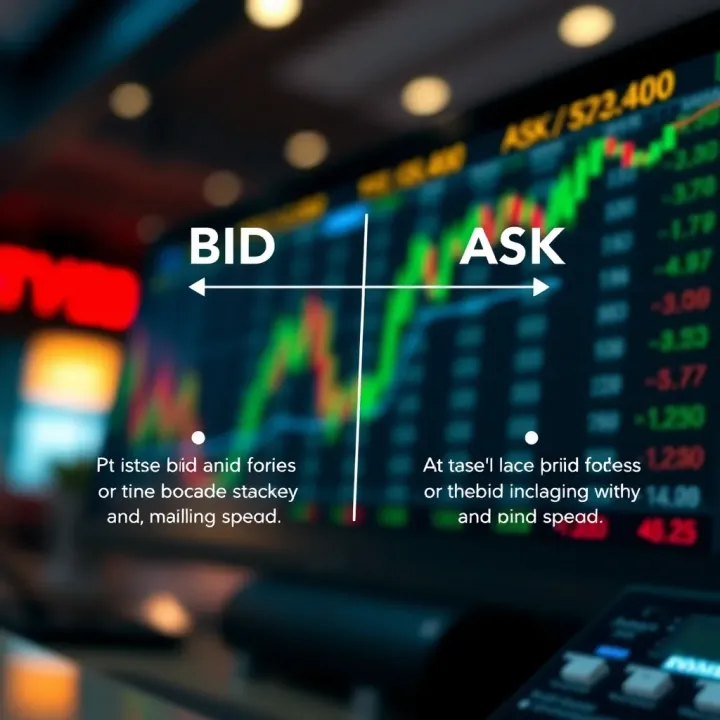
In forex trading, the term spread often causes a bit of confusion, but understanding it is key to managing your trading costs effectively. Simply put, the spread is the difference between the buy (ask) price and the sell (bid) price of a currency pair. This gap represents a hidden cost because it’s the amount you lose immediately after opening a trade.
For Kenyan traders, knowing how spreads work helps avoid surprises when working with platforms offering varying costs. For example, if the EUR/USD pair has a bid price of 1.1010 and an ask price of 1.1012, the spread is 0.0002 or 2 pips. Since forex trading often involves high leverage, that 2-pip difference can quickly add up depending on your trade size.
Remember, brokers usually make their money through spreads, especially if they don't charge direct commissions. So, choosing the right broker and knowing their spread structure can save you KSh thousands over time.
There are mainly two types of spreads you’ll encounter:
Fixed spreads: These remain constant regardless of market conditions. For example, an account may have a fixed spread of 3 pips on USD/JPY. While this gives predictability, fixed spreads can be wider than floating spreads during normal trading hours.
Floating (variable) spreads: These fluctuate with market liquidity and volatility. If a major news release hits the market, the spread could widen sharply. A floating spread might be as low as 1 pip during calm markets but jump to 6 or more during busy times.
Most Kenyan traders prefer floating spreads for lower average costs but must be cautious during volatile hours.
Spreads directly affect your entry and exit points in trading. When you open a position, you start with a small loss equal to the spread. If the market doesn’t move enough in your favour, you might lose money despite a seemingly correct prediction.
Take a Kenyan shilling-based trader betting on USD/KES if the spread is large, those costs reduce your net profits. A tight spread means you keep more of your gains.
To manage spreads effectively:
Pick brokers with competitive spreads: Popular brokers like Pepperstone and IG often offer tight spreads suited for smaller accounts.
Trade during peak market hours: The London and New York sessions usually provide better spreads due to higher liquidity.
Avoid trading during major economic announcements: Volatility can spike spreads temporarily.
Use limit orders: Instead of market orders, this strategy can help you enter trades at preferable prices and avoid unexpectedly wide spreads.
Understanding spreads may seem technical but mastering it makes your forex trading journey in Kenya smoother and more cost-effective.
Understanding forex spreads is key for anyone trading currencies in Kenya. Simply put, the spread is the gap between the buying price (bid) and the selling price (ask) of a currency pair. This difference directly influences your trading costs and profitability. For instance, when you want to buy EUR/USD, you might see the bid price at 1.1250 and the ask price at 1.1253—the 3-pip difference here is the spread.
The bid price is what you receive if you sell a currency pair, while the ask price is what you pay to buy it. The difference between these two prices—the spread—is often small but significant. This gap exists because of how brokers and the market operate. For example, if you enter a trade on USD/KES and the bid is 110 and ask is 110.05, you would immediately incur a 5-shilling cost solely from the spread, even before the market moves.
In practical terms, this spread acts as a hidden fee. Unlike a fixed commission, it’s baked into the price itself. Every time you open a trade, you must cover the spread before making a profit. Understanding this helps Kenyan traders plan their trades better, making sure the currency pairs and times they trade have spreads that won't eat too much into their potential earnings.
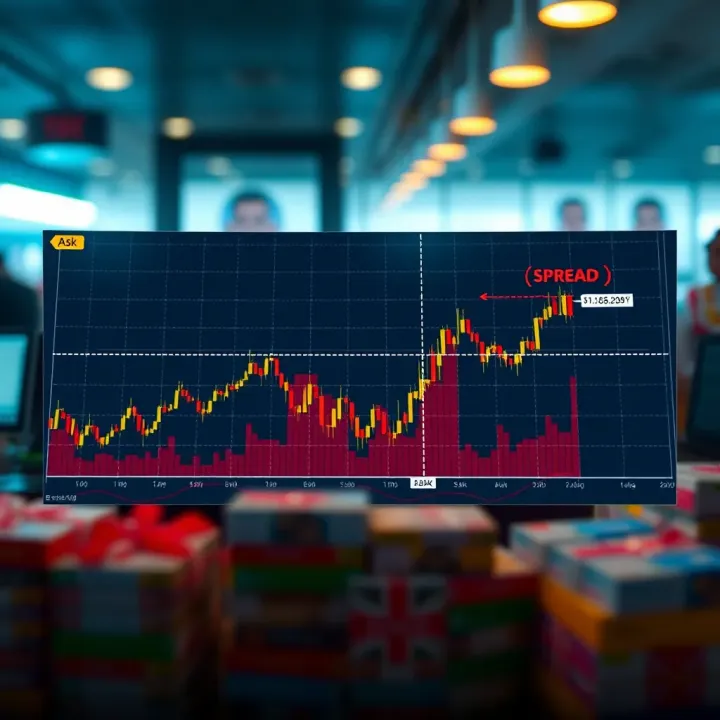
Spreads affect your trading profitability because they represent the first hurdle to clear. Suppose you enter a trade on GBP/USD with a spread of 2 pips and the market barely moves; even if you close right after entry, you will lose the amount equivalent to those 2 pips. So, tighter spreads generally mean lower costs and better profit chances, especially for frequent traders.
From the broker’s perspective, spreads are their main way to earn money. Instead of charging a visible commission, many brokers widen the spread slightly to cover their costs and take a margin. This means brokers with low spreads usually rely on other fees or trading volume to make profits. Kenyan traders should keep an eye on these spreads, as high spreads inflate trading costs disproportionately, particularly on less liquid or exotic currency pairs.
In summary, forex spreads are the silent cost of trading and the broker’s source of income. Kenyan traders who grasp this concept can avoid unexpected charges and craft better trading strategies around the realities of these costs.
Understanding the types of spreads is essential for Kenyan traders because it shapes how much you pay to enter and exit trades. Spreads affect your overall trading cost and ultimately influence profitability. Knowing whether a broker offers fixed or variable spreads helps you anticipate trading expenses and choose strategies that fit your style.
Fixed spreads stay the same regardless of market conditions. Brokers often provide fixed spreads during stable market periods to give traders predictable transaction costs. For example, a broker might charge a fixed spread of 2 pips on the USD/UGX pair even if the market experiences slight liquidity changes. This setup appeals to traders who prefer consistent costs and want to avoid surprises during volatile moments.
The major benefit of fixed spreads is certainty; you know exactly how much spread cost you'll pay for every trade. This simplicity suits beginners or traders working with tight budgets in Kenya. However, fixed spreads can sometimes be higher than the variable spreads you might find during peak liquidity hours. Plus, during significant market events, brokers might widen fixed spreads temporarily, which can raise trading costs unexpectedly.
Variable spreads fluctuate throughout the day, reflecting real-time market liquidity and volatility. During Nairobi’s business hours, spreads on major pairs like EUR/USD or USD/KES tend to narrow since more traders are active and liquidity is higher. Conversely, during the night or weekends when fewer participants trade, spreads can widen, increasing costs for those holding positions.
For instance, when Kenya releases inflation data or during major global events like US Federal Reserve announcements, volatility spikes. Variable spreads on currency pairs often widen as liquidity decreases and uncertainty rises. A pair that usually trades with a 1.5 pip spread might stretch to 4 or 5 pips in such times, making careful timing essential.
Traders following scalping or day trading strategies often prefer variable spreads because lower spreads during active hours reduce costs and improve margins. On the other hand, those holding positions longer or running automated strategies might opt for fixed spreads to avoid sudden cost jumps during off-hours or news announcements.
Fixed spreads offer predictability but might lock you into higher costs when the market is calm. Variable spreads can be cheaper overall but require attentiveness to market conditions to avoid unexpected wider spreads. Kenyan traders should weigh these options against their trading frequency, risk tolerance, and the currency pairs they focus on.
Choosing the right spread type helps manage your trading costs effectively and fits your risk appetite amid the unique rhythm of forex markets in Kenya.
By understanding these differences, you can negotiate the spread landscape more confidently and plan your trades with expenses in mind.
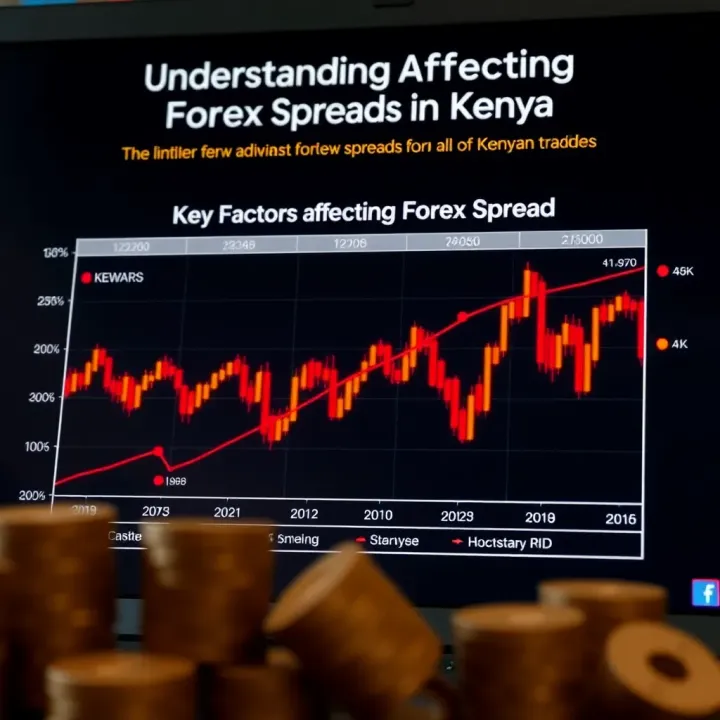
Understanding what affects forex spreads in Kenya helps traders make smarter decisions and control trading costs better. Spreads, the difference between buying and selling prices, aren't fixed—they fluctuate based on several factors unique to the market dynamics here and globally.
Forex spreads tend to be tighter during periods with high liquidity — when lots of buyers and sellers are active. Major forex sessions like London and New York see this surge because many big banks and institutions trade then. For Kenyan traders, this means spreads on popular currency pairs such as USD/KES or EUR/USD often narrow around these times, reducing costs.
During Nairobi’s business hours, liquidity is typically lower than in New York or London, causing spreads to widen slightly. Although Nairobi overlaps partially with London’s session, the impact isn't as strong due to fewer market participants. For example, early morning trades might face wider spreads, which can eat into profits if you're day trading or scalping.
Economic announcements can cause sudden changes in spreads. When the Central Bank of Kenya releases inflation data or when the US Federal Reserve adjusts interest rates, spreads usually widen because traders become uncertain and price risk higher. This temporary spread expansion helps brokers manage increased risk but raises trading costs.
Similarly, global events like shifts in crude oil prices or political developments in East Africa can influence forex spreads. For instance, during Kenya’s election periods, volatility often spikes, leading to wider spreads across regional currencies. Knowing when these announcements are scheduled allows traders to avoid costly spread spikes or prepare strategies accordingly.
Brokers choose pricing models that affect spreads. Some offer fixed spreads, shielding traders from sudden changes but sometimes at slightly higher baseline costs. Others use variable spreads that reflect real-time market conditions, offering lower costs during calm periods but expanding during volatility. Kenyan traders should pick brokers whose spread policies suit their trading style and budget.
The trading platform’s technology also matters. Fast, stable platforms can execute trades quickly during spread changes, protecting traders from slippage—a costly difference between expected and executed prices. Platforms with advanced features alert traders when spreads widen, helping them decide when to trade or wait. This infrastructure adds a practical edge for Kenyan traders facing busy market moments.
Monitoring what drives spreads is a smart move. It not only saves money but also helps plan trades around times when costs are lower, boosting overall profitability.
Understanding the interaction between market liquidity, economic events, and broker environment will put you ahead in handling forex spreads in Kenya. Stay alert to trading hours and news, choose the right broker, and use reliable platforms for smoother trading.
Understanding how spreads influence your trading strategy is vital for any forex trader, especially in Kenya where cost management can directly affect profit margins. Spreads are essentially part of your trading costs, so knowing how they eat into potential gains or increase losses helps in better planning your trades.
You need to factor spreads into both entering and exiting trades because the spread represents a hidden cost. When you open a position, you start at a small loss equal to the spread since you buy at the asking price and sell at the bid price. To actually break even on a trade, the market must move beyond this spread amount in your favour.
For example, if you trade EUR/USD with a spread of 2 pips and you enter at 1.1000, you effectively start at 1.0998 if you want to sell immediately. Your break-even level must cover that 2-pip spread or more before you make a profit.
Common currency pairs like USD/KES or EUR/USD tend to have tighter spreads, meaning lower costs, while exotic pairs often come with wider spreads which increase break-even points. This can significantly affect your strategy, especially if you trade frequently or in small account sizes.
Major pairs such as EUR/USD, USD/JPY, and GBP/USD generally offer lower spreads due to their high liquidity and trading volume. On the other hand, exotic pairs involving currencies like the Kenyan shilling (KES), South African rand (ZAR), or Nigerian naira (NGN) usually carry higher spreads because of less liquidity and higher volatility.
For Kenyan traders, picking pairs with lower spreads means lower initial costs for opening and closing positions. This is ideal when working with modest capital or aiming for short-term trades. However, exotic pairs might offer unique opportunities but require understanding the added cost of wider spreads.
Spreads tend to tighten during high-liquidity periods, such as when major forex markets like London and New York overlap from around 3 pm to 7 pm EAT. Trading during these hours in Nairobi can reduce cost significantly as more participants mean tighter bid-ask differences.
Conversely, spreads widen during times of high volatility or low market activity. For instance, after major economic announcements or during off-hours when Nairobi's market volume drops, spreads can spike. Avoiding trading during these periods helps avoid excessive spread costs that can erode profits or increase losses.
Tip: Monitor market sessions and economic news calendars closely. Planning your trades around periods of liquidity while steering clear of volatile times will help manage spread expenses better.
By integrating spreads into your strategy consciously—through calculating break-even points, choosing the right pairs, and timing your trades—you improve your chances of consistent profitability in forex trading in Kenya.
Managing forex spread expenses can significantly improve your overall trading profitability. This is especially true for Kenyan traders who often face tight market conditions and various broker options. By carefully selecting brokers, using the right trading tools and accounts, and practising effective money management, you can reduce unnecessary costs and improve your chances of success.
When looking for a broker, comparing their spread offerings is essential. Local brokers might provide some advantages like easier payment options via M-Pesa or KCB M-Pesa, but international brokers usually offer tighter spreads due to their larger client base and advanced technology. For example, a broker like FXPesa, headquartered in Nairobi, offers competitive spreads but may not match the tight spreads available from global brokers such as IG or Pepperstone.
Transparency about spreads is just as important as the numbers themselves. Brokers regulated by authorities like the Capital Markets Authority (CMA) in Kenya or the Financial Conduct Authority (FCA) in the UK must disclose their spread policies clearly. This protects you from hidden costs and sudden spread widening. Always check if the broker publishes live spread data and read reviews before committing.
Some brokers provide special account types tailored for traders focusing on lower spreads. ECN (Electronic Communication Network) accounts, for instance, tend to offer tighter spreads than standard accounts but might charge commissions per trade. For Kenyan traders aiming to save on spread costs, ECN accounts from brokers like HOTFOREX can be worth considering.
On top of account choices, tools that monitor spread changes can alert you about unusual market behaviour. Many platforms, including MetaTrader 4 and 5, allow you to add indicators showing real-time spread fluctuations. These tools help you avoid trading during poor liquidity hours or sudden volatility that can widen spreads unexpectedly.
Excessive trading can eat into profits through cumulative spread costs. Limiting the number of trades to those with a clear edge helps keep expenses manageable. For instance, a scalper in Nairobi making many quick trades might lose more to spreads than a position trader holding for days.
Setting realistic profit targets is also key. If your spread cost on a currency pair is around 2 pips, aiming for a 1-pip profit is unrealistic. Kenyan traders should factor in these costs when planning exits, ensuring trades have enough room to cover spread expenses and still yield profit.
Keep in mind that understanding and managing spreads is not just about saving money but also about framing a smarter, more practical trading approach that fits your style and local market conditions.
📈 Learn how forex trading works and what Kenyan investors should know before starting. Get practical tips, risk advice, and strategies to trade currencies confidently.
Learn how spread affects your forex trading costs and profits in Kenya 🇰🇪. Understand different spread types and get tips to manage them effectively.

Explore Deriv Forex in Kenya 🇰🇪! Get insights on trading features, strategies, tools, risks, and regulations to trade confidently and smartly.

Discover HotForex Kenya 🇰🇪: explore account types, trading conditions, and payment options like M-Pesa for easy forex trading. Stay informed on risks and tips for safer trading 💹.
Based on 12 reviews