

Kenya's Top Forex Traders and Their Market Impact
Meet Kenya’s top forex traders 💹, learn how they grew their KSh wealth, their trading styles, impact on the local market, plus tips and risks for new traders 📈
Edited By
Emily Cartwright
Forex trading in Kenya has grown steadily, driven by increased internet access and mobile money platforms like M-Pesa that simplify funding accounts. Kenyan traders now actively participate in global forex markets, leveraging local insights and a range of online brokers. This section offers an overview of the Kenyan forex trading scene, focusing on notable traders, their strategies, and the unique aspects shaping their success.

One major factor favouring forex trading in Kenya is the widespread availability of affordable smartphones and data plans. This gives many investors direct access to platforms such as XM, HotForex, and Exness. Unlike traditional investments, forex trading allows Kenyans to trade 24 hours, which fits well with varied schedules and the informal sector’s hustle.
The Central Bank of Kenya (CBK) regulates forex trading to an extent, but much of the oversight depends on the brokers’ jurisdictions. Kenyan traders usually pick brokers who accept clients from Kenya, provide Swahili or English support, and enable easy M-Pesa deposits. This local-friendly approach helps traders avoid currency conversion costs and delays.
Among Kenya’s top forex traders, few have gained recognition for combining disciplined strategies with strong risk management. For example, Helen Wanjiku built her reputation by using technical analysis paired with a strict stop-loss system. She shares insights on social media, focusing on how to manage emotions during volatile trading.
Jamal Mwangi, another notable trader, favours fundamental analysis. He tracks global commodities affecting the Kenyan Shilling, such as oil prices and agricultural exports, to make long-term trades. His approach shows the benefit of linking forex trading to Kenya’s economic realities.
Trend Following: Many Kenyan traders follow currency trends using moving averages. This simple method helps them avoid overtrading and reduces emotional decisions.
News-Based Trading: Some focus on scheduled announcements like CBK rate changes or US Federal Reserve updates. Reacting quickly to news can capture major price moves.
Carry Trade: Kenyans sometimes exploit interest rate differences, borrowing funds in low-interest currencies to invest in higher-yielding ones.
Risk management is key — never invest more than you can afford to lose and always use stop-loss orders.
Aspiring traders should begin with demo accounts to learn the platforms without risking real money. Building a trading plan that includes clear entry and exit rules is also helpful. Learning from successful Kenyan traders who often publish their trades or provide mentorship can give beginners a real edge. Lastly, staying updated on local and global economic news is vital since forex markets respond quickly to new information.
By understanding these local trading conditions, traders in Kenya can better navigate the challenges and opportunities of the forex market.
Kenya's forex trading scene has grown steadily, becoming a key area for both individuals and businesses seeking to diversify income sources. This section outlines the fundamental aspects of forex trading in Kenya, including market size, regulation, currency pairs, and the choice of platforms and brokers. Understanding these elements helps traders navigate the local market effectively and avoid common pitfalls.
Forex trading in Kenya has attracted thousands of retail investors, alongside institutional players using forex as a hedge against currency risks, especially given the volatility of the Kenyan shilling. While exact figures vary, estimates suggest daily forex turnover involving Kenya could be in the range of billions of KSh, driven by both speculative trading and commercial foreign exchange needs. The sector also contributes to employment, with many young Kenyans engaging in trading as a source of income and new fintech solutions emerging to support this market.
Regulation in Kenya remains fragmented but is gradually improving. The Capital Markets Authority (CMA) oversees some forex activities, particularly those linked to margin trading and CFDs (contract-for-differences). However, non-regulated brokers are common, which increases risks for traders. It is essential for anyone trading forex in Kenya to prioritize brokers authorised by the CMA or reputable international bodies like the FCA (Financial Conduct Authority) or CySEC. Compliance helps protect traders from fraud and ensures transparency in transactions.
Kenyan traders mostly focus on major and cross currency pairs due to their liquidity and volatility. The USD/KES pair is naturally significant, given Kenya’s external trade and remittances flow. Other popular pairs include EUR/USD, GBP/USD, and USD/JPY. Some traders also explore emerging market currencies like ZAR/USD or NGN/USD, but these can be more volatile. The choice of pairs depends on liquidity and news flows, where currency pairs linked to economic developments in East Africa often catch traders’ attention.
Kenyan traders tend to favour brokers that offer M-Pesa payment integration and strong local support. Platforms like XM, HotForex, and FXTM have become popular due to their ease of deposit and withdrawal through M-Pesa. Meanwhile, MetaTrader 4 and 5 remain the dominant trading platforms thanks to their user-friendly interface and technical analysis tools. Additionally, local brokerages with CMA approval are gaining traction, offering regulated environments tailored to Kenyan needs.
Access to forex trading in Kenya has been simplified drastically by mobile money platforms. M-Pesa integration allows traders to deposit and withdraw funds swiftly without bank delays or high transfer fees. This convenience has lowered entry barriers, enabling more Kenyans from different economic backgrounds to participate. Besides M-Pesa, some brokers accept bank transfers and cards, but mobile money remains the preferred method due to its accessibility and widespread adoption.
Choosing a regulated broker shields traders from scams and malpractice. Regulated brokers must comply with capital and reporting requirements, adding a layer of security. Kenyan traders who opt for non-regulated brokers risk losing their funds, as enforcement avenues are limited. Regulatory oversight also means disputes can be resolved fairly, and platforms must maintain transparent pricing and execution policies. Hence, regulation is not just a checkbox; it directly impacts the trader’s safety and confidence.
Good practice: Always verify the broker’s regulatory status on official CMA or international regulator websites before trading.
In summary, the forex trading scene in Kenya is vibrant but requires careful selection of brokers and an understanding of the local regulatory environment. With mobile technology and tailored platforms, forex trading has become more accessible, yet traders must stay aware of risks and adhere to good trading standards.
Knowing who the top forex traders in Kenya are helps investors, analysts, and entrepreneurs understand how successful approaches are shaped locally. These profiles offer practical examples of strategies that work within the Kenyan market environment and showcase the varied paths traders take to achieve results.
Backgrounds and career highlights
Many established Kenyan forex traders started with finance or economics backgrounds. For example, some trained as accountants or economists before turning to trading full-time. Others began trading in parallel with other businesses, like real estate or import-export, which gave them a practical edge in handling currency fluctuations. These backgrounds provide them strong analytical skills and an understanding of macroeconomic factors affecting forex.
Their trading styles and niches
Experienced traders often specialise in certain currency pairs, such as USD/KES or EUR/USD, depending on their risk appetite and market familiarity. Some focus on day trading, capitalising on short-term technical signals, while others prefer longer-term positions based on fundamental analysis. A trader like Samuel Otieno, for instance, is known for combining technical chart reading with Kenyan economic news to inform his positions.
Notable successes and challenges
Top traders often report wins that include consistently achieving positive returns over several years, sometimes even through Kenya's market volatility. Challenges such as sudden shifts in the Central Bank of Kenya’s policies or unpredictable global events have tested their risk management. Nonetheless, their ability to adapt and learn from losses helps them maintain resilience and keeps their strategies relevant.
Young traders making an impact
New faces in Kenyan forex include young entrepreneurs and university graduates who have embraced forex as a full-time hustle or side enterprise. These traders tend to experiment with social trading platforms or automated bots and often bring fresh perspectives to the market. Their impact is seen in growing online communities where they share ideas and strategies openly.
Use of technology and social media
Young traders rely heavily on technology and social media for information, networking, and education. Platforms like Twitter, Telegram, and YouTube host Kenyan forex groups where traders discuss market trends and share signals in real time. This tech-savvy approach helps them stay ahead of news cycles and exploit timely market movements.
Community involvement and mentorship
Many emerging traders in Kenya actively participate in mentorship programmes or local forex workshops. They often collaborate with experienced traders to learn risk management and trading psychology. Organisations in Nairobi, for instance, periodically host forex seminars where new traders access mentorship and support to avoid common pitfalls.
Profiles offer more than success stories; they provide valuable lessons from real experiences, showing how Kenyan traders navigate challenges and seize market opportunities.
By exploring these profiles, anyone interested in Kenya's forex scene gains practical insights into which strategies, mindsets, and skills drive success in this demanding market.
Trading strategies are the backbone of success for Kenya's top forex traders. These strategies help them make sense of a busy market affected by global trends and local developments. Understanding these methods offers valuable insights for anyone looking to trade forex in Kenya, highlighting how deliberate techniques improve decision-making and manage risk.
Kenyan forex traders often rely on technical analysis, particularly chart patterns like head and shoulders, double tops and bottoms, and trendlines. These patterns provide visual cues on when to enter or exit trades. For example, a trader noticing a double bottom in USD/KES may decide it's a good time to buy, expecting the pair to rise.
Indicators such as moving averages, Relative Strength Index (RSI), and Bollinger Bands are also widely used. These tools help measure momentum and volatility, guiding traders through volatile times. For instance, crossing of moving averages can signal trend shifts important for planning trades.
Risk management is central to technical strategies. Top Kenyan traders set stop-loss orders to cap potential losses, sometimes limiting them to 1-2% of the trading capital per position. They also diversify trades across different currency pairs to avoid overexposure. This discipline prevents one bad trade from wiping out gains and helps maintain steady growth.
Traders typically work with multiple timeframes. Day traders focus on 15-minute to 1-hour charts to spot quick price moves, while swing traders prefer 4-hour or daily charts for longer setups. Choosing the right timeframe depends on the trader's style and available time, blending speed and patience effectively.
Economic indicators such as Kenya’s GDP growth, inflation rate, and Central Bank of Kenya (CBK) rate decisions get close attention. These figures directly impact the Kenyan shilling’s performance against other currencies. For example, a higher inflation report might weaken KES, signalling traders to adjust positions accordingly.
Regional political events also sway the market. Elections, trade talks within the East African Community (EAC), or unrest in neighbouring countries frequently cause fluctuations in currency values. Traders track these events keenly to anticipate market moves and reduce surprises.
Many top traders combine fundamental insights with technical tools. For instance, they may wait for solid economic news before confirming a technical signal like a breakout. This balanced approach improves entry timing and prevents impulsive decisions based purely on charts or news alone.
Successful trading in Kenya merges clear technical patterns with an understanding of regional economics and politics, ensuring more informed and resilient market moves.
By applying these strategies, Kenyan forex traders manage to stay ahead despite market unpredictability, balancing technical precision with practical awareness of their economic environment.
Understanding challenges and opportunities is key for anyone diving into forex trading in Kenya. This section highlights the practical hurdles traders face and the promising developments shaping the market. Knowing these helps traders prepare better and tap into growth areas effectively.
Market volatility and liquidity concerns can catch many traders off guard. The forex market, globally known for quick price swings, can be even more unpredictable for Kenyan traders due to lower liquidity in some currency pairs. For example, trading the Kenya Shilling (KES) against majors like the US dollar often comes with wider spreads, increasing costs and risks. This volatility can lead to rapid gains but also steep losses, making risk management critical.
Limited local financial education resources hinder many aspiring traders. While international forex knowledge is widely available online, tailored guidance for Kenyan market conditions is scarce. Traders may struggle to find reliable materials addressing local regulatory frameworks or the influence of regional political events on currency fluctuations. This gap can cause beginners to make costly mistakes or rely too much on hearsay rather than solid analysis.
Access to reliable internet and technology remains uneven across Kenya, affecting consistent trading. Urban centres like Nairobi and Mombasa enjoy stable connections, but rural areas often suffer connectivity drops. Such interruptions can lead to missed trades or delayed execution. Besides internet, traders also need affordable smartphones or laptops with updated software, which not everyone can access easily.
There's a rising interest in online trading as more Kenyans look beyond traditional investment avenues. Initiatives like county government training and private forex clubs contribute to this trend by making trading knowledge more accessible. This growing interest drives demand for better platforms and encourages broker entry, improving market options for traders.
Mobile technology and payment integrations like M-Pesa have changed the game for Kenyan forex traders. With easy account funding and withdrawals via M-Pesa, traders no longer rely solely on bank transfers, simplifying transactions significantly. Brokers integrating mobile payments attract more local clients and reduce barriers to entry, especially for those outside major cities.
The role of local groups and forex education programmes is becoming increasingly important. Community-led seminars and online forums offer platforms where traders exchange strategies and share market insights specific to Kenya. Organisations like the Nairobi Forex Traders Association organise workshops helping members stay updated on regulatory changes and trading tips. Such grassroots efforts help bridge education gaps and build trader confidence.
For Kenyan forex traders, being aware of these challenges while embracing new technologies and community support can make the difference between losing capital and growing investments steadily.
By preparing for the hurdles and leaning on emerging trends, traders in Kenya can navigate the market more effectively and find better opportunities for success.
Starting forex trading can be both exciting and challenging. For Kenyans looking to enter this space, understanding practical steps at the outset can save time and avoid costly mistakes. The forex scene in Kenya is growing fast, but success depends on well-informed decisions, not just luck. This section offers clear advice to help new traders build a strong foundation, from selecting the right broker to learning from established traders.
Working with a regulated broker is key to safeguarding your money. In Kenya, the Capital Markets Authority (CMA) licences brokers to ensure they follow strict rules protecting clients. Using unlicensed brokers can lead to fraud or loss of funds without recourse. For example, reputable brokers like XM and FXTM have CMA approval and also support M-Pesa payments, making deposit and withdrawal easy. Before opening an account, always check the broker’s CMA status on official lists to avoid unnecessary risks.
Forex trading is not a get-rich-quick scheme. Setting achievable goals based on your experience and capital helps maintain discipline. For instance, aiming to grow your account by 10% monthly is more reasonable than expecting double-digit returns overnight. Unrealistic expectations often lead to risky trades driven by emotion rather than strategy. Beginners should treat forex as a skill-building journey, focusing on steady progress rather than sudden windfalls.
A trading plan outlines your approach, including entry and exit rules, risk per trade, and preferred currency pairs. It keeps your decisions consistent and less influenced by market hype or fear. Kenyan traders often start with USD/KES or major pairs like EUR/USD for liquidity. Writing down your plan and reviewing it weekly helps identify strengths and areas for improvement. For example, setting a daily maximum loss limit protects your account from unnecessary drawdowns.
Kenyan traders benefit from sharing experiences and strategies through forums and social media groups. Platforms like Twitter, Telegram, and Facebook host active forex groups where members discuss market movements, broker reviews, and trade ideas. Engaging in these communities opens access to real-time tips and mentorship opportunities. For example, some groups organise live trading sessions and Q&As with seasoned traders, which is invaluable for learning local market nuances.
Demo accounts allow beginners to practise without risking real money. Most brokers in Kenya offer these free accounts on their platforms. Using demo accounts helps traders understand how the market works and test strategies before committing capital. Additionally, many brokers provide educational materials such as video tutorials and webinars tailored for the Kenyan market. Taking advantage of these resources builds confidence and skill, paving the way for successful live trading.
The forex market constantly changes, so keeping up with new tools and trends is necessary. Kenyan traders often attend workshops or online courses to sharpen their skills. Reading books and regularly reviewing economic news helps in understanding the forces shaping currency movements. For example, knowledge of local political events or CBK monetary policies can enhance fundamental analysis. Continuous learning separates those who adapt from those who struggle, ensuring long-term trading success.
Starting forex trading in Kenya requires patience and informed decisions. By choosing regulated brokers, setting practical goals, and engaging with the trading community, aspiring traders lay the groundwork for consistent growth and resilience in this dynamic market.
Meet Kenya’s top forex traders 💹, learn how they grew their KSh wealth, their trading styles, impact on the local market, plus tips and risks for new traders 📈
📈 Learn how forex trading works and what Kenyan investors should know before starting. Get practical tips, risk advice, and strategies to trade currencies confidently.
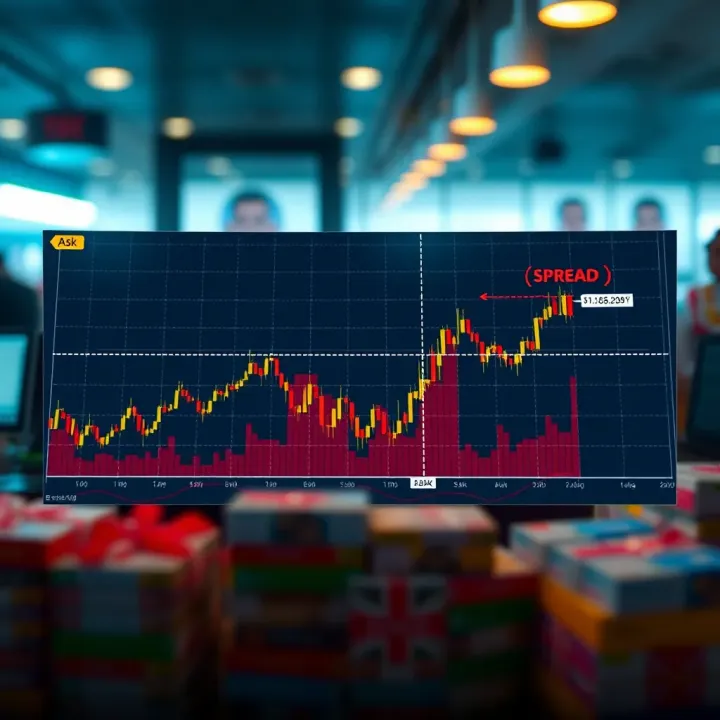
Learn how spread affects your forex trading costs and profits in Kenya 🇰🇪. Understand different spread types and get tips to manage them effectively.

Discover top forex courses in Kenya 🇰🇪 that teach you essential skills, course types, and how to pick the best one for successful trading. Start smart today! 📈
Based on 7 reviews