
Asian Trading Session Hours in Kenyan Time
Discover how the Asian trading session fits Kenyan time 🕒, its key markets, impact on global trade 🌏, and tips for Kenyan traders navigating this period 📈.
Edited By
Charlotte Evans
Global trading operates around the clock, divided into distinct sessions tied to major financial centres. For Kenyan investors and traders working on East Africa Time (EAT), understanding these sessions is essential to spot the best market movements and opportunities.
Most financial action happens during four main sessions: the London, New York, Tokyo, and Sydney markets. These trading sessions correspond to the local business hours of their respective cities but adjusted to EAT for local convenience.
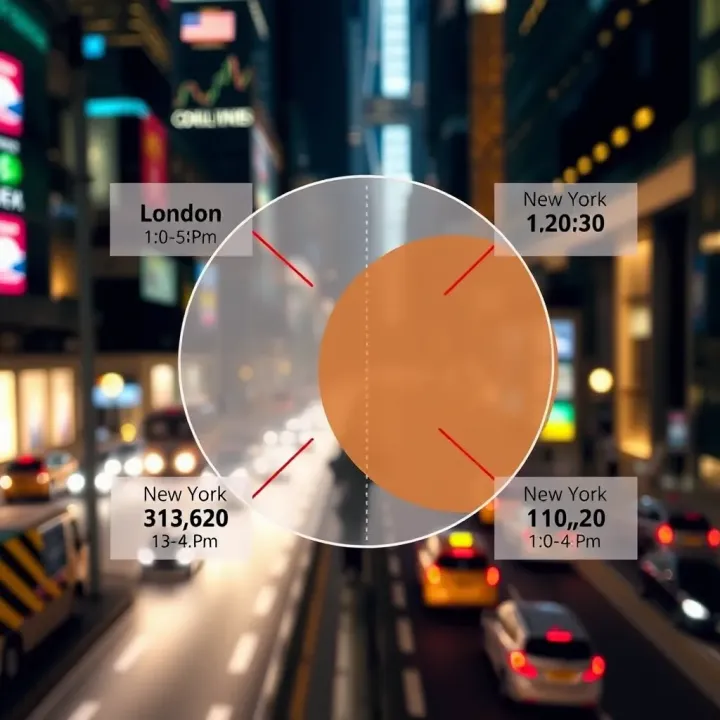
London Session: Covers approximately 10 am to 7 pm EAT. It’s the busiest market, handling nearly 30% of global currency trades daily. London market hours are especially active because they overlap with both the closing New York market and the opening Tokyo market.
New York Session: Runs from about 3 pm to midnight EAT. This session often shows sharp price swings due to large volume trades, especially later in the day when US economic data like jobs reports are released.
Tokyo Session: Starts around 1 am and closes at 10 am EAT. Since Tokyo’s trading hours open earlier than the London session, it sets the tone for Asian markets and influences early moves in currency pairs involving the yen.
Sydney Session: Opens around 10 pm and ends by 7 am EAT. It's a quieter session compared to others but important for Australian dollar (AUD) and New Zealand dollar (NZD) traders.
Understanding how these sessions overlap can help Kenyan traders optimise their activities. For example:
The London-New York overlap (3 pm to 7 pm EAT) is when liquidity peaks, making it ideal for traders seeking volatility.
The Tokyo-London overlap (6 am to 7 am EAT) is calmer but useful for positioning ahead of London’s opening.
Being aware of session patterns helps in planning trades according to market activity cycles rather than random timing. This avoids periods of low liquidity—often leading to erratic price behaviour.
Keeping an eye on economic calendars synchronised with EAT also aids timely decisions, particularly when major news reports emerge from the US, UK, Japan, or Australia.
Next sections will break down each trading session further, highlighting practical insights for Kenyan traders to make the most of their market participation.
Trading sessions mark the periods when financial markets across the world are open and active. Understanding these sessions is key for Kenyan traders and investors to know when to enter the market and anticipate price movements that affect their portfolios directly. Knowing the timing is even more critical because markets operate in different time zones, influencing liquidity and volatility.
Trading sessions refer to set hours during which stock exchanges, forex markets, and commodities markets are open for business. Each session reflects the standard business hours of its primary geographic location. For instance, the London session corresponds to the UK’s business hours, while the Tokyo session aligns with Japanese market timings. These sessions help traders identify when markets are most active and when price fluctuations are likely.
It’s easier to time trades and manage risks when you know which sessions offer the most liquidity and volatility.
Global trading sessions follow the clock of their respective financial hubs based on local time zones. For example, the New York session runs according to Eastern Standard Time (EST). When converted to Kenyan time, which follows East Africa Time (EAT), traders can plan their activities accordingly. This geographical basis means that markets open and close at staggered times around the globe, creating periods of overlap which often provide high trading volume and better price discovery.
Imagine a Kenyan trader wanting to engage forex trades during peak action—understanding that the London and New York trading hours overlap lets them capitalise on increased market movement and tighter spreads.
Kenya operates on East Africa Time (EAT), which is three hours ahead of Greenwich Mean Time (GMT+3). This fixed offset makes it simpler to convert global market hours into local Kenyan time. Unlike some countries observing daylight saving time, Kenya’s clocks remain steady throughout the year, avoiding sudden shifts in market schedules.
For example, when the London session opens at 8:00 am GMT, Kenyan traders know this occurs at 11:00 am EAT. This clarity helps in scheduling trades, especially when dealing with markets that do adjust for daylight saving, like New York. Understanding EAT’s fixed relation to GMT offers Kenyan investors a reliable framework to interact with global markets.
Recognising the global trading sessions and the time zones they operate in helps Kenyan traders make informed decisions about when to trade, how to manage risk, and which markets provide the best opportunities. This overview ties directly into optimising trading strategies within the Kenyan time context, making your market engagements much more effective and timely.
Understanding the global trading sessions through the lens of Kenyan time (East Africa Time - EAT) is essential for traders and investors here. Because markets operate around the clock in different parts of the world, knowing the exact local times when these sessions open and close helps you position trades actively and avoid missing key movements.
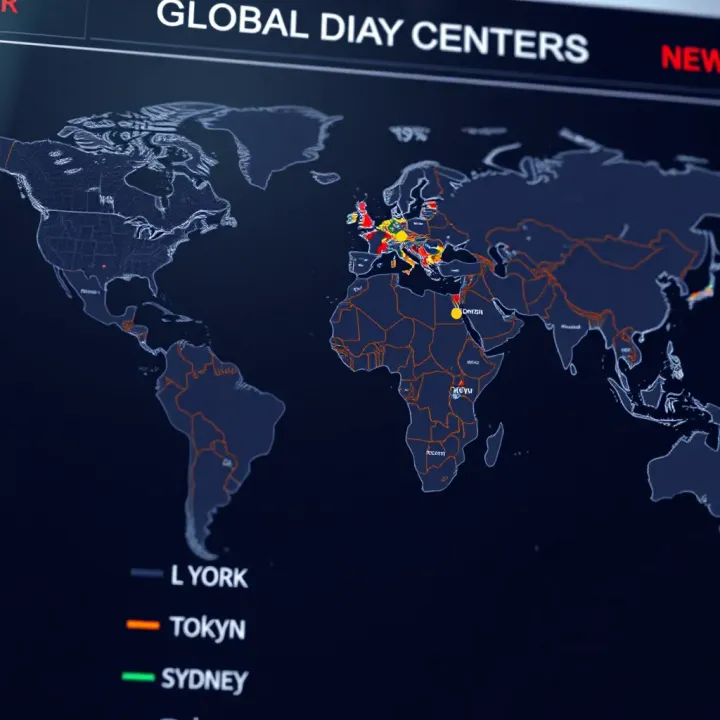
Start and End Time in Kenyan Time
The Tokyo session runs from 3 am to 12 pm EAT. This morning slot means Nairobi-based traders can tap into Asian market movements before the usual workday begins. For night owls and early risers alike, it's an opportunity to trade currency pairs with Asian influence.
Typical Market Activity and Traded Instruments
Market activity during the Tokyo session tends to focus on the Japanese yen (JPY) and other Asian currencies like the Australian dollar (AUD). The session usually shows less volatility compared to London or New York but offers steady trading volumes. Commodities like gold and oil also see some action. For traders in Kenya, understanding this can guide them in picking instruments best suited for early trading hours.
Trading Hours in Kenyan Time
The London session starts at 10 am and ends at 7 pm EAT. This session covers European markets and overlaps with others, making it highly active. The timing fits well within a Kenyan business day, allowing traders to manage positions during normal working hours.
Significance of London Session for African Traders
London is a major financial centre that influences global forex and equity markets. For Kenyan traders, this session offers the highest liquidity and tighter spreads, especially for pairs involving the euro (EUR) and British pound (GBP). The session’s overlaps with New York notably increase opportunities for profitable trades.
Start and Close Times in Kenya
New York’s trading day runs from 3 pm to 12 am EAT. It coincides with the late afternoon and evening in Nairobi, letting traders monitor US market developments after work. This aids in responding to news and stock market fluctuations originating from the US.
Influence on Forex and Stock Markets
The New York session takes the lead in volume and volatility, particularly in USD-paired currencies. It also overlaps with London hours, creating a peak period of trading activity. Kenyan investors focusing on American stocks or forex can benefit from higher liquidity and price swings during this time.
Hours in EAT
Sydney trading occurs from 12 am to 9 am EAT. Despite starting in the middle of the night for most Kenyans, active traders or institutions operating round the clock find value here in early moves especially ahead of the Tokyo session.
Market Activity During Sydney Session
Although the Sydney session is generally quieter, it sets the tone for the Asian markets. Currency pairs like the AUD/USD and NZD/USD are more actively traded during this time. Those looking for less erratic market conditions or early signals of market sentiment can exploit this session.
Being familiar with these four sessions in Kenyan time lets traders plan their day better, choosing when to engage for specific instruments and market behaviour. Matching your trading hours to session timings can greatly improve your chances of timely responses and successful trades.
Understanding the times when global trading sessions overlap is very useful for Kenyan traders. These overlaps usually bring higher market activity because two major markets operate simultaneously. For traders in Kenya, knowing these periods helps to spot times of increased liquidity and sharper price movements — ideal conditions for executing trades.
Overlaps also mean wider access to global news and economic reports affecting multiple regions. Kenyan traders can plan positions better by synchronising their trades with these high-impact windows, especially when trading currencies, commodities, or stocks influenced by more than one region.
The London and New York sessions overlap between 4 pm and 8 pm East Africa Time (EAT). This four-hour window is probably the most active trading period worldwide. Many Kenyan traders find this time convenient since it falls in the late afternoon to evening, allowing enough time after the typical workday to monitor markets.
During this overlap, the combined trading volumes from London and New York create deeper liquidity pools. This reduces spreads and offers tighter bid-ask prices, which benefits intraday traders looking for efficient trade entries and exits. Equally, volatility tends to spike, often producing clear price trends or sharp reversals. For example, a Kenyan trader following major pairs like USD/EUR or GBP/USD can expect real-time reactions to key economic releases from both the US and Europe.
This period also sees swift reactions to geopolitical events or central bank announcements, so traders can capture short-lived moves if ready. However, this comes with increased risk, making it important to manage stop losses carefully.
The Tokyo and London sessions overlap from 10 am to 12 pm EAT. For Kenyan traders who prefer daytime trading, this window offers a chance to catch early European market moves while Asian markets are winding down. This overlap suits traders with daytime routines or those who can adjust their schedules around this timeframe.
This overlap is less active compared to London-New York but still significant. It often features efficient price discovery in Asian and European currencies such as the Japanese Yen, Euro, and British Pound. The lower volatility compared to afternoon overlaps means traders can exploit smaller, steady moves or range-bound markets.
Traders focusing on yen crosses or instruments like gold can leverage this period to anticipate trend developments. However, they should be cautious of lower liquidity sometimes causing erratic price jumps. A practical strategy during this overlap is to use tighter stops and limit trade size until confirming market direction.
Knowing when global sessions overlap can give Kenyan traders a real edge by aligning their trading activity with the busiest, most liquid periods. This improves chances of better pricing and executions, plus enhances risk control.
By watching these overlaps, Kenyan traders can fit their trading plans around favourable market rhythms, improving both timing and outcomes.
Understanding the timing of global trading sessions provides Kenyan traders with a significant edge. Matching trading activities to session hours can improve market entry, reduce risks, and help spot profitable opportunities. For example, knowing when the London and New York sessions overlap enables traders to take advantage of increased liquidity and volatility, which often results in tighter spreads and bigger price movements.
Day traders in Kenya usually benefit most from the sessions that offer the highest volume and price volatility within their active hours. The London-New York overlap, occurring roughly between 4 pm to 8 pm EAT, tends to have the most significant price swings, making it suitable for quick trades. On the other hand, long-term investors may prefer to focus on broader trends that develop during entire sessions or across multiple days, reducing the need to trade during peak volatility and avoiding emotional decisions linked to short-term price noise.
It’s important to match your trading style with sessions that fit your daily schedule and risk tolerance. For instance, a trader with a regular 9-to-5 job might concentrate on the Tokyo or Sydney sessions during morning hours to catch early market moves before the main stock exchanges open in Europe and the US.
Not all instruments behave the same during each trading session. Forex markets are active almost 24 hours due to the continuous overlap of sessions worldwide. For Kenyan forex traders, this means accessing opportunities throughout the day, but the most active periods usually coincide with the London and New York sessions. Stocks, however, are generally traded during the specific exchange hours; for example, the Nairobi Securities Exchange (NSE) runs from 9 am to 3 pm EAT, limiting the window for local shares.
Commodities such as oil and gold often follow international trading hours closely. Gold tends to be most active during the London and New York sessions, while agricultural commodities might see action during the US or Asia-Pacific market hours. Kenyan traders should know these rhythms to align trades with when markets are most liquid to avoid getting stuck with wide spreads or delayed executions.
Kenyan traders often juggle trading alongside jobs or other responsibilities. It helps to plan trading activities around local daily routines. For instance, trading during the London session, which runs during afternoon and evening hours in Kenya, might clash less with early-day commitments. Additionally, some traders start their day with the Tokyo session in the early morning, then switch focus to London and New York as their day progresses.
Consider also the impact of local factors such as internet reliability and power outages. Traders in Nairobi might enjoy stable connections, but those in rural areas should plan to execute trades during periods when infrastructure is more dependable.
There are several reliable tools to help Kenyan traders keep track of global market hours:
Trading platforms like MetaTrader and Thinkorswim: These often provide local time settings and real-time session indicators.
Financial news websites: Platforms such as Bloomberg or Reuters display market hours and update economic calendars with key events that affect sessions.
Mobile applications: Apps like Investing.com allow customisation for EAT and send alerts before major sessions or economic releases.
Using these resources helps traders avoid missed opportunities and ensures timely decisions. Setting alarms or reminders for session openings and overlaps can be a simple yet effective way to stay on top of fast-moving markets.
Aligning your trading times with session schedules and your lifestyle can turn the difference between chasing trades and capturing profitable moments consistently.
Discover how the Asian trading session fits Kenyan time 🕒, its key markets, impact on global trade 🌏, and tips for Kenyan traders navigating this period 📈.

Explore top trading bots for Kenyan investors 🤖. Learn how to choose, set up, and manage bots safely to boost automated trading success 🇰🇪📈.
📊 Understand London trading session time from Kenya 🇰🇪, know the time difference, Brexit impact, daylight saving shifts & tips to boost your trading success.
📈 Master key trading terms all Kenyan investors need for smart decisions at NSE. Learn about order types, market players, pricing, and managing risks effectively.
Based on 5 reviews