
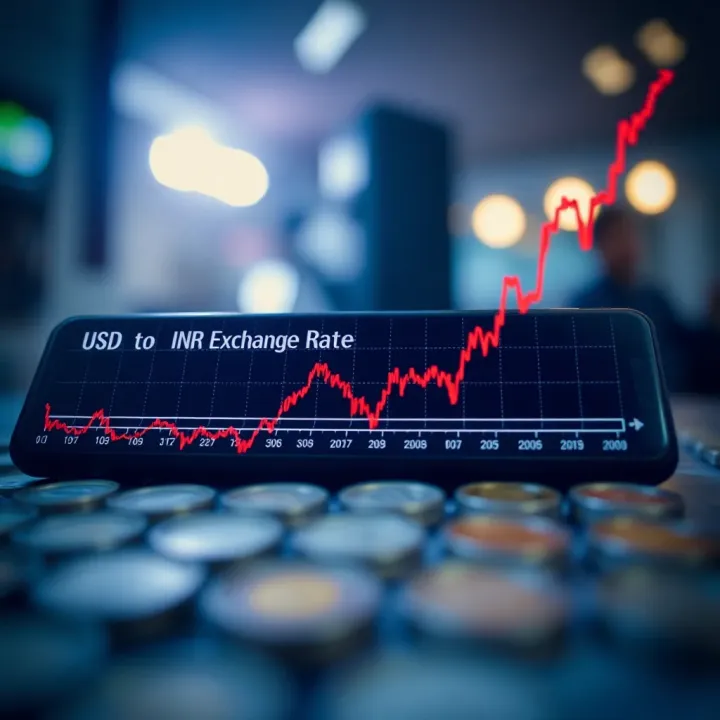
USD to INR Exchange Rate Forecast and Trends
📈 Explore the USD to INR forecast with key trends, economic factors, and expert outlooks to guide your currency exchange decisions between the US and India.
Edited By
Charlotte Bennett
The exchange rate between the US Dollar (USD) and the Kenyan Shilling (KSh) plays a significant role in shaping Kenya's economy, impacting everything from import costs to business profits. Traders, investors, and entrepreneurs keep a keen eye on this rate because its fluctuations can affect prices for goods and services, influence investment decisions, and alter the cost of foreign debt.
Several factors feed into how the dollar fares against the shilling. These include economic indicators such as inflation rates, interest rates, and Kenya's balance of payments. For example, when inflation rises faster in Kenya than in the US, the shilling tends to weaken, making imports more expensive. Political stability also weighs heavily on the exchange rate. Periods of political uncertainty can scare off investors, reducing the demand for the shilling and pushing its value down.
On top of these, external variables like oil prices, global trade tensions, and US Federal Reserve policies impact the USD-KSh rate. Rising oil prices often mean Kenya spends more foreign currency on imports, stretching the shilling. Meanwhile, when the US Federal Reserve hikes interest rates, the dollar usually strengthens, attracting capital flows away from emerging markets, Kenya included.
Understanding these drivers is crucial. For instance, a Kenyan business relying on imported raw materials can budget better knowing when the shilling might weaken or strengthen.
Hedging Strategies: Traders and firms might use forwards or futures contracts to lock in exchange rates and protect against sudden fluctuations.
Market Timing: Knowing past trends and economic forecasts can guide the timing of currency exchanges and investments.
Diversification: Investors can reduce exposure by spreading investments across multiple currencies and markets.
Kenya's vibrant informal sector, dominant mobile payments through M-Pesa, and integration with the East African Community trade also influence currency demand and use patterns. Keeping track of local developments alongside global cues offers deeper insight into the likely direction of the USD-KSh exchange rate.
With these factors in view, the coming sections will analyse past trends and provide informed predictions to help you navigate the evolving foreign exchange terrain with more confidence.
Understanding how the US Dollar (USD) exchanges with the Kenyan Shilling (KSh) is vital for anyone involved in Kenya's economy — from traders and investors to entrepreneurs managing import costs. This rate influences the price of goods, investment returns, and even the affordability of foreign travel. For example, a weaker Shilling means Kenyans pay more for imported electronics or fuel, while exporters may benefit from better earnings in foreign currency.
Knowing what moves this exchange rate helps businesses plan ahead and investors decide when to enter or exit the market. For instance, a trader monitoring exchange rate trends can hedge currency risks effectively, avoiding surprises in volatile markets. It also helps policymakers assess the impact of decisions like interest rate changes.
At the core, the exchange rate hinges on supply and demand in the foreign exchange (forex) market. When demand for US Dollars rises—say, due to Kenyans needing Dollars to pay for imported machinery—the USD gains value against the Shilling. Conversely, if more Dollars are supplied, perhaps because foreign investors repatriate profits, the Dollar weakens.
Consider a Kenyan exporter who receives earnings in USD. If they convert these Dollars to Shillings quickly when the rate is favourable, it can increase their local currency revenue. Traders and businesses alike watch these demand-supply shifts closely since they affect the immediate cost of currency.
Inflation differences between Kenya and the US play a big role. Higher inflation in Kenya reduces the real value of the Shilling, pushing the exchange rate up (KSh weakens). On the other hand, if US inflation rises faster, the Dollar may weaken relative to the Shilling.
Interest rates also influence currency flows. If the Central Bank of Kenya raises rates, Kenyan assets become more attractive, potentially increasing demand for the Shilling and strengthening it. Meanwhile, if the US Federal Reserve hikes rates, investors might prefer holding Dollars, causing the Shilling to lose value.
For example, the CBK’s rate hikes in 2021 aimed to curb inflation, which supported the Shilling temporarily against the Dollar.
Policies from both governments and central banks shape expectations and thus exchange rates. The Central Bank of Kenya (CBK) may intervene by selling or buying Dollars to stabilise the Shilling. Similarly, policy moves like adjusting reserve requirements or implementing forex controls can affect liquidity and currency value.
Trade policies, taxation, and political decisions also matter. For example, announced reforms reducing import tariffs can influence forex demand by changing import volumes, thereby affecting the USD/KSh rate.
Over the past ten years, the Dollar to Shilling rate has shown steady depreciation of the Shilling. In 2013, the rate hovered around 85 KSh per USD, while recent years saw it sail above 110 KSh. This reflects Kenya’s persistent current account deficits and inflation pressures.
Such trends impact businesses and investors directly. For instance, importers who secured stock when the Shilling was stronger might have a pricing advantage compared to those buying at current higher levels.
Global happenings often cause sharp movements. The COVID-19 pandemic, for example, disrupted trade and capital flows worldwide, triggering volatility in the USD/KSh rate. Demand for Dollars surged as importers scrambled for foreign currency, weakening the Shilling.
Similarly, shifts in oil prices affect Kenya’s forex needs since it imports most petroleum products. Rising oil prices push up import bills and increase demand for Dollars, putting downward pressure on the Shilling.
Exchange rates don’t move in isolation—they respond to local economic realities and global shifts, making it essential to keep an eye on both for clear insights.
This background forms the foundation needed for informed trading or business decisions linked to the USD/KSh exchange rate.
Grasping key economic indicators is essential for anyone tracking where the dollar to Kenyan Shilling (KSh) exchange rate might head next. These indicators reflect the health and momentum of economies on both sides, shaping currency movements in tangible ways. Kenyan traders, investors, and business owners benefit from understanding these factors to make better decisions on forex exposure and trading.
Kenya’s inflation rate directly affects the Shilling’s value against the dollar. When inflation rises notably, Kenyan goods become more expensive relative to foreign goods, weakening the Shilling as people tend to demand more stable foreign currencies like the USD. For example, during 2022, higher inflation driven by rising food and fuel prices caused some depreciation pressure on the Shilling.
Monitoring monthly and annual inflation figures helps predict short-term currency movements. Businesses importing goods must hedge against sudden inflation spikes, which can push import costs higher through a weaker Shilling.

The balance between Kenya’s exports and imports significantly steers demand for foreign currency. A persistent trade deficit means Kenya imports more than it exports, increasing demand for dollars to pay for goods. This persistent demand tends to weaken the Shilling over time.
Forex reserves held by the Central Bank of Kenya act as cushions to smooth out sharp exchange rate fluctuations. Strong reserves reassure investors and traders that the central bank can intervene to stabilise the Shilling if sudden shocks occur. For instance, a drop in coffee or tea exports can tighten the Shilling unless balanced by adequate reserves.
Foreign Direct Investment (FDI) flows into Kenya inject hard currency into the economy, strengthening forex reserves and supporting the Shilling. Steady FDI inflows suggest investor confidence in Kenya’s business environment, which often helps keep the Shilling firmer.
If a multinational company decides to expand operations locally or inject fresh capital, this increases demand for the Shilling to pay local wages and suppliers. Conversely, a sudden pullout or decline in FDI can put pressure on the currency, signalling caution for importers and investors.
Policies from the US Federal Reserve have a global ripple effect, including on the Kenya dollar exchange. When the Fed hikes interest rates, the US dollar typically becomes more attractive as investors seek higher returns in dollar-denominated assets. This increased demand often leads to Shilling depreciation because investors sell off other currencies.
In 2023, for example, aggressive Fed rate increases impacted many emerging market currencies, including the KSh, by drawing capital away.
US growth figures and employment statistics are barometers for the dollar's strength. Strong US GDP growth and solid job reports tend to boost the dollar as confidence rises, increasing demand for the currency.
For Kenya, this means periods when the US economy is doing well could see a weaker Shilling versus the dollar, potentially making imports more expensive but possibly slowing inflation.
Keeping track of these economic signals from both Kenya and the US helps forecast exchange moves, enabling traders and businesses to prepare for shifts in the dollar to KSh rate with greater confidence.
Political and external events play a significant role in shaping the dollar to Kenyan shilling (KSh) exchange rate. These factors often bring sudden shifts that traders and investors need to anticipate as they can affect market confidence and monetary flows. Understanding how local political dynamics and global happenings influence currency movements helps businesses and analysts make smarter decisions.
Kenya’s election periods tend to bring uncertainty, which often puts pressure on the KSh. Investors watch election campaigns closely since tension or perceived risks can cause capital outflows, leading to currency depreciation. For example, during the 2017 general elections, the shilling weakened as markets reacted to political uncertainty and violence concerns.
At the same time, a peaceful election process and swift government transition usually restore confidence, helping the shilling to stabilise. Traders and businesses involved in imports and exports typically plan ahead to either hedge against expected volatility or capitalise on short-term swings.
Policy changes from the government also influence the exchange rate. Reforms such as tax adjustments, trade liberalisation, or infrastructure investments can boost investor confidence. For instance, the Big Four Agenda’s focus on manufacturing and affordable housing attracted foreign direct investment (FDI), helping to support the shilling by increasing forex reserves.
Conversely, policies perceived as unfriendly to businesses or unpredictable regulations can scare away investors, triggering shilling weakness. Monitoring government announcements and fiscal policy direction is crucial for anticipating currency trends.
Since Kenya imports most of its petroleum products, oil price fluctuations affect the KSh directly. A sharp rise in global oil prices increases import costs, putting pressure on the shilling as demand for foreign exchange surges. During the 2022 global energy crisis, the Kenyan shilling faced weakening partly because of rising fuel bills.
Other commodity markets also matter. For example, changes in tea and coffee prices—key Kenyan exports—can influence forex inflows. Higher export earnings support the shilling, while price drops can reduce it.
Trade agreements and disputes between major economies, especially the US and China, create ripple effects worldwide. Any tariffs or sanctions raised can disrupt supply chains, influencing Kenyan trade costs and forex flows. If US dollar strength rises due to tighter monetary policies or trade tensions, the shilling may weaken against the dollar.
Currency wars, where countries competitively devalue their currencies, also cause volatility. Kenya’s exporters could gain price advantages if the shilling weakens, but importers face higher costs. Understanding these global power plays helps investors and businesses prepare for swings in the USD/KSh rate.
Keeping track of political events and global market changes offers a practical edge in forex trading and risk management, especially in a market as responsive as USD to KSh.
Key takeaways:
Kenyan election periods trigger noticeable shilling volatility.
Government reforms can either strengthen or weaken the currency depending on investor perception.
Global oil and commodity price swings directly impact foreign exchange demand.
International trade tensions and currency policies shape the USD/KSh outlook significantly.
By considering these elements, traders and investors can better navigate the complexities behind the dollar to shilling exchange rate.
Forecasting the exchange rate between the US dollar and the Kenyan Shilling (KSh) is a vital tool for traders, investors, entrepreneurs, and financial analysts. Understanding potential movements helps in planning risk management, pricing imports and exports, and making informed investment decisions. For example, a business importing electronics will benefit from anticipating whether the KSh will weaken, allowing them to hedge or adjust pricing before costs rise. Similarly, forex traders rely on accurate predictions to capitalise on currency swings.
Market analysts often use a blend of technical analysis and economic fundamentals to predict short-term currency movements. Their views reflect current market sentiment and immediate factors like central bank announcements or political developments. For instance, if the Central Bank of Kenya signals a change in interest rates, analysts quickly update their forecasts, which can shift the dollar to KSh rate within days or weeks.
These evaluations guide investors on when to enter or exit forex positions. Given the volatility of exchange rates, especially amid election seasons or international shocks, keeping track of expert sentiment ensures traders are not caught off guard.
Economic reports such as Kenya's inflation data, GDP growth, or the US non-farm payroll figures directly influence short-term exchange rates. For example, a higher-than-expected inflation rate in Kenya could weaken the KSh as it reduces purchasing power. On the flip side, strong US employment numbers often boost the dollar against other currencies.
Businesses and investors watch these reports closely to adjust their strategies promptly. A Kenyan exporter might accelerate dollar sales if they expect the KSh will weaken after a negative economic report. In this way, knowing the timing and expected content of such reports provides practical advantage.
Long-term predictions consider broader economic indicators like sustained GDP growth, population trends, and foreign direct investment flows. Kenya's consistent growth in sectors like technology and agriculture supports a stable or strengthening Shilling over years, assuming no major shocks.
For example, if Kenya’s economy grows at an average of 5% annually while maintaining moderate inflation, the Shilling tends to hold value better against the dollar. Investors looking for stable returns over years will weigh these growth projections heavily.
However, long-term forecasts must account for various risks. Political instability, unexpected policy changes, or global crises like commodity price shocks can quickly disrupt currency trends. Kenya’s reliance on imports for fuel means oil price spikes can devalue the Shilling unpredictably.
Additionally, global monetary policy shifts, particularly from the US Federal Reserve, create uncertainties. A sudden hike in US interest rates can attract capital away from Kenya, pushing the dollar higher. Entrepreneurs and investors must factor these uncertainties into their decisions, keeping buffers for adverse currency movements.
Currency forecasting is less about perfect prediction and more about preparing for probable scenarios. Staying informed about economic reports, market opinion, growth trends, and risks ensures you can respond swiftly whether you trade forex, run a business, or invest in Kenya’s markets.
Currency shifts affect the Kenyan economy in very real ways. Understanding these implications helps businesses, investors, and consumers prepare for changes that might otherwise catch them off guard. When the dollar moves against the Kenyan shilling, it ripples through import prices, export opportunities, living costs, and investment strategies.
Importers in Kenya closely watch the dollar to shilling rate because it shapes the cost of goods brought from abroad. When the shilling weakens, importing essentials like machinery, electronics, or oil becomes more expensive. Take the example of a trader bringing in mobile phones from China priced in dollars; a weaker shilling means the trader pays more KSh for the same stock, forcing them to either raise prices or accept lower profit margins.
For businesses operating on tight margins, sudden exchange rate hikes can squeeze cash flow, leading to higher retail prices. This inflates costs across sectors relying on imported raw materials, from manufacturing to retail. Planning for such currency risks is vital for firms to maintain stability.
On the flip side, a weaker shilling can boost Kenya’s export sector by making local goods cheaper on the global market. Farmers exporting tea or flowers, as well as textile firms, benefit when their prices become more competitive overseas. However, this advantage depends on maintaining quality and meeting international demand.
Still, the benefit is not automatic. Exporters who rely on imported inputs priced in dollars may see costs rise even as global buyers pay less in their own currency. This dual effect can complicate profitability. Thus, monitoring the exchange rate helps exporters time shipments and negotiate contracts more wisely.
Currency depreciation often leads to a higher cost of living for ordinary Kenyans. Most manufactured goods, fuels, and many food items involve imported components. When the shilling weakens, these costs climb, feeding into general inflation. For example, rising petrol prices due to exchange fluctuations can push up transport and commodity prices across the board.
This inflationary pressure hits lower- and middle-income households the hardest, as their budgets have less room for price shocks. Many Kenyans experience this as shrinking purchasing power, making it harder to manage expenses on essentials like food, rent, and school fees.
Fluctuations in the exchange rate also affect consumers’ access to foreign products and digital services. Subscription to foreign platforms, imports of electronics, and even overseas education become costlier with a weaker shilling. For instance, paying for software licences or online courses in dollars can become prohibitively expensive.
This limitation reduces consumer choice and can slow technology adoption. On the other hand, a stronger shilling broadens access by lowering costs for these services, making Kenya more connected globally.
Investors dealing with Kenyan assets or forex exposure need to hedge their portfolios against exchange risks. This might involve using forward contracts, options, or diversifying holdings to reduce vulnerability to shilling movements. For example, a fund investing in Nairobi Securities Exchange (NSE) stocks might hedge dollar exposure to protect returns when the shilling weakens.
Informed hedging helps investors reduce surprises from currency swings, thereby preserving gains and managing risks more effectively.
For forex traders, volatility in the dollar to shilling exchange rate presents chances to profit. By analysing economic indicators and political developments, seasoned traders can anticipate changes and time transactions accordingly. For example, during election years or after central bank announcements, traders often see increased volatility and trading volumes.
That said, forex trading requires careful risk management as unexpected events can lead to losses. Understanding the drivers behind exchange rate moves helps traders make better decisions rather than simply speculating blindly.
Exchange rate changes touch every corner of Kenya’s economy, from shop shelves to investment portfolios. Following these shifts closely equips businesses, consumers, and investors to navigate the ups and downs with greater confidence.
📈 Explore the USD to INR forecast with key trends, economic factors, and expert outlooks to guide your currency exchange decisions between the US and India.
🔍 Stay ahead with a detailed AUD to USD forecast! Learn how economy, politics, and central banks impact the Aussie and US dollars exchange rates. 💹
📊 Get precise GBP/USD forecasts analysing key economic indicators, Brexit effects, US Fed moves, and market trends. Practical insights for trading and investment decisions.
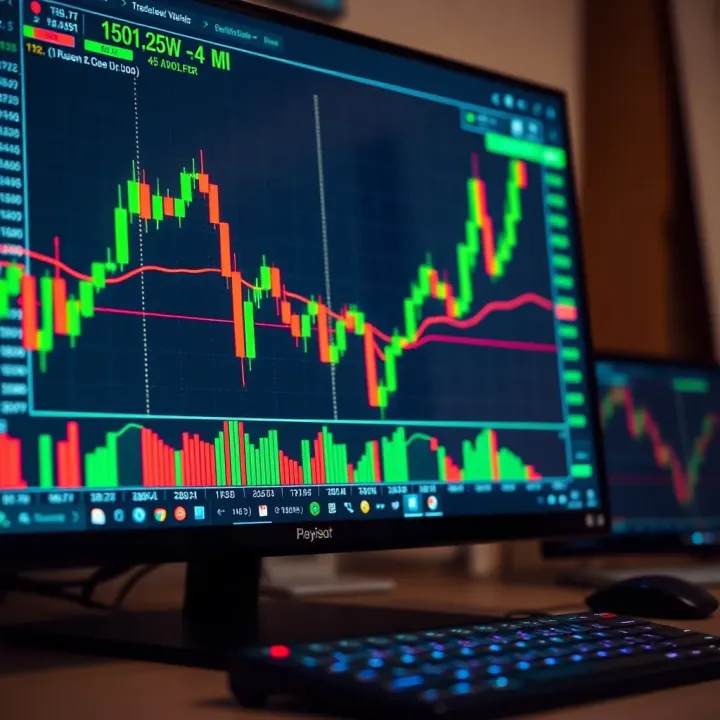
📈 Learn how Kenyan traders and developers can implement TradingView with ease, using practical steps for integration, customisation, and market analysis tailored to local needs.
Based on 15 reviews