

Forex Courses in Kenya: A Practical Overview
Discover top forex courses in Kenya 🇰🇪 that teach you essential skills, course types, and how to pick the best one for successful trading. Start smart today! 📈
Edited By
Henry Lawson
Forex trading offers a chance to earn income by exchanging currencies. However, jumping straight into real trading in Kenya's markets without practice can be costly. That’s where a forex demo account comes in. It allows you to trade without risking your hard-earned Kenyan shillings.
A demo account simulates actual forex trading using virtual money. It mirrors real market conditions including price fluctuations and spreads. This means you get hands-on experience without the financial risk. Imagine practising football moves before joining a competitive match — demo accounts serve much the same purpose for traders.
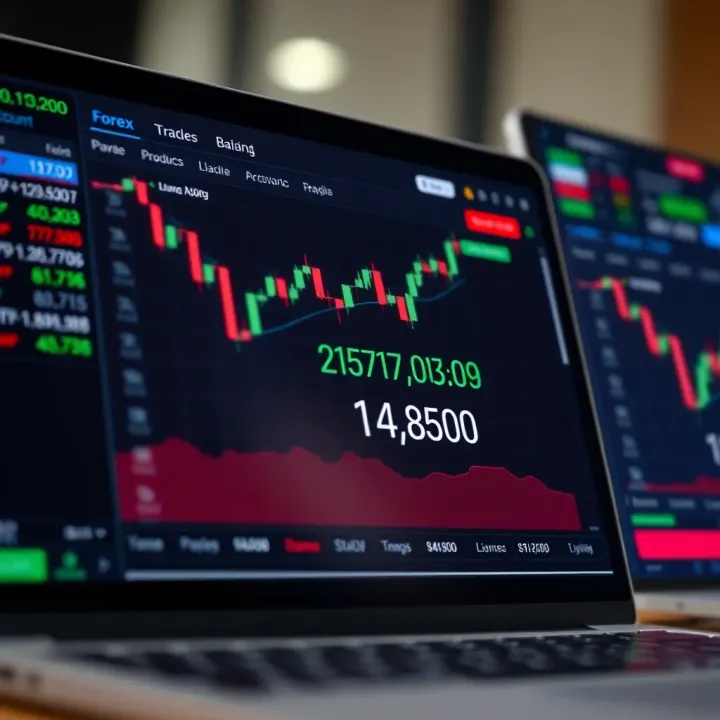
Using a demo account helps beginners test trading strategies, understand how currency pairs like USD/KES move, and get familiar with trading platforms. For instance, Safaricom’s mobile money services enable seamless funding to real accounts, but with a demo account, you don’t need to deposit anything upfront.
Besides newcomers, even experienced traders use demo accounts to trial new techniques or software updates without jeopardising capital. Kenyan traders can benefit greatly by starting with demo accounts before moving to live trading on platforms like Jambo Markets or HF Markets.
Tip: Treat a demo account seriously. Avoid rushing through trades just because it’s 'fake money'. This mindset builds discipline, a crucial trait in forex trading.
Risk-free practice environment
Learning platform features and order types
Testing automated trading bots without real loss
Analysing different currency behaviour such as the impact of political events in Kenya on forex rates
At the same time, be aware of limitations. Demo accounts don’t perfectly capture the emotional pressure of real trading, and execution speeds may differ slightly. Still, they remain invaluable for gaining practical knowledge.
In short, forex demo accounts act as training grounds that prepare Kenyan traders for the live forex market. Starting here can save you from costly mistakes once you put real money at stake.
This guide will explore how to use demo accounts effectively, their pros and cons, and tips tailored for Kenyan traders stepping into the forex world.
A forex demo account is a practice trading account provided by forex brokers that lets you trade currencies without using real money. For Kenyan traders testing the waters of forex trading, a demo account gives a risk-free environment to learn the ropes. It simulates the live forex market, allowing you to understand price movements and market behaviour before investing your hard-earned shillings.
Simply put, a forex demo account is a simulated trading platform. You get virtual money to buy and sell currency pairs, just like in real trading. This virtual money has no real value but behaves like real cash in the trading setup. For example, a trader in Nairobi might start with a demo balance of KSh 1 million to practise trading USD/KES or EUR/USD without any financial risk.
Demo accounts mirror real market conditions by showing live prices and allowing you to place orders as you would in a live account. However, the trades are executed using virtual funds, so your profit or loss stays on paper. The system uses real-time feeds from the forex market, giving you a taste of how fast markets can move. Still, note that some demo platforms might not factor in market slippage or liquidity issues that happen in live trading.
By practising with a demo, Kenyan traders can see how currency pairs like GBP/USD or USD/JPY react to economic news or local events such as CBK policy statements.
A typical forex demo account includes several useful tools to replicate a full trading environment:
Real-time Price Quotes: Keeps you updated on current market rates.
Order Types: Allows market orders, limit orders, stop-loss, and take-profit setups.
Charts and Indicators: Provides technical analysis tools like moving averages, RSI, and trends.
Trade History: Shows previous trades to review and learn from mistakes.
Multiple Currency Pairs: Lets you experiment with various forex pairs popular among Kenyan traders.
For instance, with these features, a trader can set a stop-loss on USD/KES trades or apply moving averages to spot trends on EUR/USD, all without risking actual money.
Using a demo account is like learning to drive on a simulator before hitting the busy streets. It builds confidence, sharpens skills, and prepares you for the real challenges in forex trading.
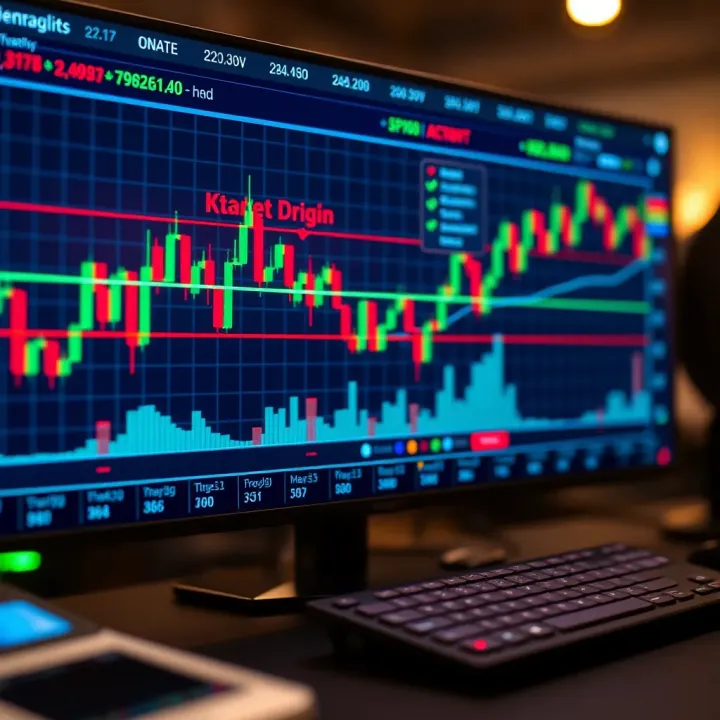
In summary, having a strong grasp of what a forex demo account is and how it works is essential for Kenyan traders who want to step into the forex market safely. It acts as the first classroom where you make mistakes, develop strategies, and gain experience without losing KSh. This approach helps bridge the gap between theory and practice, setting a solid foundation for live trading.
Starting your journey in forex trading without risking actual money is a major benefit of using a demo account. For new traders in Kenya, where access to live trading funds might be limited, practice without financial loss builds confidence and understanding. Imagine trying to learn to drive a matatu without getting behind the wheel first—it would be risky and stressful. Similarly, demo accounts let you experiment with buying and selling currencies under real market conditions without the worry of losing KSh.
With a demo account, you get virtual funds loaded on your trading platform to place trades just like in the live market. This allows you to make mistakes and learn from them without touching your wallet. For example, if you try trading the USD/KE shilling pair and the price goes against you, there’s no actual loss. This hands-on experience teaches you how the market moves, how to manage your trades, and when to exit a position safely.
Practising with zero financial risk helps you build the discipline necessary for real trading, keeping your head cool when money is on the line.
Every forex broker offers a different trading platform with unique features. It’s common for new traders to feel lost when faced with cluttered charts, indicators, and order types. Using a demo account gives you the chance to explore all these tools in depth. Pick a popular platform like MetaTrader 4 or MetaTrader 5 that many Kenyan brokers provide. Try placing stop-loss orders, setting take profits, and following live price movements. This familiarity makes it easier to execute trades quickly when you switch to a live account.
Developing a profitable trading strategy takes time and trial. Demo accounts are perfect for this since you can test different ideas without stress. For instance, you could try scalping the EUR/USD pair during London trading hours and see how small quick profits add up. Alternatively, you may explore swing trading, holding positions for days to capture bigger moves. Tracking your results on demo allows you to tweak your approach or abandon methods that don’t work. As a result, when real money is involved, your strategy has evidence backing it.
Using a demo account is like training on the shamba before selling crops at the market—it reduces risk and improves your chances of success. Kenyan traders should not skip this step because it lays a strong foundation for understanding forex trading and minimising early losses.
While forex demo accounts offer a valuable chance to practise trading without risking real money, they come with limitations that Kenyan traders need to understand before stepping into live markets. Knowing these pitfalls helps prevent unrealistic expectations and prepares you better for real trading.
Demo accounts simulate many aspects of trading but cannot exactly replicate the live market environment. For instance, price executions in demos are often idealised and may not reflect the slippages or requotes experienced in live trading, especially during volatile sessions like the release of economic data or after-hours trading. A trader using a demo in Nairobi may not face the delays caused by connectivity issues or broker server load that happen in live trading.
Also, demo accounts commonly provide larger virtual balances, allowing traders to open sizeable positions without regard to capital constraints they would face with real money. This can encourage risky behaviour which, when shifted to live accounts, might result in significant losses.
One of the biggest challenges demo accounts cannot mimic is the emotional impact of trading with real money. Real forex trading involves dealing with fear, greed, and stress, which can severely affect decision-making. For example, a Kenyan trader might hold on to a losing trade hoping it will recover, driven by loss aversion — an emotional bias rarely felt when trading virtual funds.
Without the pressure of risking hard-earned shillings, traders might not learn important skills like discipline and patience. This emotional gap means some demo traders fail to manage their psychology properly when they switch to live trading, leading to poor performance despite apparent success on the demo platform.
Many new traders fall into the trap of overvaluing their demo success. They might believe their demo strategies or win rates guarantee profits in live markets. However, live forex trading introduces factors like spreads widening during news, changing market sentiment, and execution delays that do not affect demo accounts the same way.
Moreover, relying solely on demo results might cause traders to underestimate the importance of a sound risk management plan. It’s common to see demo traders take huge leveraged bets, winning large virtual profits, only to experience significant drawdowns once they start trading with real cash.
While demo accounts are essential for building skills, Kenyan traders should approach them as a stepping stone rather than a perfect simulation. Understanding their limits prevents disappointment and fosters better preparation for live market realities.
In summary, although demo accounts provide a safe environment to practise, the differences in execution, emotional dynamics, and market conditions mean that success in demo trading will not necessarily translate into live profits. Kenyan traders should combine demo experience with continued learning, realistic expectations, and gradual exposure to live trading risks.
Using a forex demo account is a practical first step for Kenyan traders seeking to understand currency markets without risking real money. It offers a hands-on way to navigate platforms, learn market behaviour, and refine strategies before diving into live trading. Getting started might seem daunting, but focusing on the right broker, smooth account setup, and deliberate practice makes all the difference.
Start by selecting a reputable forex broker that offers a demo account. In Kenya, brokers like FXPesa, HotForex, and XM are popular because they provide user-friendly demo platforms accessible to residents. Reliability means more than just availability—it includes transparent trading conditions, real-time market data, and efficient customer support.
A good broker also complies with local regulations or international standards, ensuring your trial reflects real-market conditions closely. For example, some brokers adjust spreads or execution speeds differently on demo accounts, which could mislead beginners. So, read reviews and test multiple platforms if needed to find one that suits your trading style.
Opening a demo account usually involves simple online registration with your email, and sometimes your mobile number. Some Kenyan brokers might require additional identity verification even for demos, to help you transition smoothly to live accounts later.
Once registered, download the broker's trading platform—for example, MetaTrader 4 or MetaTrader 5—commonly preferred by Kenyan traders for their reliability and rich features. Log in using the demo credentials provided.
You'll be credited with virtual money—typically KSh 1 million or equivalent—which you can use to practice opening and closing trades, setting stop-loss and take-profit orders, and exploring charting tools. Making simulated trades lets you understand how market fluctuations impact your account balance.
To really benefit from your demo account, approach it like real trading—even though no actual money is involved:
Set clear goals: Focus on mastering specific skills in each session, like analysing currency pairs or managing risk.
Keep a trading journal: Record your trades, reasons for entry and exit, and outcomes. This helps identify strengths and weaknesses.
Test different strategies: Try out trend following, scalping, or swing trading to see what resonates with you.
Limit demo use to a set period: Too long on demo might make you complacent. Aim for a few weeks of focused practice before moving on.
Most Kenyan traders find that demo accounts build their confidence without breaking the bank. Making mistakes on virtual money prepares you for the real pressure of live markets.
In summary, choosing the right broker, following simple setup steps, and practising with purpose are key to using a forex demo account effectively. This foundation helps you avoid costly errors when you finally start trading live with your hard-earned KSh.
Switching from demo trading to a live forex account marks a significant step for Kenyan traders. While demo accounts provide a risk-free environment to learn, the real market introduces factors such as actual financial risk, slippage, and emotional pressures. Knowing when and how to make this transition helps you avoid costly mistakes and build confidence in real trading.
It’s important to move to a live account only when you consistently perform well on the demo and feel comfortable using the trading platform. A good rule of thumb is to have several weeks, even months, of profitable and disciplined trading on demo before switching. For example, if your demo account shows steady gains while following a simple strategy and managing losses properly, you’re likely ready. Avoid rushing just because you’re eager to start; patience sharpens your skills and reduces chances of early losses.
Live forex trading involves using your own money, so managing risk becomes critical. Start with small trade sizes—often called micro-lots—to limit potential losses while you adjust to live conditions. One effective approach is to risk no more than 1% of your trading capital per trade. It’s also vital to understand that losses are part of trading; no trader wins every time. Setting realistic expectations about profits and losses keeps emotions steady, which is crucial for sticking to your strategy. For instance, a trader who expects consistent 20% monthly returns may become frustrated quickly, risking impulsive decisions.
Applying what you’ve learned on your demo account can smooth your live trading journey. For instance, if you tested a momentum strategy on demo and observed how it reacts to news releases, apply the same timing and discipline when trading live. However, live conditions often have more volatility and emotional weight. Practice controlling your reactions whether you face losses or gains. It’s useful to keep a trading journal to record decisions and outcomes; this reflection helps you avoid repeating errors. Remember, discipline and adaptability are key to success beyond demo trading.
Transitioning to live forex trading is not just about changing accounts. It requires readiness, risk control, and using your demo lessons wisely to navigate the real market with confidence.
By understanding these elements, Kenyan traders can better prepare for the realities of live forex trading and increase their chances of sustainable success.
Discover top forex courses in Kenya 🇰🇪 that teach you essential skills, course types, and how to pick the best one for successful trading. Start smart today! 📈

📈 Learn forex trading in Kenya with clear steps, risk tips, and trusted local resources 📚 Get practical guidance for smart trading and steady progress starting today!

📘 Start forex trading in Kenya with this clear guide! Learn key concepts, practical steps, risk tips, and common mistakes to avoid for confident trading. 💹
📊 Discover how demo trading accounts work and why Kenyan traders should use them to practice, understand risks, and prepare before going live 📈
Based on 7 reviews