

Using Deriv with TradingView for Smarter Trading
📈 Learn how Kenyan traders can combine Deriv with TradingView to boost strategies, follow easy integration steps, and improve trading results today!
Edited By
Sophie Clarke
Trading decisions in today's markets require more than just gut feeling — they depend on reliable tools and clear data. For Kenyan traders, combining the strengths of Deriv and TradingView can sharpen your approach significantly.
Deriv is an online trading platform that makes buying and selling of various assets accessible. It offers straightforward interfaces and fast execution, which suits traders from beginners to seasoned pros. On the other hand, TradingView is widely respected for its strong charting capabilities with real-time data, technical indicators, and social community insights.

Why use them together? Deriv gives you the platform to act on ideas, while TradingView helps you build those ideas through detailed analysis. For example, you might spot a bullish pattern on TradingView charts using a moving average crossover. Instead of switching platforms or guessing, you can place a trade on Deriv immediately, based on that signal.
Kenyan traders especially benefit from this synergy because Deriv supports local payment systems like M-Pesa, making fund management smoother and faster. Plus, TradingView's online community includes Kenyan market enthusiasts who share strategies and insights that suit our local context.
Combining market analysis with quick trade execution helps you respond to price moves in real-time, which is vital in volatile markets like forex or commodities.
Start by opening accounts on both platforms; Deriv’s verification process is straightforward with Kenyan IDs.
Use TradingView to set alerts and watchlists for assets you trade on Deriv.
Learn to apply basic technical tools on TradingView like RSI (relative strength index) or Bollinger Bands to identify market trends.
When confident, link your analysis from TradingView directly into trades on Deriv.
Faster decision making: No time wasted toggling between different apps.
Improved accuracy: TradingView’s charting helps confirm entry/exit points.
Risk management: Set stop losses on Deriv after spotting support/resistance zones on TradingView.
Using both tools effectively requires some practice to interpret charts and understand market moves. Yet, the effort leads to more informed trades and better confidence managing your funds.
Next, we will explore essential features of Deriv and TradingView to get you ready to sharpen your trading skills fully.
For anyone serious about trading, understanding both Deriv and TradingView is a solid first step. These platforms complement each other: Deriv handles actual trade execution, while TradingView excels in market analysis. Kenyan traders relying on just one often miss out on the full picture. Combining Deriv’s services with TradingView’s powerful charting tools means you can plan your trades better, act faster, and manage risks confidently.
Core features and services offered
Deriv stands out with its broad offering of trading services, including contracts for difference (CFDs), forex, commodities, synthetic indices, and options. The platform is engineered for flexibility—for example, synthetic indices operate 24/7 and aren't affected by real-world market shutdowns, offering unique trading opportunities especially for traders outside standard market hours.
Deriv also supports both short-term and long-term trades, enabling you to tailor your approach to your risk appetite and trading style. Features like demo accounts and various order types (stop-loss, take-profit) allow you to practice strategies without risking real funds, an advantage for both beginners and seasoned traders.
Types of assets available for trading
The asset range on Deriv covers popular forex pairs like USD/KES and EUR/USD, commodities such as gold and oil, and global indices. Plus, synthetic indices simulate real market movements without the unpredictability caused by political or economic events, making them attractive for Kenyan traders looking for steady volatility.
Having this variety means you can diversify your portfolio on one platform, helping to spread risk. For instance, if the forex market is quiet, you might explore commodities or synthetic indexes to keep your trading active.
User interface and accessibility
Deriv provides an intuitive web platform that works smoothly on desktop and mobile devices. This accessibility is crucial in Kenya where many traders depend on mobile internet. The interface focuses on simplicity—key information like live prices, charts, and order entry forms are easy to find and use.
Moreover, the platform supports multiple languages and customisable dashboards. This makes navigation straightforward even if you are new or trading remotely from places with slower internet.
Charting tools and technical indicators
TradingView is renowned for its versatile and detailed charting system. It offers dozens of technical indicators—from RSI and MACD to Bollinger Bands—to help you analyse price action and market momentum.
You can also draw trend lines, channels, and Fibonacci retracements directly on the charts. For Kenyan traders who want to spot entry and exit points quickly, this visual approach is invaluable, especially when combined with alerts that notify you of key price levels.
Community features and social trading
Beyond charts, TradingView hosts a vibrant community where traders share ideas, publish analyses, and discuss strategies. This social aspect can expose you to local and international market sentiments that might not be obvious from charts alone.
You can follow top traders, comment on shared insights, and even see real-time watchlists from professionals. This makes TradingView more than just a tool; it’s a learning hub enhancing your market understanding.
Compatibility with brokers and platforms
TradingView integrates smoothly with many brokers, including Deriv. This compatibility allows you to place trades directly from TradingView’s interface without switching apps, streamlining your workflow.
Such integration helps reduce lag time between analysis and execution—a critical factor when market conditions change quickly. For Kenyan traders, this means quicker responses to market shifts using just one screen.
Combining the strengths of Deriv and TradingView sets a foundation for smarter, faster, and better-informed trading decisions.
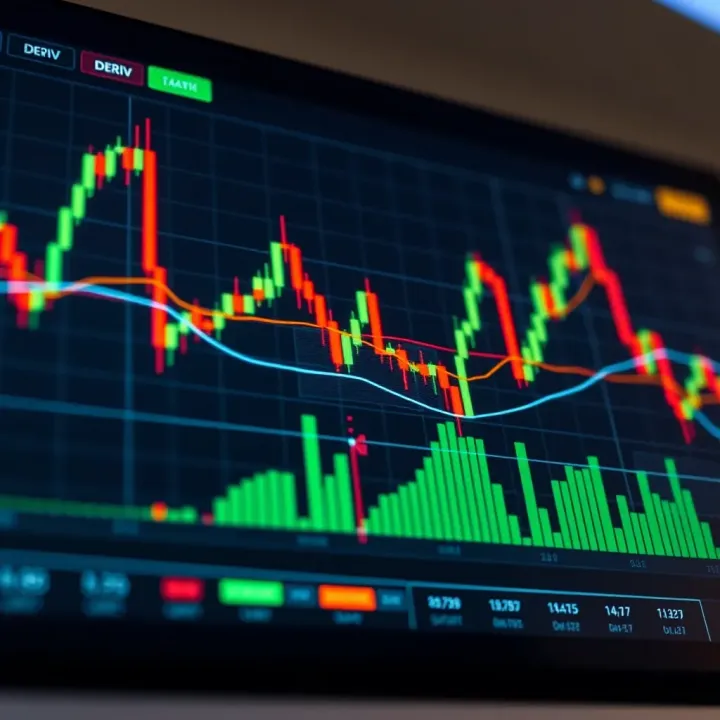
Deriv's integration with TradingView brings together the strengths of two powerful tools, enhancing a trader's ability to analyse markets and execute trades effectively. This collaboration allows users to access TradingView’s advanced charting while performing live trades directly on Deriv, making the trading process more streamlined and efficient.
Linking your Deriv account with TradingView is straightforward and essential for seamless trading. Once connected, your TradingView interface reflects live Deriv account data, enabling you to place trades without switching platforms. This link saves time and reduces errors, especially when quick entry or exit is critical, like during volatile market conditions.
Synchronising charts from TradingView with Deriv’s real-time data ensures that what you see on your charts matches Deriv’s live market prices and order book. For example, when analysing Forex pairs, the chart’s candlestick updates and indicators respond instantly to Deriv’s pricing. This synchronicity helps prevent misreads caused by delayed or inconsistent data, reducing the risk of mistimed trades.
TradingView’s trading panel integrated with Deriv permits live order execution directly from the chart interface. You can set buy or sell orders, stop-loss, and take-profit points without leaving TradingView. This integration reduces latency, enabling traders to act as markets move. For Kenyan traders relying on swift execution, such as during rift valley agricultural exports or NSE-listed stocks spikes, this feature can be quite valuable.
TradingView offers a rich toolkit of chart types and over a hundred technical indicators, which Deriv users can apply to sharpen their market readings. For instance, a trader interested in CFDs on commodities can overlay indicators like MACD and Bollinger Bands to spot trends or reversal points. Such detailed analysis gives traders more confidence when deciding to open or close positions.
The real-time data feed synchronised between Deriv and TradingView means traders can react promptly to price changes. Unlike static charts, this dynamic data helps Kenyan traders spot and act on short-term patterns quickly. For example, during rapid price movements in currency trading, this synergy enables fast decision-making to capitalise on fleeting opportunities.
Integrating Deriv with TradingView enhances risk management by allowing precise placement of stop-loss and take-profit orders from within the TradingView chart. Traders can visually set and adjust these limits based on chart patterns and alerts. This hands-on approach reduces emotional trading and helps maintain discipline by automating risk limits, which is critical for traders managing tight budgets.
Combining Deriv with TradingView provides Kenyan traders with a more robust, efficient, and informed trading environment where analysis and execution happen hand in hand, reducing the gap between decision and action.
Using both platforms together is more than just convenience—it sharpens your ability to trade smartly, manage risk, and stay ahead in fast-moving markets.
Combining Deriv and TradingView provides traders with practical tools to sharpen trading strategies effectively. While Deriv offers a user-friendly platform for trade execution, TradingView brings sophisticated charting and community insights. Together, these platforms help traders analyse market movements, identify opportunities, and manage risks in a more informed way.
Using indicators like RSI (Relative Strength Index), MACD (Moving Average Convergence Divergence), and moving averages helps traders spot trends and momentum shifts. For example, on TradingView, setting an RSI above 70 might indicate an asset is overbought, suggesting a possible price pullback. Meanwhile, MACD crossing over its signal line can hint at a buy or sell opportunity. Moving averages smooth out price data to reveal clearer trends, useful for spotting entry or exit points.
These indicators work well on Deriv’s platform when combined with TradingView’s charts, allowing traders to act swiftly on signals. For instance, a Kenyan trader watching forex pairs like USD/KES can use the MACD to time trades, reducing guesswork and improving precision.
Identifying chart patterns such as head and shoulders, double tops, or triangles enables traders to predict potential price movements. When a head and shoulder pattern forms on TradingView, it may signal a trend reversal. Spotting a triangle pattern could show price consolidation before a breakout. Recognising these formations helps traders decide when to enter or exit positions on Deriv, increasing the chance of success.
For example, if a triangle breakout occurs on the price of coffee futures, a Kenyan trader could open a position on Deriv just as the price moves upwards, riding the trend. This practical approach demands discipline and constant chart monitoring, which TradingView’s tools make easier.
Setting alerts for price movements is another crucial technique. On TradingView, traders can set notifications when an asset reaches a certain price or crosses an indicator threshold. These alerts keep traders updated without staring at screens all day.
Instead of missing an ideal entry on the NSE 20 share index, a trader can set an alert for a breakout level. As soon as the price nears that point, TradingView notifies the trader who can then quickly execute a trade on Deriv. This reduces reaction delay and helps manage fast-moving markets.
Stop-loss and take-profit orders on Deriv serve as key risk management tools. A stop-loss limits potential losses by automatically closing a trade when the price hits a predetermined level. Similarly, take-profit locks in gains once the price target is met.
Using these orders disciplinedly protects traders from unexpected market swings. For instance, a forex trader betting on EUR/USD can set a stop-loss 50 pips away to cap losses and a take-profit 100 pips away to secure gains. These orders work best combined with TradingView’s precise analysis to decide suitable levels.
Monitoring volatility and volume adds another layer to risk management. High volatility means prices can swing sharply, increasing both risk and opportunity. Volume shows how much an asset trades in a period, signalling strength or weakness of moves.
For example, if volatility spikes in coffee futures around a weather report in Brazil, a Kenyan trader may choose smaller positions or avoid trading that day. TradingView’s charts display real-time volume indicators, helping traders spot when price moves lack conviction.
Diversifying assets within the platform spreads risk and avoids overexposure. Deriv offers various asset classes including forex, commodities, indices, and cryptocurrencies. Kenyan traders can balance their portfolio by allocating funds across these different markets.
A practical approach might involve trading forex pairs like USD/KES alongside commodities such as gold or crude oil. Diversification reduces dependence on one market’s performance and stabilises the overall risk level. Using both Deriv and TradingView, traders can explore and analyse multiple assets within one ecosystem, making diversification straightforward.
Mastering practical strategies with Deriv and TradingView isn’t just about using tools, but applying them deliberately to protect capital while seeking smart opportunities in Kenya’s dynamic markets.
For Kenyan traders, starting on Deriv and TradingView opens doors to practical tools that suit the local trading environment. Both platforms complement each other to provide reliable charting, smooth trade execution, and access to global markets from the comfort of your home or office. Familiarising yourself with the setup process helps you avoid common pitfalls and speeds up your journey towards smarter trading decisions.
Creating an account on Deriv is straightforward; you need to visit their official website and use your email and a secure password to register. The platform requests basic personal details, including your full name, date of birth, and contact number—Kenyan traders should ensure they enter their correct mobile numbers for communication. Deriv also supports biometric login on its app, which adds convenience and enhanced security.
Once you've registered, the verification follows. Verification is mandatory to comply with anti-money laundering (AML) laws and to protect your account. You will be required to upload official documents such as your national ID or passport and provide proof of residence, like a recent utility bill or bank statement. Submitting these documents promptly prevents delays during deposit or withdrawal stages
Accessing TradingView services is equally simple. You can create a free account on TradingView’s site using your email or social media logins. While a free account offers plenty of charting and analysis features, premium plans deliver extra benefits like unlimited indicators and faster data feeds. TradingView is browser-based and also has mobile apps, which Kenyan traders find convenient for tracking markets on the go.
Kenyan traders can fund their Deriv accounts easily through popular mobile money services, with M-Pesa being the most commonly used method. This option allows instant deposits directly from your Safaricom line, avoiding the hassle of bank transfers. Besides M-Pesa, Deriv supports other payment gateways like Airtel Money and bank cards, which cater to various preference and convenience levels.
Regarding currency conversion and fees, Deriv offers trading accounts denominated in major currencies like USD and EUR. When funding with Kenyan Shillings via M-Pesa or other routes, expect some currency conversion costs. These fees come from mobile money providers or card companies, so it's wise to check current rates to avoid surprises. Deriv’s internal fees are generally transparent and kept minimal, which benefits traders looking to maximise capital.
Withdrawals on Deriv for Kenyan traders typically take between a few minutes to 48 hours, heavily depending on the payment method used. Withdrawals to M-Pesa are quicker compared to bank accounts, due to the mobile service’s efficiency. However, keep in mind that withdrawal processing times can also be affected by verification status and security checks, so maintaining updated documents helps speed up transactions.
Trustworthy funding and withdrawal options like M-Pesa make it simpler for Kenyan traders to move money in and out of Deriv, ensuring access to profits when needed without excessive delays or fees.
Starting properly with Deriv and TradingView in Kenya means understanding these practical steps carefully. By following these guidelines, you cut through unnecessary setbacks and trade on a level playing ground with global investors.
Trading on Deriv using TradingView’s powerful tools demands more than just understanding charts and indicators. It's about staying informed, managing risks, and developing disciplined habits. Paying attention to market news, maintaining responsible trading practices, and continually honing your skills can make the difference between gaining and losing in the fast-moving markets.
Using TradingView alerts and forums offers a way to keep your finger on the pulse without sitting glued to your screen. You can set price alerts for specific assets, so you get notified instantly when the market hits levels you care about. For example, if you're watching the USD/KES forex pair, setting a TradingView alert for a significant price drop helps you react quickly whether to buy or sell on Deriv.
Besides alerts, TradingView’s community forums provide a place where traders share insights, forecasts, and chart analysis. Engaging in these conversations exposes you to diverse perspectives and market sentiment, which is especially useful when local information is scarce. However, always combine community input with your own analysis to avoid following herd mentality blindly.
Following global and local economic indicators is vital because financial markets rarely move randomly. Key events like Central Bank of Kenya interest rate decisions, inflation figures, or US non-farm payroll reports can influence prices on Deriv significantly. For instance, a hike in interest rates by the Central Bank could strengthen the Kenyan Shilling, creating trading opportunities in forex.
Local developments also matter. Consider the agricultural output reports during the long rains season; they can impact commodity prices like maize futures if you're trading such assets. Keep an eye on scheduled releases using economic calendars integrated into TradingView or Deriv's platform to plan your trades effectively.
Understanding risks and avoiding overtrading is essential to protect your capital. Trading too often, driven by emotion or impatience, usually leads to unnecessary losses. For example, a trader who opens multiple positions without clear entry or exit rules might quickly wipe out profits. Use Deriv’s risk management features like stop-loss orders to limit downside.
Setting realistic goals and limits helps maintain discipline. Instead of aiming to double your KSh 50,000 deposit overnight, you might set a target of consistent 5% monthly growth. This approach reduces pressure and keeps you focused on improving your strategy incrementally. Also, decide on daily loss limits to help you avoid chasing losses after a bad trade.
Continuing education and skill development should not be underestimated. Even experienced traders benefit from refreshing their knowledge or learning new techniques. Make use of TradingView’s tutorials, webinars, and the abundant free resources offered by Deriv. Practise using demo accounts before risking real money to build confidence without pressure. Remember, markets evolve, and so should your trading skills.
Successful trading is a marathon, not a sprint. Staying informed, managing your risks diligently, and committing to ongoing learning build a foundation that endures market ups and downs.
These practical considerations will steer you towards smart, informed trading that reflects both the tools at your disposal and a clear-headed approach to markets.
📈 Learn how Kenyan traders can combine Deriv with TradingView to boost strategies, follow easy integration steps, and improve trading results today!

Discover how to use the Deriv Trading App in Kenya 🇰🇪 with this practical guide - setup, features, security tips, trading types & strategies explained! 📱💼

📈 Explore app.deriv for online trading in Kenya! Learn features, security tips, and how to start trading smartly on this popular platform. 🇰🇪🔒
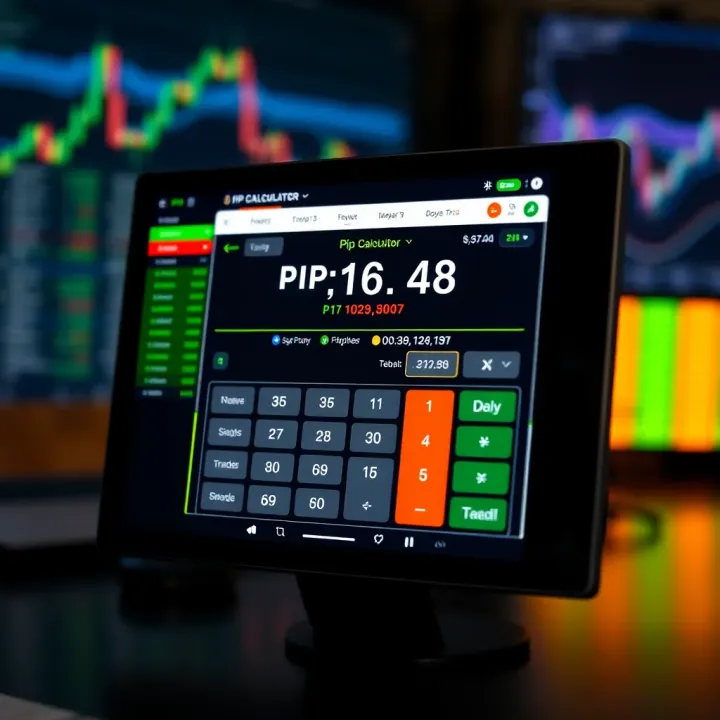
Explore how the Deriv pip calculator helps Kenyan forex traders easily calculate pip values 🤑 and refine trading strategies for better decision-making 📊.
Based on 7 reviews