
Understanding Derivative Trading in Kenya
Explore derivative trading in Kenya 📈. Learn types, risks, regulations, and strategies to confidently manage investments in local financial markets.
Edited By
Thomas Mitchell
Forex trading, also known as foreign exchange trading, is the act of buying and selling currencies to profit from changes in exchange rates. For Kenyan investors, this offers an opportunity to grow their capital by leveraging fluctuations between currencies like the US dollar, euro, and Kenyan shilling.
Understanding how the forex market operates is fundamental before committing your hard-earned KShs. Forex transactions happen 24 hours a day, five days a week, across global financial centres such as London, New York, Tokyo, and Nairobi. The market is highly liquid, meaning you can execute trades quickly, sometimes within seconds.
Currencies are quoted in pairs, such as USD/KES (US dollar to Kenyan shilling). When you expect the US dollar to strengthen against the shilling, you buy USD/KES; if correct, you can sell later at a profit.
Trading involves understanding key terms:
Pip: The smallest currency movement, crucial for measuring profit or loss.
Leverage: Allows you to control a larger position with a smaller amount of money, but increases risk.
Spread: The difference between buying and selling price quoted by brokers, affecting costs.
Kenyan investors can use local and international platforms that accept M-Pesa deposits, making funding accounts convenient. Notable brokers authorised by the Capital Markets Authority (CMA) should be your first choice to ensure compliance and security.
When selecting a platform, check for these features:
Easy funding and withdrawal options via M-Pesa or bank transfers
Transparent fee structures
Regulatory compliance with CMA Kenya
The forex market's volatility means risk management is crucial. Tools like stop-loss orders help limit losses by automatically closing positions at pre-set levels. It’s wise to start small and avoid chasing trades based on emotions.
In the Kenyan context, factors like exchange rate controls and forex reserves fluctuations also affect trading outcomes. Stay updated on local economic news, including Central Bank of Kenya (CBK) policies, which impact shilling stability.
This introduction sets the stage for practical steps and strategies tailored to Kenyan forex traders, helping you approach forex trading with clear eyes and well-informed plans.
Before diving into forex trading, understanding how the market operates is key. Without this foundation, you risk making decisions based on guesswork instead of facts. For Kenyan investors, knowing the market structure, timing, and participant roles helps in planning trades that fit local time zones and financial realities.
Forex trading, simply put, means buying one currency while selling another simultaneously. Investors aim to profit from changes in exchange rates between currency pairs. For example, a Kenyan trader buying USD against the Kenyan shilling (KES) expects the USD to strengthen so they can sell it later at a higher rate and make a profit.
This activity happens over the counter, making it highly accessible but also volatile. Understanding this basic principle helps you grasp why exchange rate movements matter and how traders seek gains daily.
Currencies always trade in pairs — like EUR/USD (Euro against US dollar) or USD/KES (US dollar against Kenyan shilling). The first currency is called the base, and the second is the quote. A quote of 110.50 for USD/JPY means one US dollar buys 110.50 Japanese yen.
For Kenyan investors, focusing on pairs involving KES or major currencies (USD, EUR, GBP) makes practical sense. These pairs have sufficient liquidity, meaning you can enter or exit trades easily without huge price swings from low trading volumes.
Various players drive forex markets, including banks, hedge funds, multinational companies, central banks, and retail traders like you. Banks and financial institutions provide deep liquidity and set price trends. Central banks might intervene to stabilise their currency.
As a Kenyan investor, your role is different but important — you tap into this vast global market through brokers licensed by the Capital Markets Authority (CMA). Understanding who moves the market helps you anticipate potential swings and pick trading strategies wisely.
Forex is a decentralised market, meaning no single exchange controls it. Instead, trading happens electronically across networks in global hubs like London, New York, Tokyo, and Sydney. This decentralisation creates continuous trading 24 hours a day during weekdays.
For instance, London and New York sessions overlap and generally provide more market activity compared to smaller centres, affecting how easy it is to trade certain pairs.
Since Nairobi operates on East Africa Time (EAT, UTC+3), it's important to time your trading sessions accordingly. The major market sessions open and close as follows (local Nairobi time):
Sydney: 9 pm to 6 am
Tokyo: 12 am to 9 am
London: 10 am to 7 pm
New York: 3 pm to 12 am
Knowing these helps you plan trades when liquidity is high. For example, the London session fits Nairobi’s daytime, making it easier for local traders to watch and act on market moves.
Liquidity refers to how easily you can buy or sell without drastically affecting prices. The overlap between London and New York sessions around 3 pm to 7 pm Nairobi time often sees the highest liquidity, leading to tighter spreads and better trade execution.
During off-peak hours, like late at night, liquidity may drop. This might increase price gaps and risk. Understanding these patterns assists you in avoiding poor trading conditions and choosing the best times to enter or exit the market.
Trading forex successfully involves more than picking a currency pair. Knowing market hours and participant behaviour can save you from costly mistakes and set you up for smarter trades.
By grasping these fundamentals of forex trading and market dynamics, Kenyan investors can approach the market with confidence and better odds of success.
Starting forex trading in Kenya means understanding local opportunities and constraints. As a Kenyan investor, you want to choose brokers and platforms that fit your situation, allowing smooth deposits, withdrawals, and access to support when needed. It also means knowing how to set up accounts using convenient payment methods like M-Pesa and ensuring you follow legal and regulatory steps.
When selecting a broker, Kenyan traders should focus on key features: clear trading conditions, competitive spreads, and fast execution speeds. For instance, having access to multiple currency pairs and user-friendly mobile apps can greatly improve your trading experience, especially when you’re on the go in busy Nairobi or upcountry.
Regulatory compliance is a must. The Capital Markets Authority (CMA) in Kenya regulates licensed brokers to protect investors from scams. Working with a CMA-approved broker means your funds and trades are monitored under Kenyan law, reducing risks of fraud. Always check if the broker is listed on the CMA’s official register before opening an account.
Popular brokers here include global names like XM, FXTM, and HotForex, all accessible and familiar to Kenyan traders. These brokers usually offer local customer support and accept M-Pesa, making deposits faster and more convenient.
Forex brokers typically offer several account types, such as standard, mini, or micro accounts. Kenyan traders often start with micro accounts, requiring minimum deposits as low as KSh 5,000, enabling cautious entry while learning the ropes. Selecting the right account depends on margin requirements, Leverage options, and risk tolerance.
Funding your account is straightforward with familiar local options. M-Pesa transfers directly to trading accounts speed up funding, avoiding bank delays, especially during busy hours. Some brokers also accept direct bank transfers from Kenyan banks such as Equity or KCB for larger deposits.
Verification is essential to comply with anti-money laundering rules. Expect to provide scanned copies of your national ID or passport, proof of address like utility bills or bank statements, and sometimes a selfie for identity confirmation. While this process might take a day or two, it helps keep the trading environment safe and transparent for everyone.
Starting right with a reliable broker and proper account setup ensures you can focus on trading strategies without worrying about operational hitches or fraud risks.
Getting going with forex in Kenya involves these practical steps to build a safe and functional trading base that fits local realities and maximises your chances for success.
Understanding the key tools and techniques in forex trading is essential for any Kenyan investor looking to make informed decisions and manage risks effectively. These tools help you analyse market movements, manage your trades, and handle leverage—all of which can determine your success or loss.
Leverage lets traders control a large position with a relatively small amount of their own money. For example, if a broker offers a 50:1 leverage, you can control KSh 50,000 worth of currency by putting down KSh 1,000. This amplifies potential profits but also means losses can pile up quickly if the market moves against you.
Common leverage levels in Kenya range from 10:1 to 100:1, depending on the broker. It’s critical to pick leverage suitable for your experience and risk tolerance—high leverage might sound attractive, but it’s a double-edged sword.
High leverage increases the risk dramatically. While it magnifies gains, it equally magnifies losses. A small adverse price swing could wipe out your trading account if your leverage is too high. Kenyan traders should therefore resist the urge to over-leverage, especially when starting out. Treat leverage like a tool, not free money.
Margin calls happen when your account’s equity falls below the required margin level set by the broker. It means you don’t have enough funds to cover your open positions. When this occurs, brokers may automatically close trades to limit further losses. In practice, margin calls protect both the trader and broker—but if you’re caught off guard, they can quickly drain your invested capital.
Technical analysis involves studying price charts and patterns to predict future currency movements. Indicators such as moving averages, Relative Strength Index (RSI), and support and resistance levels help traders spot entry and exit points. For instance, a Kenyan trader might notice the USD/KES pair approaching a historical resistance level and decide to sell before prices fall.
On the other hand, fundamental analysis looks at economic data and news to assess currency strength. Key pieces of information include inflation rates, employment figures, central bank policies, and political events. For example, if the Central Bank of Kenya unexpectedly changes interest rates, it can significantly impact the shilling’s value versus other currencies.
Combining technical and fundamental analysis offers better clarity. While charts provide timing, economic news explains why prices move. A trader tracking the USD/KES pair may use fundamental insights about Kenyan-US trade but confirm the best moments to trade through technical indicators. This mixed approach minimises guesswork and strengthens your trading edge.
Good traders never rely solely on gut feelings—they use built-in tools and informed analysis to manage risks and seize opportunities in the forex market.
Trading forex offers opportunities for profit, but it also involves risks that can lead to significant losses. Managing risks while aiming to maximise gains is essential, especially for Kenyan investors who may be navigating unfamiliar markets and volatile currencies. A solid risk management approach helps protect your capital, maintain your trading longevity, and improve the chances of steady growth.
Market volatility and unexpected events often catch traders by surprise. Currency prices can swing sharply due to global economic news, political changes, or even unexpected crises like a sudden change in interest rates or geopolitical tensions. For instance, during a surprise central bank announcement in the United States, forex pairs like USD/KES can experience rapid moves, which might wipe out unprepared traders. This volatility means you can gain or lose quickly, so understanding when markets are more prone to such swings is vital.
Currency risk due to exchange rate swings is the very essence of forex trading, but it also poses risks. For Kenyan traders, the shilling’s fluctuations against major currencies like the dollar, euro, or pound can affect trade outcomes. If you buy USD/KES expecting the shilling to weaken but instead it strengthens, your position loses value. This risk is compounded for those who trade large amounts or use high leverage without proper hedging.
Psychological and emotional factors affecting decisions play a huge role in trading success or failure. Fear or greed can lead to poor choices such as holding losing trades too long or overtrading to chase losses. For example, a trader might ignore a well-set stop-loss because of hope the market will turn, which often results in greater losses. Emotional discipline is essential to stick to your plan and respond calmly to market moves.
Using stop-loss and take-profit orders allows you to automatically close trades at predetermined prices. This prevents large unexpected losses and locks in profits when the market moves in your favour. For example, if you enter a trade on EUR/USD, placing a stop-loss 50 pips below your entry limits your downside risk while a take-profit order at 100 pips secures your gains without requiring you to watch the market constantly.
Diversifying trading portfolio means spreading your trades across different currency pairs or even other financial instruments. This reduces the impact of any one poor performing trade or currency’s volatility on your overall capital. Rather than focusing only on USD/KES, a Kenyan trader might also consider EUR/USD or GBP/USD to balance risk.
Setting reasonable leverage and trade sizes is critical. High leverage can magnify profits but also losses, quickly draining accounts. Kenyan traders should use leverage cautiously, perhaps starting with lower ratios like 1:10 or 1:20 rather than maximum leverage offered. Additionally, trade sizes should reflect your account balance to avoid risking too much on a single position.
Defining goals and limits involves knowing exactly what you want to achieve and the maximum loss you’re willing to tolerate. Instead of vague aims like “make money”, set a clear goal such as “grow my account by 5% monthly” with a daily stop-loss cap of 2%. This helps maintain discipline and prevents emotional decision-making.
Tracking performance and learning from mistakes helps improve your trading skills over time. Keeping a trading journal that notes the reasons for each trade, results, and lessons can highlight patterns in your decisions. For instance, if you notice losses from trading volatile pairs during news releases, you can adjust your strategy accordingly.
Continuous education and staying updated keep you ahead in forex trading. Following Kenyan economic news, Central Bank of Kenya announcements, and global events affecting currencies informs better decisions. Besides, regularly reviewing new strategies and tools helps sharpen your approach as markets evolve.
Managing risks is not about avoiding losses entirely but controlling them while positioning yourself for consistent gains. With clear strategies and discipline, Kenyan investors can navigate forex trading more confidently and sustainably.
Navigating the regulatory and tax landscape is essential for Kenyan forex traders to operate legally and optimise their investments. Understanding how rules and taxes apply offers protection against penalties and helps plan profitable trading activities smartly. For example, knowing the role of the Capital Markets Authority and KRA will guide you in choosing trustworthy brokers and declaring your earnings correctly.
The Capital Markets Authority (CMA) is Kenya’s main regulator overseeing forex trading activities. Its job is to ensure that brokers operate fairly and transparently, protecting investors from fraud or malpractice. For Kenyan traders, CMA licensing serves as a green flag that the broker meets local legal standards, which reduces the risk of falling victim to scammers.
CMA also monitors market conduct and promotes best practices within the forex trading environment. Traders should verify that their broker is approved by CMA to enjoy consumer protection mechanisms if disputes arise. Without CMA oversight, traders risk dealing with unregulated entities with little or no accountability.
Only brokers licensed and authorised by CMA are considered legal for Kenyan residents. Engaging with such brokers ensures access to dispute resolution forums and a level of supervision over trading activities. For example, brokers approved by CMA must follow specific capital and operational requirements, reducing chances of insolvency.
Consumer protection in forex trading includes safeguarding client funds, transparent pricing, and clear communication of risks. Many Kenyan traders use global brokers, but it’s safer to choose those either regulated by CMA or those recognised by international bodies like FCA UK or ASIC Australia, alongside being CMA compliant.
Forex traders in Kenya must observe reporting duties, especially concerning large transactions or suspicious activities to KRA or CMA. These requirements help curb money laundering and tax evasion schemes. For practical purposes, traders should maintain clear records of all trades and funds transferred in and out of trading accounts.
While the daily trader might not frequently face these reports, institutional traders or those operating with high volumes must comply strictly. Avoiding proper reporting could lead to investigations or penalties that disrupt trading.
The Kenya Revenue Authority views profits from forex trading as taxable income. Whether trading as an individual or business, gains realised from buying and selling currency pairs count as taxable. Not declaring these profits can lead to penalties or delayed tax clearances.
KRA has increasingly improved its tracking capabilities, especially with digital banking and M-Pesa records linking online forex transactions, making it harder to avoid compliance. Although forex trading is risky, it does not exempt one from tax duties.
Individuals and entities must declare forex earnings either as business income or capital gains, depending on trading patterns and frequency. For example, a day trader might treat income as business profits, while holders of positions for longer might classify gains differently.
Taxes due could vary based on overall income levels and prevailing rates in Kenya. It’s advisable to consult tax professionals or use KRA’s services like iTax for accurate filings.
Keeping detailed records of your trades, deposits, withdrawals, and broker statements is vital for accurate tax reporting. These documents help justify your declared income and prove the source of funds during audits.
Practical tips include maintaining spreadsheets or using accounting software, noting dates, amounts in Kenyan shillings, and equivalent forex values at trade times. Such discipline also helps monitor performance and support dispute resolutions if needed.
Proper knowledge of Kenya's regulatory framework and tax rules not only keeps traders compliant but also helps them build a trustworthy, sustainable trading practice.
Explore derivative trading in Kenya 📈. Learn types, risks, regulations, and strategies to confidently manage investments in local financial markets.
📈 Learn how Kenyan investors can use copy trading to mirror experienced traders, understand benefits, risks, and get practical tips to trade wisely.
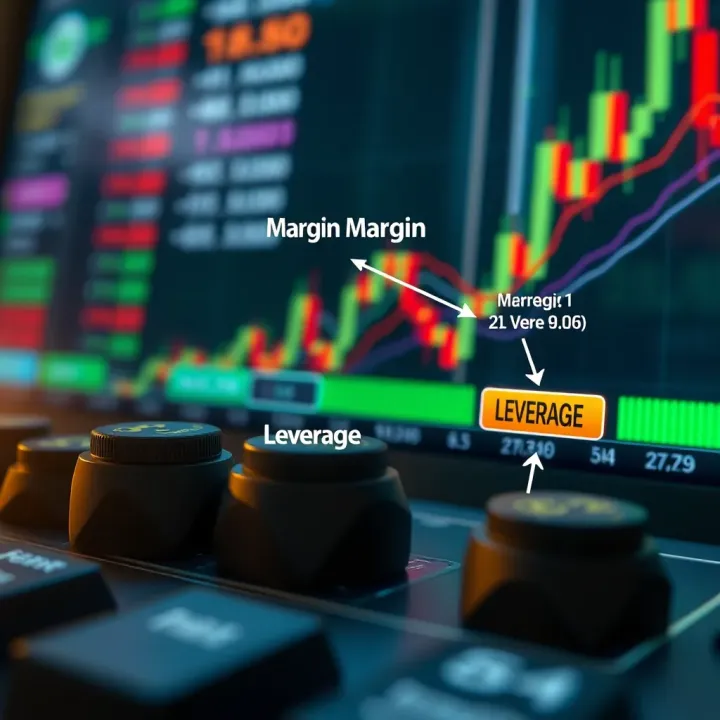
📊 Learn how margin in forex trading helps Kenyan traders control bigger positions with less capital. Understand its risks and smart management tips to trade safely with confidence.
📘 Discover how Forex trading PDFs can boost your skills with practical steps, key concepts, and trusted sources, tailored for Kenyan traders eager to succeed.
Based on 13 reviews