
London Trading Hours Explained for Kenyan Traders
📊 Understand London trading session time from Kenya 🇰🇪, know the time difference, Brexit impact, daylight saving shifts & tips to boost your trading success.
Edited By
Charlotte Evans
The London trading session is one of the most influential periods in the global financial markets. For Kenyan traders and investors, understanding the exact timing of this session is key to making informed decisions, especially when dealing with forex or stock markets connected to London exchanges.
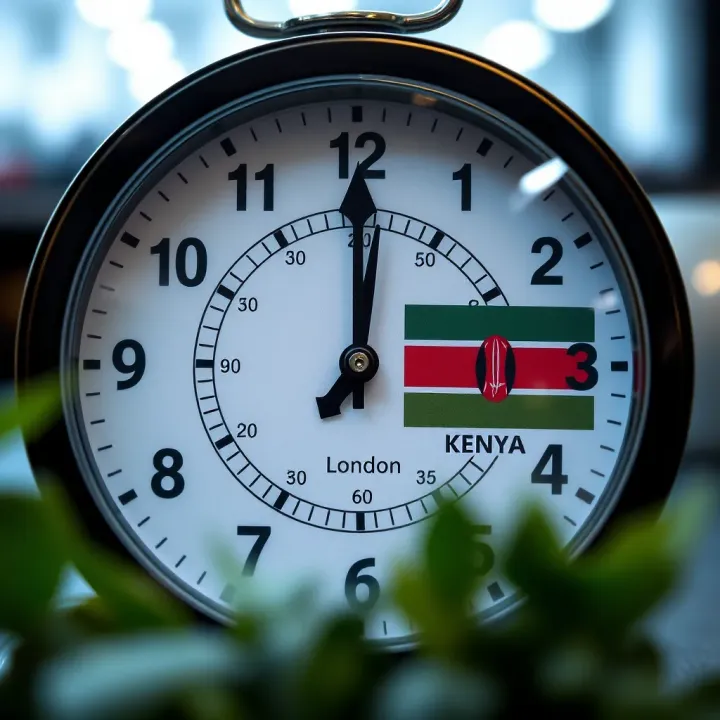
Located three hours ahead of the UK during standard time, Kenya operates on East Africa Time (EAT), which is UTC+3. The London market typically opens at 8:00 am and closes at 4:30 pm GMT during its standard time. This means the London session in Kenya runs from 11:00 am to 7:30 pm during this period.

However, the UK observes daylight saving time (DST) starting from the last Sunday in March to the last Sunday in October. During DST, clocks in London move an hour forward to British Summer Time (BST), which is UTC+1. Because Kenya does not adjust its clocks, the London session shifts earlier by one hour in Kenyan time, running from 10:00 am to 6:30 pm.
Kenyan traders must monitor this shift closely as it affects trading activity and volatility. Ignoring the DST changes could lead to trading outside optimal market hours, missing key movements or liquidity peaks.
The London session overlaps with several important markets, including New York and Tokyo, making it a hotspot for trading volume and price swings. High liquidity during this session often means tighter spreads and better trade executions.
Here are practical tips for Kenyan investors to align with the London session:
Synchronise your trading hours: Adjust your schedule according to UK daylight saving changes to trade within active hours.
Use reliable time converters or trading platforms that automatically update session timings.
Stay aware of local Kenyan daily routines and trading breaks to ensure you’re ready when the London market heats up.
Monitor economic announcements from the UK and Europe, which often happen during the London session and can influence prices significantly.
By keeping these factors in mind, Kenyan traders can better position themselves to take advantage of the market conditions during the London session. Knowing when the London session starts and ends makes a big difference in timing entries, exits, and managing risk effectively.
Understanding how the London trading session fits with Kenyan time is crucial for traders and investors here. London holds a significant share of global forex and stock trades, so knowing exactly when its markets open and close helps Kenyan traders plan their activities effectively without missing key opportunities.
The London trading session typically starts at 8:00 am and ends at 4:30 pm local time. These hours cover the core period when most trading is done on the London Stock Exchange (LSE) and the major forex markets. For Kenyan traders, recognising this schedule helps to pinpoint when market liquidity and volatility tend to be highest, allowing them to set their strategies accordingly.
Forex trading during the London session is especially active between 8:00 am and 12:00 pm London time. This is when you’ll see strong movements in major currency pairs such as GBP/USD, EUR/GBP, and EUR/USD. Stock trading also mirrors these hours, with the LSE’s open and close times signalling when major equities experience the most price action. For example, if you trade British stocks or commodities like oil and gold linked to London markets, these hours are your prime window.
Kenya operates on East Africa Time (EAT), which is consistently three hours ahead of Coordinated Universal Time (UTC+3). This time zone does not change throughout the year, making it more straightforward for traders compared to places with daylight saving adjustments. Understanding the fixed EAT offset is essential for calculating the London trading hours in Kenyan local time.
Normally, there is a two or three hour time difference between Nairobi and London depending on the UK’s daylight saving status. When London is on Greenwich Mean Time (GMT), Kenya is three hours ahead—for example, 8:00 am in London equals 11:00 am in Nairobi. However, during British Summer Time (BST), London moves an hour ahead of GMT, making Kenya two hours ahead. So if the London session starts at 8:00 am BST, it will be 10:00 am in Nairobi.
The effect of daylight saving means Kenyan traders must adjust their schedules twice a year. Overlooking this simple shift can lead to missed trades or ill-timed market entries, impacting profitability.
Kenya doesn’t observe daylight saving, so while London clocks move forward or back by an hour, Nairobi time holds steady. This difference can confuse some, especially when coordinating trades or engaging with market news timed to London hours. Being aware of these changes ensures your trading timetable stays accurate whatever time of year it is.
By keeping these key points in mind, Kenyan traders can align their activities closely with the London trading session, maximising their chances of capitalising on market movements during this influential period.
The London trading session stands out as one of the busiest and most influential periods in the global financial markets. For Kenyan traders, understanding why this session matters can greatly enhance decision-making and timing. During these hours, a large chunk of trading volume flows, leading to better liquidity and tighter spreads. This means Kenyan investors can enter and exit trades more efficiently, reducing the cost of trading.

The London session overlaps with both the end of the Asian session and the start of the US session, creating a surge in trading activity. Liquidity, the ease at which assets can be bought or sold without affecting their price, peaks during these hours. For example, a Kenyan forex day trader looking to buy euros against the US dollar will find deeper market pools and quicker order execution from around 10 am to 6 pm EAT. This reduces the chances of price slippage and helps in better price discovery.
During London hours, the most liquid currency pairs are typically the majors involving the British pound (GBP), euro (EUR), and US dollar (USD). Pairs like GBP/USD, EUR/USD, and USD/CHF see considerable movement as European markets operate and news from financial hubs in London and Frankfurt surface. For Kenyan traders focusing on forex, monitoring these pairs during London hours offers the best opportunities for meaningful price action and profitable trades.
The London session often brings notable volatility, which is ideal for traders aiming to capitalise on market swings. News releases and economic reports from the UK and Europe tend to cluster in this period, causing sharp price movements. Kenyan investors need to be ready for such fluctuations, as volatility can bring gains but also increases risk. The ability to anticipate and respond to market behaviour during this session can make a significant difference in overall trading success.
The London Stock Exchange (LSE) operates primarily between 10:00 am and 4:30 pm UK time, overlapping comfortably with Kenyan daytime. This synchronisation means Kenyan investors can follow and trade large British companies’ stocks directly during their active hours. For instance, companies like BP, HSBC, and GlaxoSmithKline have significant trading volume on LSE during this time, offering liquidity and transparency ideal for local investors considering exposure to foreign stocks.
The London market also plays a central role in commodities trading, including oil and gold, two commodities relevant to many Kenyan traders and businesses. London’s influence on global oil prices, often shaped during its trading hours, impacts the cost of petrol and transport in Kenya. Similarly, gold prices set in London guide local jewellery businesses and investors. Being aware of London’s commodity trading window helps Kenyan traders time their investments more accurately and understand price shifts.
London’s financial activity offers Kenyan investors a prime chance to diversify beyond local markets. Access to foreign currencies, stocks, and commodities during active London hours means traders can plan their day, picking the best time slots for entry and exit. For example, a Kenyan investor juggling a day job can focus on the London session’s peak hours, trading liquid assets with less risk of falling into low-volume, thin markets. Plus, the availability of online platforms and mobile trading apps makes tapping into London markets more accessible than ever from Nairobi or other towns.
Understanding the London trading session allows Kenyan traders to be more strategic, increasing chances of profitable trades by aligning with times of high market activity and relevant news flow.
For Kenyan traders, aligning their trading schedules with the London session is key to maximising opportunities. The session's timing influences when markets show the most activity and liquidity, especially for forex and commodities. Without managing schedules carefully, traders risk missing prime trade windows or facing inconvenient overlaps with other sessions. This section explains how to adapt trading plans around London time, taking into account daylight saving changes and practical daily routines.
The United Kingdom observes daylight saving time (DST), known locally as British Summer Time (BST), which begins on the last Sunday in March and ends on the last Sunday in October. When DST starts, clocks are set forward by one hour, shifting London’s time from GMT (Greenwich Mean Time) to BST (GMT+1). This change affects the time difference with Kenya, which remains on East Africa Time (EAT, UTC+3) all year round.
For Kenyan traders, this means that during BST, London trading starts an hour earlier in Kenyan time. For example, the London session opens at 10 am EAT instead of 9 am EAT during the UK’s standard time. When DST ends in late October, traders should adjust back to the original schedule. Tracking these changes closely prevents confusion and ensures trading activities align with active London market hours.
Traders should update their routines on the transition dates to avoid mistiming. One simple way is to mark the DST start and end dates in their calendars and set alarms accordingly. Brokers’ trading platforms usually display market times in local time, but double-checking can prevent costly errors, especially for those trading early morning or late evening sessions influenced by the shift.
The most active and liquid period in the London session is between 10 am and 4 pm EAT during BST, or 9 am to 3 pm EAT outside DST. Trading during these hours increases chances of tighter spreads and better price movement. For example, trading major currency pairs like GBP/USD and EUR/USD is often more favourable in this window as banks and institutions in London are fully operating.
To keep track of market open and close times, Kenyan traders can use tools like MetaTrader’s market hours display, or smartphone apps that convert global market hours to local time. Calendar reminders and automatic time zone converters can also help avoid missing key trading moments. These tools are especially useful during the UK’s DST transitions.
Balancing trading with local commitments is important. Given many Kenyans work typical 8 am to 5 pm schedules, trading early sessions might be challenging. Traders could focus on the late morning to afternoon London session when they can watch the markets closely after settling daily responsibilities. Some also rely on automated trading systems or alerts to manage trades without constant screen time.
Managing your trading schedule around the London session and its time shifts isn't just about knowing the clock. It’s about staying alert, planning ahead, and using the right tools to trade smartly in sync with this vital market period.
Trading the London session from Kenya comes with its own set of hurdles that can affect how traders make decisions and manage risks. Understanding these challenges helps traders prepare better, especially when timing and information reliability are involved.
The London trading hours partially overlap with both Asian and US sessions. For Kenyan traders, this means active markets during early morning through late afternoon. For instance, the London session starts at 10 am Kenyan time and runs till 7 pm, overlapping with the tail end of Asian trade and the start of the American session. This overlap can increase market volatility, which presents both opportunities and risks.
When markets overlap, liquidity usually rises, pushing sharp price moves. However, the active participation of traders across multiple continents can also cause sudden swings and illiquid moments. For example, an unexpected economic announcement from the US during London hours may cause fast price drops or spikes in currency pairs like USD/GBP, which Kenyan forex traders handle daily.
Balancing trades across multiple sessions requires good planning. Some traders try to catch movements only during the London session, while others keep watch on the Asian or New York hours to take advantage of specific market behaviours. Kenyan traders often struggle with late-night New York overlaps that run into early morning next day Kenyan time, making it tough to manage rest and trading concurrently.
Effective scheduling helps here. Many Kenyan traders use alert systems to know when high-impact news or session overlaps happen, so they can decide when to enter or exit trades with better timing. Learning to focus on preferred pairs during active hours avoids burnout and improves consistency.
Real-time data is key for trading during fast-moving London hours. Kenyan traders rely on trusted sources like MetaTrader platforms, Bloomberg terminal summaries, and local financial news sites for updates on prices, market sentiment, and breaking events. Access to accurate prices ensures traders react quickly to unfolding market conditions.
For example, a Kenyan trader using M-Pesa pay services for funding their trading account needs timely information to avoid delays during volatile moments. Market news around Brexit or Bank of England speeches require live follow-up.
Internet and connectivity can be a big challenge in Kenya. Power outages or slow network speeds disrupt access to trading platforms or delay trade executions, sometimes causing losses. Traders in Nairobi might enjoy more stable connections than those in rural areas, but disruptions still occur.
To cope, some traders keep a backup power source like an inverter or use mobile data as a fallback. Others practice placing limit orders beforehand when they know connectivity might falter. Having a reliable phone service provider and occasionally switching between networks can also improve stability during critical trading moments.
Reliable timing and information are the backbone of successful trading in Kenya, especially when participating in the London session that commands sizeable market moves and overlaps.
In summary, Kenyan traders face unique challenges involving time zone overlaps and information access. By organising schedules smartly and investing in stable connectivity, they can better harness the opportunities from London market hours.
Trading during the London session offers Kenyan traders a unique window of opportunity due to its high liquidity and volatility. Recognising how the session’s timing overlaps with Kenyan hours helps investors plan trades more efficiently. Since London is a major global financial hub, the activity here often sets the pace for market movements worldwide, particularly in forex pairs like GBP/USD and EUR/USD, as well as commodities such as oil and gold.
The London trading session runs roughly from 10 am to 7 pm Kenya time during the UK’s standard time period and shifts to 9 am to 6 pm when the UK moves to daylight saving time. This hour difference means Kenyan traders must adjust their schedules twice a year. The session sees increased trading volume, especially around market opening and closing times, which triggers volatility – a key feature that traders can exploit.
Moreover, London’s session overlaps slightly with both the Asian session early in the morning and the New York session later in the afternoon, creating periods of intense market activity. Kenyan traders should also note the importance of reliable, real-time data and news sources to respond quickly to market changes. Internet connectivity remains a practical concern in Kenya and should be factored into trading plans.
To get the most out of the London trading hours, plan trades around peak activity times, typically the first two hours of the session. Use tools like trading platforms with alerts and charts that update in real-time. Being aware of the UK’s daylight saving transitions is necessary to avoid missed opportunities or mistimed trades.
Try to balance trading with your daily routine realistically – maintaining discipline is key. Avoid trading outright during low liquidity periods to prevent wider spreads and unpredictable price swings. It’s also wise to diversify strategies; for example, pair technical analysis with keeping an eye on economic news releases from the UK or EU.
Successful trading during the London session in Kenya relies on timely preparation, understanding time differences, and using the right resources to capture market moves efficiently.
By aligning your trading activities with London market hours while considering local constraints such as internet reliability and work-life balance, you can significantly improve your chances of earning profits in both forex and stock markets.
📊 Understand London trading session time from Kenya 🇰🇪, know the time difference, Brexit impact, daylight saving shifts & tips to boost your trading success.

📈 Discover London forex session timings in Kenya, learn about peak trading hours, session overlaps, and tips to maximise your forex trades effectively from Nairobi and beyond.
Discover how the Asian trading session fits Kenyan time 🕒, its key markets, impact on global trade 🌏, and tips for Kenyan traders navigating this period 📈.

📈 Discover how Kenyan investors can trade CFDs safely! Learn what CFDs are, pros & cons, plus tips for effective trading in financial markets.
Based on 10 reviews