
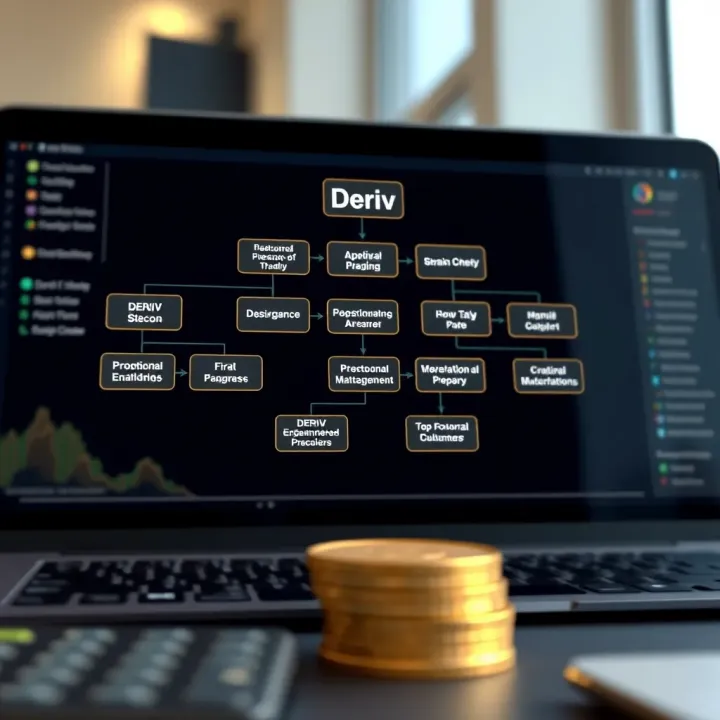
Understanding Deriv P2P Trading in Kenya
Explore Deriv's peer-to-peer trading system 🔄, its benefits, risks ⚠️, security 🔐, and tips tailored for Kenyan traders 🇰🇪 to trade smarter.
Edited By
Laura Mitchell
Shiba Inu coin has caught the eye of many investors, especially after its rapid rise and the popularity of meme-based cryptocurrencies. The fundamental question on many lips is: can Shiba Inu coin ever hit $1? This article aims to cut through the speculation and provide a grounded analysis for traders, investors, and entrepreneurs following this token.
Originally launched in 2020 as an experiment in decentralised community building, Shiba Inu branded itself as the “Dogecoin killer,” riding the wave of meme coin popularity. It grew quickly due to its low price and viral social media attention, but hitting $1 remains a much bigger challenge than hype alone can handle.

Let's be clear: Shiba Inu’s current price sits far below $1, measured in fractions of a cent. For this to change, a massive increase in market capitalisation would be needed since the coin’s supply is incredibly large. To put it simply, the total coins in existence make reaching $1 less likely without significant token burning or supply reduction.
Key point: Shiba Inu’s supply and market dynamics mean that without structural changes, such as reducing outstanding tokens, a $1 price point stays a distant prospect.
Kenyan investors should consider how market sentiment, adoption, and partnerships influence Shiba Inu’s future. Practical examples include actual use cases beyond speculative trading, such as acceptance in payment systems or ecosystem growth similar to how M-Pesa transformed Kenya’s mobile payments.
This section sets the stage to explore the coin’s background, current market status, and price drivers thoroughly. Understanding these factors will help you make informed decisions, balancing excitement against realities in the cryptocurrency space.
Understanding the background and overview of Shiba Inu coin is necessary for anyone looking to invest or analyse this cryptocurrency. Knowing its origins and how it stands out helps in grasping why it gained popularity and what potential it holds in the market. This section lays the foundation by examining the coin's inception and its unique characteristics compared to other digital currencies.
Shiba Inu coin, often called SHIB, was launched in August 2020 by an anonymous person known as Ryoshi. Its creation was inspired by the Dogecoin craze but aimed to offer a decentralized community-driven alternative. Unlike many cryptocurrencies developed by teams with public profiles, SHIB's roots are obscured, which adds an air of mystery around its development.
The token was initially distributed with a huge supply of one quadrillion coins, a strategy meant to keep individual coin prices very low, attracting retail investors in Kenya and elsewhere. Interesting to note, Vitalik Buterin, Ethereum’s co-founder, was sent a significant amount of SHIB tokens by Ryoshi, who later donated these to Indian COVID-19 relief efforts. This event brought media attention and credibility to the project.
As a community-led project, Shiba Inu’s development relies heavily on active social media engagement and decentralised proposals, setting it apart from corporate-backed cryptocurrencies. The developers introduced features such as ShibaSwap, a decentralised exchange enabling holders to stake SHIB and earn rewards, boosting utility beyond being just a meme token.
Shiba Inu’s main difference lies in its approach as a meme coin with serious ambitions. It’s not just a joke token but integrates community governance and decentralised finance (DeFi) mechanisms through ShibaSwap. For example, holders can participate in staking and swapping without relying on central exchanges, which is appealing in markets where trust and independence matter.
Additionally, SHIB operates on the Ethereum blockchain, benefiting from its security and existing infrastructure, unlike Dogecoin that runs on its own network. This means SHIB can tap into a broader ecosystem of Ethereum-based applications.
Another distinction is its massive supply, unlike Bitcoin’s capped 21 million coins. This vast supply means reaching a price of $1 would require an astronomical market capitalisation, something investors must consider realistically. However, this also means SHIB offers a low-cost entry point for new traders, especially appealing in Kenya where smaller capital often limits access to investments.
Shiba Inu started as a playful meme coin but quickly evolved into a hybrid asset combining community spirit and financial tools, making it an interesting case for modern cryptocurrency enthusiasts.
By understanding its foundation and unique traits, Kenyan investors can better assess Shiba Inu’s risks and possibilities, making informed decisions rather than following hype blindly.
Understanding the current market status and price history of Shiba Inu Coin is vital for anyone keen on predicting its future value, especially in the context of whether it can ever hit the $1 mark. These data points show how the coin has performed over time and how market forces shape its price, providing a realistic picture for traders, investors, and financial analysts.
Since its launch in August 2020, Shiba Inu Coin has experienced dramatic price fluctuations. The token began virtually worthless but hit its first big milestone in May 2021, coinciding with the broader cryptocurrency rally and Elon Musk’s tweets that hinted at support for dog-themed coins. The coin’s price peaked around KSh0.0055 (roughly $0.00005), a level far below the $1 target but still causing significant excitement for early investors. This rise was largely driven by speculative interest and mass adoption on social media platforms.
Importantly, the coin has suffered sharp corrections, often moving opposite to trends in Bitcoin and Ethereum but sometimes exhibiting exaggerated volatility. For example, after peaking in May 2021, Shiba Inu lost over 70% of its value by the end of the year, reflecting both profit-taking and heightened market uncertainty.
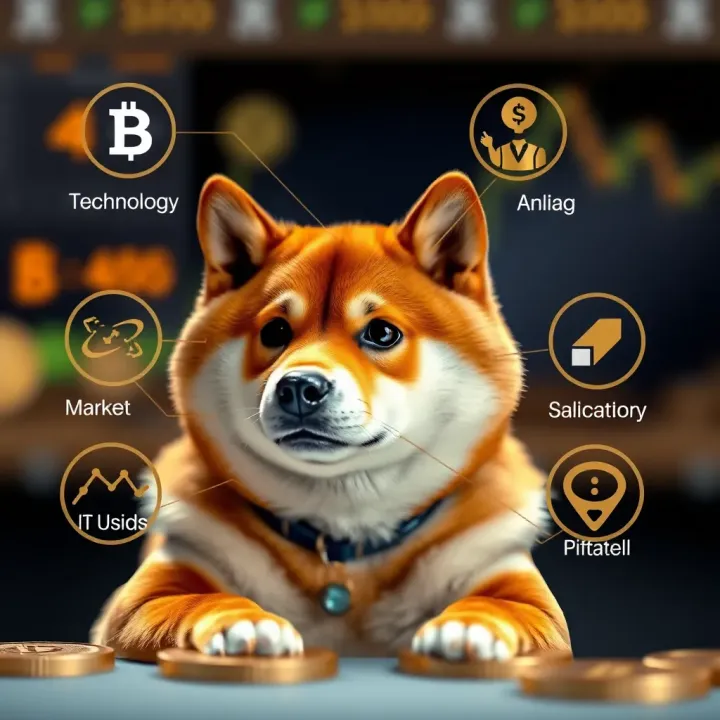
Market capitalisation reveals the total value of Shiba Inu tokens in circulation. At its peak, Shiba Inu hit a market cap of around KS.5 trillion (about $20 billion). Such figures put it among the top cryptocurrencies by value but also illustrate the massive token supply diluting individual coin worth. A high market cap can be reassuring because it signals liquidity and investor interest; however, with Shiba Inu's enormous token supply, reaching $1 would require an unrealistic total valuation.
Trading volume offers insight into the coin’s liquidity and market activity. Shiba Inu frequently shows strong trading volumes, with daily trades exceeding KS00 billion on major exchanges. This liquidity means investors can buy or sell sizeable amounts without severely impacting prices, an essential factor for any asset with ambitions of broader acceptance.
Shiba Inu’s availability on major cryptocurrency exchanges like Binance, Coinbase, and Kraken plays a key role in its market dynamics. Listing on these platforms increases the coin's visibility and accessibility to a global investor base, which often results in higher trading volumes and more stable liquidity.
Liquidity also affects price stability. Even though Shiba Inu is highly liquid compared to many smaller tokens, its price remains susceptible to rapid swings due to high speculative demand. Exchanges typically facilitate this by acting as intermediaries, allowing quick buy and sell orders which can either stabilise or intensify price swings depending on market conditions.
Without solid liquidity and widespread exchange presence, a coin struggles to gain investor confidence or real-world use. For Shiba Inu, these factors simultaneously support its market presence and pose challenges for reaching lofty price targets like $1.
In summary, Shiba Inu’s current market status and price history paint a mixed picture. While it enjoys notable market capitalisation, strong trading volumes, and exchange support, the huge token supply and price volatility significantly limit the realistic chances of reaching $1 anytime soon. Kenyan traders and investors should consider these aspects carefully before committing funds.
Understanding the factors that influence Shiba Inu coin's price is vital for anyone looking to invest or trade in this meme cryptocurrency. Unlike traditional assets, cryptocurrencies like Shiba Inu are shaped by unique forces which can cause rapid price swings. Grasping these elements helps Kenyan investors set realistic expectations and make informed decisions.
The price of Shiba Inu, like any asset, largely depends on supply and demand. Shiba Inu started with an enormous supply of one quadrillion tokens, which heavily dilutes value. When millions of tokens are available, even a small price rise needs massive demand. For example, even if a million new buyers enter the market, their impact per token might be minor due to this vast supply.
Moreover, large holders sometimes sell their coins, increasing supply on exchanges and pushing prices down. These ‘whales’ can sway the market unexpectedly, unlike traditional stocks where shares are more evenly spread. Therefore, shifts in buying interest or sudden sell-offs can dictate short-term price moves. In Kenya where many retail investors buy small amounts via platforms like Binance or Luno, understanding these supply-demand patterns is crucial.
Shiba Inu thrives significantly on its online community and social media buzz. Platforms like Twitter, Reddit, and Telegram often act as catalysts for price spikes or dips. The Shiba Inu community, sometimes called the ‘ShibArmy’, rallies behind news, memes, or celebrity endorsements, which can quickly trigger spikes in buying activity.
For instance, a celebrity tweet in support of Shiba Inu once sparked a surge in interest, causing prices to jump temporarily. However, this hype can be fleeting — social media chatter may not reflect the coin’s long-term fundamentals. For Kenyan investors, following credible news sources and not just hype on WhatsApp groups or Twitter feeds is vital to avoid impulsive decisions.
Shiba Inu does not operate in isolation; it is influenced by trends in the wider crypto market. When Bitcoin or Ethereum rise sharply, many altcoins including Shiba Inu tend to follow due to overall market confidence and liquidity.
Conversely, during market downturns, investors often pull out from riskier assets like meme coins first. For example, during the crypto crash of mid-2022, Shiba Inu’s price plummeted alongside the entire market. This interconnected movement means investors should watch global crypto news, policy changes, and market sentiment. Kenyan traders using M-Pesa to fund their crypto wallets should be aware that external economic factors and CBK’s stance on digital currencies may also affect market mood and liquidity.
In summary, price movements in Shiba Inu depend on how supply meets demand, the influence of its vibrant online community, and broader market trends. Keeping these factors in mind helps investors plan better and avoid surprises in this volatile market.
For Shiba Inu coin to reach the $1 mark, several challenging factors need to be considered. These limitations heavily influence investor expectations and the coin’s overall potential. Understanding them provides a realistic view of Shiba Inu's future in Kenya and beyond.
The total supply of Shiba Inu is exceptionally large at around 549 trillion tokens. This massive supply puts significant pressure on its price per coin. Even with increased demand, pushing the price to $1 would require an astronomical market capitalisation that few cryptocurrencies have ever approached. For example, if Shiba Inu were to hit $1, its market cap would surpass that of the entire Kenyan economy many times over. This sheer scale makes hitting $1 extremely unlikely without a major token burn (reducing supply) or other supply-side mechanisms.
Regulation plays a key role in shaping cryptocurrency markets. In Kenya, the Central Bank and Capital Markets Authority have taken cautious steps regarding crypto, mainly focusing on investor protection and money laundering prevention. However, the lack of tailored regulatory frameworks for tokens like Shiba Inu adds uncertainty. Investors face risks from potential government crackdowns or policy changes that could limit trading or use. This regulatory environment dampens the confidence needed for sustained price growth and large-scale adoption.
Shiba Inu is not alone in trying to carve out a place in the meme coin or utility token space. It competes with coins like Dogecoin, SafeMoon, and newer projects promising unique features or stronger use cases. While Shiba Inu has a large community, ongoing competition divides investor attention and capital. For instance, Dogecoin's longer market presence and wider acceptance make it a strong rival. This competition limits Shiba Inu's ability to attract the continuous investment and network growth essential for driving prices higher.
In summary, the combination of its enormous supply, uncertain regulations, and tough competition means Shiba Inu faces serious hurdles before it can approach the $1 target. Investors must balance optimism with these realities to make informed decisions.
Expert opinions and market sentiment offer valuable insights into the potential trajectory of Shiba Inu coin’s price. Analysts and experienced investors interpret available data, industry trends, and market behaviour to provide forecasts that help traders and investors make better-informed decisions. Furthermore, understanding market sentiment reveals the collective mood among investors, revealing whether optimism or fear predominates, which can influence price swings.
Industry experts often rely on technical analysis, fundamental factors, and broader economic conditions to predict Shiba Inu’s price movements. For instance, some analysts point out that for Shiba Inu to hit $1, a massive market capitalisation increase would be required, pushing it close to or beyond global giants like Bitcoin, a scenario most view as improbable given its huge supply. Others highlight developments such as ShibaSwap—a decentralised exchange for Shiba Inu tokens—as a positive sign for utility and demand. Still, many caution about the speculative nature of meme coins, which can lead to rapid price surges but also sharp declines.
Notably, crypto experts often compare Shiba Inu to Dogecoin, another meme coin, to set expectations on feasibility. Most experts agree Shiba Inu may experience price spikes triggered by hype or social media trends but warn these tend to be short-lived. For example, analyst forecasts shared on platforms like CoinDesk or Bloomberg suggest that while Shiba Inu retains strong community backing, it lacks the intrinsic value drivers to sustain a $1 price point in the near future.
Investor activity around Shiba Inu frequently follows speculative cycles. Retail traders, especially from social-media-oriented communities, buy heavily during hype phases, pushing the price temporarily higher. This behaviour is often driven by fear of missing out (FOMO), which can lead to rapid price swings not supported by fundamentals.
For Kenyan investors, this speculative pattern means caution is essential. The price can jump overnight due to viral social media posts or celebrity endorsements, but it can also collapse just as fast, wiping out gains. Unlike blue-chip cryptocurrencies, Shiba Inu’s price depends heavily on investor sentiment rather than widespread adoption or regulatory endorsement.
"Speculative trends can offer quick profits but carry high risks, especially for coins with large circulating supplies and uncertain use cases."
Understanding these patterns can help investors plan their entry and exit strategies better and avoid being caught off-guard by sudden market shifts. Active monitoring of expert opinions combined with sentiment analysis provides a more rounded picture, helping Kenyan traders decide when to act and when to stay cautious.
In summary, expert opinions and market sentiment together form crucial pillars for evaluating Shiba Inu’s future price potential. Thoughtful consideration of these elements can help investors avoid pitfalls common in the highly volatile meme coin space.
When considering Shiba Inu coin, Kenyan investors need to weigh local context with global crypto trends. Kenya's vibrant mobile money ecosystem, led by M-Pesa, makes accessing cryptocurrencies easier than in many other countries. However, the volatile nature of digital currencies means it's crucial to approach investments with both caution and knowledge.
Start by understanding what Shiba Inu represents: a meme coin with a massive supply but limited intrinsic value compared to currencies like Bitcoin or Ethereum. Since Shiba Inu is traded on major platforms such as Binance and Coinbase, Kenyan investors can acquire it using M-Pesa through partnerships with local crypto exchanges like Bitpesa or Paxful.
Investing should be part of a diversified portfolio rather than a bet on one token. For example, if you have KSh 100,000 to invest, consider allocating only a small portion (say 5-10%) to Shiba Inu coin while spreading the rest across more stable assets like equities or government bonds.
Regularly check the prices on platforms like Binance and stay updated on any announcements or changes in regulations from the Central Bank of Kenya (CBK) that might affect crypto trading.
Cryptocurrency investments come with high risk due to price swings and regulatory uncertainty. Shiba Inu’s huge supply means the price per coin is tiny, making it susceptible to sharp drops from large sell-offs or loss of community interest.
Avoid putting in money you cannot afford to lose. For instance, don’t divert funds meant for daily expenses or school fees into Shiba Inu or similar tokens. Use only verified and reputable crypto exchanges that offer good security and customer support.
Given the lack of comprehensive regulation, scams and frauds exist. Always double-check wallet addresses before sending funds and be wary of promises of guaranteed returns.
Additionally, keep track of international crypto news and local market sentiment to understand how global trends impact local prices. Joining local crypto groups or forums can be helpful, but question any hype carefully.
Having a clear exit plan is essential. Decide beforehand under what conditions you will sell—whether it's achieving a target price or cutting losses after a decline. Using tools like M-Pesa’s Lipa Na M-Pesa can make selling and cashing out smoother for Kenyan investors.
In summary, Shiba Inu coin can be part of your investment strategy but treat it as high-risk, speculative money. Being informed, cautious, and balanced will help you navigate this volatile market more safely.
Explore Deriv's peer-to-peer trading system 🔄, its benefits, risks ⚠️, security 🔐, and tips tailored for Kenyan traders 🇰🇪 to trade smarter.
🤖 Discover how binary bots operate in trading, their benefits, risks, and tips for choosing and using them wisely in Kenya's binary options market.

📈 Discover how traders in Kenya can boost their binary options trading with TradingView tools. Learn tips, avoid pitfalls, and make smarter trades today!

Explore how derivative instruments operate in Kenyan finance 📉📈, their types, risks, benefits, and why investors and businesses use them today.
Based on 8 reviews