
Understanding Deriv Cashier for Kenyan Traders
🔍 Explore how Deriv Cashier helps Kenyan traders manage deposits & withdrawals effortlessly with local payment methods, secure steps, and handy tips.
Edited By
Isabella Reed
Gold, represented as XAU, paired against the US dollar (USD), forms the popular trading pair XAUUSD. This chart reflects how much one ounce of gold costs in US dollars, a global benchmark for valuing precious metals.
For Kenyan traders, understanding the XAUUSD chart is more than just following price movements; it offers insights into market sentiment, inflation trends, and global economic health. Gold often acts as a hedge in times of currency volatility or political uncertainty — realities familiar to many in Kenya's dynamic financial world.
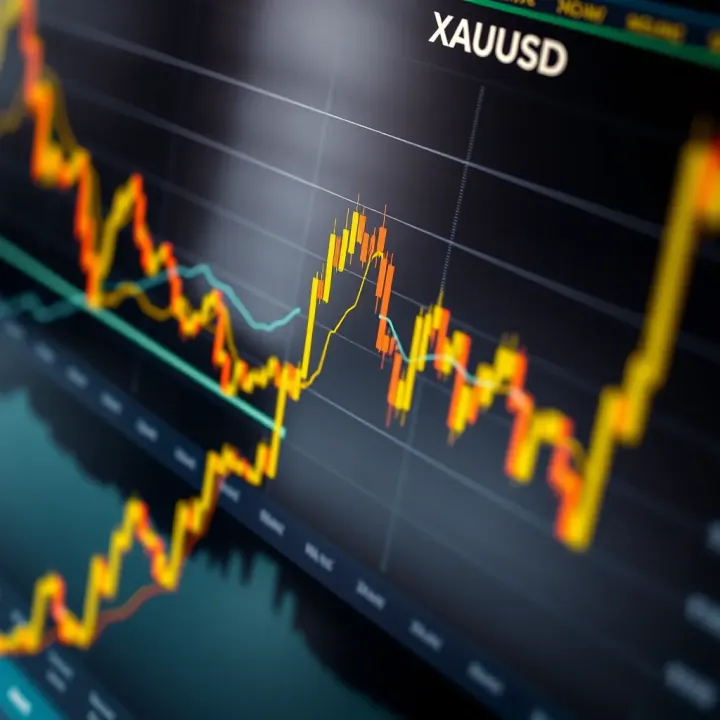
Reading the XAUUSD chart involves recognising key indicators such as candlestick patterns, support and resistance levels, and volume fluctuations. For example, spotting a hammer candlestick at a support zone might suggest a price reversal, signalling a buying opportunity. Kenyan traders using platforms like MetaTrader or Investax Kenya need to keep an eye on these details to time their trades effectively.
Several factors influence gold prices, including US Federal Reserve policies, global inflation rates, and geopolitical events. Since the Kenyan shilling is affected indirectly by these movements, traders here often watch XAUUSD as a proxy for the shilling’s purchasing power in foreign exchange markets.
Gold is not just a commodity; for many Kenyans, it serves as a store of value and a way to preserve wealth against inflation or currency depreciation.
When engaging with XAUUSD trading, Kenyan investors should also consider costs like spreads and overnight swap fees, especially if holding positions for longer periods. Leveraging tools like stop-loss orders helps manage risk in a market that can shift sharply within hours due to news from the US or Europe.
In a nutshell, mastering the XAUUSD chart equips Kenyan traders with a solid foundation to make informed decisions. By combining technical analysis with an understanding of global drivers, traders can navigate gold price swings more confidently and safeguard their investments against unexpected market shocks.
XAU is the internationally recognised code used to represent one troy ounce of gold. It’s a standard symbol in financial markets, allowing traders worldwide to communicate clearly about gold prices without confusion. For Kenyan traders, this symbol is crucial when checking prices on global platforms or comparing gold investments.
USD stands for the US dollar, which acts as the base currency in the XAUUSD pair. This means gold’s price is expressed in terms of US dollars. Since the US dollar leads global trade and finance, it’s the default for commodity pricing, including gold. Kenyans trading or investing in gold must understand the dollar’s role because fluctuations in the USD affect how much Kenyan shillings (KSh) are needed to buy gold.
The XAUUSD chart displays the price of one ounce of gold quoted in US dollars. It updates throughout trading hours, reflecting supply and demand, geopolitical events, and economic news. For example, if the XAUUSD price rises from $1,900 to $1,920, it means gold has become more expensive in dollar terms. Kenyan traders can then calculate the equivalent amount in KSh by considering the current USD/KES exchange rate to decide on buying or selling.
Gold holds value beyond mere rarity; it is seen as a safe haven during economic uncertainty. When inflation rises or political unrest occurs, investors often flock to gold fearing currency devaluation. Kenyan traders who understand this can use the XAUUSD chart to spot when gold prices are climbing, which often signals market nervousness. In times like economic slowdowns or currency instability, gold acts as a hedge to safeguard wealth.
For Kenyans especially, the XAUUSD price offers a global view of gold’s worth, helping investors gauge the right time to enter or exit the market. Unlike physical gold, which may be limited by local availability and varying purity, XAUUSD trading on digital platforms gives flexibility and liquidity. It also enables smaller capital investments, making gold accessible even to traders in Nairobi or Mombasa who might not want to hold large amounts of physical gold.
Since gold prices on the XAUUSD chart are quoted in dollars, any change in the USD/KES exchange rate impacts Kenyan buying power. For example, if the dollar strengthens against the shilling, gold becomes more expensive locally even if the XAUUSD price remains unchanged. Traders must watch both the gold price and forex movements to make smarter decisions. This dual understanding helps in avoiding surprises, especially when converting profits or planning physical gold purchases.
Understanding XAUUSD means knowing how gold interacts with global currency trends and local market conditions. This insight is vital for Kenyan traders committed to using gold charts for informed investment choices.
Reading and analysing the XAUUSD chart is essential for anyone trading gold against the US dollar, especially Kenyan traders who want to make informed decisions. This chart helps you see how gold prices move over time, so you can spot trends, anticipate shifts, and decide when to buy or sell. Knowing how to interpret different chart types and indicators can save you from costly mistakes and give you an edge in the market.
Line charts plot the closing prices of gold over a set period, forming a simple line that shows overall movement. This is the easiest chart type to understand, and it gives a clear picture of long-term trends like whether gold is generally moving up or down. Kenyan traders starting out might use line charts to get an initial feel for the market without getting overwhelmed by details.
Candlestick charts break down price action into more detail by showing the opening, closing, high, and low prices within each time interval. Each ‘candle’ has a body and wicks, visualising market sentiment — whether buyers or sellers dominated. This helps traders spot patterns like reversals or continuations. For example, a long green candle followed by a small red one could signal a pause in an uptrend, crucial info for timing trades.

Bar charts resemble candlesticks in showing open, high, low, and close prices but use vertical bars with horizontal ticks on each side. Many traders appreciate their straightforward look for quick analysis. Bar charts make it easy to compare daily volatility and price ranges, which is handy when deciding whether the market is stable enough to trade or too volatile.
Support levels mark where gold prices tend to stop falling and bounce back, while resistance levels indicate where prices stall before dropping. Kenyan traders watch these to understand where the market may change direction. For instance, if gold keeps hitting KS,000 per ounce and then rising, that’s a support level signalling good buying opportunities.
Moving averages smooth out price data over a selected timeframe, helping spot trends without daily noise. Common ones include the 50-day and 200-day averages. When the short-term average crosses above a longer one, it often signals a buying chance; the reverse suggests selling. This tool is practical for Kenyan investors looking to catch bigger trends without staring at charts all day.
Volume shows how many trades happen during a period, reflecting market interest. High volume during price moves confirms the trend’s strength. Momentum indicators, like the Relative Strength Index (RSI), measure how fast prices change, highlighting overbought or oversold conditions. Trading gold on the XAUUSD chart alongside these helps Kenyans judge whether a price move will last or soon reverse.
Successful trading relies on combining chart types with these indicators to read the market’s story and react wisely. Analysing XAUUSD charts isn’t just for experts; anyone willing to learn can improve their trading outcomes.
Understanding what drives changes in the XAUUSD price is key for Kenyan traders who want to navigate gold investments more confidently. Gold’s price against the US dollar doesn’t move randomly; it reacts to global and local forces that affect supply, demand, and currency valuations. Being aware of these factors helps traders make informed decisions rather than guesswork.
Gold often acts as a hedge against inflation. When inflation rises, the purchasing power of currencies weakens, prompting investors worldwide to turn to gold as a store of value. For Kenyan traders, watching inflation trends in major economies like the US gives signals about likely movements in XAUUSD prices.
Interest rates also play a huge role. When interest rates increase, especially in the US, holding non-yielding assets like gold becomes less attractive compared to interest-bearing investments. This typically puts downward pressure on gold prices. Conversely, lower interest rates tend to support gold prices as borrowing costs drop and investors look for safer stores of wealth.
For example, if the US Federal Reserve raises rates to fight inflation, the XAUUSD price might dip, affecting Kenyan traders’ entry or exit points.
Gold is often called a “safe haven” during times of political unrest or geopolitical risks. Events such as conflicts, trade wars, or unstable governments increase uncertainty and financial market volatility. This uncertainty drives demand for gold as investors seek protection against market shocks.
Kenyan traders should note that during crises—from global tensions like US-China trade disputes to regional instability—XAUUSD prices can spike unexpectedly. Such movements create opportunities and risks, especially when unpredictability dominates market sentiment.
Gold is priced in US dollars, so the dollar’s strength has a direct effect on gold prices. A stronger dollar makes gold more expensive in other currencies, reducing demand and pushing prices down. Conversely, a weaker dollar encourages buying, lifting gold prices.
For Kenyan traders dealing with XAUUSD, it’s useful to track the dollar’s trends against both global and local currencies. For instance, US dollar gains against the Kenya Shilling often coincide with lower gold prices in XAUUSD terms but may not reduce gold’s local appeal if the shilling weakens.
The Kenya Shilling’s value impacts how local investors perceive gold prices. Since Kenya imports most of its gold-related financial products or physical gold, a weaker shilling raises import costs, indirectly influencing local demand and prices.
Traders need to factor in currency fluctuations when assessing the true cost and profitability of gold trades. A sudden drop in shilling value against the dollar can make gold more expensive locally even if the XAUUSD price remains steady.
Africa’s gold mining sector, including countries neighbouring Kenya like Tanzania and South Africa, influences global gold supply. Mining disruptions or new discoveries can affect prices worldwide, including XAUUSD.
On the demand side, increasing interest in gold jewellery and investment products in Africa adds another layer. For Kenyan traders, following regional mining reports and demand patterns helps anticipate shifts that global charts alone might miss.
Seasonal factors such as festive periods, wedding seasons, and harvests often increase gold buying locally, reflecting cultural value placed on gold gifts. Such patterns can influence short-term price movements and market sentiment.
Besides, market mood swings driven by rumours, economic reports, or speculative interest also affect gold prices. Kenyan investors benefit from combining chart analysis with awareness of local seasonal and emotional buying trends to time their trades better.
Being alert to both global economic factors and Kenya-specific influences gives you an edge in understanding and trading the XAUUSD price.
Inflation rates and US policy changes
Political events causing market jitters
US dollar trends vs Kenya Shilling
Local import costs and mining news
Cultural buying patterns and market mood
With this knowledge, you can better interpret XAUUSD chart moves and plan your entries or exits to protect investments or maximise gains.
Trading or investing in gold via the XAUUSD chart demands more than just knowing the basics of price movements. Practical tips help Kenyan traders navigate the market with confidence, reducing risks while maximising gains. This section focuses on key steps such as choosing reliable brokers, managing payment options familiar to locals, and handling market risk effectively.
Kenyan traders should always pick brokers licensed by the Capital Markets Authority (CMA). This regulation ensures the broker follows set standards for fairness, client fund security, and transparent transactions. Working with an authorised broker prevents falling prey to scams or dubious schemes. For example, brokers like AIB-AXESS and EGM Securities are CMA-licensed and popular among Kenyan clients, providing both credibility and peace of mind.
Since M-Pesa dominates Kenya's mobile money scene, brokers that accept payments through M-Pesa simplify the deposit and withdrawal process. Traders can fund their accounts quickly and securely without bank delays. Some platforms also accept local bank transfers, cards, or services like Airtel Money, catering to diverse needs across Kenya. This integration makes trading accessible even for users outside Nairobi or those without bank accounts.
Having up-to-date price information is vital when trading XAUUSD to spot entry and exit points. Reliable platforms provide live charts and updated indicators throughout the trading day. Kenyan traders often use platforms like MetaTrader 4/5 or web-based tools offering minute-by-minute updates. Quick access to such data means reacting swiftly to price spikes or dips, improving trading outcomes significantly.
Risk management starts with choosing specific stop loss (SL) and take profit (TP) points to automatically close trades. For instance, if you buy gold at $1,900 per ounce, you might set a stop loss at $1,880 to limit losses and a take profit at $1,930 to lock gains. This strategy protects against unexpected price swings, especially when the market moves against your position while you are offline or sleeping.
Gold prices react fast to world events—US economic reports, inflation data, or geopolitical tensions often drive sudden changes in XAUUSD. Kenyan traders should follow international news sources and economic calendars regularly. This vigilance helps anticipate shifts before they appear on charts, allowing traders to adjust positions or avoid risky trades.
Staying informed about global events is just as critical as technical analysis for successful gold trading.
Many traders, especially beginners, fall into traps like overtrading, chasing losses, or ignoring fundamentals. For example, attempting to trade gold on margin without understanding leverage risks can wipe out an account quickly. Setting realistic goals and sticking to a trading plan helps avoid emotional decisions driven by greed or fear. Focus on gradual gains rather than quick profits and learn continuously from market behaviour.
By following these practical tips, Kenyan traders can use the XAUUSD chart efficiently to make better trading decisions and protect their investments against unpredictable market moves.
Using the XAUUSD chart to inform your personal finance choices can greatly improve how you manage wealth, especially given gold's role in Kenyan markets. By reading price trends and market signals, you can better decide when to add gold to your portfolio or use it as a hedge against inflation and currency risks. This approach goes beyond pure trading—it helps you preserve and grow your wealth with practical insights.
Balancing risk with other asset classes is vital when investing in gold. Gold often behaves differently from stocks or bonds, sometimes moving opposite to the Nairobi Securities Exchange (NSE) trends. For example, during times of political tension or currency volatility in Kenya, gold prices might rise while equities fall. Having some portion of your investments in gold can smooth out losses in riskier assets, helping your overall portfolio stay more stable.
When to buy gold based on chart trends comes down to spotting key signals like support and resistance or moving average crossovers on the XAUUSD chart. Suppose the price repeatedly tests a support level but does not drop below it. That could indicate a good entry point. Conversely, if gold prices break through resistance, this might signal a strong upward move worth buying into. Kenyan traders can time purchases better by combining these signals with knowledge of local economic conditions, such as inflation rises or shilling depreciation.
Considering long-term vs short-term investments means knowing your goals. Long-term buyers often hold gold to protect against currency erosion or inflation over years, aiming to maintain purchasing power for retirement or school fees. Short-term traders might focus on price swings revealed by daily charts to profit in weeks or months. Both approaches need careful analysis of XAUUSD movements but serve different financial needs for Kenyan investors.
Gold ETFs and mutual funds offer a simpler way for Kenyans to invest in gold without dealing with physical storage or security issues. These funds track the price of gold and trade on stock exchanges, including the NSE. For example, the NewGold ETF is popular for Kenyan investors. Investing in these products provides exposure to gold's price movements while offering liquidity and ease of access.
Digital gold platforms available locally are growing, with apps allowing purchases as small as KS00. These platforms hold gold on behalf of users, providing instant trade and redemption options. For Kenyans without large sums to invest upfront, digital gold offers convenience and flexibility, plus secure ownership recorded on digital ledgers.
Pros and cons compared to direct trading involve trading costs, convenience, and control. Buying physical gold or trading XAUUSD contracts offers full control but requires secure storage, higher capital, and understanding of the market. ETFs and digital gold lower the entry barriers and improve liquidity but might include management fees and limit immediate physical possession. Kenyan investors should weigh these factors based on their budget, risk tolerance, and investment horizon.
Using the XAUUSD chart alongside alternatives like ETFs or digital gold enables Kenyan investors to create personalised strategies—balancing safety, growth, and accessibility to meet individual financial goals effectively.
🔍 Explore how Deriv Cashier helps Kenyan traders manage deposits & withdrawals effortlessly with local payment methods, secure steps, and handy tips.

Explore D Trader's top features and benefits tailored for Kenyan traders 🇰🇪. Learn how to start, manage risks, and trade in multiple markets confidently 📈.
📊 Master chart patterns with our practical guide! Learn their types, analysis tips, and find reliable PDF resources to boost trading success in Kenya.

🔐 Learn how Kenyan traders can log in securely to Deriv X, troubleshoot issues, and make the most of the platform with mobile access and support tips.
Based on 6 reviews