
Binary Derivatives Explained: Uses and Methods
Explore binary derivatives 🔢, their math basics, uses in computing & finance 💻💰, plus key techniques in Kenya's industries for smart risk management.
Edited By
Matthew Clarke
Peer-to-peer (P2P) derivatives are gaining traction as innovative financial tools that cut out traditional middlemen like brokers or clearinghouses. In simple terms, these are contracts directly negotiated between two parties to manage risk, speculate, or hedge without going through a bank or exchange. Kenya's financial sector, rapidly embracing technology and digital finance, is ripe for P2P derivatives, especially with growing interest from individual traders, institutional investors, and fintech startups.
These derivatives can take many forms—from swaps and forwards to options—but the defining feature is direct interaction between participants. For example, a small business owner in Nairobi might enter a forward contract with a farmer in Narok to fix maize prices ahead of harvest, avoiding market fluctuations and costly intermediaries.
Unlike standard derivatives traded on regulated exchanges, P2P derivatives demand a clear agreement on terms and conditions between the parties. This means both sides need sound legal frameworks and trust mechanisms, often facilitated by smart contracts or blockchain platforms, which are increasingly popular in Kenya’s digital finance scene.
Direct contracts in P2P derivatives offer flexibility and cost savings, but they also bring increased counterparty risk and require robust dispute resolution.
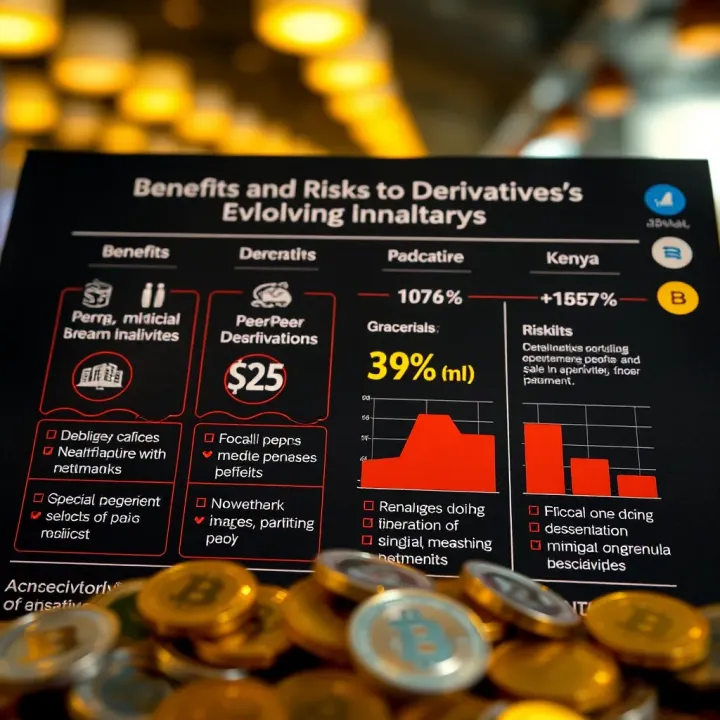
Key benefits include:
Lower transaction costs: No fees to brokers or clearinghouses.
Tailored contracts: Parties customise terms to suit their specific needs.
Market accessibility: More players, including smaller investors, can participate.
However, risks are notable:
Counterparty risk: The chance the other party defaults on agreement.
Liquidity challenges: Fewer participants may make exiting positions difficult.
Regulatory gaps: Kenyan regulators are still adapting rules to cover these newer instruments.
Understanding P2P derivatives means recognising this trade-off between flexibility and risks. For traders and investors in Kenya, grasping how these contracts operate can open doors to new opportunities while demanding careful risk management and legal backup.
By exploring the types, benefits, practical examples, and regulatory frameworks shaping P2P derivatives today, readers will gain clear insight into this growing area reshaping financial markets locally and beyond.
Peer-to-peer (P2P) derivatives are transforming how financial contracts are made and settled. Unlike traditional derivatives that involve banks or brokers as middlemen, P2P derivatives let parties interact directly, trimming costs and speeding up transactions. This shift matters especially in markets with limited access to expensive intermediaries, like Kenya’s growing financial sector, where smaller investors and SMEs seek simpler tools to manage risk.
Derivatives are contracts whose value depends on an underlying asset, like commodities, stocks, currencies, or interest rates. They let investors hedge against price swings or speculate on market moves without owning the actual asset. For instance, a Kenyan tea farmer might use a derivative contract to lock in a selling price ahead of harvest, protecting against price drops.
Traditional derivatives usually depend on intermediaries — banks or clearinghouses — to match parties and manage risk. This adds time and fees. P2P models remove these middle players. Instead, buyers and sellers connect directly, sometimes through online platforms, which can lower costs and offer real-time transparency. This is especially useful for smaller investors who traditionally faced barriers entering derivatives markets.
Several fintech startups are pioneering P2P derivative platforms. For example, some blockchain-based systems allow users in Kenya and beyond to create and trade swaps or options without brokers. PeerStreet and Synthetix are global examples of platforms enabling such direct contracts, though Kenyan-specific innovations are emerging, often integrating with mobile money systems to enhance accessibility.
In P2P derivatives, two parties agree directly on contract terms — like price, duration, and underlying asset — without relying on a middleman. This direct engagement demands trust or mechanisms to reduce default risks, such as collateral. It brings flexibility, allowing contracts to better suit the specific needs of participants.
Technology plays a key role, particularly smart contracts, which are self-executing programmes stored on blockchain networks. These automate the enforcement of contract terms, releasing payments or settling contracts only when agreed conditions are met. For instance, Kenyan traders could use smart contracts that automatically settle payments upon reaching a commodity price threshold, reducing delays and disputes.
Without clearinghouses, settlement happens peer-to-peer, often through automated systems that verify contract terms and execute payments instantly. This shortens the settlement cycle significantly compared to traditional markets, where delays are common. Using mobile money like M-Pesa integrated into these platforms boosts convenience for Kenyan users, enabling quicker fund transfers immediately after contract execution.
P2P derivatives combine direct engagement with technology to lower costs, speed up transactions, and open derivative markets to a wider audience, offering real potential for Kenya’s financial ecosystem.
By understanding what P2P derivatives are and how they function, investors and traders in Kenya can better grasp how these tools fit into risk management and investment strategies without depending on banks or brokers.
Understanding the types of peer-to-peer (P2P) derivative contracts is key to grasping how this market segment operates and what it offers. These contracts reshape traditional financial instruments by directly connecting buyers and sellers, cutting out brokers and clearinghouses. This direct approach can lower costs and increase accessibility for smaller investors and traders, especially in emerging markets like Kenya.
Swaps and options are among the classic derivatives that have found new life within P2P trading. Swaps typically involve exchanging cash flows or assets between two parties based on agreed terms. In a P2P setting, two traders can directly enter into an interest rate swap without a bank acting as an intermediary, which reduces fees and settlement delays. For example, a Nairobi-based exporter could swap foreign currency risk with another trader directly, instead of negotiating through larger financial firms.
Options in the P2P world give buyers the right, but not the obligation, to buy or sell an asset at a predetermined price within a specific period. This can empower retail investors who want to hedge their risks or speculate without committing fully upfront. Thanks to P2P platforms, option contracts can be customised more flexibly than the standardised versions in traditional markets.
Futures contracts obligate parties to buy or sell an asset at a set price on a specific future date. On P2P platforms, these contracts allow individuals or SMEs in Kenya to hedge against volatile prices in commodities like maize or coffee. Instead of relying on large brokers, farmers and traders can arrange contracts directly among themselves, often securing better terms and faster execution.
The direct nature of P2P futures reduces reliance on central clearing, which can be expensive and slow. However, parties must be careful to manage counterparty risk, possibly by agreeing on collateral or escrow arrangements. This has practical importance for local commodity markets where price swings can impact incomes drastically.
Beyond adapting traditional contracts, P2P markets sometimes generate unique derivative forms. For example, Kenyan fintech innovators might introduce contracts linked to mobile money transaction volumes or real estate rental yields, tailor-made for local investors’ needs. Such derivatives can offer novel ways to diversify portfolios or manage cash flows.
These new structures often combine real-time data feeds with customised risk-sharing terms between peers, enabling creative risk management solutions. While promising, such products demand solid legal backing and clear operational rules to avoid disputes and ensure smooth settlements.
Blockchain technology brings a fresh dimension to P2P derivatives by making every transaction traceable and immutable. This transparency helps build trust among participants who might not know each other personally or operate in different jurisdictions.
In Kenya, where trust in formal financial intermediaries can be shaky, blockchain records provide a public ledger that confirms contract terms and trades. This can lead to safer and more transparent deals, crucial for attracting local investors to complex financial products.
Smart contracts automate the execution of derivative contracts on blockchain platforms. They release payments or perform asset transfers automatically when predefined conditions are met, reducing the scope for delays, disputes, or breaches.
For instance, a smart contract could ensure that a Kenyan coffee farmer’s payment only processes after shipment confirmation, protecting both buyer and seller. By removing manual oversight, these contracts make P2P derivatives quicker and cheaper to manage.
Despite their potential, crypto-based P2P derivatives carry specific risks. Price volatility is notoriously high in cryptocurrencies, so contracts tied to digital assets can swing wildly in value. Moreover, security vulnerabilities such as hacking or bugs in smart contract code can lead to losses.
Regulatory ambiguity also clouds the crypto space in Kenya and beyond. Participants may face legal uncertainty, and platforms must work hard to comply with evolving financial regulations. It’s crucial for traders and investors to understand these risks fully before engaging with crypto P2P derivatives.
P2P derivative contracts offer exciting opportunities by cutting out middlemen, but they also require careful handling of counterparty risks, technological safeguards, and regulatory compliance to protect all parties involved.
Peer-to-peer (P2P) derivative trading reshapes how investors and traders engage with financial contracts by cutting out middlemen. This model fosters a more direct connection between counterparties, which brings several important benefits, especially in markets like Kenya where traditional financial infrastructure can be expensive and exclusionary.
One major draw of P2P derivatives is the lower fees from removing intermediaries. Traditionally, banks, brokers, or clearinghouses add layers of fees to handle trades or contracts. P2P platforms slash these overheads by enabling parties to transact directly. For instance, a small-scale Kenyan farmer looking to hedge maize prices could enter a swap agreement with a local trader via a P2P platform, avoiding charges common in formal trading venues. These savings make derivatives trading more affordable, increasing participation.
Alongside reduced costs, P2P models open markets for smaller investors who might otherwise lack access. Conventional derivatives require significant capital and institutional backing, putting them out of reach for many Kenyan individuals and SMEs. But digital P2P platforms often allow smaller contract sizes and flexible terms, allowing budding investors or micro-enterprises to hedge risks or speculate without heavy upfront costs. This inclusiveness democratizes financial tools, offering practical ways to manage market uncertainties even on a modest scale.
Another key benefit is the impact on liquidity. By broadening the pool of participants and removing bottlenecks, P2P derivatives can improve liquidity—meaning assets and contracts are easier to buy and sell without major price swings. Although liquidity can still be limited compared to bigger exchanges, local P2P platforms in Kenya are expanding quickly, especially for commodities like coffee and tea, bolstered further by mobile money integration. This liquidity boost supports smoother price discovery and reduces costs tied to less active markets.
Technology underpins better transparency in P2P derivatives by ensuring clear contract terms that all parties can verify. Automated smart contracts codify the deal's conditions, including settlement rules and triggers. Kenyan P2P platforms often display contract details openly via apps or websites, so investors can confirm terms without needing to trust an intermediary. This clarity helps prevent disputes and builds confidence.
Deals on P2P platforms also benefit from faster execution and settlement times. Without waiting for traditional middleman approval, transactions can complete within minutes or seconds. This speed is vital in fast-moving markets like forex or commodity prices, where delays can undermine hedging effectiveness. For Kenyan businesses trading in agricultural futures, quick settlements through mobile-connected platforms enable timely financial planning and cash management.
Lastly, real-time monitoring is a practical advantage that enhances risk management in P2P derivatives. Investors and traders can track contract performance, collateral requirements, and price movements instantly, often through mobile apps. This immediate feedback loop allows swift responses to market changes—say a sudden spike in tea prices—helping Kenyan farmers or exporters make informed choices without waiting for end-of-day reports.
In sum, peer-to-peer derivatives bring cost cuts, broaden access, improve liquidity, and harness technology for clearer and faster trading. These benefits align well with Kenya's growing digital economy and offer fresh tools for managing financial risks on a local and accessible scale.
Navigating the risks and challenges linked to peer-to-peer (P2P) derivatives is essential for anyone involved in this space. While P2P models reduce costs and improve transparency by cutting out traditional middlemen, they also bring new vulnerabilities that traders and investors must understand. The risks mainly revolve around counterparties, regulation, and operational hurdles that can affect profitability and market confidence.
One major risk in P2P derivatives is the possibility of default by one party since there’s no clearinghouse or intermediary to guarantee trades. For instance, if a Kenyan smallholder farmer enters a derivative contract directly with a commodity trader through a P2P platform, and the trader fails to honour payment obligations, the farmer may face losses without easy recourse. This is quite different from traditional derivatives where intermediaries often manage default risks.
To reduce this threat, many P2P platforms require users to post collateral or use escrow accounts. Collateral serves as a security deposit that either party must lock in before trading, lowering the risk of non-performance. In Kenya, innovations integrating mobile money like M-Pesa escrow services have made it simpler for small investors and SMEs to engage in such contracts by ensuring funds are held securely until obligations are met. However, collateral management must be transparent and reliable to stay effective.
Legal enforceability also poses a challenge. Many P2P derivatives are executed via smart contracts or informal agreements that may not always be recognised under Kenyan law or international standards. This raises concerns around dispute resolution when either party fails to observe the contract terms. Without clear legal frameworks, investors might hesitate to commit significant resources to P2P derivatives. Therefore, aligning P2P derivative contracts with recognised legal systems and developing local precedents is important for confidence-building.
Kenya’s financial market regulators, including the Capital Markets Authority (CMA) and Central Bank of Kenya (CBK), are still adapting to innovations like P2P derivatives. This uncertainty affects how these instruments are monitored and governed. Internationally, frameworks vary widely, with some countries imposing strict rules while others take a more lenient approach. For traders and investors operating cross-border, understanding applicable laws is crucial to avoid compliance pitfalls.
Oversight remains challenging because P2P derivatives lack centralised intermediaries who traditionally report trades to regulators. This can hinder monitoring for market abuse, fraud, or systemic risks. Kenyan authorities face the task of devising effective supervision models that balance innovation with protection. Regular audits, transparent platform operations, and user education could help close this gap.
Security risks are another key operational concern. P2P platforms rely heavily on technology, especially blockchain and smart contracts, which attract hacking attempts and fraud schemes. Poorly designed platforms may expose traders to theft of collateral or manipulation of contract terms. Therefore, rigorous security protocols, encrypted transactions, and fraud prevention systems are vital to safeguarding users’ funds and maintaining trust.
Even though P2P derivatives open up new trading possibilities, managing risks such as default, unclear regulation, and security threats determines whether this innovation benefits the market or creates pitfalls.
Understanding these risks allows traders, investors, and entrepreneurs in Kenya’s financial sector to use P2P derivative tools smartly and stay protected from avoidable losses.
Peer-to-peer (P2P) derivatives are gaining traction in Kenya as practical tools to manage financial risks, especially in sectors vulnerable to price volatility. Their direct, tech-driven nature offers fresh opportunities for farmers, traders, small businesses, and retail investors to engage in hedging and speculation without the traditional hurdles posed by intermediaries.
Farmers in Kenya often face unpredictable prices for crops like maize, coffee, and tea. P2P derivatives can help these producers lock in prices before harvest, reducing uncertainty. For example, a maize farmer in Uasin Gishu can agree directly with a grain trader on a futures contract via a P2P platform, guaranteeing a fixed price for the crop to be delivered later. This arrangement spares them from suffering if prices plunge after harvest.
Similarly, traders gain confidence knowing their purchase or sale prices are pre-agreed, improving cash flow planning. Since P2P platforms can link directly with mobile money services like M-Pesa, these contracts become accessible even to players outside formal financial institutions.
Kenya’s commodity market, including products like tea, coffee, and sugar, is regularly exposed to global price swings. P2P derivatives offer a solution for local processors and exporters to hedge against these fluctuations. By entering into swap agreements on P2P platforms, they can stabilise costs and revenues.
For instance, a tea estate in Kericho could swap risk with an exporter, agreeing on a fixed price over the contract period. This arrangement allows both parties to budget confidently despite global market volatility. Unlike conventional derivatives, P2P contracts reduce brokerage fees and administrative delays, making hedging more affordable.
Mobile money is a backbone of Kenya’s fintech scene. Integrating P2P derivatives with platforms like M-Pesa facilitates seamless payments, collateral management, and contract settlements. This integration bypasses the need for bank guarantees or physical contracts, making derivative trading faster and more inclusive.
For instance, a coffee trader in Meru can fund their derivative position via M-Pesa instantly, while the farmer receives payments directly upon contract settlement. This reduces transaction costs and builds trust through transparent permanent records on mobile wallets.
Traditionally, derivatives require significant capital and connections to participate. P2P models lower this barrier by allowing small and medium enterprises (SMEs) and retail investors to enter contracts with manageable margins or bundled small contracts. This democratises access, letting more Kenyans protect their businesses or speculate for profit.
For example, a Nairobi-based textile SME can hedge against foreign currency fluctuations affecting imported fabrics through a P2P derivative with a counterpart. This prevents sudden cost spikes without needing bulky, expensive contracts.
P2P derivative platforms can double as educational tools. Straightforward interfaces combined with mobile access encourage new users to learn about risk management, contract terms, and market behaviours. Awareness-building campaigns and embedded tutorials help investors make informed decisions.
As familiarity grows, more entrepreneurs and investors will recognise derivatives as practical tools rather than complex instruments reserved for banks, paving the way for wider market participation and financial resilience.
Kenya’s growing fintech ecosystem supports P2P derivatives through startups and established firms exploring blockchain and smart contracts. Platforms like BitPesa focusing on foreign exchange and new players targeting commodity markets hint at a vibrant future.
We can expect government agencies and regulators like the Capital Markets Authority (CMA) to set clearer guidelines soon, fostering trust and security. As platforms mature, user-friendly services tailored to Kenyan realities will attract more participants, driving liquidity and expanding the markets.
P2P derivatives, paired with mobile money and local market knowledge, offer practical solutions for managing risks in Kenya’s dynamic economy. Their direct access and affordability position them as valuable tools for farmers, traders, SMEs, and individual investors seeking financial control and opportunity.
Explore binary derivatives 🔢, their math basics, uses in computing & finance 💻💰, plus key techniques in Kenya's industries for smart risk management.
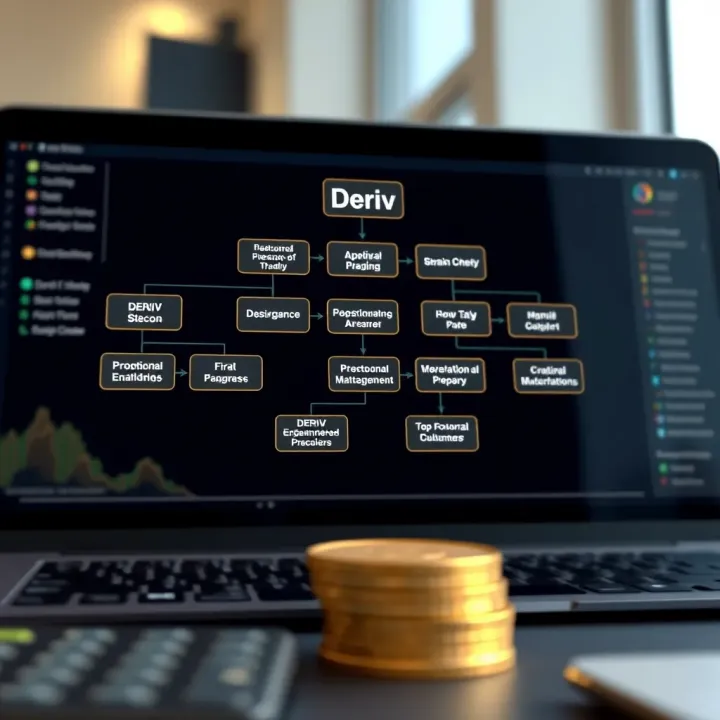
Explore Deriv's peer-to-peer trading system 🔄, its benefits, risks ⚠️, security 🔐, and tips tailored for Kenyan traders 🇰🇪 to trade smarter.
Explore how derivative instruments operate in Kenyan finance 📉📈, their types, risks, benefits, and why investors and businesses use them today.
Explore Deriv trading in Kenya 📈! Learn platform features, trade types, risk strategies & expert tips to trade smartly and safely. Start with confidence! 💼
Based on 7 reviews