

Understanding Forex Chart Patterns: A Practical Guide
📈 Learn to spot key forex chart patterns & make smarter trading choices. Get practical tips + PDF guides to sharpen your skills in the forex market.
Edited By
Matthew Clarke
Forex trading in Kenya has gained momentum over the years, with many traders looking for ways to improve their market strategies. One practical method is understanding forex chart patterns. These patterns give clues about likely price movements, helping traders make better decisions rather than relying on guesswork.
A chart pattern is essentially a shape or formation that appears on price charts over time. These can hint at whether the price will go up, fall, or stay sideways. Common patterns include head and shoulders, double tops and bottoms, flags, and triangles. Each has its own story about market sentiment and momentum.
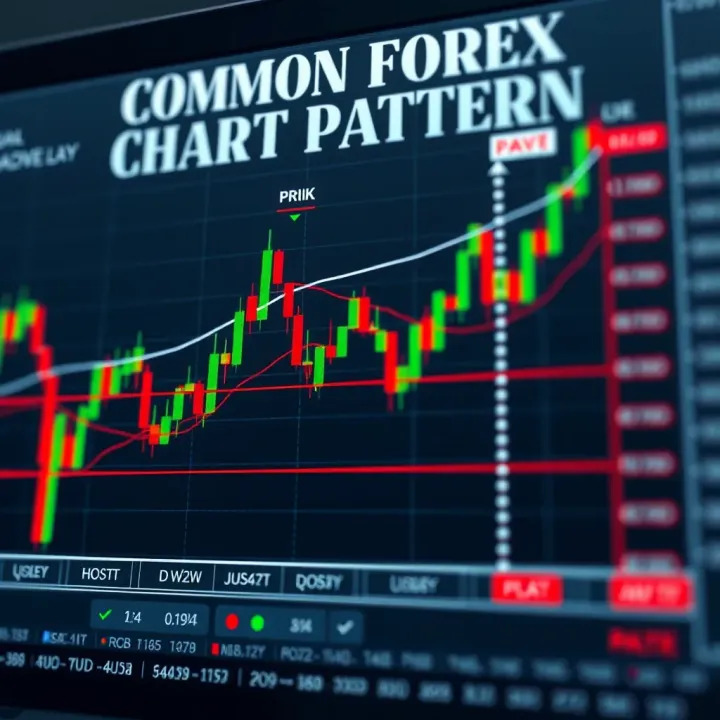
Recognising these patterns correctly can save you from costly mistakes and help you time your trades well.
For instance, the "head and shoulders" pattern often signals a market reversal. If you spot it forming on daily charts of the USD/KES pair, it might suggest the current uptrend is losing steam and prices could drop soon. That insight is valuable to decide when to exit a position or tighten stop losses.
Finding reliable free PDF resources that explain these patterns in depth is also crucial. Many Kenyan traders share educational materials on forums and websites, but not all are trustworthy or easy to understand. Look for PDFs from reputable sources like the Kenya Forex Institute or established brokers who offer tutorials tailored to African markets.
When accessing free PDFs:
Make sure the content is up to date with current market terminology
Verify that examples are relevant to your trading style
Avoid downloads that require suspicious permissions or contain ads
By combining pattern knowledge with credible resources, you boost your chances of consistent gains. Practise analysing charts regularly and cross-reference your findings with PDF guides to cement your understanding.
In summary, forex chart patterns form the backbone of technical analysis for many Kenyan traders. Pair this with free PDFs from trusted sources to deepen your learning and trade confidently in the dynamic forex market.
Forex chart patterns serve as visual cues that traders use to understand market behaviour. Essentially, they represent recurring shapes on currency price charts, which reflect the collective emotions and decisions of market participants. These patterns help traders anticipate where prices might head next. For instance, a well-known pattern like the "head and shoulders" often signals a potential reversal from an uptrend to a downtrend, giving traders a chance to exit or short the market before losses escalate.
At their core, forex chart patterns illustrate the tug-of-war between buyers and sellers. They capture moments of consolidation, breakouts, and reversals, which reflect shifting market sentiment. Taking the example of a "triangle" pattern, it indicates a phase where the price range narrows due to indecision, but eventually, the price breaks out sharply once a consensus emerges. Through these patterns, traders get a snapshot of supply and demand dynamics, helping to highlight potential entry or exit points.
Chart patterns are vital tools within technical analysis, offering insights beyond basic price movements. They enable traders to forecast near-future price directions based on historical repetition. In Kenya's forex market, where sudden shifts often happen due to geopolitical or economic news, recognising patterns can equip traders with early warning signals. Moreover, pairing these patterns with other indicators like Relative Strength Index (RSI) or Moving Averages can improve decision accuracy. For example, spotting a bullish flag pattern alongside RSI rising from oversold levels strengthens the case for a buy opportunity.
Understanding and applying forex chart patterns doesn't guarantee profits but significantly enhances the ability to read market moods and shape smarter trades.
When properly understood, these patterns can serve both short-term traders spotting intraday opportunities and long-term investors assessing bigger trend shifts. Keep in mind that no pattern works in isolation; context, confirmation signals, and prudent risk management remain important pillars of successful trading.
Forex chart patterns are key tools for identifying potential market movements. Understanding these patterns helps traders spot when a trend is likely to continue or reverse, giving them an edge in making informed decisions. This section breaks down common patterns and shows how you can recognise and apply them.

Triangles are a classic example of trend continuation. They form when price action narrows between converging trendlines, creating a shape that looks like a triangle. In an uptrend, an ascending triangle suggests the market could break higher as buyers gain strength. Conversely, a descending triangle in a downtrend signals sellers might push prices further down. For example, if the EUR/USD pair forms an ascending triangle after a steady rise, a breakout above the resistance line may indicate a good point to enter a buy trade.
Flags and Pennants also signal that the prior trend is set to continue. Flags appear as small rectangles leaning against the prevailing trend, while pennants are tiny symmetrical triangles. They usually pop up after a sharp price move and reflect a brief pause before the trend resumes. Say you see a strong bullish run on the GBP/USD pair followed by a flag pattern; a breakout from this consolidation often leads to another upward burst, putting traders in a prime spot to ride the momentum.
Head and Shoulders is among the most reliable reversal patterns. It appears after a strong trend and looks like three peaks: a higher peak (the head) flanked by lower peaks (the shoulders). When the price breaks below the support “neckline,” it often marks a switch from bullish to bearish. For instance, if the USD/JPY shows this pattern after climbing for weeks, traders can anticipate a downtrend and prepare to sell.
Double Tops and Bottoms indicate a failed attempt to break past a resistance or support level twice. A double top suggests declining upward momentum and may lead to a price drop, while a double bottom signals the opposite—with potential for prices to rise. For practical use, spotting a double bottom on an African currency pair like the KES/USD could hint at a buying opportunity once the price breaks above the local resistance level.
Rectangles are sideways price ranges where the market bounces between clear support and resistance levels. They represent periods of indecision before a breakout. A trader watching the NZD/USD might use this pattern to decide when to buy or sell as prices approach the rectangle’s bounds with strong volume.
Wedges are patterns where trendlines slope either upwards or downwards, tightening over time. Falling wedges commonly signal a bullish reversal, while rising wedges hint at bearish reversals. Watching these on the USD/CHF pair, a falling wedge after a dip might encourage traders to enter long positions, expecting prices to climb.
Recognising these common forex chart patterns and understanding their practical signs can boost your trading by indicating when to hold, buy, or sell positions. Patterns give structure to the often chaotic forex market, providing clearer entry and exit points.
With these basics, traders can approach chart analysis with greater confidence, especially when combined with other tools and good risk management.
Forex chart patterns help traders see potential market moves and decide when to buy or sell currency pairs. Using these patterns wisely improves your chances of picking profitable trades while cutting losses. The key lies in recognising patterns across different time frames, pairing them with other technical indicators, and managing risks properly.
Chart patterns can look different depending on the time frame you check. For example, a head and shoulders pattern on a daily chart might indicate a major trend reversal, while a similar shape on a 15-minute chart could signal a brief correction. Traders should match the time frame with their trading style. Scalpers favour short-term patterns on 1 to 5-minute charts, while swing traders lean on daily or 4-hour charts to identify bigger moves. Mixing time frames helps too: spotting a pattern on a weekly chart and confirming it on a daily chart adds confidence to your trade.
Relying on chart patterns alone can be risky. It’s wise to use them alongside indicators like Moving Averages, Relative Strength Index (RSI), or MACD (Moving Average Convergence Divergence). For example, if a double bottom pattern appears and RSI shows oversold conditions, this combo reinforces a likely price bounce. Similarly, a breakout from a triangle pattern confirmed by high trading volume and rising MACD signals stronger momentum. This blend of signals refines entry and exit points, reducing guesswork.
Even the best chart patterns are not guarantees. Risk management safeguards your capital when predictions fail. Set stop-loss orders near pattern boundaries to limit losses. For instance, if trading a head and shoulders pattern, placing a stop slightly above the right shoulder protects against false breakouts. Position sizing matters too: only risk a small percentage of your trading funds on any one trade to survive losing streaks. Keep a trading journal to review pattern successes and mistakes, helping you adjust strategies over time.
Forex chart patterns can guide your trades effectively, but success depends on recognising them across time frames, checking other indicators, and managing risks carefully.
Using these approaches brings discipline and clarity to your trading decisions, making forex chart patterns practical tools rather than mere guesswork.
Accessing free PDF resources on forex chart patterns offers traders and analysts a practical way to deepen their understanding without incurring extra costs. In Kenya's forex market, where traders often juggle multiple hustles, having a reliable study material at hand saves both time and money. These PDFs serve as handy references to revisit complex patterns or confirm insights before making trading decisions.
Finding trustworthy PDFs starts with knowing where to look. Established forex education platforms, such as Babypips or Investopedia, often provide downloadable guides that cover chart patterns comprehensively. Locally, brokers registered with the Capital Markets Authority (CMA) sometimes share free educational resources on their websites. Universities and training centres offering finance courses occasionally publish materials accessible to the public. Always prefer sources that demonstrate clear authorship and updated content, rather than random duka websites or unverified blogs.
Not all free PDFs hold equal value. High-quality charts should include clear examples, defined terms, and explanations tailored to different skill levels. Look for resources that update their data regularly and explain trading strategies within Kenyan or East African market contexts. Check the document's publication date; out-of-date materials might miss recent market developments or new patterns emerging. Reviews and feedback from other traders on forums or community groups can also help identify trustworthy PDFs.
Avoid downloading PDFs from suspicious sources to prevent malware or scams. Always scan documents before opening.
To make the most of these PDFs, treat them like a workbook rather than casual reading. Print key pages or highlight important points on screen for quick review. Combine your reading with charting software or trading platforms where you can spot the patterns live. Schedule regular study sessions to build familiarity gradually instead of cramming. Finally, discuss findings with peers or mentors through online groups or local trading clubs to reinforce understanding and get fresh perspectives.
Accessing and using free PDF resources correctly helps you sharpen your chart reading skills, which can improve your trading accuracy and confidence. Remember, these tools supplement real market experience and should be part of a wider learning plan.
When exploring free PDF resources on forex chart patterns, it's vital to exercise caution. These materials can offer valuable insights, but not all of them maintain high standards or relevance to current market conditions. Understanding the risks helps you avoid wasting time or falling into traps that might mislead your trading decisions.
Many free PDFs available online date back several years and might not reflect the current forex market dynamics. For example, a guide referencing trading software or brokers no longer in use can confuse a trader relying on that information today. Additionally, poor-quality content—such as unclear diagrams or imprecise pattern explanations—can cause misunderstandings. To guard against this, verify the publication date and cross-check key points with recent, trusted sources before applying any strategies.
Some sites offering free forex PDFs might hide malware or phishing attempts within the download links. It is common to encounter suspicious pop-ups asking for personal details or unexpected software installations. Always use reputable platforms or official educational websites when downloading files. Having updated antivirus software on your computer or mobile phone also adds a layer of protection. Remember, if a free resource looks too good to be true—like promising guaranteed profits—it likely raises a red flag.
While PDFs provide theory and pattern examples, trading requires hands-on practice to develop skill and intuition. Relying only on written material without testing ideas in demo accounts or small live trades can leave you unprepared for real-market challenges. Kenyan traders, for instance, may encounter market volatility influenced by local events or economic reports that no guide will fully capture. Therefore, it’s best to treat PDF resources as starting points and complement your study with real-time analysis, journaling, and feedback from trading communities.
Always combine educational PDFs with practical trading experience and updated market information. This balance reduces risks and builds confidence gradually.
By keeping these cautious steps in mind, you maximize the benefits of free forex chart pattern PDFs while avoiding pitfalls. This approach ensures your trading knowledge stays accurate, safe, and applicable to Kenya’s evolving forex environment.
📈 Learn to spot key forex chart patterns & make smarter trading choices. Get practical tips + PDF guides to sharpen your skills in the forex market.

📊 Master chart patterns with our practical guide! Learn their types, analysis tips, and find reliable PDF resources to boost trading success in Kenya.

📊 Explore 7 key chart patterns traders use to spot market trends and make smarter trades. Learn to identify, interpret, and apply them with practical tips.📈

Explore Deriv Forex in Kenya 🇰🇪! Get insights on trading features, strategies, tools, risks, and regulations to trade confidently and smartly.
Based on 11 reviews