
Understanding D Mpesa: Kenya's Mobile Money
Discover D Mpesa 📱, Kenya's trusted mobile money service offering secure payments, easy transfers, and boosting financial access for all users.
Edited By
Amelia Davies
Transferring money from Perfect Money to M-Pesa in Kenya has become more common as online trading and freelancing grow. Perfect Money is an international digital payment system used by many, while M-Pesa remains the most popular mobile money service in Kenya for everyday transactions. This means there’s a real need for a reliable, straightforward method to move funds from one platform to the other.
The process isn’t handled directly since Perfect Money and M-Pesa operate independently. Instead, you’ll rely on exchange services or intermediaries who convert Perfect Money balances to M-Pesa cash. These services bridge the gap, allowing you to access funds quickly for bills, shopping, or sending cash to family via M-Pesa.
Several transfer options exist, each with different fees, transfer speeds, and reliability. It’s important to choose a method that balances costs and convenience while also prioritising security. Trading experts and entrepreneurs dealing with foreign clients or international payments often use these services to keep money moving smoothly.
When transferring money, always verify the credibility of the exchange platform to avoid scams and unnecessary delays.
Besides service fees, you should also watch for exchange rates affecting how many Kenyan shillings arrive in your M-Pesa account. Rates fluctuate depending on market demand and service providers, so comparing offers can save you a fair bit.
The next sections will walk through step-by-step instructions, common costs, safety tips, and alternatives that help you navigate this process without hassles. Understanding these will help you choose the best way for your money transfer needs in Kenya’s growing digital economy.
Understanding the basics of Perfect Money and M-Pesa is fundamental when transferring funds between the two. Knowing how each platform works helps you navigate the process efficiently, avoid unnecessary fees, and reduce risks of transaction errors or fraud.
Perfect Money is an online payment system used globally for digital transactions, including sending and receiving funds, holding different currencies, and making payments online. It's popular among freelancers, traders, and investors who require fast cross-border transfers. Users maintain a digital wallet linked to their account, which can be loaded via bank transfers, cryptocurrencies, or other online methods. For example, a Kenyan entrepreneur dealing in international forex trading might receive payments through Perfect Money because of its accessibility to foreign clients.
Unlike local money services, Perfect Money operates mainly on virtual accounts and offers features such as currency conversion within the platform. However, when moving money into Kenyan shillings or cash, further steps are needed, typically involving exchanges or conversion services.
M-Pesa is Kenya’s dominant mobile money platform. It allows users to send, receive, and store money using their mobile phones. With millions of active users, M-Pesa is deeply integrated into daily life—whether paying bills, buying groceries, or sending money to family in rural areas. The service is accessible via both smartphone apps and basic feature phones, making it highly versatile.
Most businesses and individuals in Kenya prefer M-Pesa because of its ease of use, widespread acceptance, and quick liquidity. For instance, a trader in Kisumu can receive payments instantly on M-Pesa and withdraw cash from countless agent shops nearby.
While both are payment platforms, Perfect Money and M-Pesa serve different roles and operate under different systems. Perfect Money is a global online wallet mainly for cross-border and digital payments, often used by those needing international transfer options. M-Pesa, on the other hand, is primarily a local mobile money platform focused on person-to-person and retail payments within Kenya.
Key differences include:
Usage Scope: Perfect Money serves international transactions, while M-Pesa is mostly local and regional.
Access: Perfect Money requires internet access and a digital wallet, whereas M-Pesa works on basic mobile phones through USSD or apps.
Currencies: Perfect Money handles multiple currencies electronically; M-Pesa mainly deals with Kenyan shillings.
Liquidity: M-Pesa funds are easily withdrawn as cash at agents, making it convenient for everyday needs.
Understanding these differences will help you choose the right method and service provider when converting money from Perfect Money into M-Pesa. You avoid delays and unexpected costs by sticking to platforms that align with your transaction needs.
Knowing how Perfect Money and M-Pesa function ensures smoother money transfers and better management of your funds, especially when dealing with cross-platform conversions specific to Kenya’s financial environment.
Converting funds from Perfect Money to M-Pesa requires choosing the right transfer method that balances safety, speed, and cost. Since these platforms operate differently—Perfect Money as an online payment system and M-Pesa as a mobile money service—users need reliable ways to bridge the gap. This section explores the main methods available, advising entrepreneurs, traders, and financial analysts on practical steps and risks involved.
Selecting a reliable online exchange is critical to a smooth transfer. Users should look for platforms with clear verification processes such as user reviews, transparent fees, and a valid track record serving Kenyan clients. For example, some exchanges display their compliance with regulations or partnership with well-known payment providers. Avoid new or unverified services without clear contact information, as these increase the risk of scams.
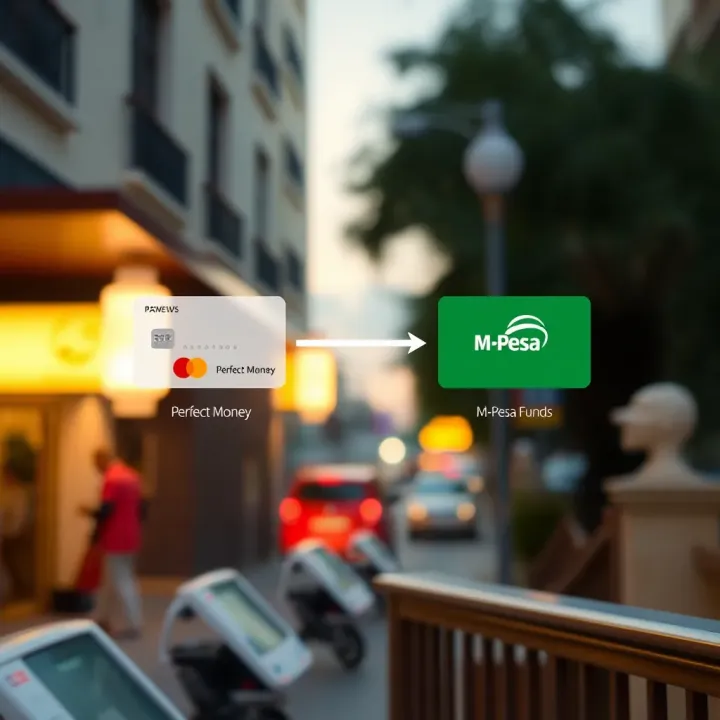
Typically, initiating a transfer involves creating an account with the chosen exchange, submitting your Perfect Money details, specifying the amount, then providing your M-Pesa phone number. Exchanges often require you to confirm transaction details before proceeding. A common practice is to first deposit Perfect Money funds to the exchange’s wallet, then instruct them to convert and send the equivalent to M-Pesa. This ensures the process is tracked and recorded.
Processing times vary depending on the exchange and verification requirements. Some platforms complete transfers within minutes, especially if the amount is small and users have verified accounts. Larger or unverified transactions might take several hours or up to a day. Fast processing reduces risk exposure and allows businesses or traders to use funds quickly, important when operating in fast-paced markets.
Peer-to-peer (P2P) transfers involve exchanging funds directly with individuals, either via online forums or community networks. While this might offer better rates or quicker transactions, it comes with risks like fraud, delayed payment, or disputes over exchange rates. Without formal protection or escrow services, users may lose funds if the counterparty fails to honour the deal.
To minimise risks, always verify the reputation of the peer using references or past transaction records. Agree on clear terms before transferring money, such as exchange rates, payment deadlines, and confirmation methods. Using trusted social media groups or dedicated platforms with rating systems can offer some reassurance. Whenever possible, link your transaction to official channels or record messages to avoid misunderstandings. Recording transaction receipts and confirming receipt promptly helps resolve any potential issues.
The choice between online brokers and P2P methods depends on your comfort with risk, urgency, and cost considerations. For business transactions, official exchange services tend to provide measurable security and speed, while P2P might appeal more to private individuals seeking flexibility.
This section equips you with knowledge about the main conversion methods, allowing informed choices suited to your needs when transferring money from Perfect Money to M-Pesa in Kenya.
Navigating the process of transferring funds from Perfect Money to M-Pesa requires clear steps to avoid delays and losses. This guide helps traders, investors, and entrepreneurs execute smooth transactions, balancing convenience with security. Understanding each phase reduces risks and saves time, especially when handling significant sums or regular transfers.
Start by ensuring your Perfect Money account is fully set up and verified. This means confirming your identity by submitting valid documents like a national ID or passport, which enhances account security. For instance, failure to verify may restrict your withdrawal options, potentially stalling your transfer. Also, check your account balance to cover the transfer amount plus any service fees.
Keep your login details secure and update your contact information in case you need transaction alerts. Having a verified phone number linked to your account can provide timely updates on transactions, giving you quick reassurance. Before proceeding, ensure your account settings permit withdrawals to third parties or exchange platforms.
Choosing the right exchange platform is crucial. Not all services handling Perfect Money to M-Pesa transfers operate with the same level of trustworthiness. Look for platforms with clear reputations, transparent fees, and good customer support. Local Kenyan services familiar with M-Pesa integration usually provide a smoother experience. For example, a Kenyan-based exchanger might respond more quickly to queries and understand local banking nuances.
Check reviews from people who’ve used the exchange before, preferably through independent forums or social media groups dedicated to online trading in Kenya. Avoid any service that asks for unusual upfront payments or lacks clear contact details. A dependable service should provide a step-by-step transfer process, clear exchange rates, and confirmation messages once your transaction starts.
Once you've picked the exchange, follow their instructions carefully to send Perfect Money funds. This usually involves transferring funds from your Perfect Money wallet to the exchanger’s Perfect Money account; after that, they process the M-Pesa payment to your specified phone number.
Keep all receipts and transaction IDs. It helps track your payment and resolve any disputes swiftly. Once the money hits your M-Pesa account, verify the amount and confirm it matches the agreed sum. If there's a delay exceeding the promised time, contact the service immediately.
Always confirm the M-Pesa number carefully before finalising a transfer. A small typo means the money could go to the wrong person, with limited chances of recovery.
Following these steps ensures your transfer from Perfect Money to M-Pesa in Kenya is reliable, secure, and efficient. Whether you are moving funds for business or personal use, preparing properly and choosing the right partner makes all the difference.
Understanding the costs and fees involved when transferring money from Perfect Money to M-Pesa is vital for anyone who values transparency and wants to avoid unnecessary deductions. These expenses can significantly affect the amount that finally lands in your M-Pesa account. Whether you are an entrepreneur sending payments to suppliers or a trader managing multiple transactions, knowing where fees apply helps in budgeting and choosing the best service.
Since Perfect Money operates primarily in USD or EUR, converting your funds to Kenyan Shillings (KSh) introduces exchange rate costs. These rates are rarely the mid-market value you'll find on Forex terminals. Instead, service providers and brokers usually add a margin to the buying or selling price, which can range between 1% and 5%. For example, if the official USD to KSh rate is 135, the effective rate might be 130 to 133, depending on the broker’s margin. This means you get fewer shillings for your dollars.
Conversion charges are often bundled with exchange rate margins, but it's worth asking the provider if they list separate fees. Some platforms add a flat KSh amount or a percentage fee on the total value converted. Keep in mind that rates fluctuate daily, so timing your transfers to avoid days with poor rates can save money.
Always compare exchange rates across different brokers and avoid services that refuse transparency about their rates.
Beyond exchange rates, expect other fees from the service managing the transfer and from M-Pesa itself. The exchange or online broker may charge a fixed fee per transaction or a percentage of the amount sent. This can vary widely — for instance, online brokers might charge between KSh 100 and KSh 500 or 0.5% to 2% of the transferred amount.
M-Pesa also has its transaction fees depending on the type of transaction. Receiving money via Lipa Na M-Pesa, for example, typically has no fee, but cash withdrawals from an M-Pesa agent or transfer to another M-Pesa user can attract fees ranging from KSh 10 to KSh 50 depending on the amount.
In practical terms, if you send KSh 50,000 worth of funds from Perfect Money, you might lose around KSh 500 to KSh 1,000 on broker charges and exchange margins, plus any M-Pesa withdrawal fees if you're cashing out. These costs add up, especially with frequent transfers, so consider using bulk transfer discounts or specialised platforms that offer better rates for regular clients.
By keeping these costs in check and planning ahead, you can make the transfer more cost-effective and avoid surprises. Always review the fee structure before committing to a particular service, and keep records of all your transactions for reference and possible dispute resolution.
Converting funds from Perfect Money to M-Pesa involves navigating several challenges. Understanding these issues helps you avoid delays, losses, or frustration during transfers. The fastest transfer won’t matter much if your money gets stuck or you fall victim to fraud. Knowing common pitfalls and following practical advice ensures your funds reach your M-Pesa account promptly and securely.
Delays in Transfer
Delays often occur due to the reliance on third-party exchange services between Perfect Money and M-Pesa. These middlemen may take hours or even days to process payments, especially if they have to wait for manual approval or verification steps. For example, if an exchange platform experiences heavy demand during payday or festive seasons, you can expect transfers to slow down.
Processing lag can also arise from network outages or technical hitches on either Perfect Money’s or M-Pesa’s end. Since M-Pesa operates on Safaricom’s network, any interruptions affect how fast you receive your money. Such delays impact business owners or traders who depend on quick liquidity.
Fraud Risks
Not all exchange operators are trustworthy. Some might disappear after receiving money without sending funds to your M-Pesa account. Fake websites or social media accounts posing as legitimate exchanges also pose a risk. Users desperate to move money fast sometimes skip proper checks, falling prey to scammers.
This risk extends to peer-to-peer transfers where trust depends on personal connections. Without safeguards, you might lose funds permanently. Fraud undermines confidence in digital finance and wastes time pursuing recovery.
Verification Hurdles
Many exchange services require identity verification to comply with regulations and prevent money laundering. You might be asked for copies of your ID, proof of address, or selfies. This process can stall transfers if documents are incomplete or rejected.
For example, a trader sending money to M-Pesa for the first time may face longer waiting times due to unfamiliarity with verification protocols. These checks protect everyone but can feel like a hassle when you need funds urgently.
Verify Exchange Operators
Before choosing an exchange service, take time to confirm their credibility. Look for reviews, customer feedback, and verified contacts. Platforms with clear licensing or registration details signal reliability.
For instance, some Kenyan-based online money changers publish their business details and phone contacts openly, making it easier to reach them in case of a problem. Avoid deals that seem unusually cheap or too quick—such offers often come with big catches.
Keep Transaction Records
Always save receipts, screenshots, and confirmation messages from the exchange and Perfect Money accounts. These records serve as proof if disputes arise.
If you send KSh 50,000 through an online service, keeping the transaction ID allows you to follow up promptly. Also, note the dates and times of transfers. Detailed records make complaints more effective and help spot inconsistencies.
Use Reputable Platforms
Stick to well-known platforms with a track record in the Kenyan market. Reputable services tend to have better customer support and more secure payment processes.
Using popular exchanges that Kenyan traders commonly recommend reduces risks. These platforms usually have systems to handle transfer delays or refunds. While fees might be slightly higher, the assurance and peace of mind make the difference.
To keep your Perfect Money to M-Pesa transfers safe and timely, prioritise verified operators, maintain clear transaction records, and choose platforms trusted by the Kenyan financial community.
By addressing these challenges wisely, you safeguard your funds and smoothen cross-platform money moves essential for daily trading, investments, and business transactions in Kenya.
Discover D Mpesa 📱, Kenya's trusted mobile money service offering secure payments, easy transfers, and boosting financial access for all users.
💸 Learn how to fund your Deriv account with MPESA in Kenya. Step-by-step deposit guide, benefits, tips, and solutions for hassle-free transactions. 📱
📈 Discover how Kenyan investors can trade CFDs safely! Learn what CFDs are, pros & cons, plus tips for effective trading in financial markets.
Explore Deriv's peer-to-peer trading system 🔄, its benefits, risks ⚠️, security 🔐, and tips tailored for Kenyan traders 🇰🇪 to trade smarter.
Based on 12 reviews