

Understanding Binary Bots in Trading
🔍 Discover how binary bots work in automated trading, their benefits, risks, and key points for Kenyan traders interested in binary option automation.
Edited By
Thomas Harding
No loss derivative trading bots are automated tools designed to trade derivatives in a way that aims to avoid losing your initial investment. These bots use programmed strategies to open and close positions on derivative platforms, seeking to balance profits and losses and protect the trader’s capital.
In Kenya, where trading derivatives like forex, commodities, or indices is growing fast thanks to mobile platforms and local brokers, these bots have attracted interest. However, they are not magic machines; understanding how they operate is crucial to using them wisely.

At their core, these trading bots rely on pre-set rules and algorithms to make quick decisions. They monitor market movements and automatically execute trades based on conditions like price levels, volatility, and time frames. The idea is to enter the market with minimal risk of losing the principal amount by using stop-loss orders, hedging, or sophisticated entry and exit strategies.
For example, a bot might open a trade when the price of oil futures hits a certain support level and immediately place a stop-loss just below it. If the trade moves favourably, the bot takes profit. If the market moves against the position, the stop-loss limits the loss, ideally to zero or a negligible amount.
While no loss bots aim to protect your capital, they cannot guarantee no loss under all market conditions. Unexpected volatility or system failures can cause losses.
These bots require initial capital loaded on trading accounts linked to local payment solutions like M-Pesa for quick deposit and withdrawal.
Understanding brokerage platforms regulated by the Capital Markets Authority (CMA) ensures you trade on safer, licensed platforms.
Integration with your tax reporting via platforms such as iTax is necessary as profits from derivative trading are subject to income tax in Kenya.
Careful monitoring of bot operations is essential; complete automation can sometimes miss sudden changes in the market.
In short, no loss derivative trading bots can be a useful tool if you understand their mechanisms and risks. They help fine-tune trading but should not replace a solid knowledge of markets and risk management.
Kenyan traders considering these bots must balance excitement with caution, recognising that technology reduces, not eliminates, exposure to loss.
No loss derivative trading bots have become a hot topic among traders looking to automate their investing while avoiding losses. These bots are designed specifically to handle derivative instruments, which are financial contracts whose value depends on the price of underlying assets like stocks, currencies, or commodities. Given the fast-changing nature of derivatives, these bots aim to execute trades automatically to capitalise on market movements without exposing users to big losses.
By understanding what these bots do, Kenyan traders can better assess if such tools fit their trading style and risk appetite. These bots promise to execute strategies consistently and swiftly, taking emotions out of decision-making—a key benefit in volatile markets. However, it’s vital to grasp their functionality and limitations, especially when dealing with claims of “no loss” trading.
Derivative trading involves contracts like futures, options, and swaps, where traders speculate on the price changes of assets without owning them directly. For example, a trader might buy a futures contract on Kenyan tea prices, betting that prices will rise, or sell options on maize futures. The appeal lies in potential high returns with limited upfront cash, but the risk of losses due to price swings is also significant.
This kind of trading is common on digital platforms accessible in Kenya, allowing retail traders to participate without large capital outlays. However, constant monitoring is needed because prices can change rapidly during Nairobi market hours or overnight, making manual trading stressful and prone to error.
Automated bots breathe life into derivative trading by handling trade execution based on predetermined rules. They continuously scan price movements, place orders, and close positions without needing manual input. This hands-off approach is useful for traders who want to avoid missing short-term opportunities or who cannot afford to sit in front of screens all day.
For Kenyan traders using platforms integrated with M-Pesa payments or local brokers, bots can facilitate faster transactions and reduce human error. For example, if a price hits a certain level, the bot instantly executes, preventing delays that could turn profits into losses.
The idea of “no loss” trading often sparks excitement but needs cautious interpretation. While bots aim to minimise risk, no strategy or system can guarantee zero loss in derivative markets because of sudden price swings or liquidity issues. These claims typically mean the bot uses risk controls and methods to reduce the chance or size of losses, not eliminate them entirely.
In practice, “no loss” might refer to breaking even or limiting losses within a small range. This subtlety matters, as overpromising zero loss may set unrealistic expectations, especially for beginners relying solely on automated trades.
No loss derivative bots often use risk management tools like stop-loss orders that automatically exit positions at predefined price points to prevent deep losses. Hedging strategies might be employed, where the bot takes offsetting positions to balance potential losses. For example, if it holds a long position in a coffee futures contract, it might simultaneously hold a short position in a correlated commodity to reduce overall exposure.
Some bots use arbitrage across different derivative platforms, buying undervalued contracts and selling overvalued ones to profit from price differences, thus limiting downside risk. This requires fast execution capabilities to spot and act on fleeting opportunities.
While these methods help reduce losses, they don’t make trading risk-free. Understanding how bots apply these strategies helps Kenyan traders manage expectations and choose tools suited to their needs.
By knowing what no loss derivative trading bots are, how they operate, and the trade-offs involved, traders can take more informed steps in leveraging automation within Kenya’s growing digital trading landscape.
Understanding how no loss derivative trading bots function is key to grasping their appeal and the risks they carry. These bots rely heavily on technology to automate decisions, aiming to execute trades that avoid losses or minimise risk exposure. By breaking down their inner workings, traders can better assess whether such tools fit their investment goals or trading style.
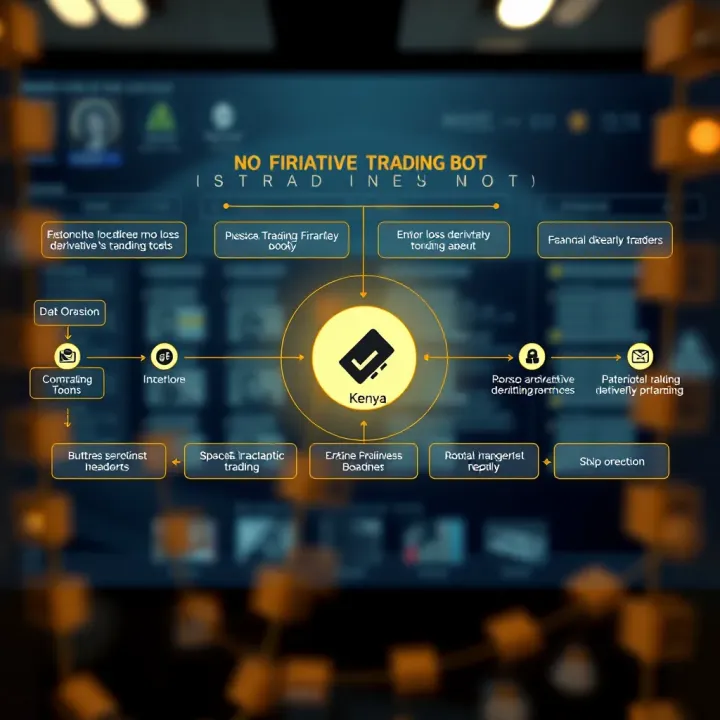
Algorithmic trade execution involves pre-programmed instructions that allow the bot to buy or sell derivatives automatically based on specific market signals. These algorithms scan vast market data much faster than a human trader could. For example, a bot might be programmed to enter a trade when volatility reaches a certain threshold or when price movements indicate a short-term trend.
In practical terms, this speeds up response times in volatile Kenyan markets, like those seen in NSE derivatives or currency futures. By executing trades within milliseconds, bots help reduce the chances of slippage—where a trader’s intended price differs from the actual execution price. This speed advantage is especially useful in derivatives trading where timing often affects profitability.
No loss bots incorporate risk management modules that automatically adjust trade sizes or exit positions if the market moves against the strategy. These modules use stop-loss orders, take-profit limits, and position sizing rules coded into the bot. This means the bot can cap potential losses and protect your capital without constant manual oversight.
For instance, a bot could automatically close a position if losses hit KSh 2,000 or take profit when gains surpass KSh 5,000 during a trading session. This kind of automated control is invaluable for busy traders who cannot watch markets all day but want to limit downside exposure.
Hedging involves taking offsetting positions to protect against adverse price movements. No loss bots often execute hedging strategies by simultaneously buying and selling related derivative contracts. For example, a bot might open a short futures position to hedge against potential losses on a long stock option.
This approach shields traders from swings while still allowing for some gains. In Kenya’s emerging derivatives market, where volatility can spike after unexpected political or economic news, hedging reduces exposure to sudden shocks that could wipe out gains.
Arbitrage means profiting from price differences of the same asset across different markets or instruments. No loss bots scan multiple exchanges or related derivative products to spot these gaps and trade quickly to exploit them.
For example, if an NSE derivative contract is priced differently from an equivalent OTC (over-the-counter) contract, the bot can buy low in one market and sell high in the other. While these opportunities tend to close fast, automated bots are well-suited to move faster than human traders, capturing small but consistent profits without taking on directional risk.
While no loss bots promise steady returns, it’s vital to remember that all trading involves risk. The technology simply aims to manage and reduce it, not eliminate it completely.
No loss derivative trading bots offer Kenyan traders several practical advantages, especially given the unique challenges and opportunities in the local trading landscape. These bots can help save time and reduce emotional bias, two common hurdles for many individual investors. Additionally, their design often fits well with Kenyan market conditions, making them a handy tool for those looking to explore derivatives without constant manual monitoring.
Automated trading bots handle the heavy lifting of monitoring markets and executing trades, allowing you to focus on other activities. For example, a Kenyan trader working a full-time job may not have hours to consistently watch price movements on the NSE (Nairobi Securities Exchange) or local forex markets. A no loss bot operates 24/7, executing pre-set strategies swiftly without fatigue or distraction.
This automation is especially relevant when market opportunities can vanish within seconds. Instead of missing out due to personal schedules or slow decision-making, the bot trades instantly when conditions align with its programmed criteria. Practically, this could mean smoother participation in volatile derivatives markets while juggling daily responsibilities.
Trading often triggers emotional responses such as fear or greed, which can lead to rash or irrational decisions. No loss bots stick to their predefined algorithms, eliminating emotional impulses from trading activities. This is beneficial for Kenyan traders who may otherwise be swayed by sudden market swings or news affecting, say, commodity prices like tea or coffee.
For instance, during turbulent times such as currency fluctuations affecting the shilling, human traders might panic sell or hesitate. Bots maintain consistent logic, which can prevent costly mistakes driven by emotional reactions. Over time, this disciplined approach can protect your capital from impulsive losses.
No loss bots help open derivative trading to more Kenyans by simplifying a complex market. Derivative markets, like futures on agricultural commodities or forex contracts, have traditionally been seen as niche and technical. Using a bot lowers the technical barrier and enables traders with limited experience or time to participate.
Take Nairobi's growing interest in forex derivatives as an example. Instead of manually tracking USD/KES fluctuations and predicting price moves, traders can deploy bots that automate these processes, making access to such markets more straightforward and less intimidating.
Most no loss bots today can integrate with popular Kenyan trading platforms that support automated trading. Platforms like the NSE's CDSC or forex brokers licensed by the Capital Markets Authority (CMA) often have API connections allowing bots to execute trades smoothly.
Additionally, many bots support payment options through local systems like M-Pesa for deposits and withdrawals, which streamlines user experience. This seamless integration means you won't need complex foreign exchange conversions or unfamiliar payment channels, enhancing convenience and lowering entry hurdles for local traders.
Using a no loss derivative trading bot can level the playing ground for Kenyan traders by saving time, reducing emotional errors, and fitting well with local market platforms and payment systems.
In summary, these bots provide a blend of efficiency and accessibility. Kenyan traders, whether novices or experienced investors, stand to gain by understanding and leveraging these tools within their specific market environment.
No loss derivative trading bots often attract attention with promises of guaranteed profit or zero losses. However, it's vital to approach such claims cautiously. Understanding the risks and limitations helps traders in Kenya make informed decisions before relying on these automated systems.
Claims of zero loss in derivative trading bots can be misleading. Markets are unpredictable by nature, influenced by geopolitical events, economic indicators, and sudden changes in investor sentiment. Even the most sophisticated bots cannot completely eliminate risks; they only aim to reduce exposure. For example, during unexpected market crashes, like the global coronavirus impact in early 2020, automatic strategies that seemed foolproof suffered losses.
In Kenya’s local context, where liquidity and market depth in some derivative instruments might be limited compared to major global exchanges, risks increase further. Traders using no loss bots should expect possible losses, especially without constant monitoring and adjustment of strategies.
Derivative markets tend to be highly volatile. Pricing can swing dramatically within minutes due to news, earnings reports, or global economic shifts. No loss bots typically use predefined algorithms, which might not adapt quickly to sudden market swings. As a result, they may execute trades based on stale or unsuitable data, leading to losses.
For instance, during Kenya’s presidential elections or major regional events, currency and commodity derivatives can display sudden price shifts. Relying solely on automated systems without human oversight could expose traders to unexpected risks.
No loss bots depend heavily on software running bug-free. However, software systems can encounter unexpected glitches or bugs, especially if poorly coded or inadequately tested. Such failures can stall trades, execute wrong orders, or miscalculate risk parameters.
An example is a bot mistakenly doubling positions due to a coding error, escalating losses before a trader notices. Kenyan traders should prioritise bots with strong technical support and transparent update policies to minimise such risks.
Automated bots require stable internet and reliable trading platforms. In Kenya, where occasional network interruptions or power outages occur, a sudden disconnection may halt bot operations, leaving positions unmanaged and vulnerable.
Additionally, some local trading platforms may experience downtime or delays, affecting order execution speed. Delayed trades can translate to missed opportunities or execution at unfavourable prices. Traders should consider backup internet options and select robust platforms known for high uptime.
While no loss bots can offer convenience and speed, traders need to remain vigilant about their limitations. Balancing automation with human oversight is key to navigating risks effectively.
When it comes to no loss derivative trading bots, Kenyan traders must carefully consider both legal and ethical aspects. These factors affect not only compliance but also the long-term viability and trustworthiness of using such bots for trading. Understanding the regulatory environment and ethical expectations helps traders avoid costly penalties and reputational risks.
Kenya's Capital Markets Authority (CMA) regulates trading activities including the use of automated trading systems. The CMA has set rules to monitor fair market practices and ensure that traders do not engage in fraudulent or manipulative behaviour. For example, the CMA requires firms using algorithmic bots to register and undergo periodic audits. This allows for oversight that helps protect ordinary investors from risks tied to unregulated automated trading.
Compliance with CMA regulations is important for anyone trading derivatives using bots on Kenyan platforms such as those linked with M-Pesa or local brokers. Traders must ensure the bots they use operate within the law—this includes adherence to rules around disclosure and responsible investing. Failure to meet these standards can lead to penalties or having your trading account frozen by the broker or CMA.
Trading derivatives in Kenya generally requires that traders have the necessary licensing or registration, depending on the size and nature of their operations. Even individual traders must comply with Know Your Customer (KYC) rules and provide accurate tax information via iTax when earning profits. This applies equally to automated trades made via bots.
Additionally, derivative contracts should be documented and clear on terms such as margin requirements and risk warnings. Brokers offering access to derivative markets must also confirm that the automated tools have safeguards to prevent extreme losses or unauthorized trades. The Kenyan CMA enforces these measures to uphold market integrity and protect retail investors.
Transparency in how trading bots operate is essential. Kenyan traders should demand clear explanations from bot providers about the trading strategies, expected risks, and limits on losses. When details are hidden or exaggerated promises like "no loss" are made without proof, it raises ethical red flags and should be approached cautiously.
Avoiding market manipulation is another core ethical principle. Bots that place artificial trades to push prices up or down (“spoofing”) or that unfairly exploit arbitrage loopholes harm market fairness. The CMA monitors such behaviour and can penalise individuals or firms engaged in these practices. Traders in Kenya are expected to choose and use bots responsibly, ensuring their actions do not distort the market or disadvantage other participants.
Ethical and legal clarity not only protects traders but strengthens Kenya’s financial markets, making them more reliable for all participants.
By staying within CMA rules and choosing transparent, fair-use bots, Kenyan traders can navigate derivative markets safely and ethically. This approach reduces risk and builds confidence in automated trading as a viable tool in the local investing landscape.
🔍 Discover how binary bots work in automated trading, their benefits, risks, and key points for Kenyan traders interested in binary option automation.

🤖 Explore how AI trading bots work, their benefits and risks, plus tips for Kenyan traders aiming to improve trading strategies with smart automation.
📈 Discover how Kenyan investors can trade CFDs safely! Learn what CFDs are, pros & cons, plus tips for effective trading in financial markets.
Explore Deriv's peer-to-peer trading system 🔄, its benefits, risks ⚠️, security 🔐, and tips tailored for Kenyan traders 🇰🇪 to trade smarter.
Based on 11 reviews